Time Periods
Paleolithic
Mesolithic
Neolithic
Chalcolithic
Bronze Age
Iron Age
Classical Period
Post-Classical Period
Early Modern Period
Industrial Period
Contemporary Period
Time Periods
Paleolithic
Mesolithic
Neolithic
Chalcolithic
Bronze Age
Iron Age
Classical Period
Post-Classical Period
Early Modern Period
Industrial Period
Contemporary Period
Location
About
Bir el Ater is an archaeological site of significant historical importance located in eastern Algeria near the border with Tunisia. It is notably recognized as the type site for the Aterian lithic industry, a key culture of the Middle to Upper Paleolithic era approximately 40,000 to 20,000 years ago. The site also contains remnants from the Roman period, including the ruins of Roman wells and a large oil mill, indicating a once-thriving agricultural and industrial community. Vicus Aterii, as it was known during antiquity, served as a small settlement with a Christian bishopric within the Roman province of Byzacena. Today, the area is known for its phosphate mines, which are among the largest in Algeria. The archaeological findings at Bir el Ater provide valuable insights into the cultural and industrial evolution of the region from prehistoric to classical times.
Archaeological Features
Explore the unique architectural and cultural elements found at this historical site
Water Management Features
Industrial and Craft Structures
Domestic and Habitation Structures
Food Production and Processing Features
Historical Timeline
Journey through time and discover key events in this site's archaeological history
Plan Your Visit
Details
- Country
- Algeria
- Source
- Wikipedia
More Sites in Algeria
Sidi Brahim
Roman town ruins in Algeria
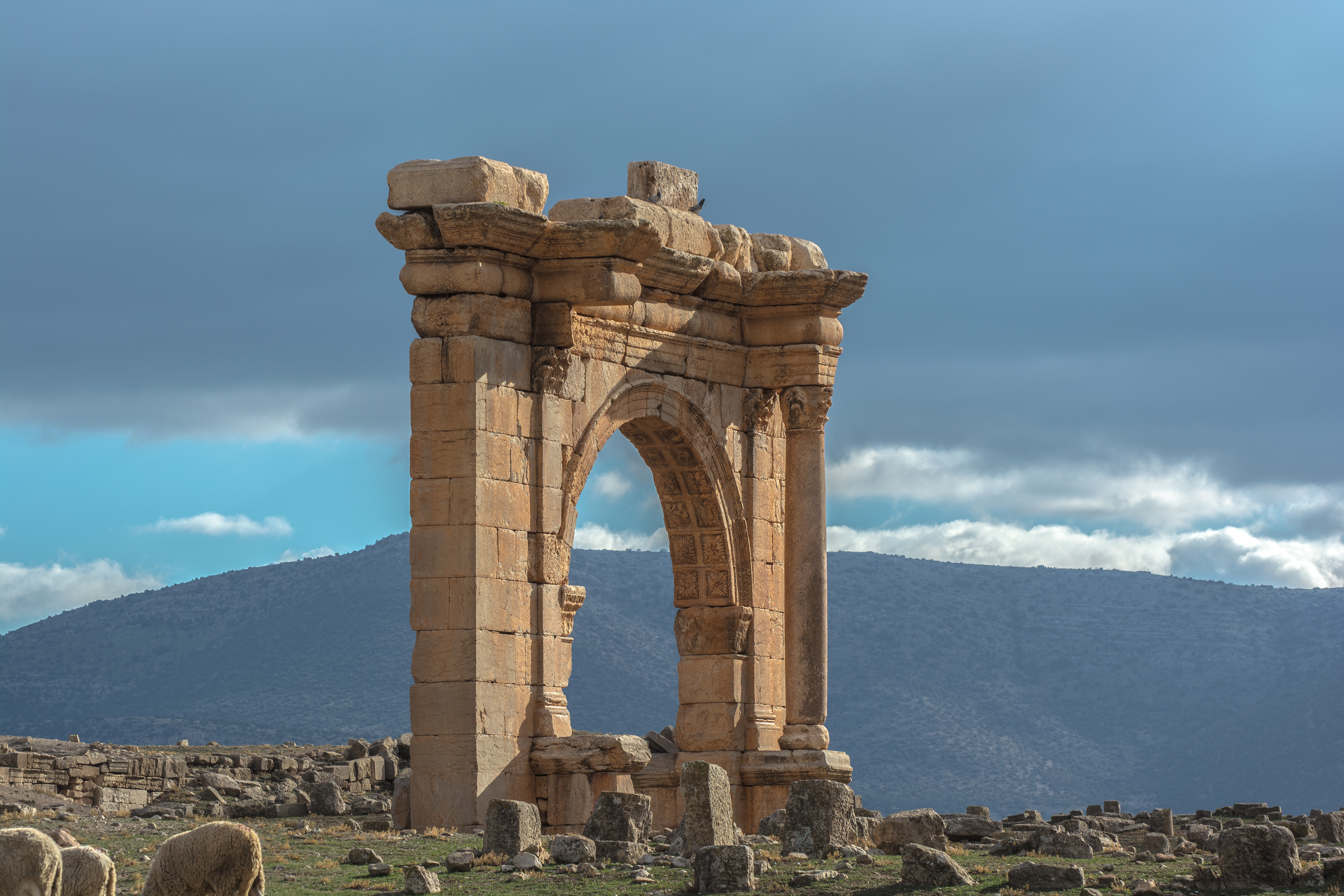
Diana Veteranorum
Ancient Roman-Berber city with Roman structures
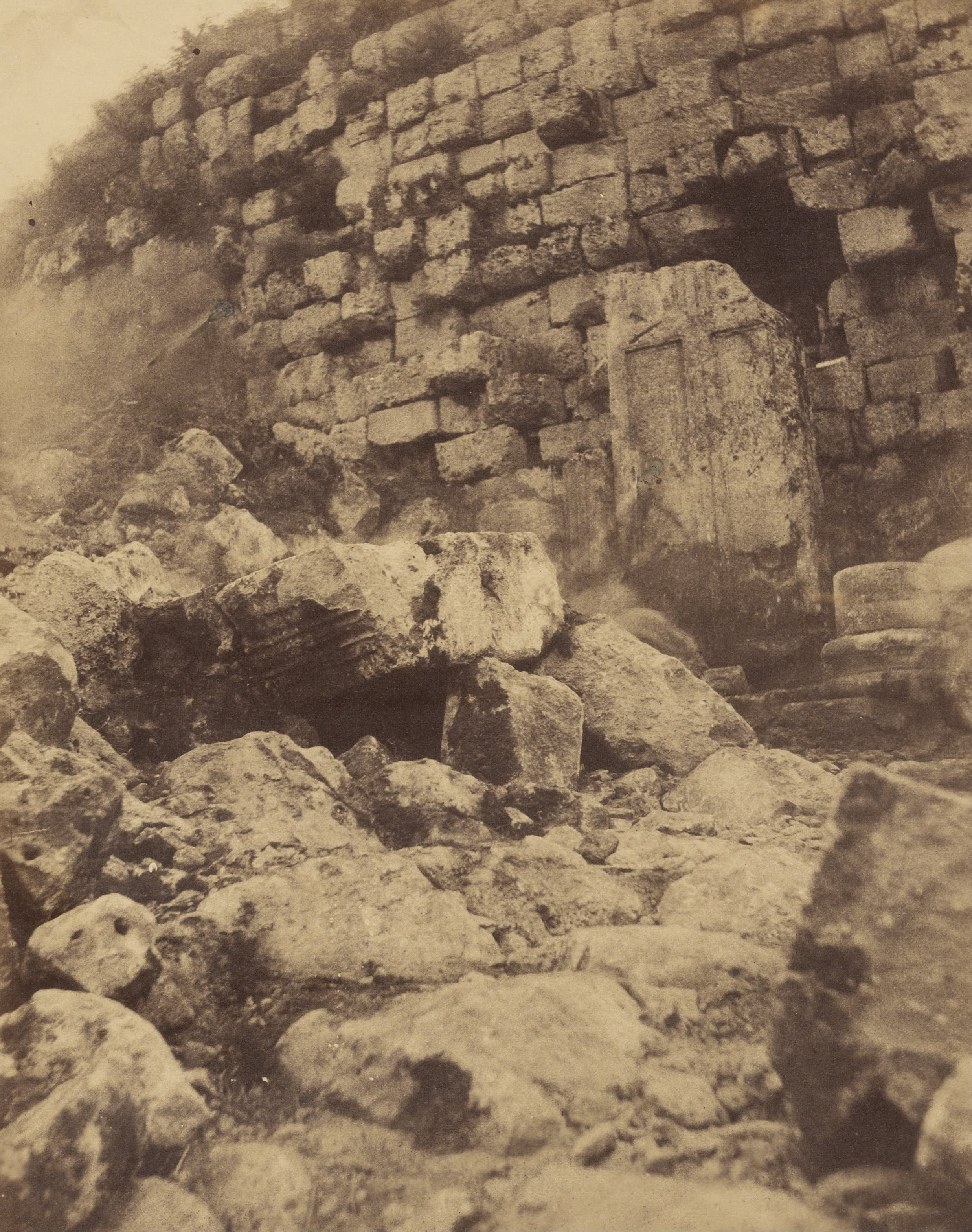
Royal Mausoleum of Mauretania
Circular stone mausoleum with Ionic columns
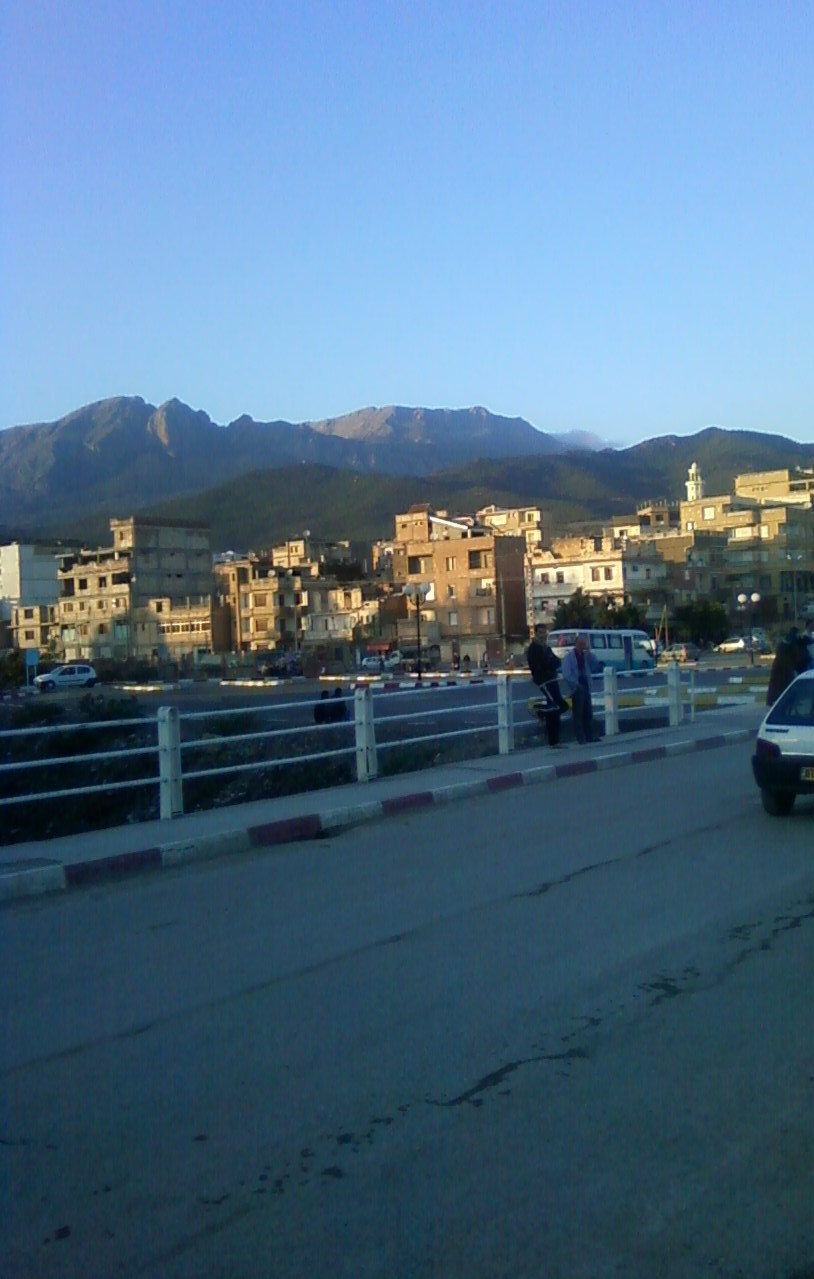
El Kseur
Mountainous valley with Roman and colonial history
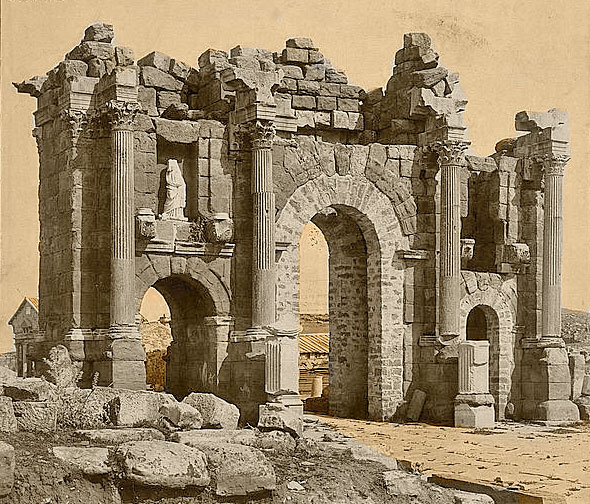
Saldae
Ancient Roman port city with significant ruins
Rusubbicari
Phoenician, Carthaginian, and Roman settlement ruins.