Time Periods
Paleolithic
Mesolithic
Neolithic
Chalcolithic
Bronze Age
Iron Age
Classical Period
Post-Classical Period
Early Modern Period
Industrial Period
Contemporary Period
Time Periods
Paleolithic
Mesolithic
Neolithic
Chalcolithic
Bronze Age
Iron Age
Classical Period
Post-Classical Period
Early Modern Period
Industrial Period
Contemporary Period
Location
About
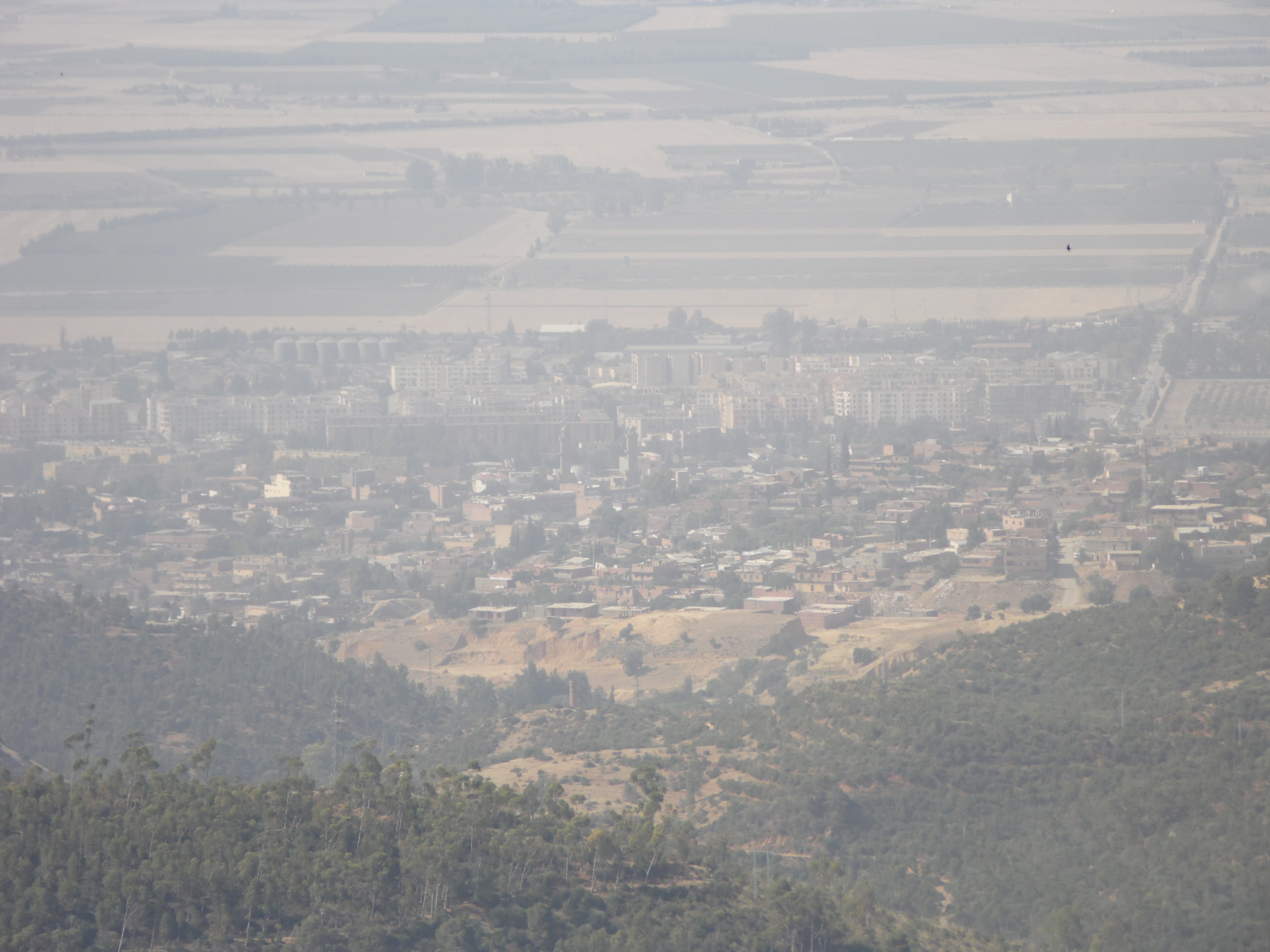
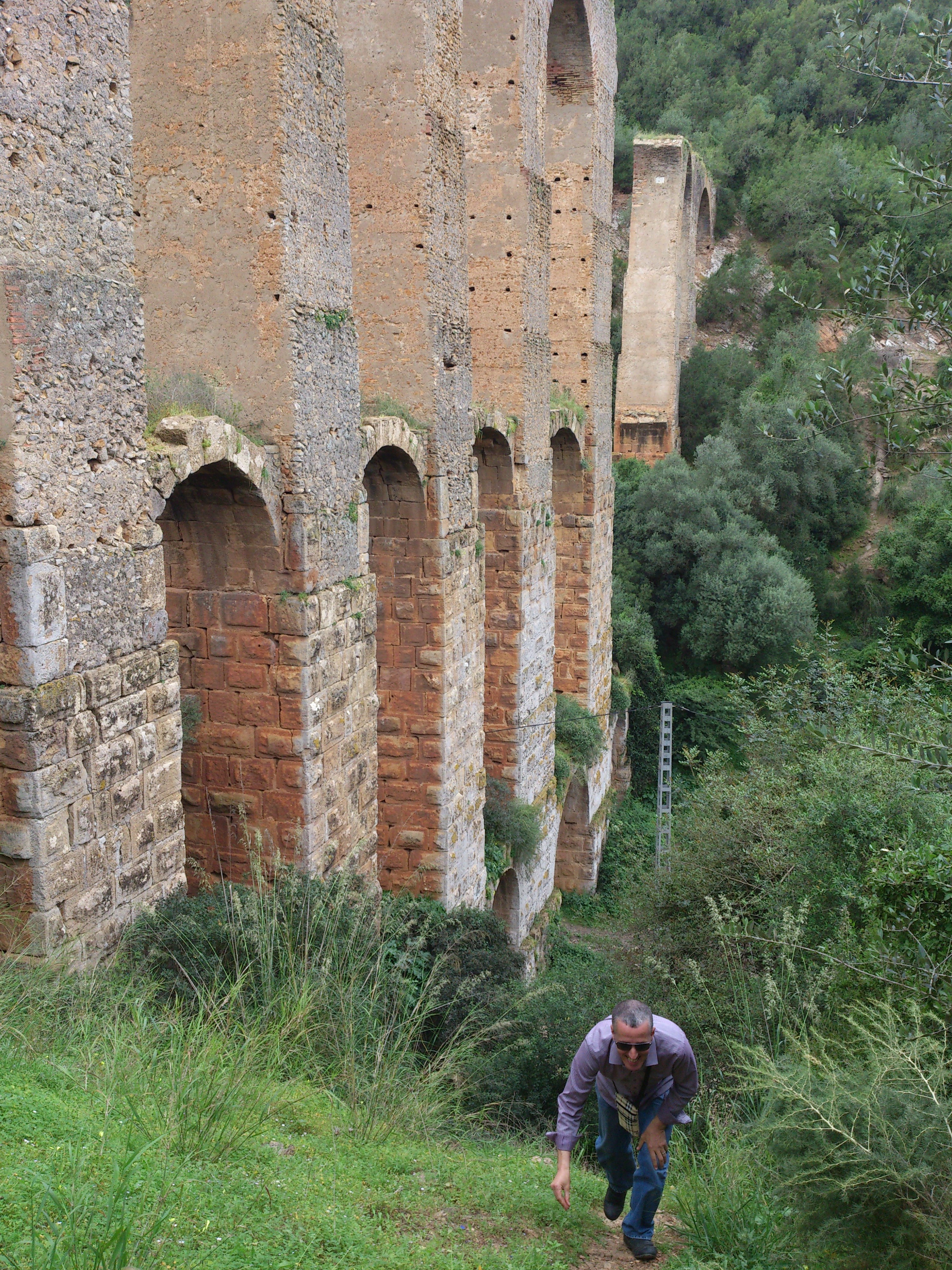
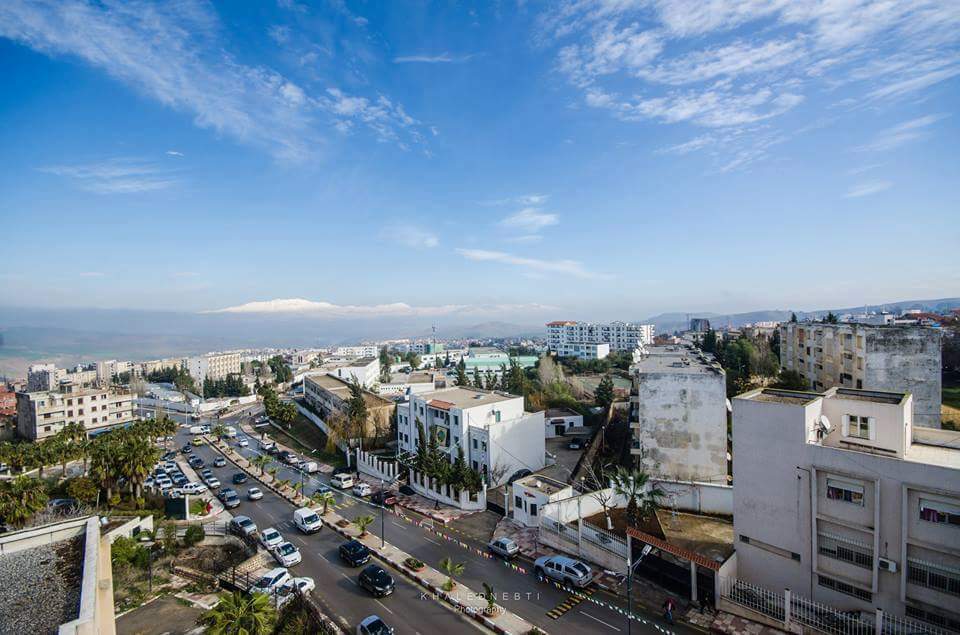
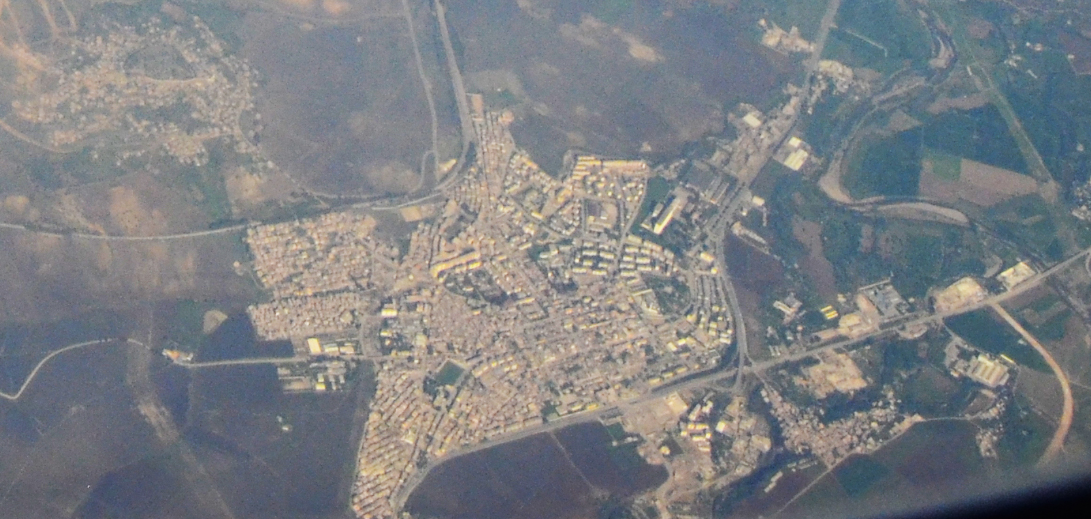
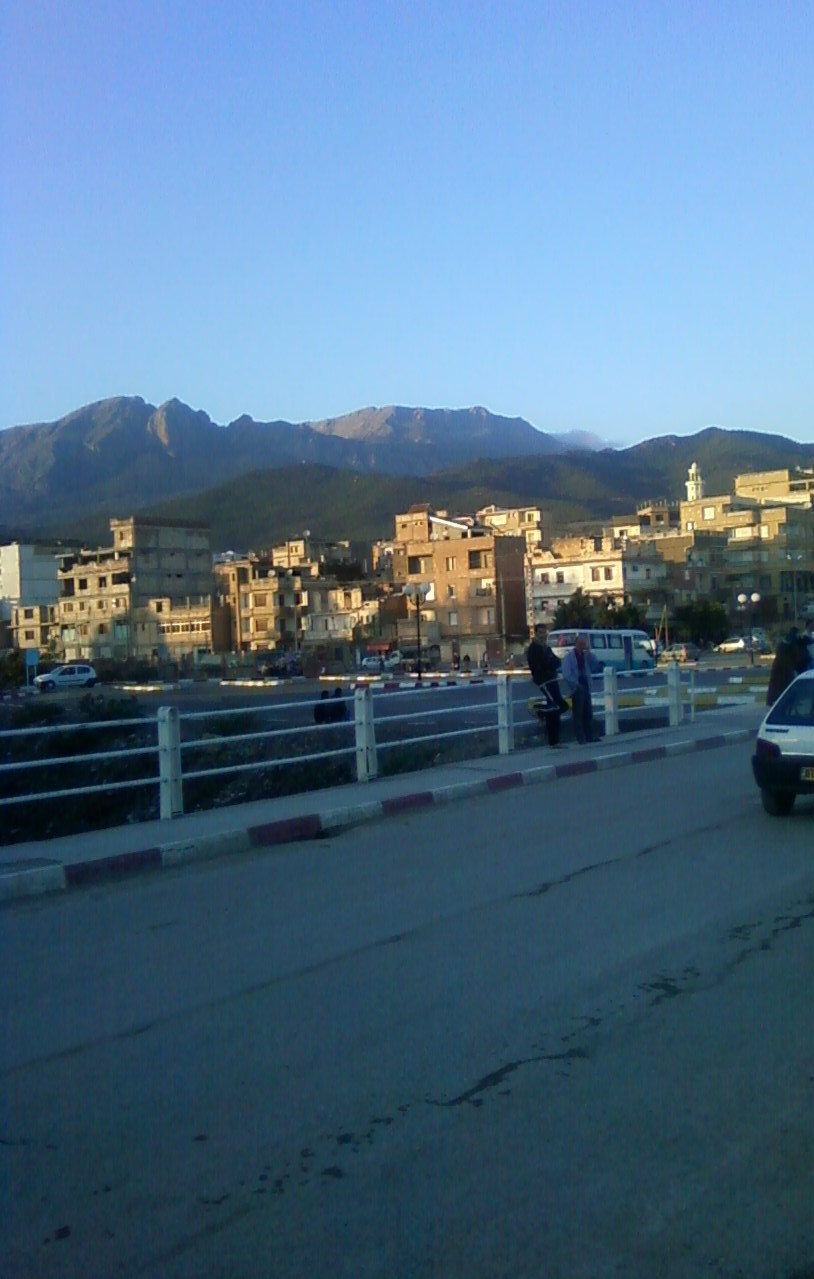
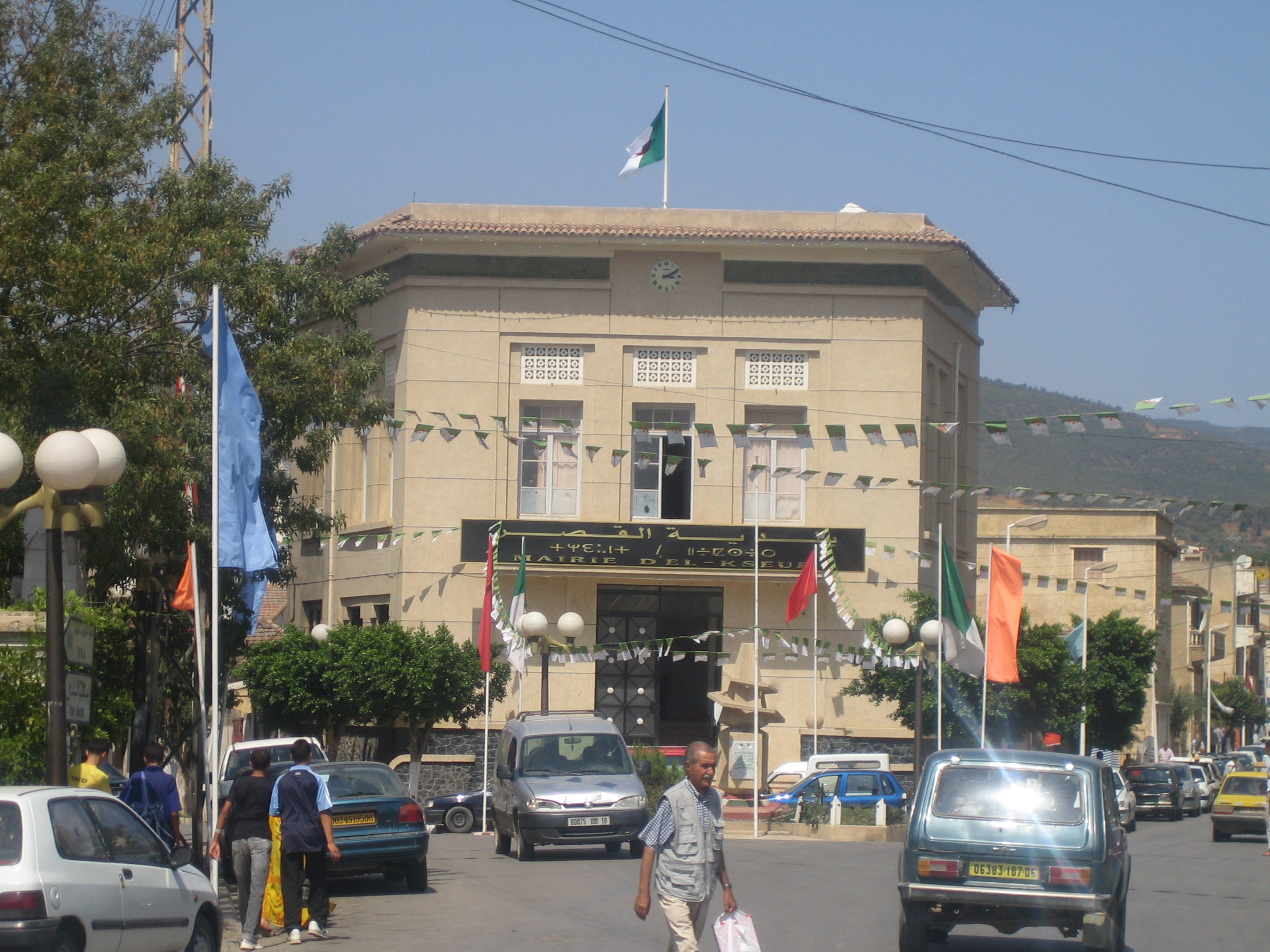
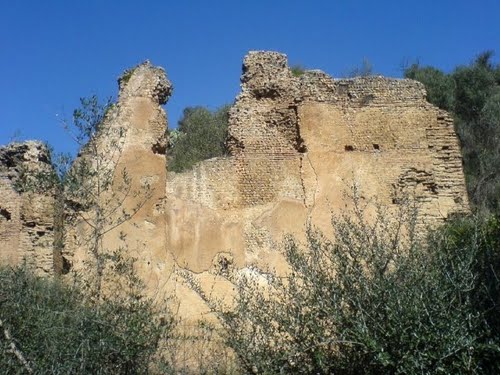
El Kseur, a commune in northern Algeria's Béjaïa Province, is nestled in a mountainous valley. Archaeologically significant, the site was originally a Roman colony known as Tubusuctu, established by Augustus for military veterans. The well-preserved Roman baths highlight its historical prominence in olive oil production. The town's strategic location led to the construction of a citadel during the Zianide siege in 1327 CE, contributing to its fortified character. In the 19th century, El Kseur became a hub for European settlers post the Franco-Prussian War, influencing its cultural landscape. During the Algerian War, it was pivotal as an early supporter of the FLN, reflecting its enduring strategic importance. The Tichy-Haf Dam exemplifies its water management advancements, supplying the region with essential water resources.
Gallery
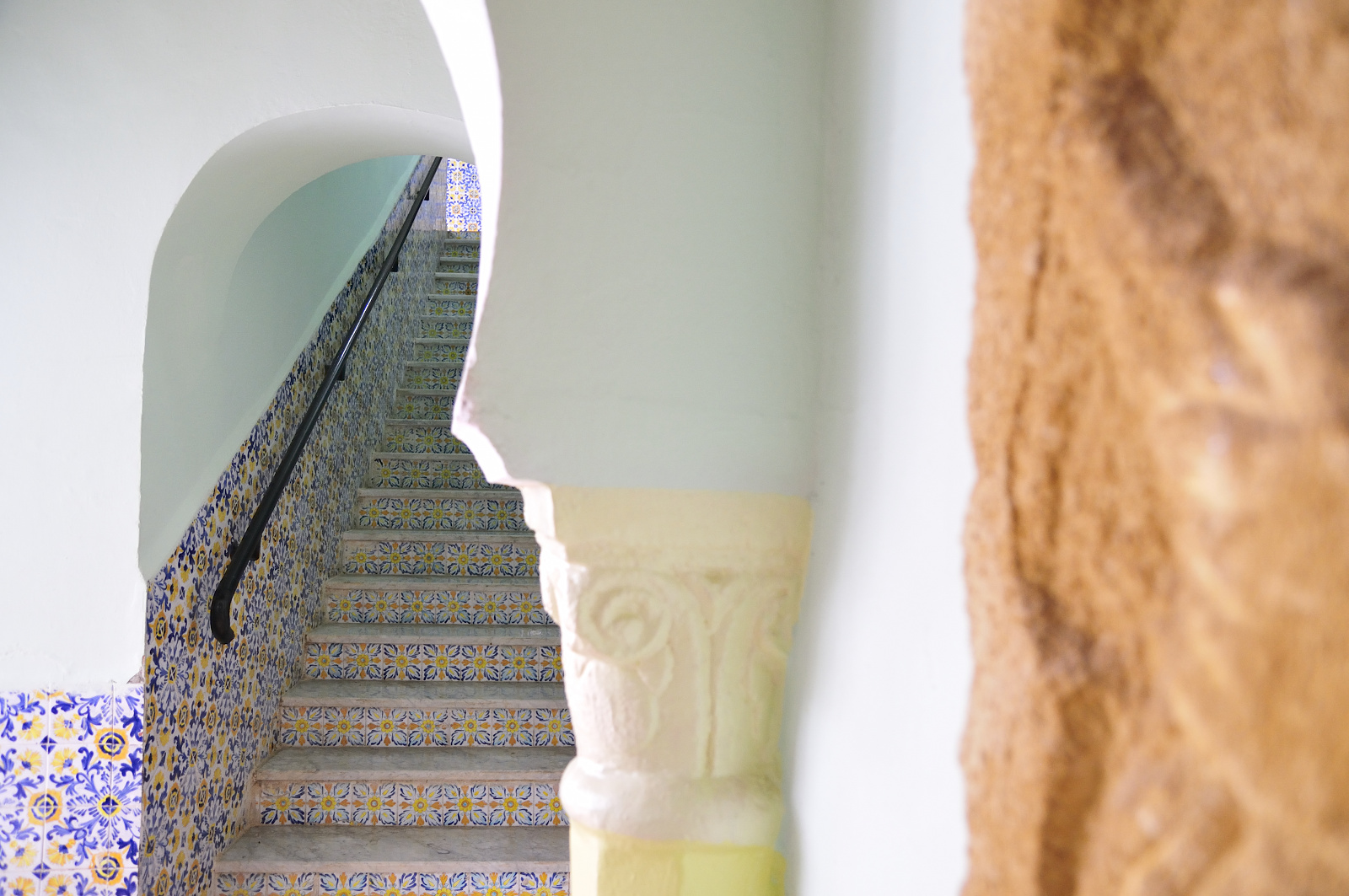
Explore photographs of ancient structures, artifacts, and archaeological excavations at El Kseur
Archaeological Features
Explore the unique architectural and cultural elements found at this historical site
Defensive Structures
Water Management Features
Public and Civic Structures
Domestic and Habitation Structures
Historical Timeline
Journey through time and discover key events in this site's archaeological history
Plan Your Visit
Details
- Country
- Algeria
- Source
- Wikipedia