
Explore the Map
Djémila
36.3167° N, 5.7333° E
About
Djémila, formerly known as Cuicul, is a remarkable archaeological site located in a mountainous region of Algeria. Established as a Roman military garrison in the 1st century CE, it presents a unique adaptation of Roman urban planning to a rugged landscape. The site features well-preserved Roman structures such as a theatre, two forums, temples, basilicas, and houses, with streets laid out in a standard Roman grid pattern. Significant developments during the 3rd century CE under Emperor Caracalla included a new forum and an external theatre. By the 5th century CE, a Christian quarter with basilicas and a baptistery was established, highlighting the site's religious evolution. The city's decline commenced after the fall of the Roman Empire, though some fortifications were improved under Emperor Justinian I in the 6th century CE. Djémila's status as a UNESCO World Heritage Site underscores its historical and architectural significance.
Historical Timeline
Journey through time and discover key events in this site's history
Roman military garrison built
1st century CE
Caracalla's reign
3rd century CE
Fall of the Roman Empire
5th century CE
Christian ecclesiastical quarter
5th century CE
Justinian I improvements
6th century CE
Archaeological Features
Unique architectural and cultural elements found at this historical site
Defensive Structures
Miscellaneous Features
Public and Civic Structures
Religious and Ritual Structures
Artistic and Decorative Features
Domestic and Habitation Structures
Transportation and Communication Structures
Frequently Asked Questions
Plan Your Visit
Tours, travel arrangements, and practical information
More Sites in Algeria
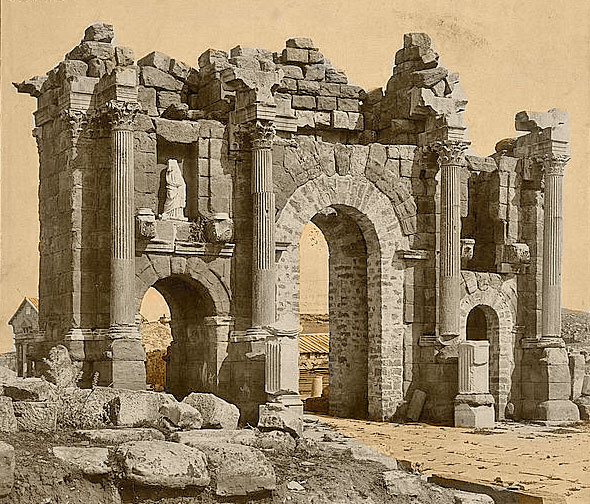
Timgad
Roman city with grid plan ruins
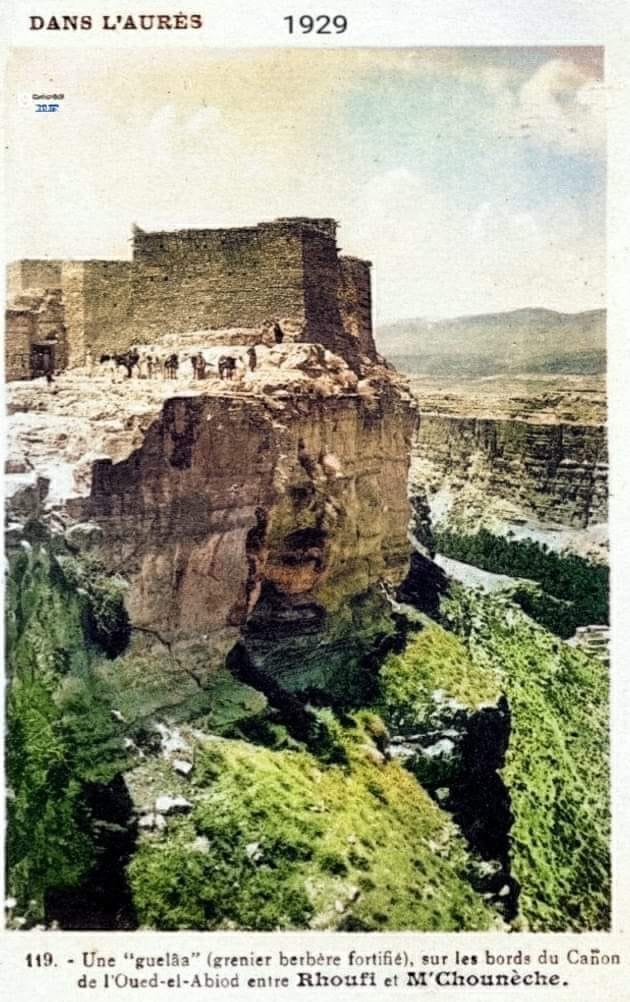
Fortified Granaries of Aures
Defensible stone granaries in Aures Mountains.
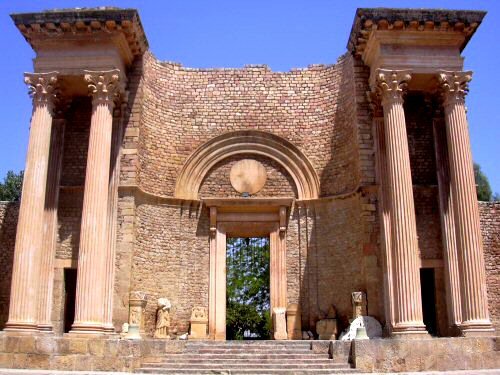
Calama (Numidia)
Ancient Roman colonia with Phoenician origins
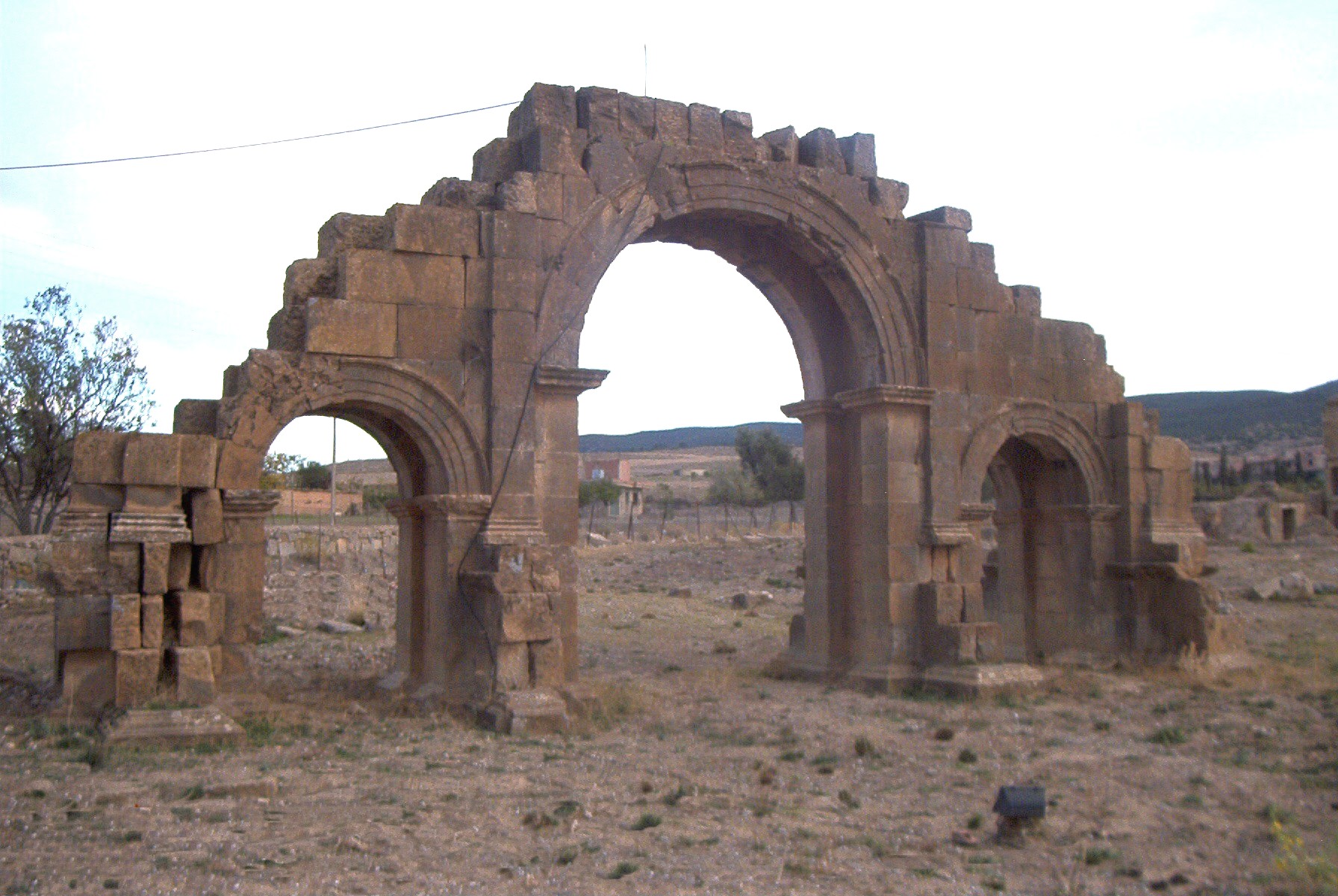
Lambaesis
Roman military camp with temples and arches
Cartennae
Ancient Carthaginian and Roman port in Algeria
Tabuda
Roman-Berber colonia with stone ruins