Explore the Map
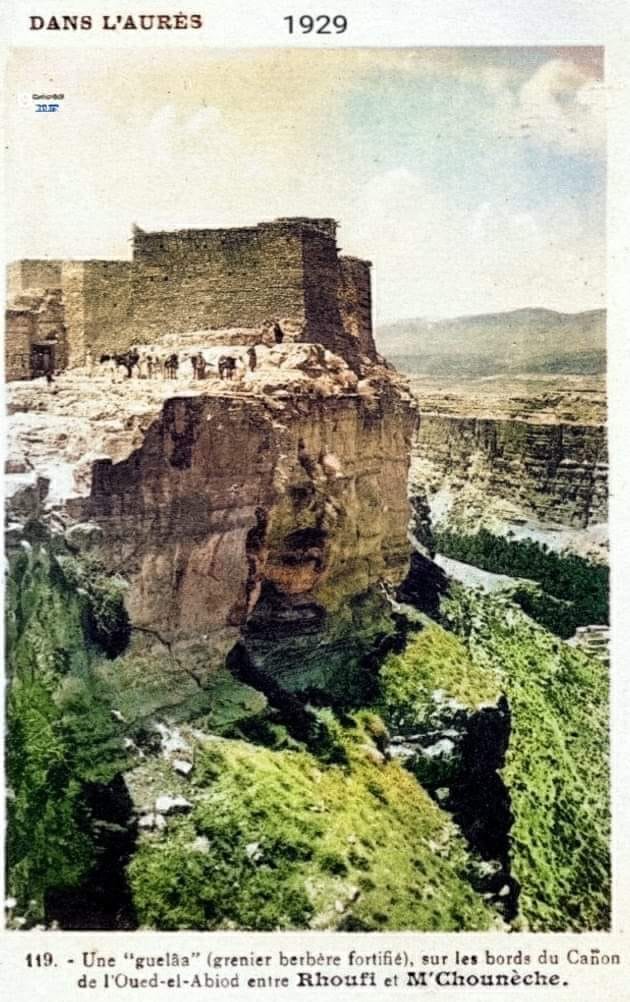
Fortified Granaries of Aures
35.0903° N, 6.0310° E
About
The fortified granaries of Aures, known as 'taq'liath' in the Shawiya language, are historical multi-storied stone structures primarily used for crop storage and as refuges during conflicts. Located in the Aures Mountains, these granaries reflect the agricultural and defensive needs of past societies. The granaries are linked to the Miknasa and Houara Berber tribes and have been described by various historical sources, including Roman and Arab historians. Their architectural evolution shows a transition from simple caves to fortified stone buildings, influenced by Roman agricultural practices. Featuring high-elevation water management systems and terrace gardens, these structures are emblematic of the socio-political organization of the Auresian communities. Despite their diminished use under colonial rule, they remain significant for their cultural and historical value, reflecting the resilience and autonomy of Berber societies.
Gallery
Explore photographs of ancient structures, artifacts, and archaeological excavations
Historical Timeline
Journey through time and discover key events in this site's history
Roman Era Influence
0 CE – 500 CE
Iaudas's Defense
500 CE – 600 CE
Al-Bakri's Description
1000 CE – 1100 CE
Archaeological Features
Unique architectural and cultural elements found at this historical site
Storage Structures
Defensive Structures
Water Management Features
Agricultural and Land Use Features
Frequently Asked Questions
Plan Your Visit
Tours, travel arrangements, and practical information
More Sites in Algeria
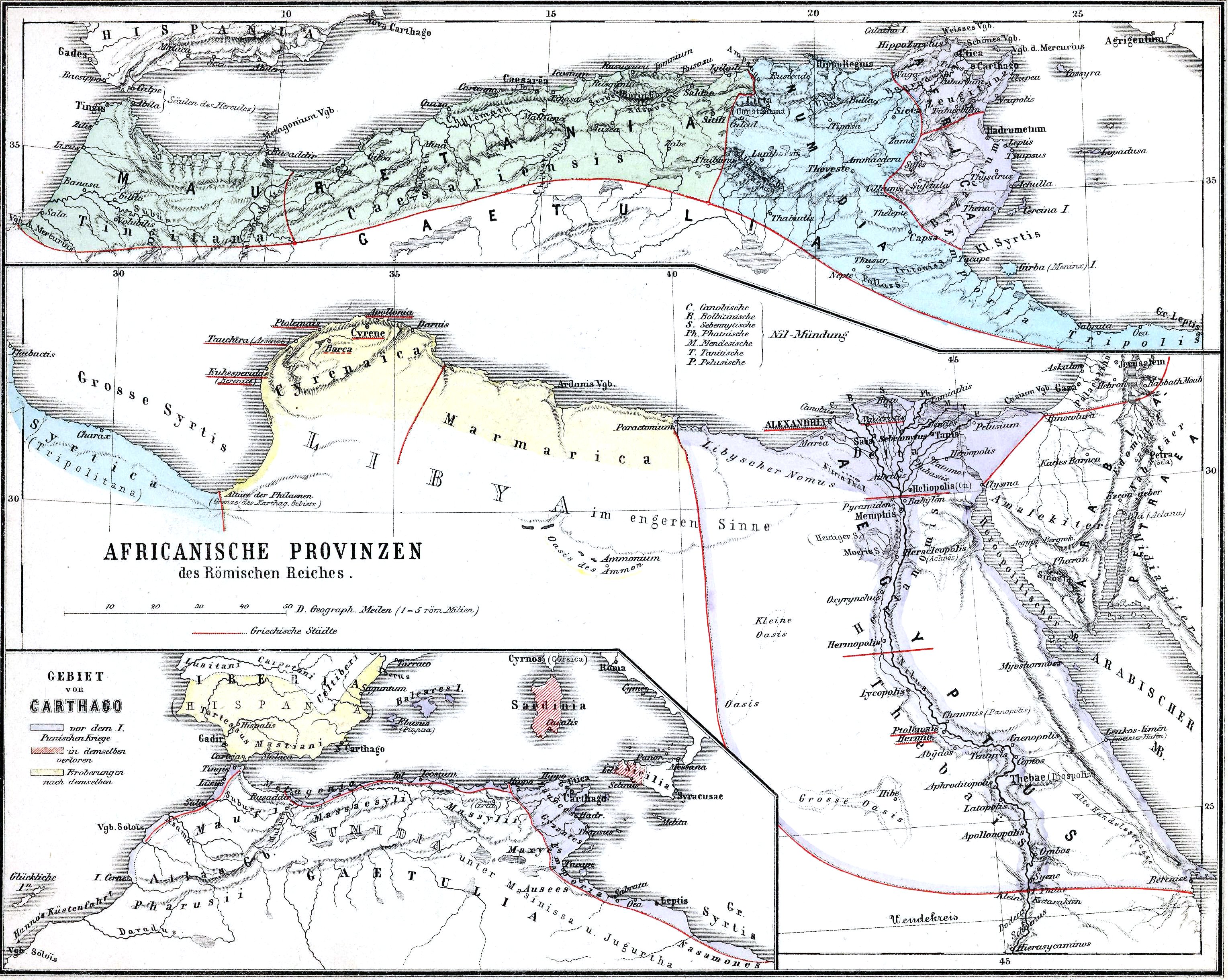
Tabuda
Roman-Berber colonia with stone ruins
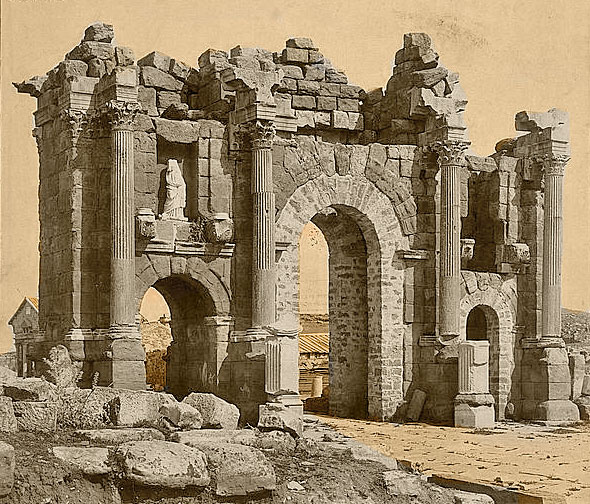
Tiddis
Roman city with defensive and religious structures
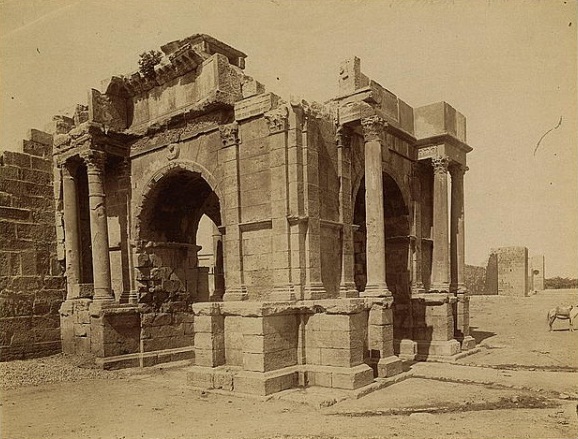
Theveste
Roman colony with significant ancient monuments.
Tigisis in Numidia
Ancient fortified town with Roman origins.
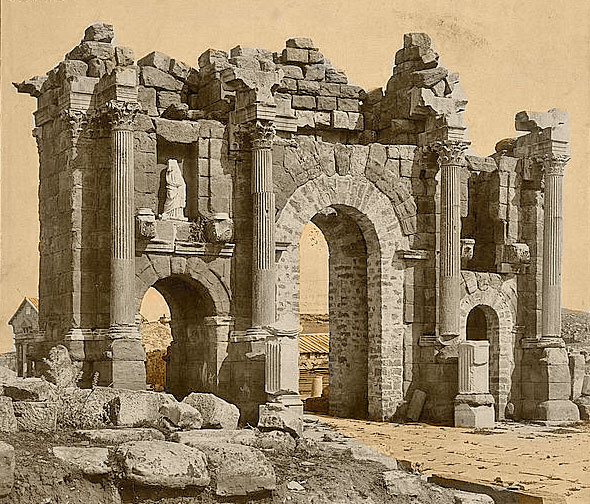
Timgad
Roman city with grid plan ruins
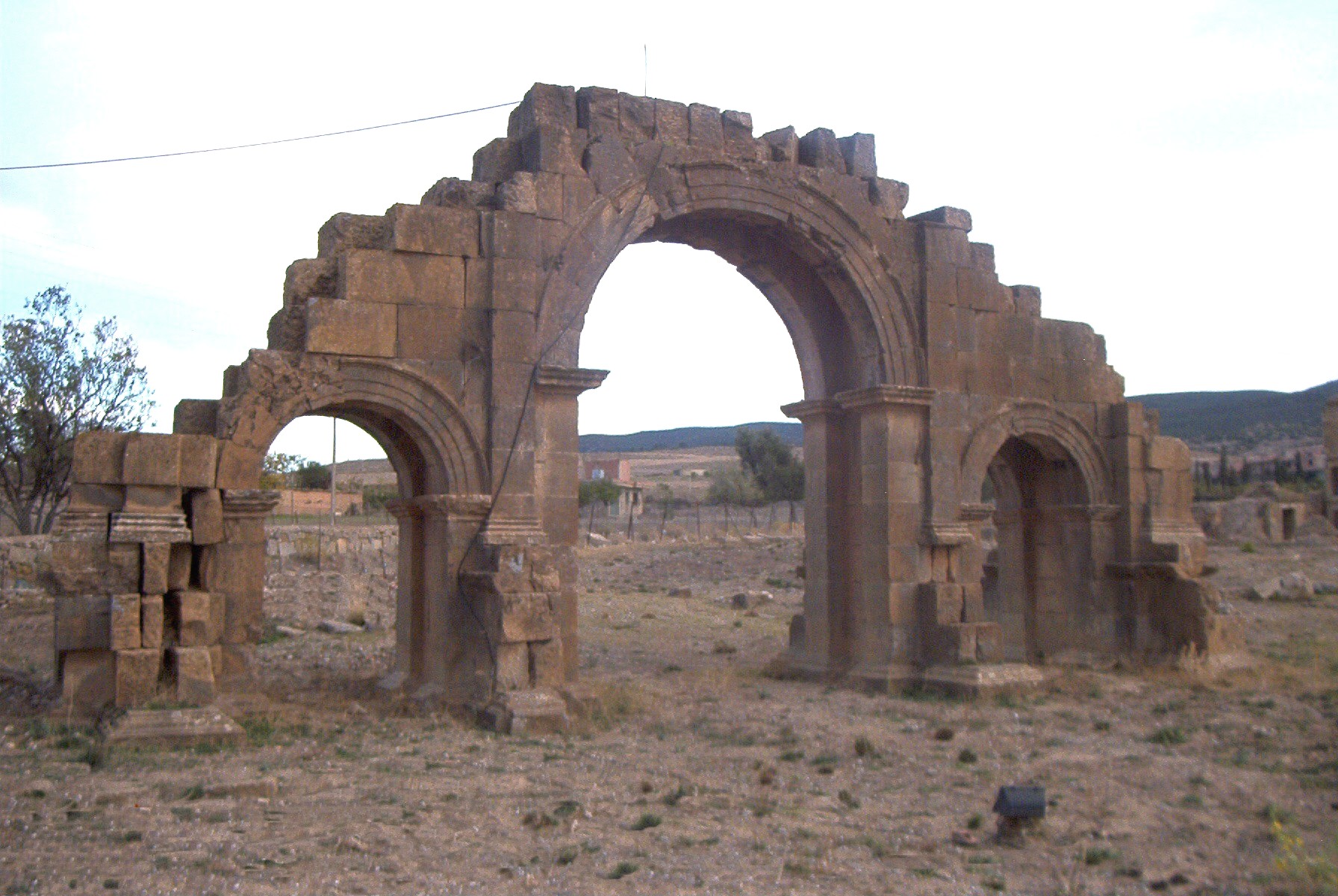
Lambaesis
Roman military camp with temples and arches