
Explore the Map
Timgad
35.4842° N, 6.4686° E
About
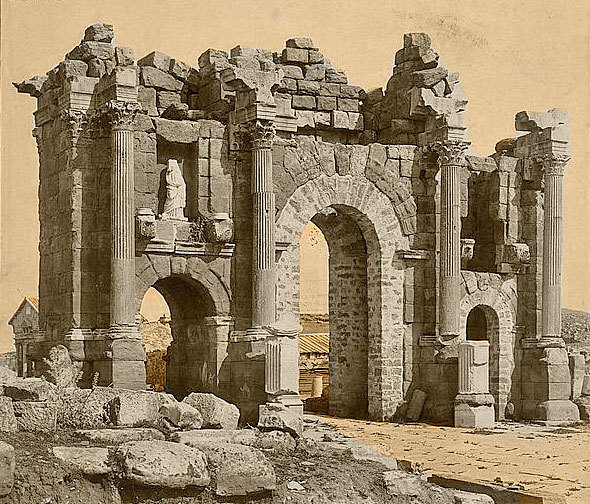
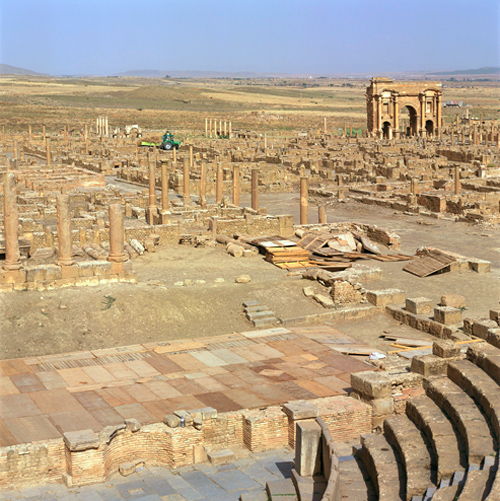
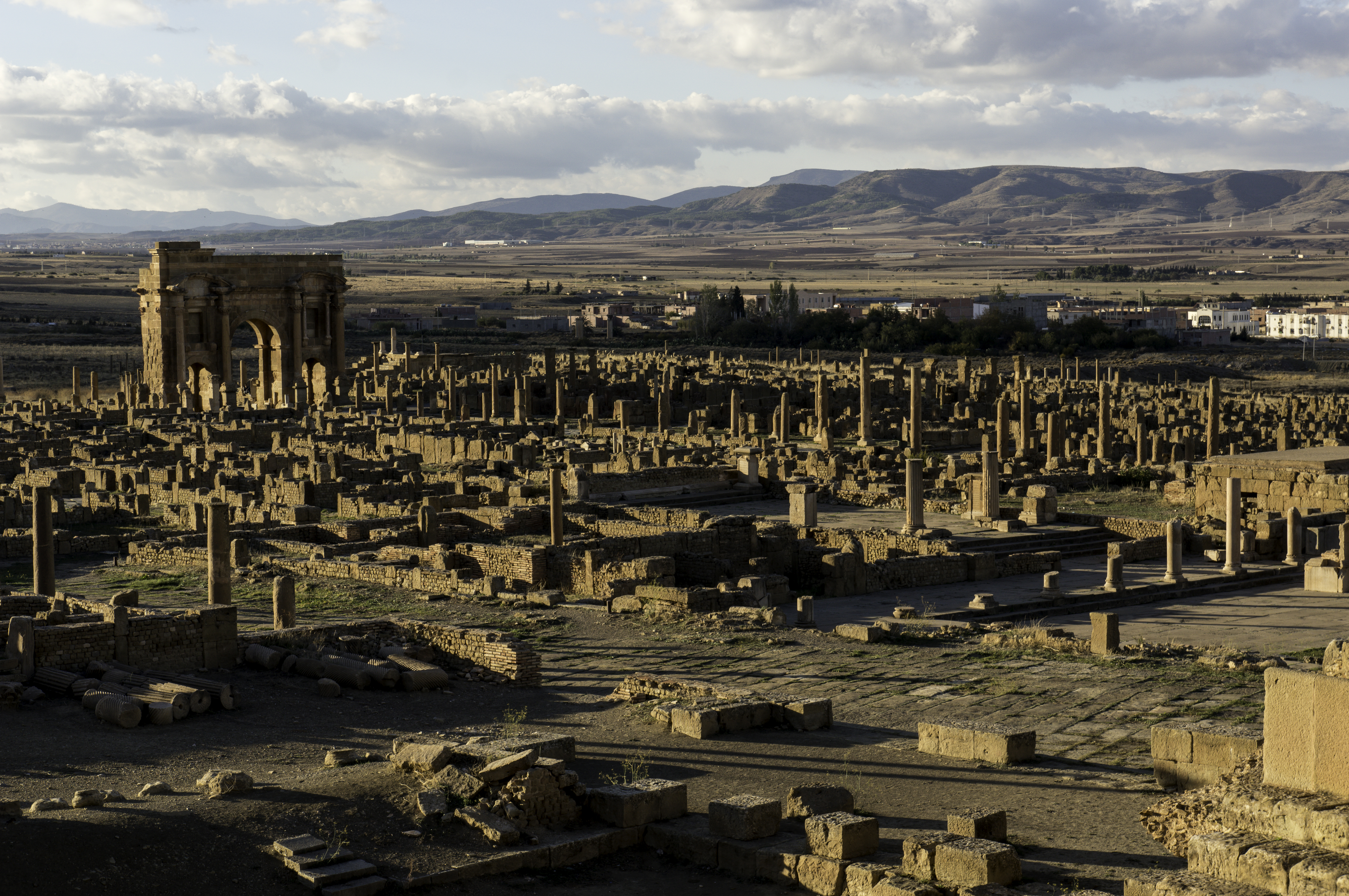
Timgad, also known as Marciana Traiana Thamugadi, was a Roman city founded in 100 CE by Emperor Trajan in modern-day Algeria. It stands out as an exceptional example of Roman urban planning with its orthogonal grid layout. Initially established as a military colony to counter the Berber tribes, Timgad flourished for several centuries, becoming a crucial center of Christian activity by the 3rd and 4th centuries. The city features significant archaeological structures such as a theatre, library, temples, and the notable triumphal Arch of Trajan. Despite being sacked by the Vandals and later rebuilt by the Byzantines, Timgad eventually fell into ruin by the 8th century. Today, its well-preserved ruins offer insights into Roman architecture and urban planning, making it a UNESCO World Heritage Site since 1982.
Gallery
Explore photographs of ancient structures, artifacts, and archaeological excavations
Historical Timeline
Journey through time and discover key events in this site's history
Foundation of Timgad
100 CE
Christian Activity Center
3rd century CE
Donatist Center
4th century CE
Sacked by Vandals
5th century CE
Rebuilt by Byzantines
539 CE
Final Ruin
8th century CE
Archaeological Features
Unique architectural and cultural elements found at this historical site
Defensive Structures
Public and Civic Structures
Religious and Ritual Structures
Artistic and Decorative Features
Domestic and Habitation Structures
Transportation and Communication Structures
Frequently Asked Questions
Plan Your Visit
Tours, travel arrangements, and practical information
More Sites in Algeria
Tabuda
Roman-Berber colonia with stone ruins
Cartennae
Ancient Carthaginian and Roman port in Algeria
Bagai
Roman-Berber city with religious structures
Calama (Numidia)
Ancient Roman colonia with Phoenician origins
Tiddis
Roman city with defensive and religious structures
Zuccabar
Ancient Roman colony in Algeria.