
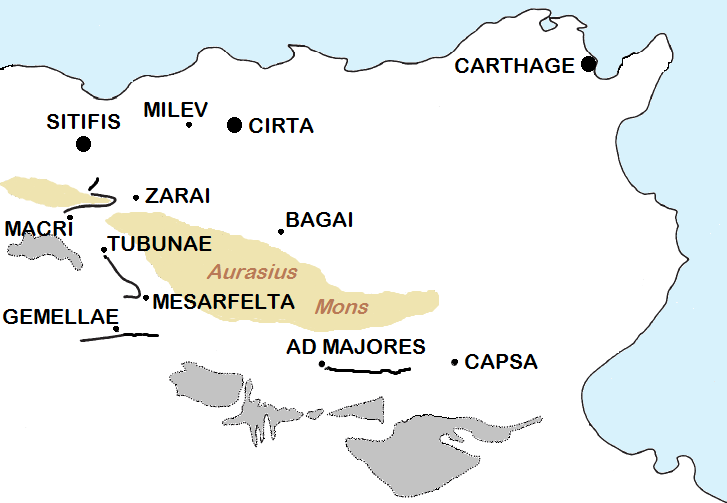
Explore the Map
Tobna
35.3485° N, 5.3458° E
About
Tobna, also known as Tubunae or Thubunae, was a significant city in the Hodna region of Algeria. It was a municipium under the Roman Empire, later evolving into an important Byzantine and Islamic stronghold. The city is marked by its extensive ruins, including a Byzantine fortress, defensive walls, and a mosque that was once a church. It served as a strategic military and commercial hub during different periods, notably under Roman, Byzantine, and Islamic control. The city’s prosperity dwindled following the Banu Hilal’s destructive invasion in the 11th century, leading to its eventual abandonment. Tobna's archaeology reveals a blend of cultural influences and historical significance, with remnants of its roads, irrigation systems, and diverse population contributing to our understanding of its past.
Gallery
Explore photographs of ancient structures, artifacts, and archaeological excavations
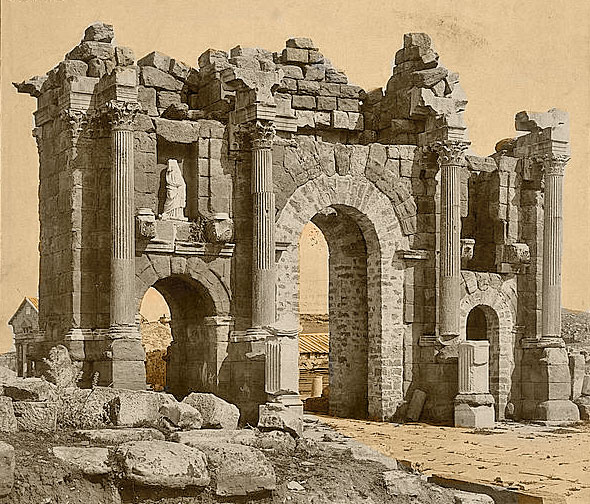
Historical Timeline
Journey through time and discover key events in this site's history
Roman Municipium Established
200 CE
Boniface and Augustine Meeting
427 CE
Byzantine Fortress Built
527-565 CE
Muslim Strategic Center
700 CE
Aghlabid Siege
906 CE
Banu Hilal Destruction
1050s CE
Archaeological Features
Unique architectural and cultural elements found at this historical site
Defensive Structures
Water Management Features
Burial and Funerary Structures
Religious and Ritual Structures
Domestic and Habitation Structures
Transportation and Communication Structures
Frequently Asked Questions
Plan Your Visit
Tours, travel arrangements, and practical information
More Sites in Algeria
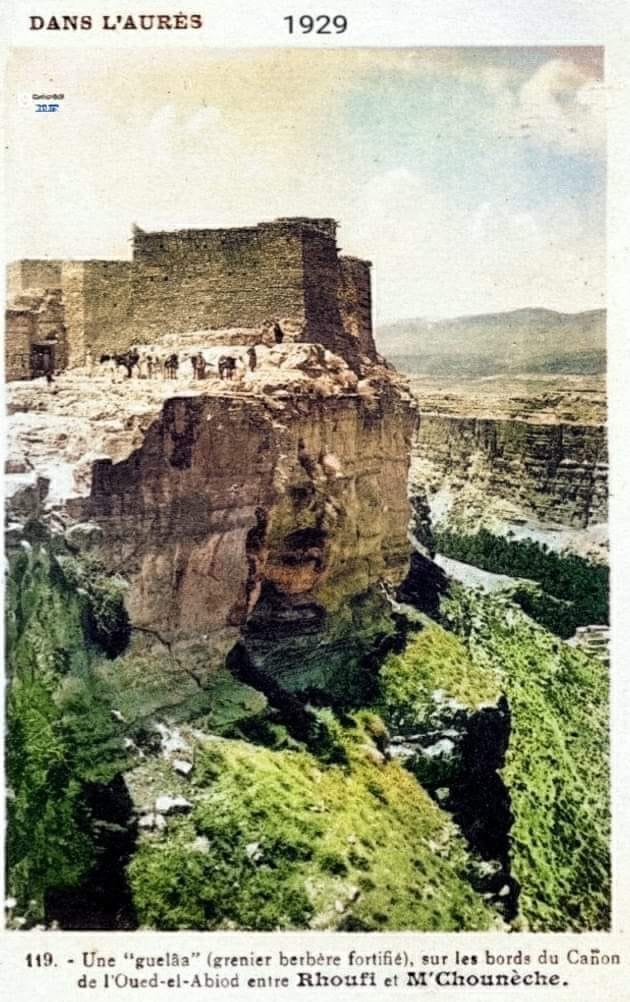
Fortified Granaries of Aures
Defensible stone granaries in Aures Mountains.
Cartennae
Ancient Carthaginian and Roman port in Algeria
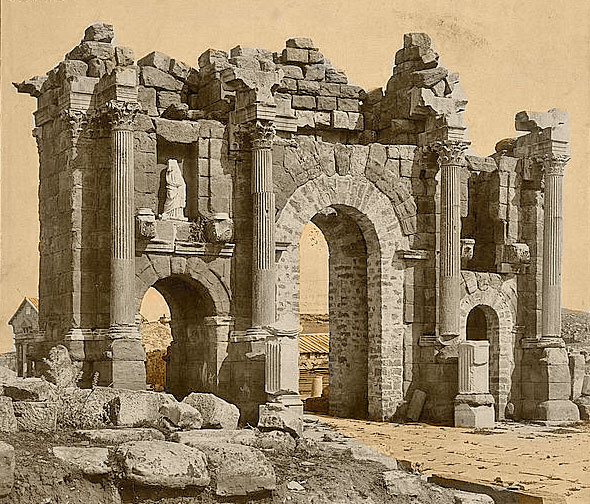
Timgad
Roman city with grid plan ruins
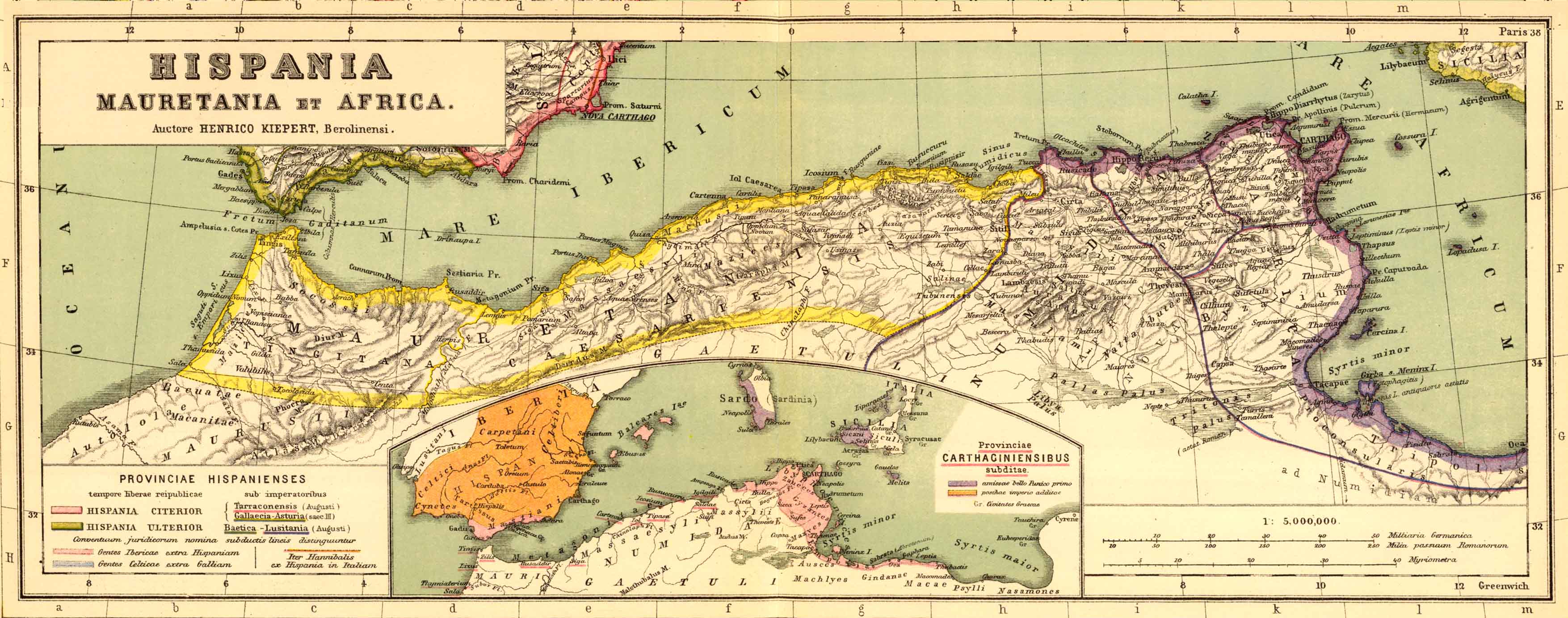
Zuccabar
Ancient Roman colony in Algeria.
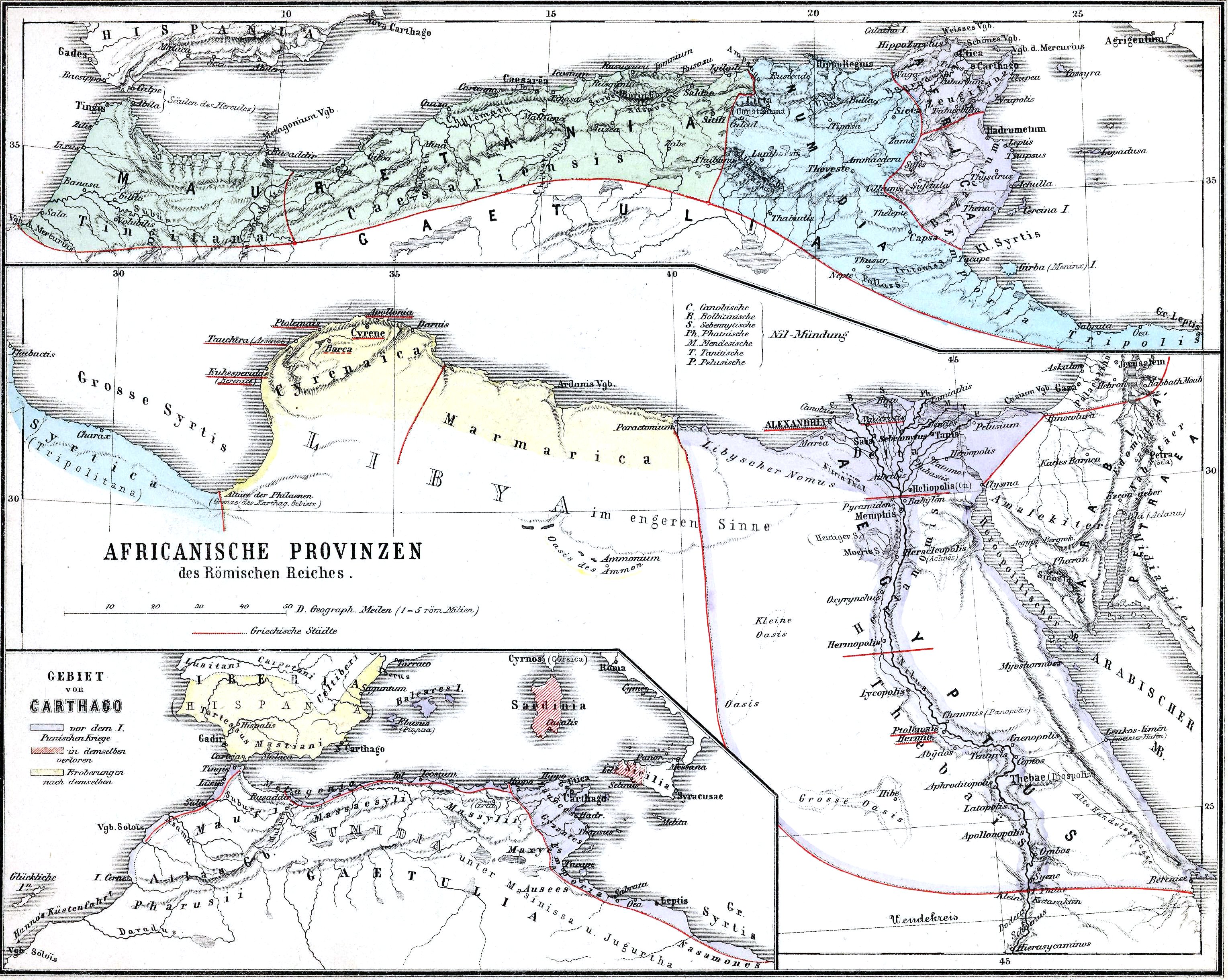
Tabuda
Roman-Berber colonia with stone ruins
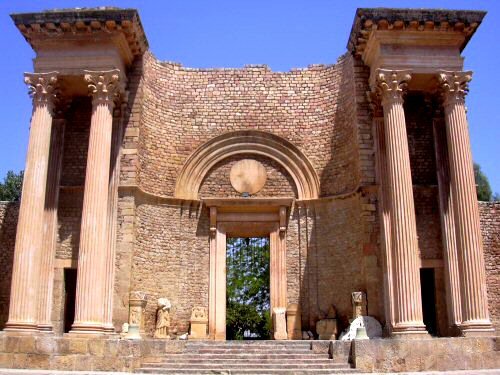
Calama (Numidia)
Ancient Roman colonia with Phoenician origins