Time Periods
Paleolithic
Mesolithic
Neolithic
Chalcolithic
Bronze Age
Iron Age
Classical Period
Post-Classical Period
Early Modern Period
Industrial Period
Contemporary Period
Time Periods
Paleolithic
Mesolithic
Neolithic
Chalcolithic
Bronze Age
Iron Age
Classical Period
Post-Classical Period
Early Modern Period
Industrial Period
Contemporary Period
Location
About
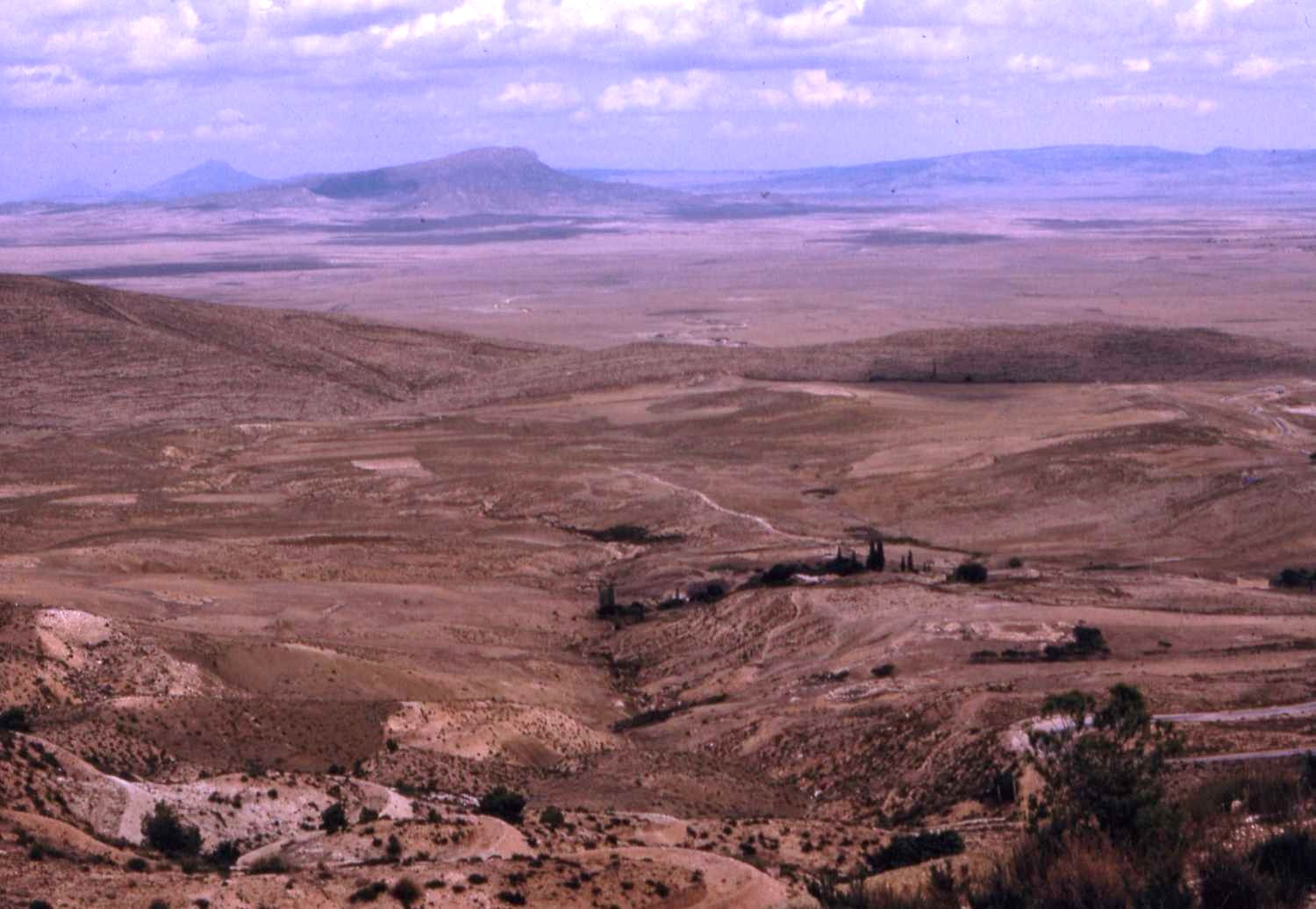
Negrine, located in north-eastern Algeria, was historically significant as the site of the ancient settlement Casae Nigrae. It thrived during the Roman era as part of the province of Numidia, hosting a prominent bishopric and being the birthplace of Donatus Magnus, a key figure in the Donatist Church. Archaeologically, the site reveals layers of history dating back to the Capsian culture, characterized by snail shells and ostrich egg engravings. Roman ruins dot the landscape, indicating a well-established settlement that served as a religious and administrative center until the Muslim conquest in the 7th century CE. Today, it reflects the rich tapestry of cultural transitions from prehistoric times through Roman, Byzantine, and Islamic influences, offering insights into the region's dynamic historical trajectory.
Gallery
Explore photographs of ancient structures, artifacts, and archaeological excavations at Negrine
Archaeological Features
Explore the unique architectural and cultural elements found at this historical site
Religious and Ritual Structures
Artistic and Decorative Features
Domestic and Habitation Structures
Environmental and Natural Features
Historical Timeline
Journey through time and discover key events in this site's archaeological history
Plan Your Visit
Details
- Country
- Algeria
- Source
- Wikipedia
More Sites in Algeria
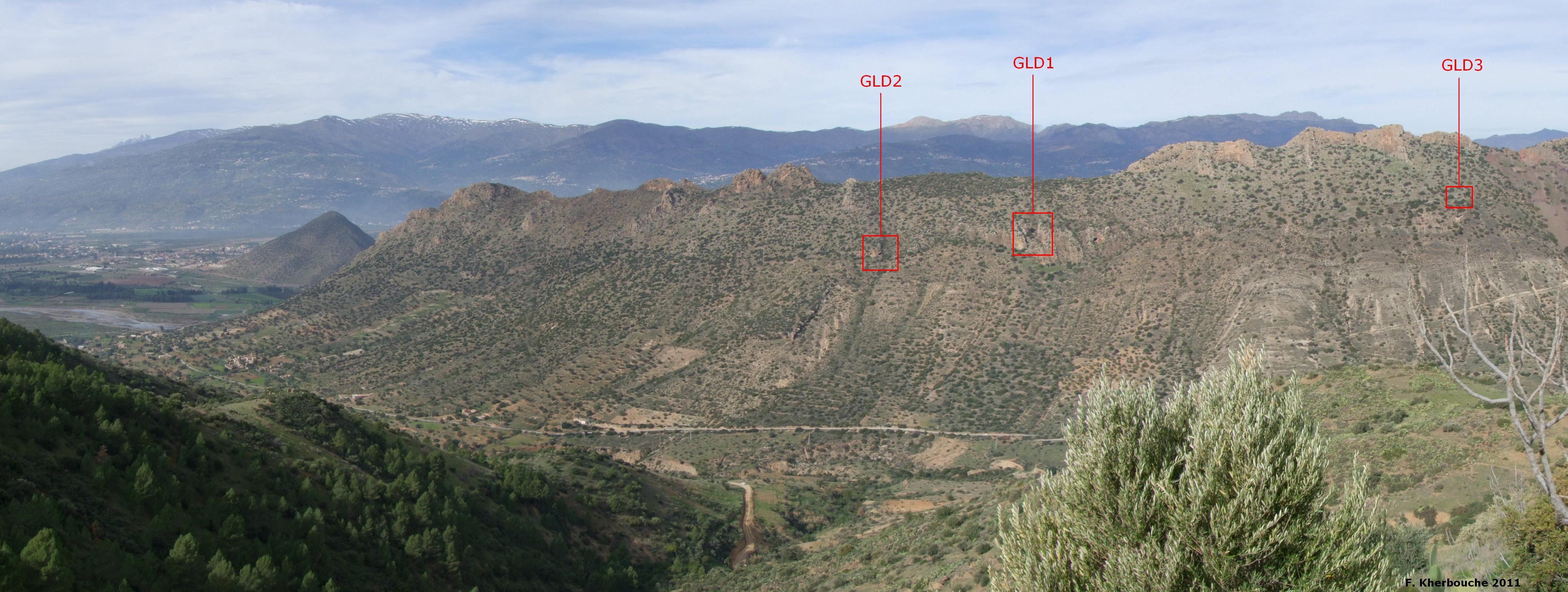
Gueldaman caves
Prehistoric karst caves with Neolithic artifacts
Gunugus
Ancient Berber and Roman town in Algeria
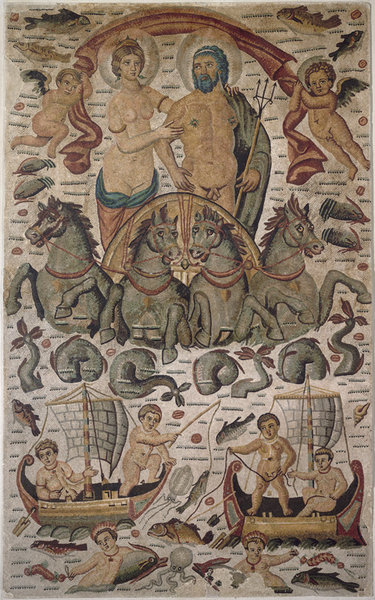
Cirta
Ancient Berber, Punic, Roman settlement
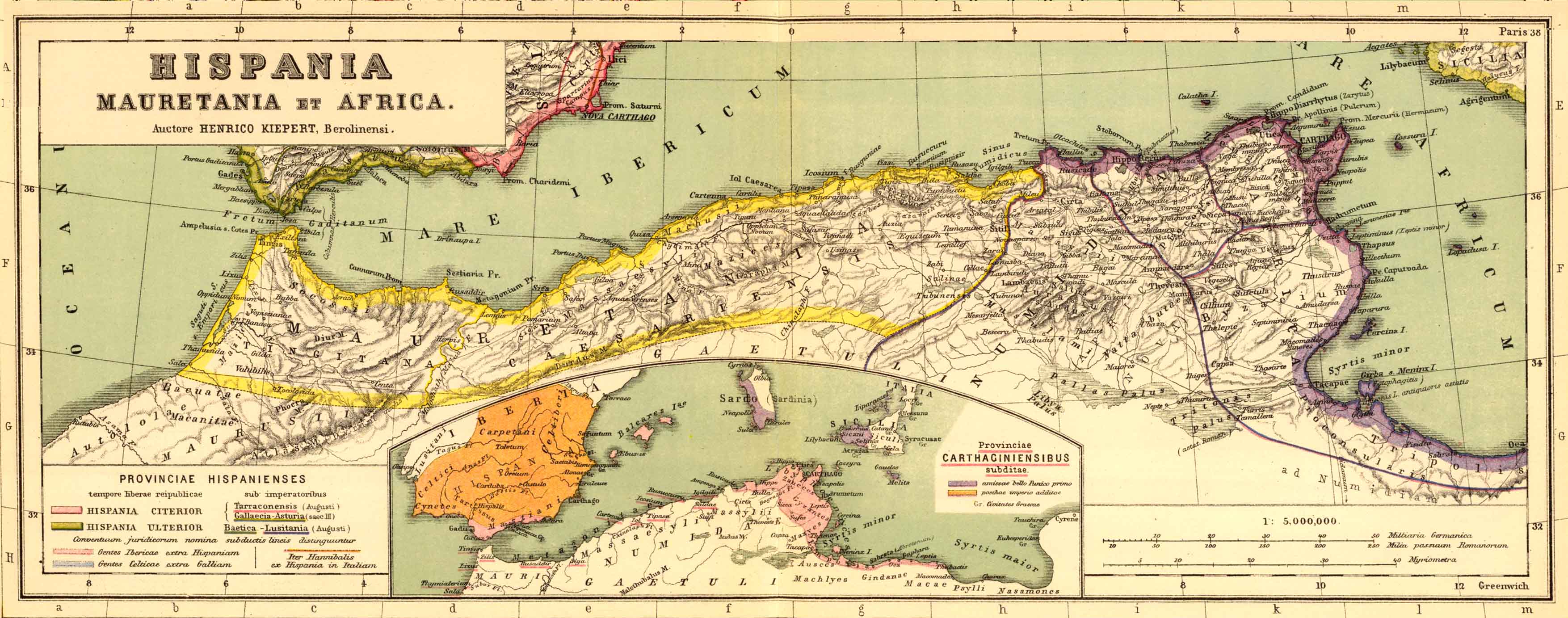
Zuccabar
Ancient Roman colony in Algeria.
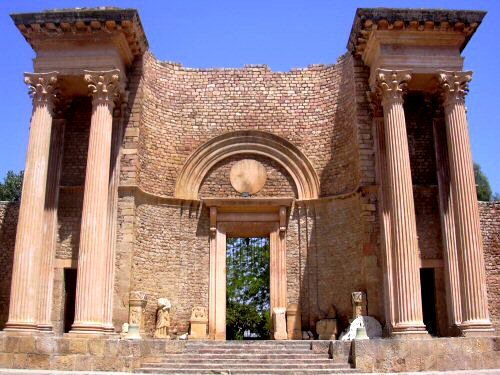
Calama (Numidia)
Ancient Roman colonia with Phoenician origins
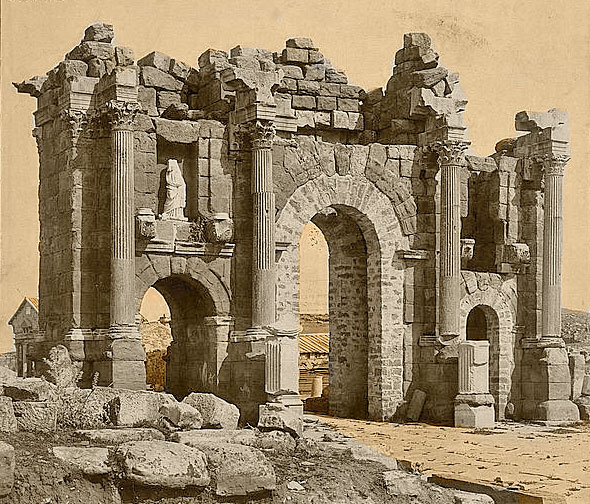
Saldae
Ancient Roman port city with significant ruins