
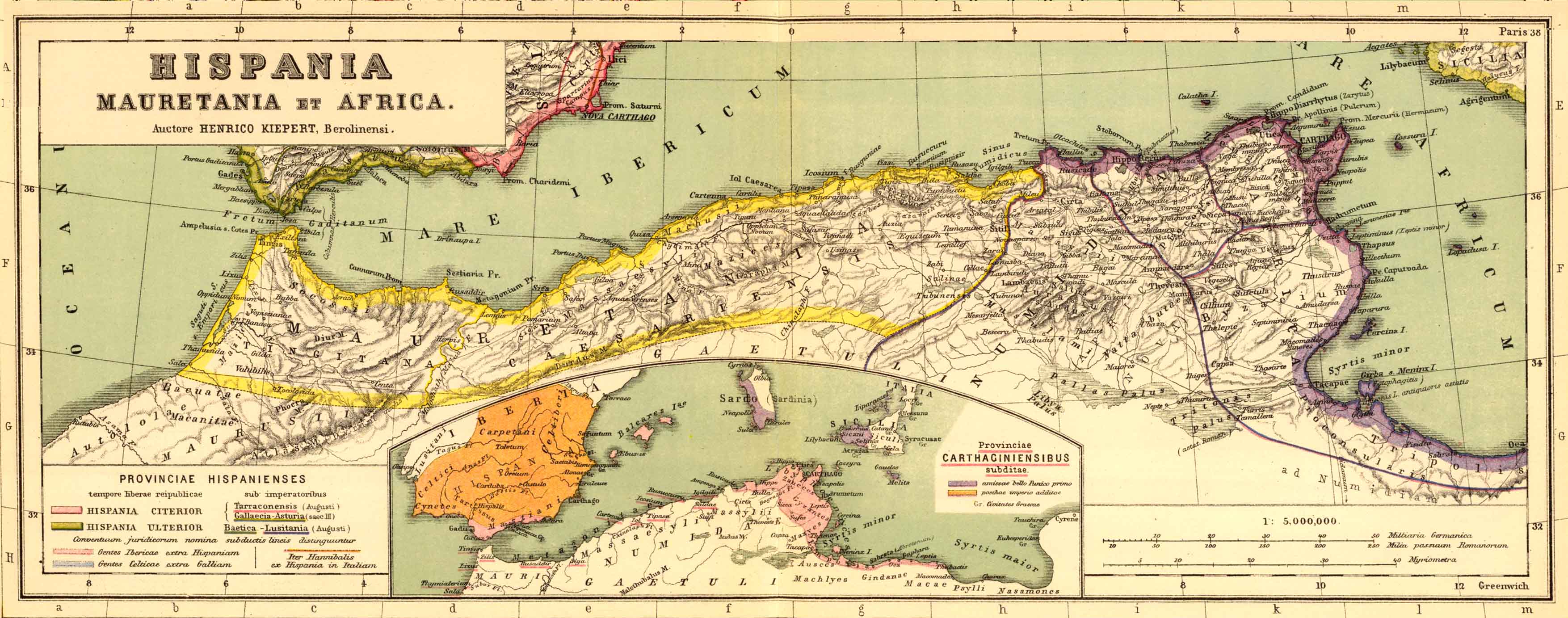
Explore the Map
Zuccabar
36.2658° N, 2.2972° E
About
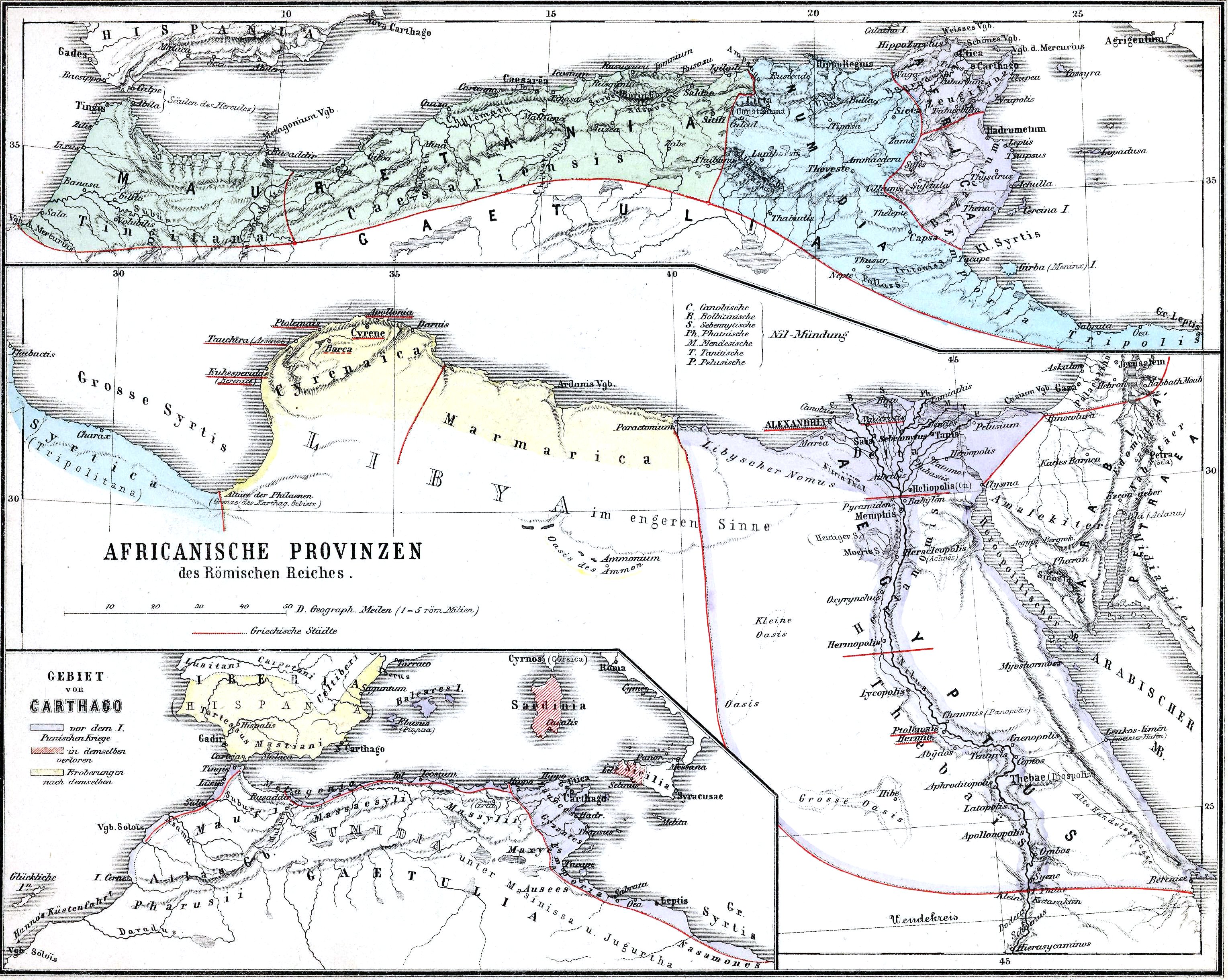
Zuccabar, known today as Miliana in Algeria, was an ancient town of significant historical and archaeological interest. Established as a Roman colony under Emperor Augustus, it was known as Colonia Iulia Augusta Zucchabar. Geographically positioned in the Roman province of Mauretania Caesariensis, it was strategically located 70 km south of Caesarea, with a population largely comprising Romanized Berbers. In the 4th century CE, Zuccabar became an episcopal see, emphasizing its religious significance during late antiquity. The town's historical narrative continued into the 10th century CE when it was refounded as Miliana by Buluggin ibn Ziri. The site reflects a blend of Roman urban planning and later Christian ecclesiastical influence, offering valuable insights into the cultural and historical transitions from Roman to Islamic governance in North Africa.
Gallery
Explore photographs of ancient structures, artifacts, and archaeological excavations
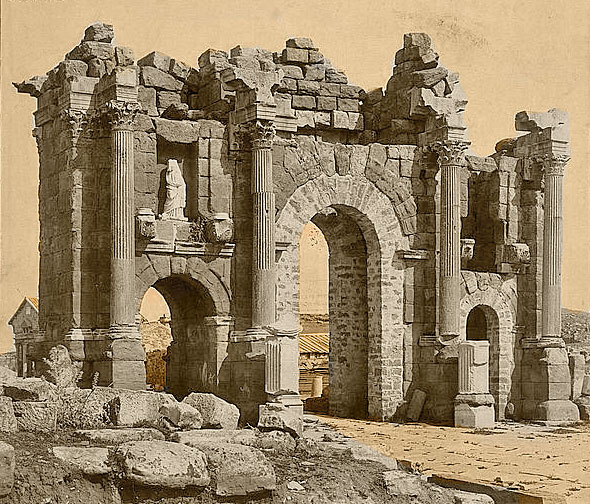
Historical Timeline
Journey through time and discover key events in this site's history
Miliana refounded
By Buluggin ibn Ziri
Roman colony establishment
Under Emperor Augustus
Christian episcopal see
4th century CE
Archaeological Features
Unique architectural and cultural elements found at this historical site
Public and Civic Structures
Religious and Ritual Structures
Domestic and Habitation Structures
Frequently Asked Questions
Plan Your Visit
Tours, travel arrangements, and practical information
Recommended Tours

More Sites in Algeria
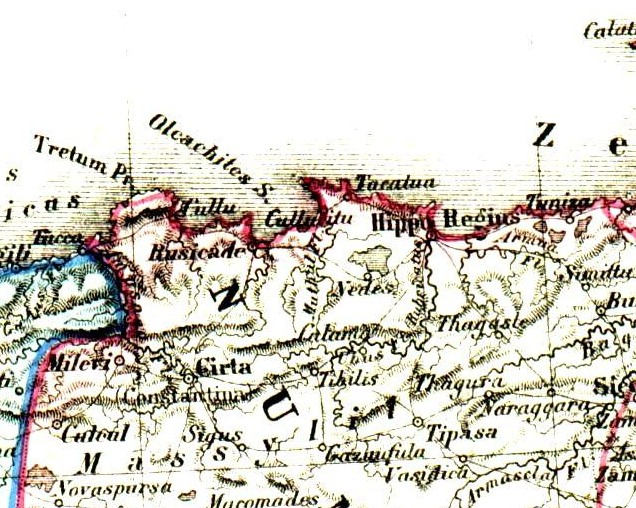
Thagaste
Roman-Berber city in northeastern Algeria
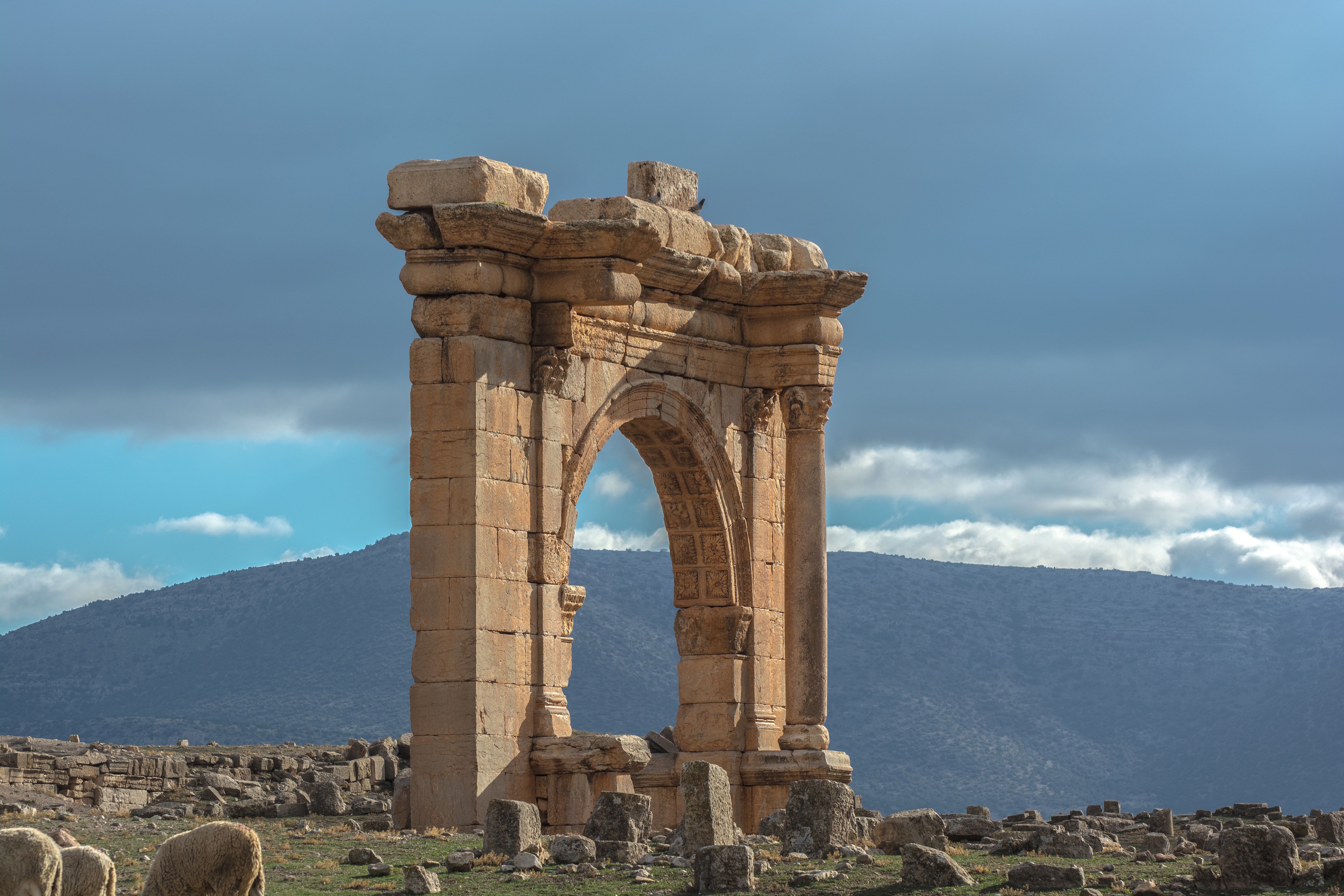
Diana Veteranorum
Ancient Roman-Berber city with Roman structures
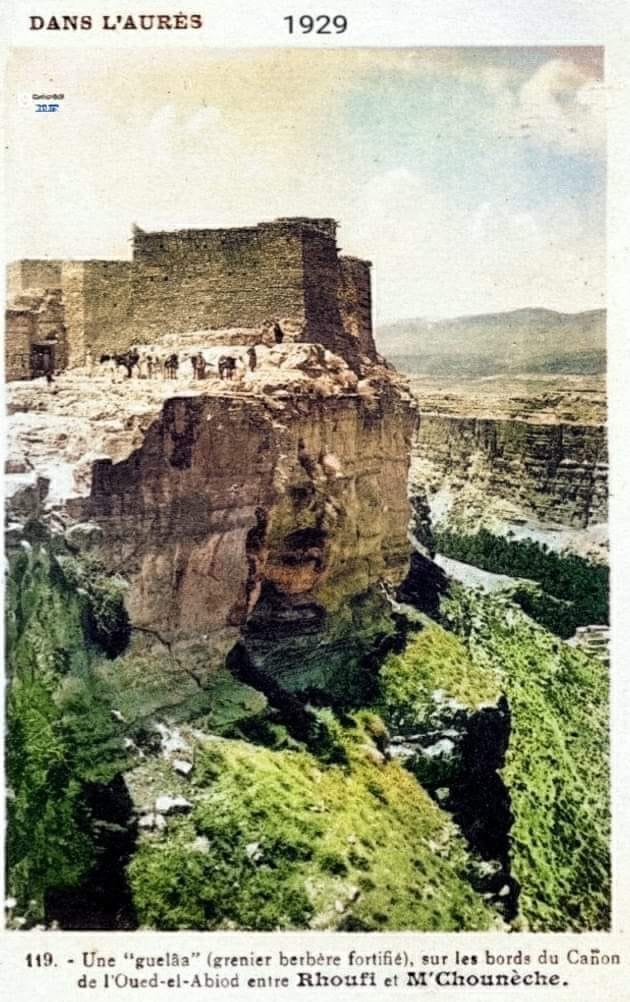
Fortified Granaries of Aures
Defensible stone granaries in Aures Mountains.
Tabuda
Roman-Berber colonia with stone ruins
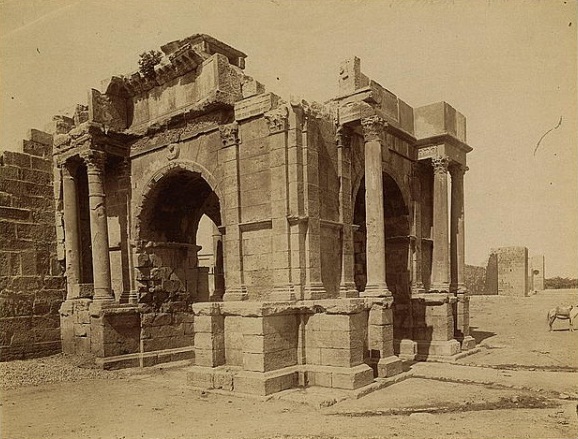
Theveste
Roman colony with significant ancient monuments.
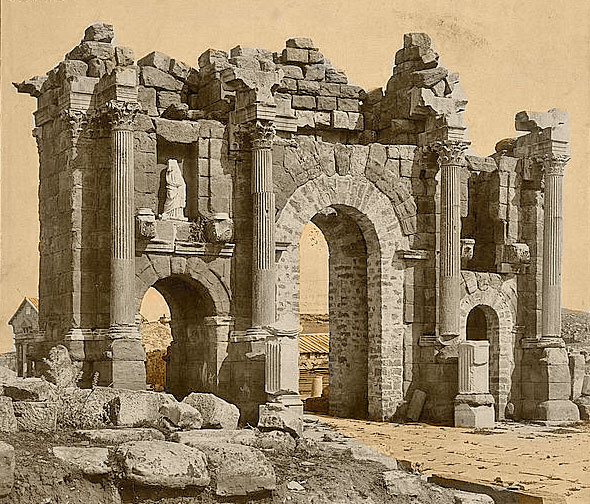
Timgad
Roman city with grid plan ruins