
Explore the Map
Cirta
36.3675° N, 6.6119° E
About
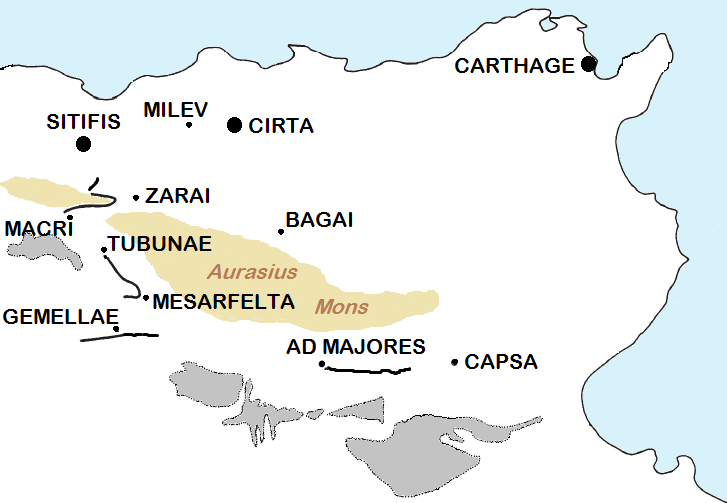
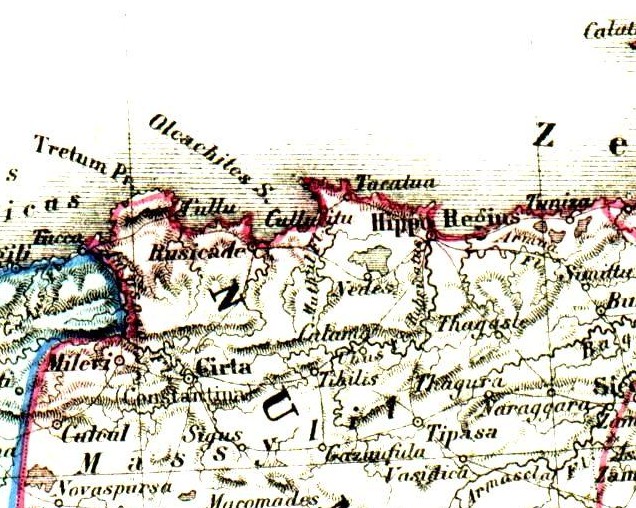
Cirta, now known as Constantine in Algeria, was a significant ancient city with a rich history of Berber, Punic, and Roman influences. As the capital of the Berber kingdom of Numidia, it played a crucial role in the region's political and military affairs. The city experienced various phases of occupation and prominence, being a pivotal site during the Punic Wars and later falling under Roman control in 46 BCE. Rebuilt by Constantine the Great in 312 CE, Cirta became an essential center for Roman administration in Africa. The archaeological remains include Punic inscriptions known as the Cirta steles, along with structures like defensive walls, churches, and administrative buildings, reflecting its historical significance and complex cultural layers.
Gallery
Explore photographs of ancient structures, artifacts, and archaeological excavations
Historical Timeline
Journey through time and discover key events in this site's history
203 BCE Battle of Cirta
203 BCE
118 BCE Civil War
118 BCE
46 BCE Roman Rule
46 BCE
303 CE Numidia Cirtense Province
303 CE
310 CE Constantine Rebuilds
312 CE
412 CE Second Council of Cirta
412 CE
Archaeological Features
Unique architectural and cultural elements found at this historical site
Defensive Structures
Public and Civic Structures
Religious and Ritual Structures
Artistic and Decorative Features
Domestic and Habitation Structures
Frequently Asked Questions
Plan Your Visit
Tours, travel arrangements, and practical information
More Sites in Algeria
Cartennae
Ancient Carthaginian and Roman port in Algeria
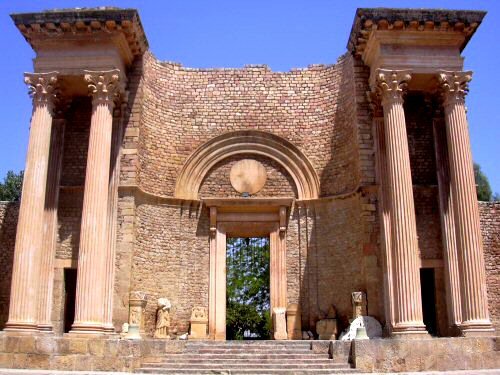
Calama (Numidia)
Ancient Roman colonia with Phoenician origins
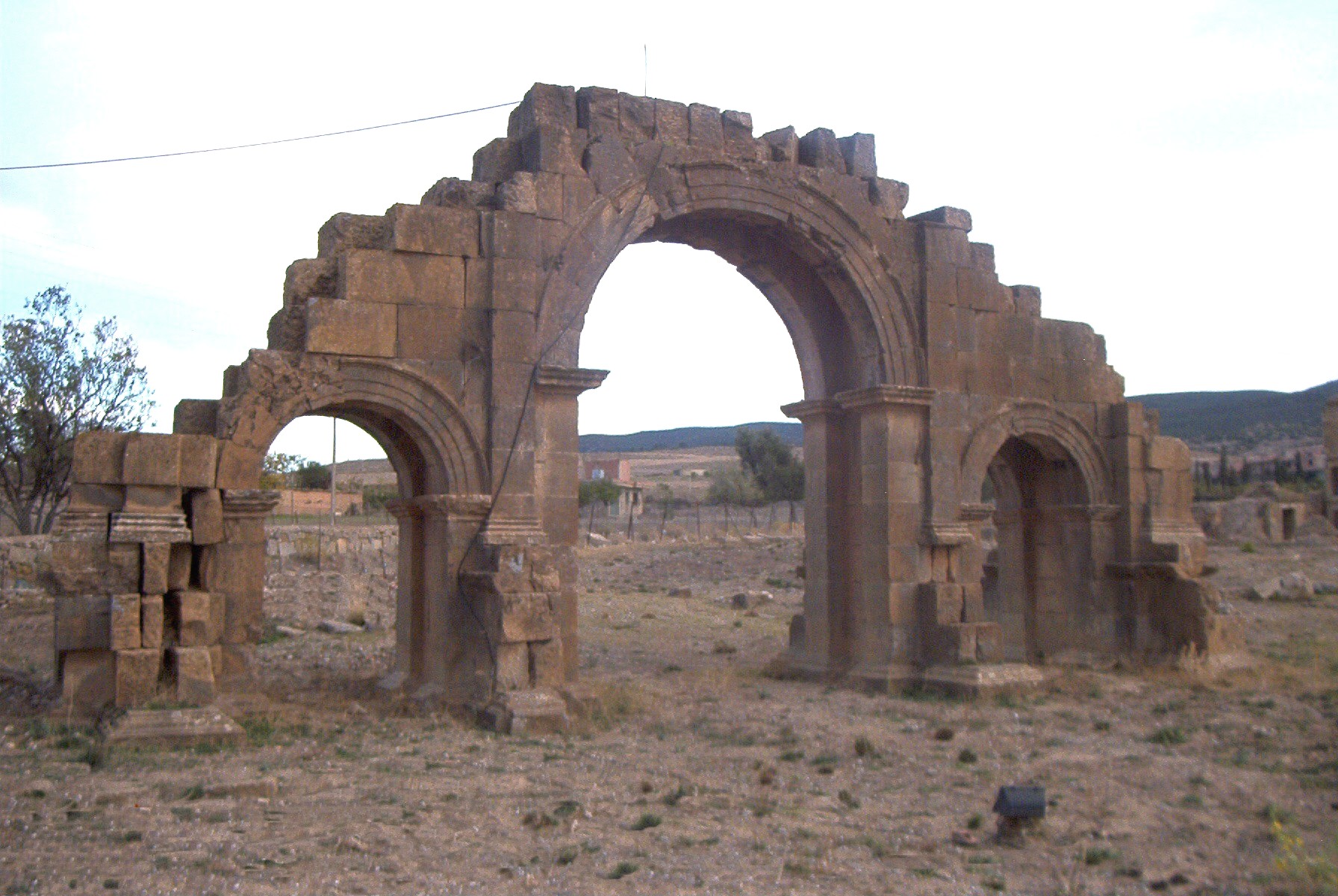
Lambaesis
Roman military camp with temples and arches
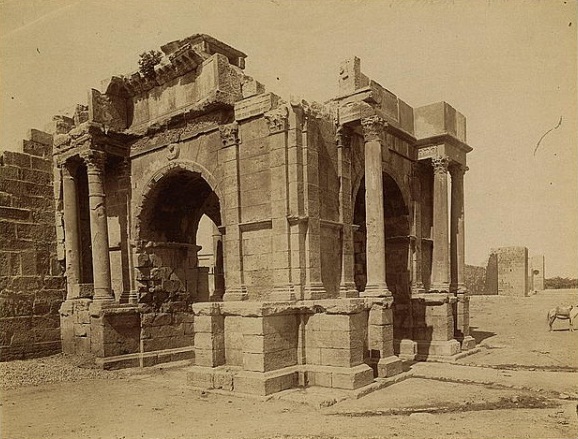
Theveste
Roman colony with significant ancient monuments.
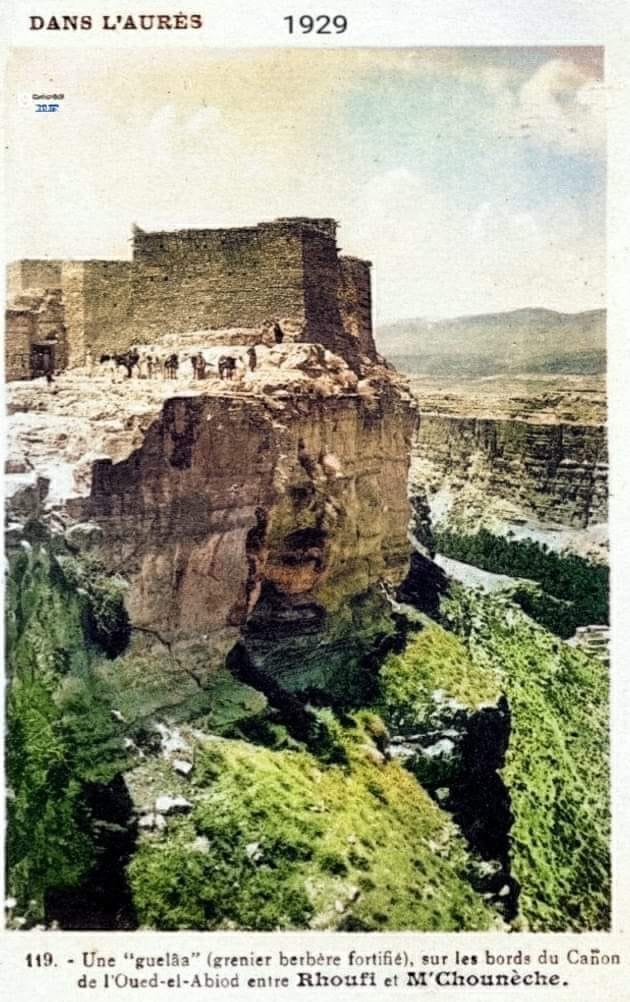
Fortified Granaries of Aures
Defensible stone granaries in Aures Mountains.
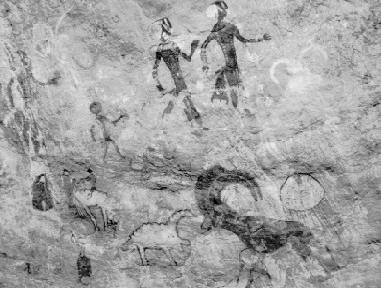
Tassili n'Ajjer
Prehistoric rock art on Sahara plateau