Explore the Map
Rusazus
36.9000° N, 4.4167° E
About
Rusazus, located near Cape Corbelin in Algeria, was an important Phoenician, Carthaginian, and Roman town. Known in Phoenician as RŠZ, it played a significant role in the maritime trade routes between the Strait of Gibraltar and Phoenicia. The site includes remains from various periods, including a necropolis, temples, and Roman-era baths. Initially established as a Phoenician colony, it later came under Carthaginian control in the 6th century BCE. It was later Romanized, becoming a colony under Augustus and part of Mauretania Caesariensis. Throughout history, Rusazus was part of several empires, including the Vandal Kingdom and the Byzantine Empire, before being overtaken by the Umayyad Caliphate in the 7th century CE. The archaeological significance of Rusazus lies in its diverse cultural layers and its role in ancient trade and politics.
Gallery
Explore photographs of ancient structures, artifacts, and archaeological excavations
Historical Timeline
Journey through time and discover key events in this site's history
Carthaginian control
6th century BCE
Phoenician colony established
6th century BCE
Roman colony establishment
27 BCE
Part of Mauretania Caesariensis
44 CE
Under Vandal Kingdom
5th century CE
Byzantine reconquest
6th century CE
Umayyad conquest
7th century CE
Archaeological Features
Unique architectural and cultural elements found at this historical site
Defensive Structures
Water Management Features
Burial and Funerary Structures
Religious and Ritual Structures
Frequently Asked Questions
Plan Your Visit
Tours, travel arrangements, and practical information
More Sites in Algeria
Cartennae
Ancient Carthaginian and Roman port in Algeria
Calama (Numidia)
Ancient Roman colonia with Phoenician origins
Tabuda
Roman-Berber colonia with stone ruins
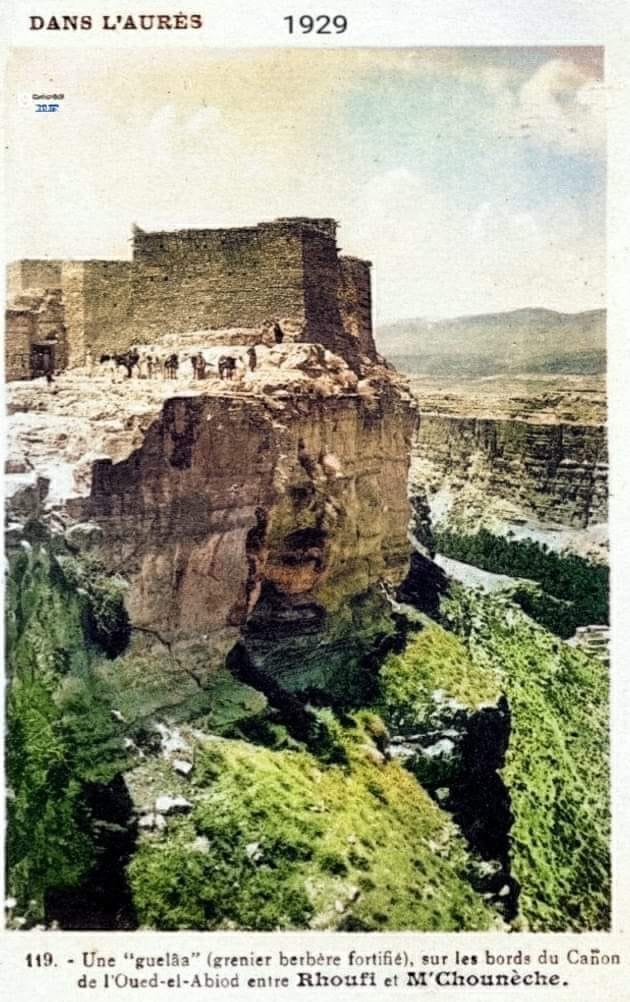
Fortified Granaries of Aures
Defensible stone granaries in Aures Mountains.
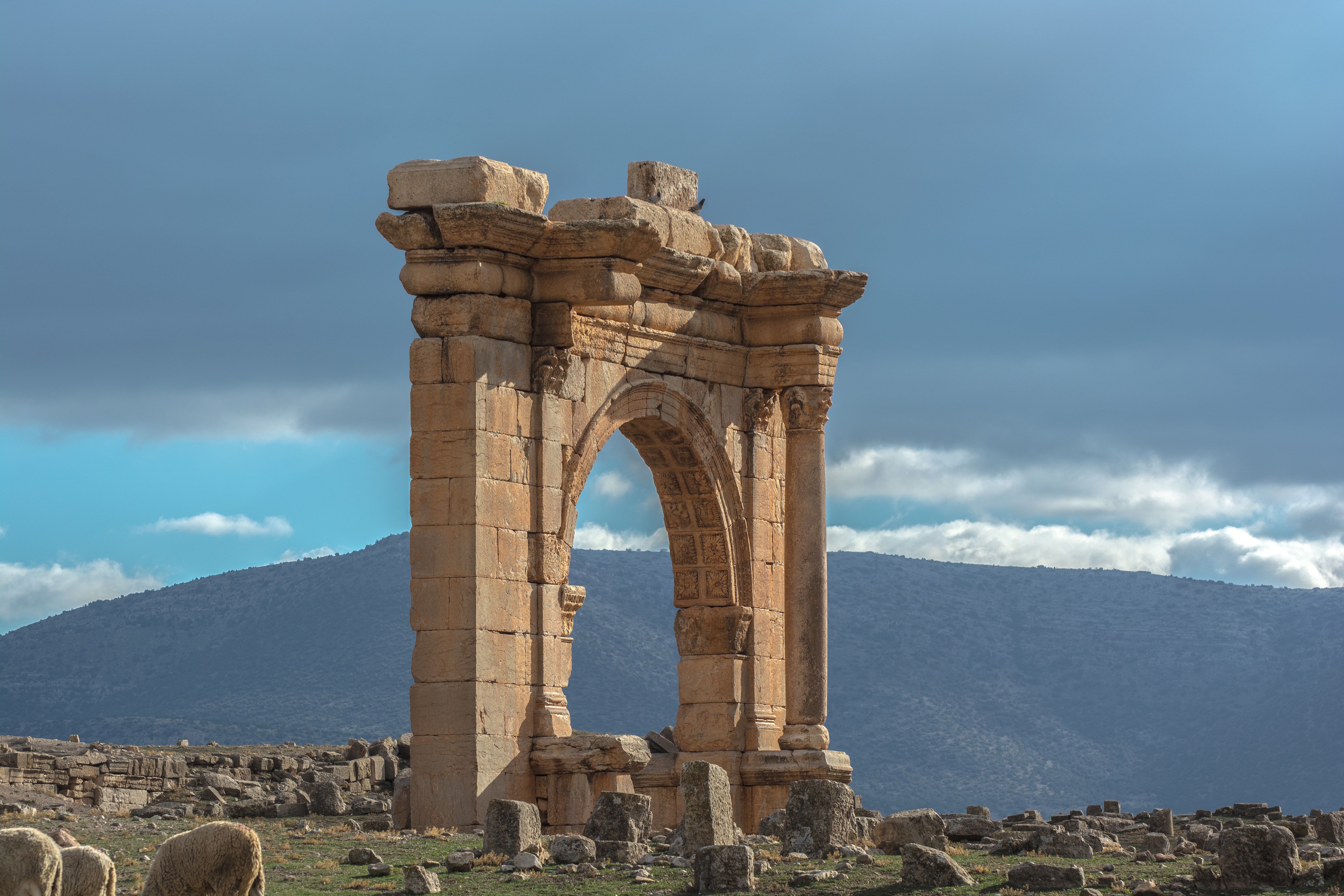
Diana Veteranorum
Ancient Roman-Berber city with Roman structures
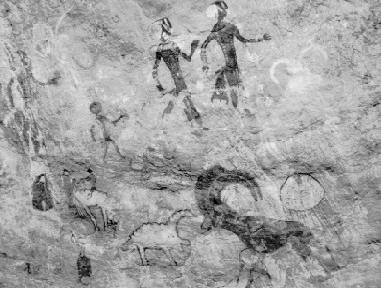
Tassili n'Ajjer
Prehistoric rock art on Sahara plateau