
Explore the Map
Igilgili
36.8167° N, 5.7667° E
About
Igilgili, located in present-day Jijel, Algeria, was an ancient settlement with a rich blend of cultural influences, including Berber, Phoenician, Carthaginian, Roman, Byzantine, and Islamic. Originally a Carthaginian colony, the site became a notable Roman settlement post-Punic Wars, flourishing as a trading hub with significant infrastructure such as aqueducts, roads, and defensive walls. It experienced substantial growth during the Roman period, with a population reaching 6,000. Christianity spread widely here by the fourth century CE. Despite Vandal destruction in 429 CE, the Byzantines later restored the city in 533 CE. The Islamic conquest in the 7th century marked a significant cultural shift, with the city becoming part of the Umayyad Caliphate. Igilgili's archaeological significance lies in its diverse historical phases and well-preserved artifacts, including mosaics and sculptures.
Gallery
Explore photographs of ancient structures, artifacts, and archaeological excavations
Historical Timeline
Journey through time and discover key events in this site's history
Roman Conquest and Rule
33 BCE
Christianization of Igilgili
not specified
Founding as Carthaginian Colony
not specified
Byzantine Recovery
533 CE
Umayyad Conquest
698 CE
Archaeological Features
Unique architectural and cultural elements found at this historical site
Defensive Structures
Water Management Features
Public and Civic Structures
Religious and Ritual Structures
Artistic and Decorative Features
Domestic and Habitation Structures
Transportation and Communication Structures
Frequently Asked Questions
Plan Your Visit
Tours, travel arrangements, and practical information
More Sites in Algeria
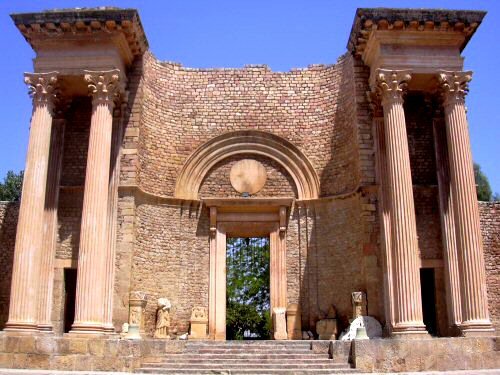
Calama (Numidia)
Ancient Roman colonia with Phoenician origins
Cartennae
Ancient Carthaginian and Roman port in Algeria
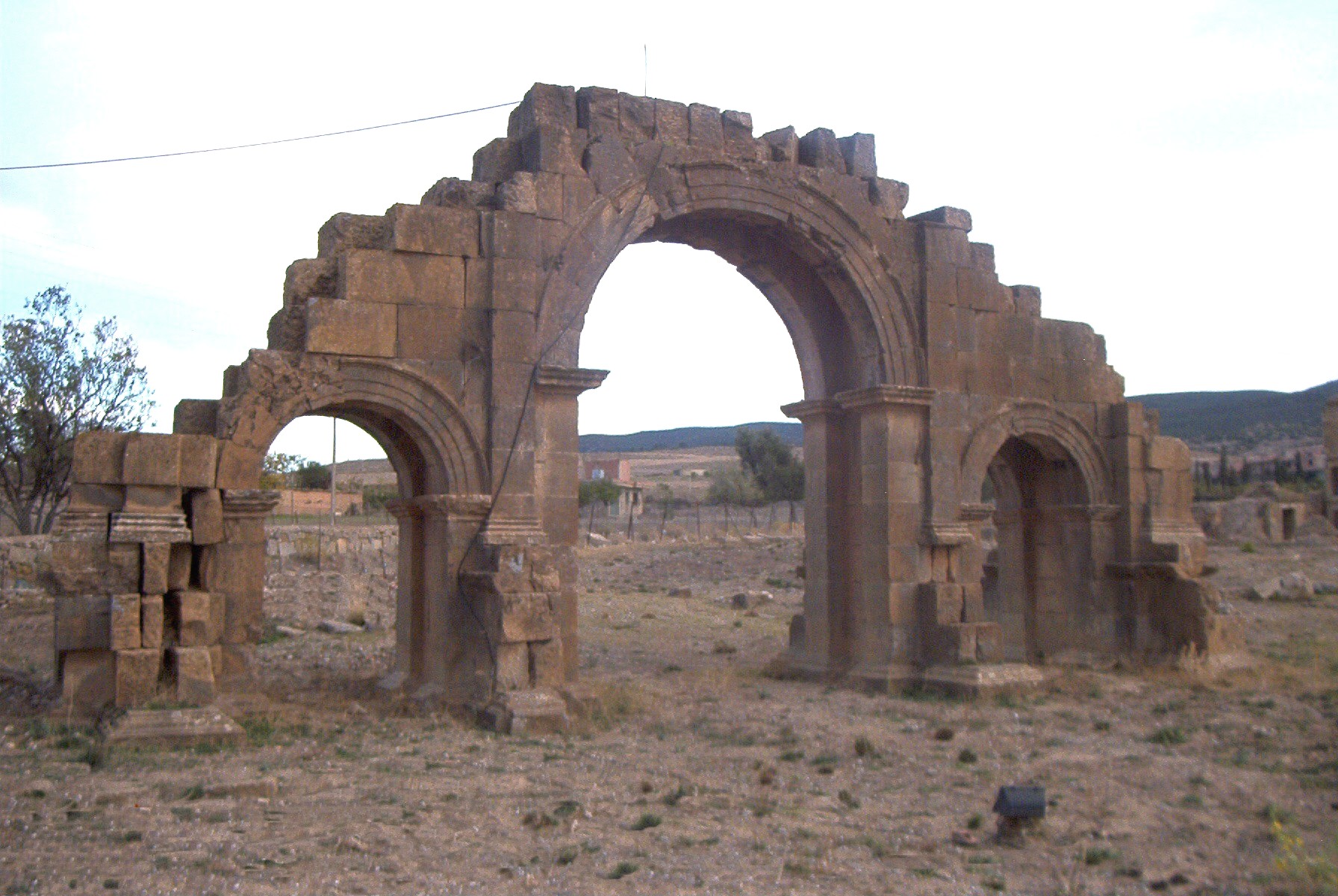
Lambaesis
Roman military camp with temples and arches
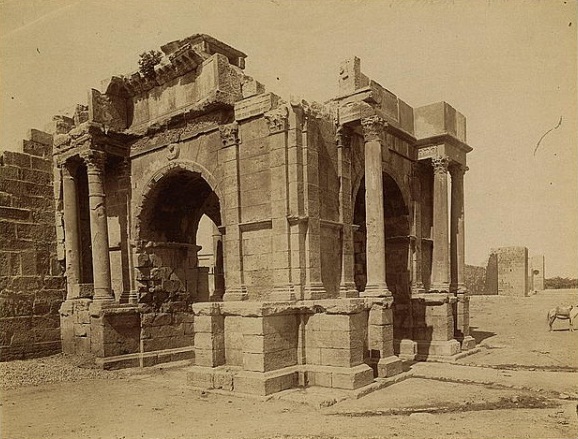
Theveste
Roman colony with significant ancient monuments.
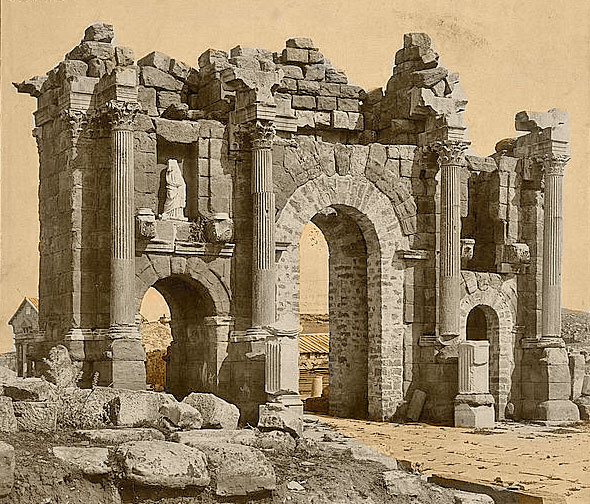
Timgad
Roman city with grid plan ruins
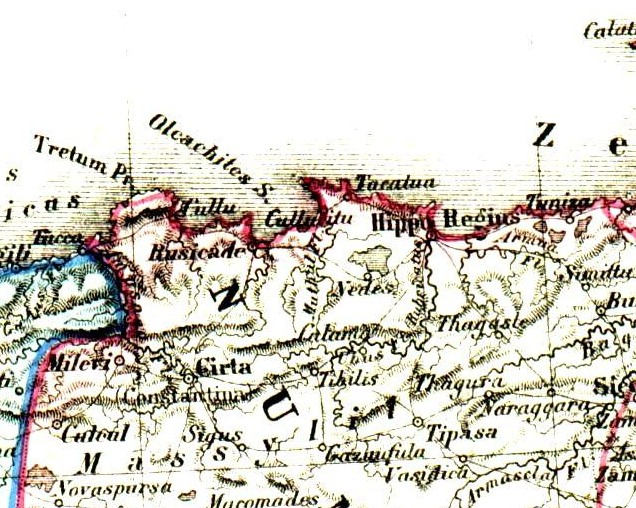
Thagaste
Roman-Berber city in northeastern Algeria