
Explore the Map
Calama (Numidia)
36.4673° N, 7.4301° E
About
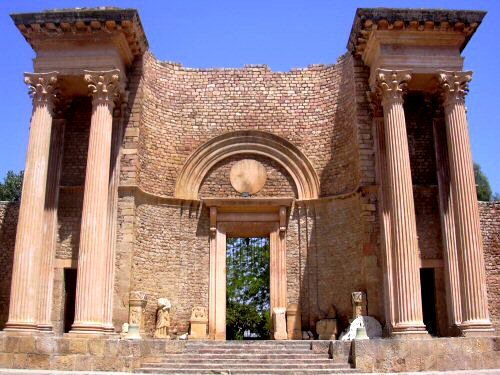
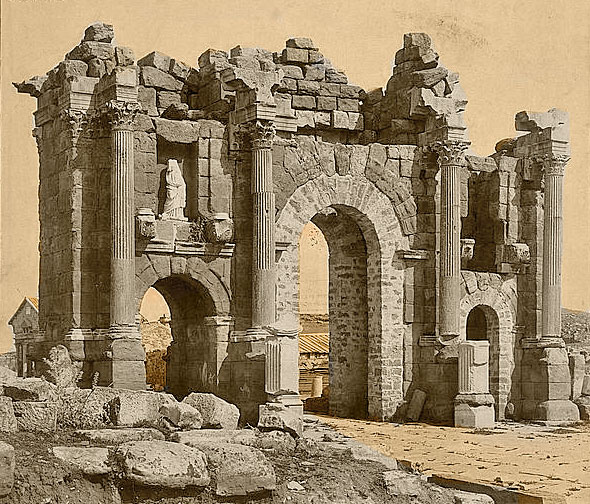
Calama, located in present-day Guelma, Algeria, was an ancient city with origins as a Phoenician settlement known as Malaka. It later became a significant Roman colonia within the province of Numidia. The city was notable for its twin magistracy governance inspired by Punic traditions, and at its height, featured impressive public structures like thermae and a large theatre, reflecting its prosperity under Roman rule. Calama served as a vital granary for Rome and was associated with prominent figures such as Vibia Aurelia Sabina. It became a Christian bishopric before facing partial destruction by the Vandals in the 5th century. The Byzantine Empire later fortified the city, building a fortress under General Solomon. With the spread of Islam, Calama's prominence waned, and it eventually disappeared around the 11th century. Today, it remains significant for its archaeological and historical heritage.
Gallery
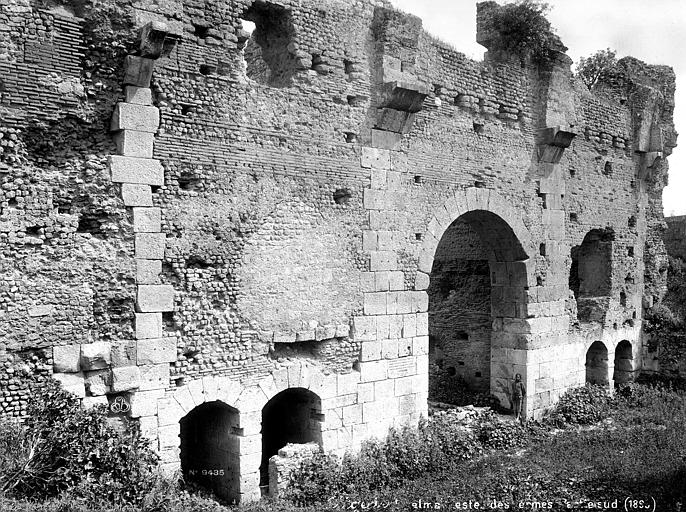
Explore photographs of ancient structures, artifacts, and archaeological excavations
Historical Timeline
Journey through time and discover key events in this site's history
Phoenician founding
Unspecified
Roman municipium status
Unspecified
Islamic influence and decline
Unspecified
Colonia and prosperity
198-199 CE
Vandal invasion
429 CE
Byzantine fortress construction
539-554 CE
Archaeological Features
Unique architectural and cultural elements found at this historical site
Storage Structures
Defensive Structures
Public and Civic Structures
Religious and Ritual Structures
Domestic and Habitation Structures
Frequently Asked Questions
Plan Your Visit
Tours, travel arrangements, and practical information
More Sites in Algeria
Cartennae
Ancient Carthaginian and Roman port in Algeria
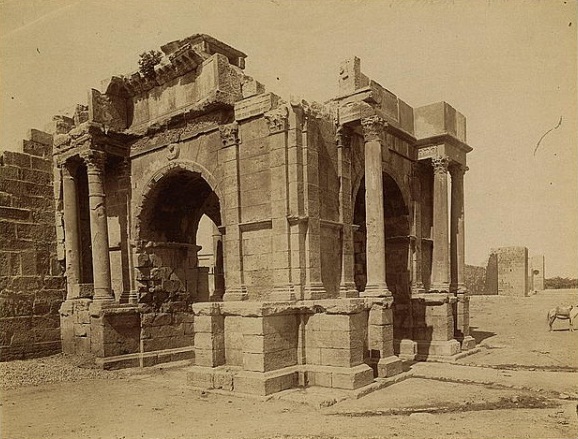
Theveste
Roman colony with significant ancient monuments.
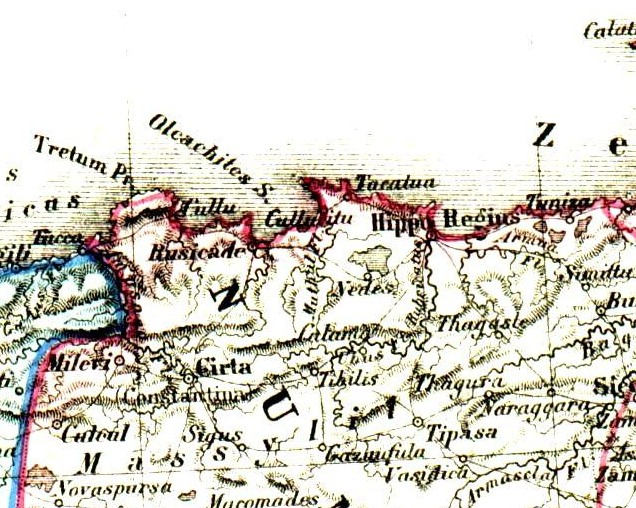
Thagaste
Roman-Berber city in northeastern Algeria
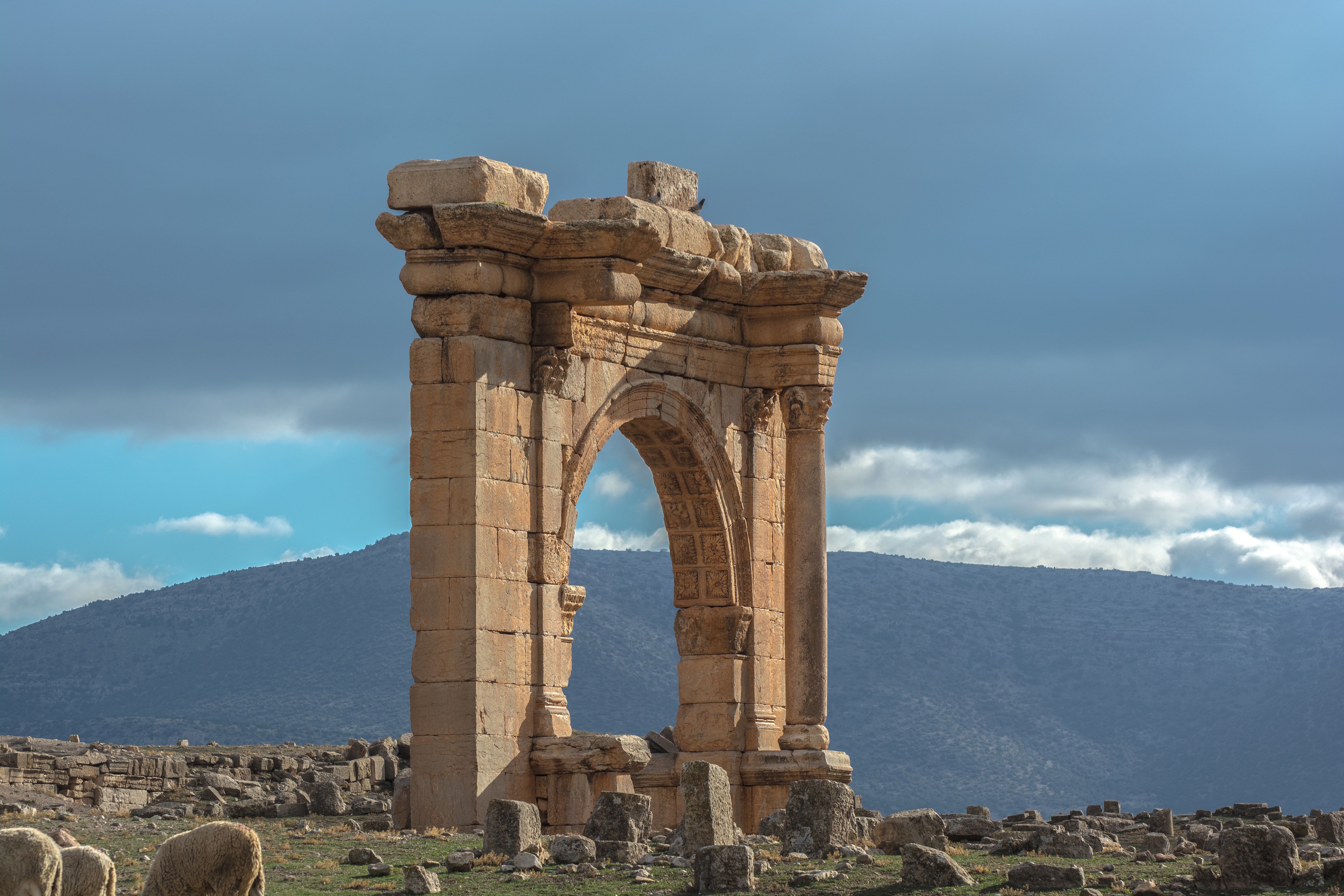
Diana Veteranorum
Ancient Roman-Berber city with Roman structures
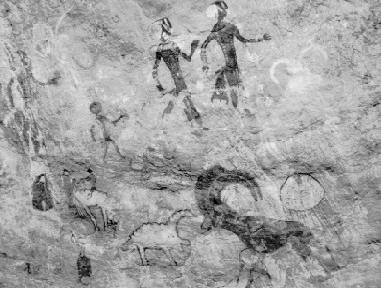
Tassili n'Ajjer
Prehistoric rock art on Sahara plateau
Tiddis
Roman city with defensive and religious structures