
Explore the Map
Tipasa
36.5919° N, 2.4494° E
About
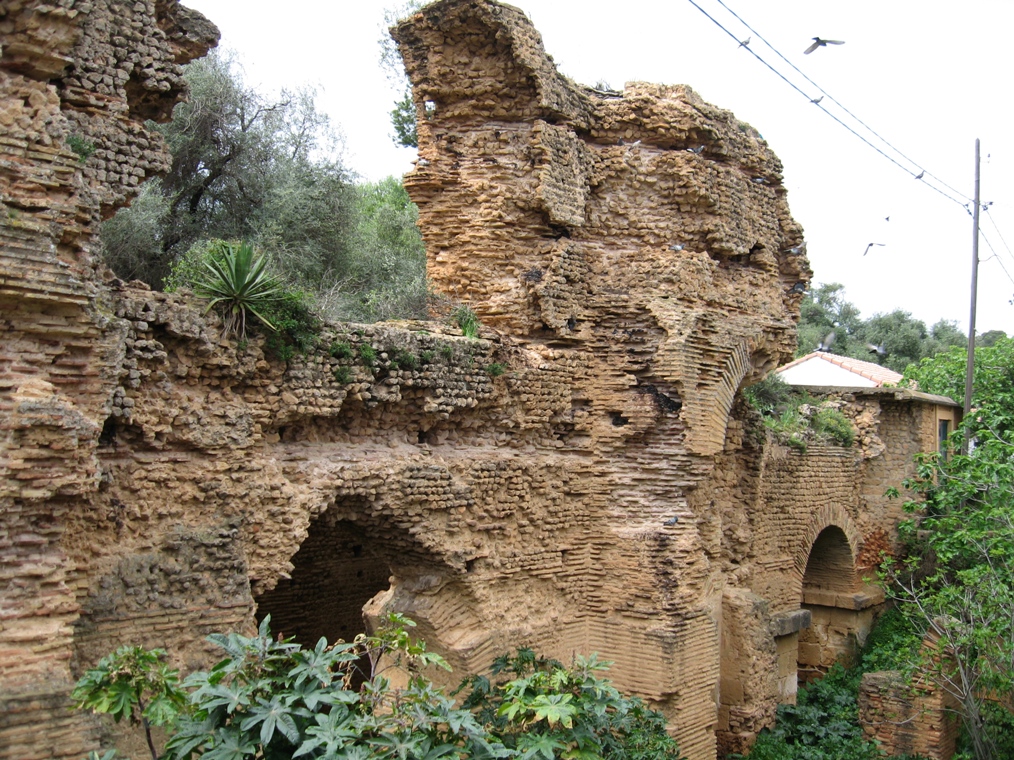
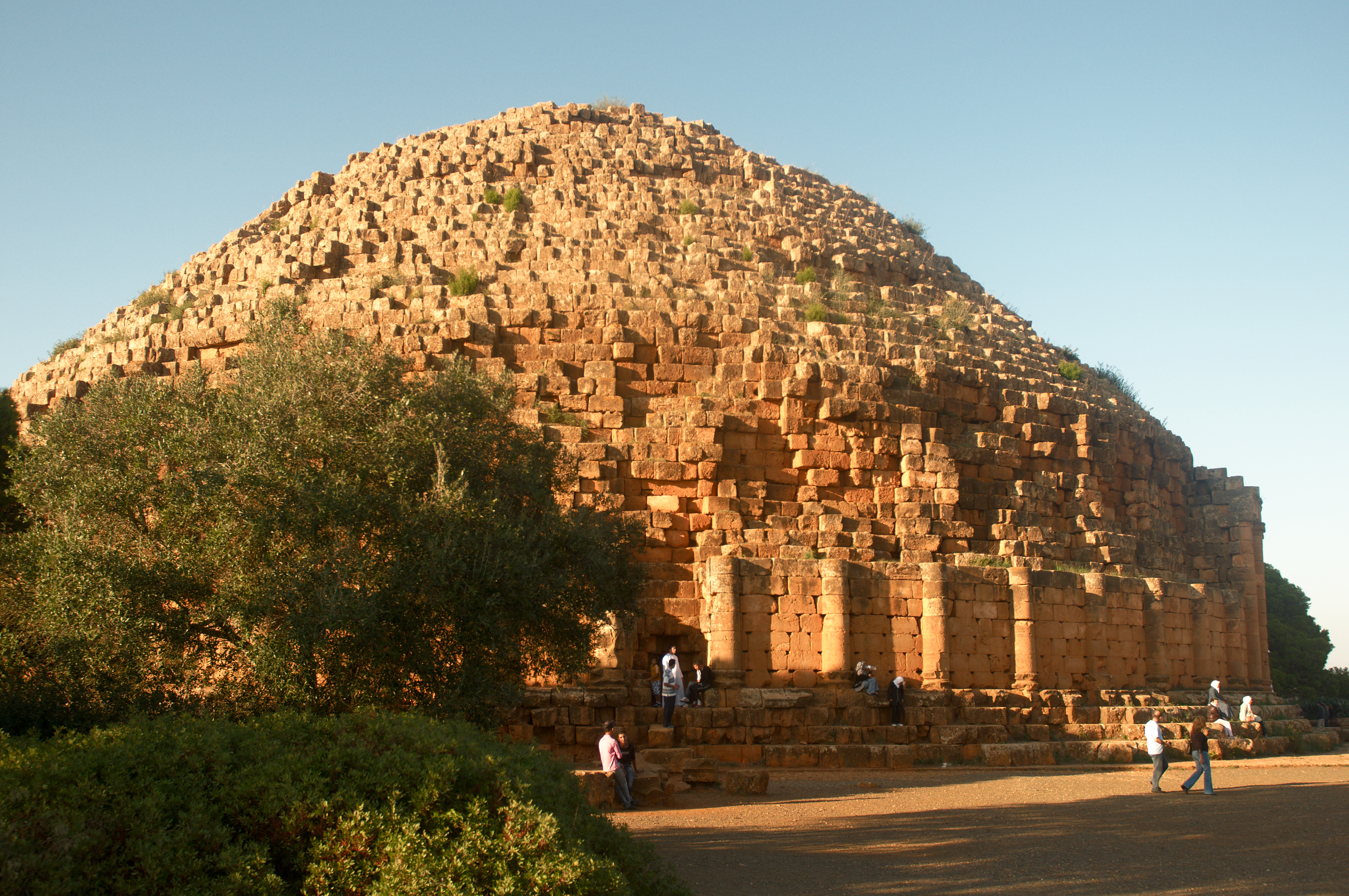
Tipasa, located in modern-day Algeria, is a significant archaeological site that evolved from a small Punic trading post into a thriving Roman colony known as Colonia Aelia Augusta Tipasensium. As a Roman colony, it housed a population of 20,000 in the 4th century and was strategically important due to its harbor and defensive ramparts. The site is renowned for its Christian heritage, with several basilicas and a rich collection of mosaics. It became an episcopal see in the 3rd century, and Christianity significantly influenced its cultural landscape. Tipasa was later conquered by the Vandals and briefly revived under Byzantine rule before its eventual destruction by the Arabs. Today, its ruins, including churches, cemeteries, public baths, and theaters, offer a glimpse into the complex history and cultural significance of this coastal city.
Gallery
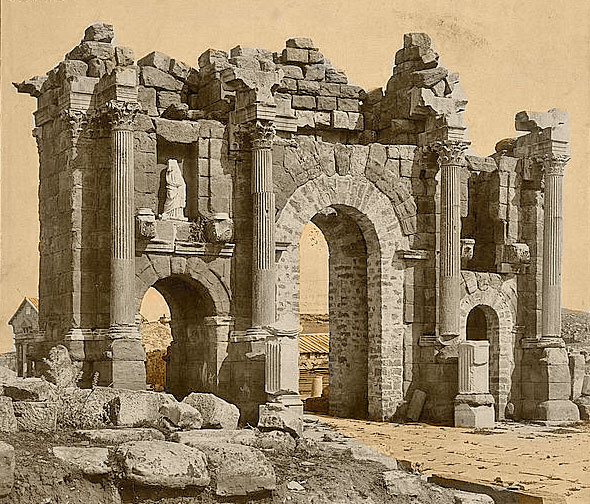
Explore photographs of ancient structures, artifacts, and archaeological excavations
Historical Timeline
Journey through time and discover key events in this site's history
Punic trading post
1st millennium BCE
Roman conquest
41-54 CE
Christianity introduction
238 CE
Firmus assault
372 CE
Vandal conquest
429 CE
Byzantine reconstruction
6th century CE
Arab destruction
7th century CE
Archaeological Features
Unique architectural and cultural elements found at this historical site
Defensive Structures
Water Management Features
Public and Civic Structures
Burial and Funerary Structures
Religious and Ritual Structures
Artistic and Decorative Features
Domestic and Habitation Structures
Frequently Asked Questions
Plan Your Visit
Tours, travel arrangements, and practical information
Recommended Tours

More Sites in Algeria
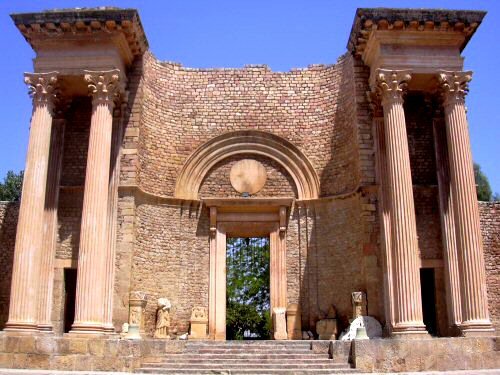
Calama (Numidia)
Ancient Roman colonia with Phoenician origins
Cartennae
Ancient Carthaginian and Roman port in Algeria
Rusubbicari
Phoenician, Carthaginian, and Roman settlement ruins.
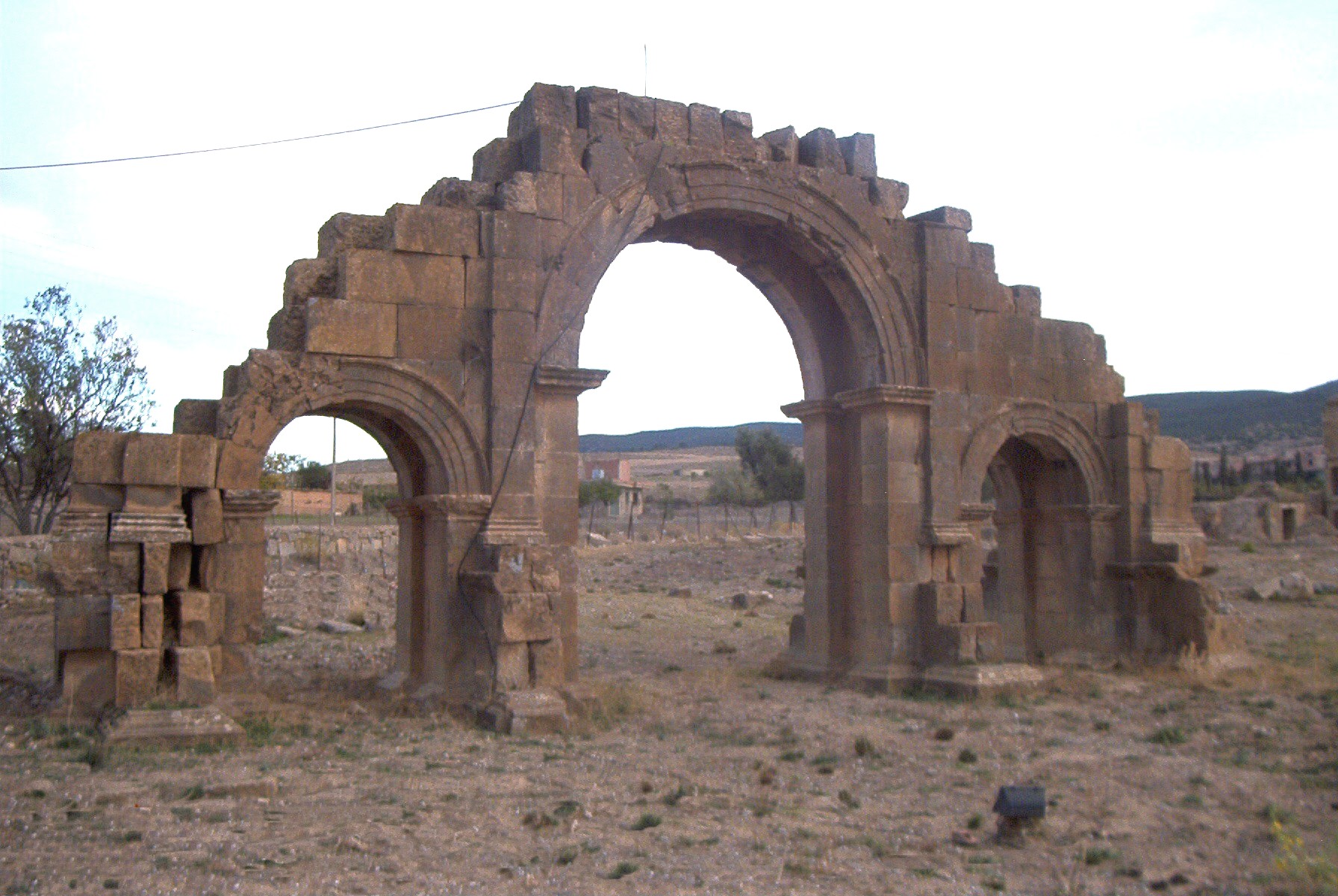
Lambaesis
Roman military camp with temples and arches
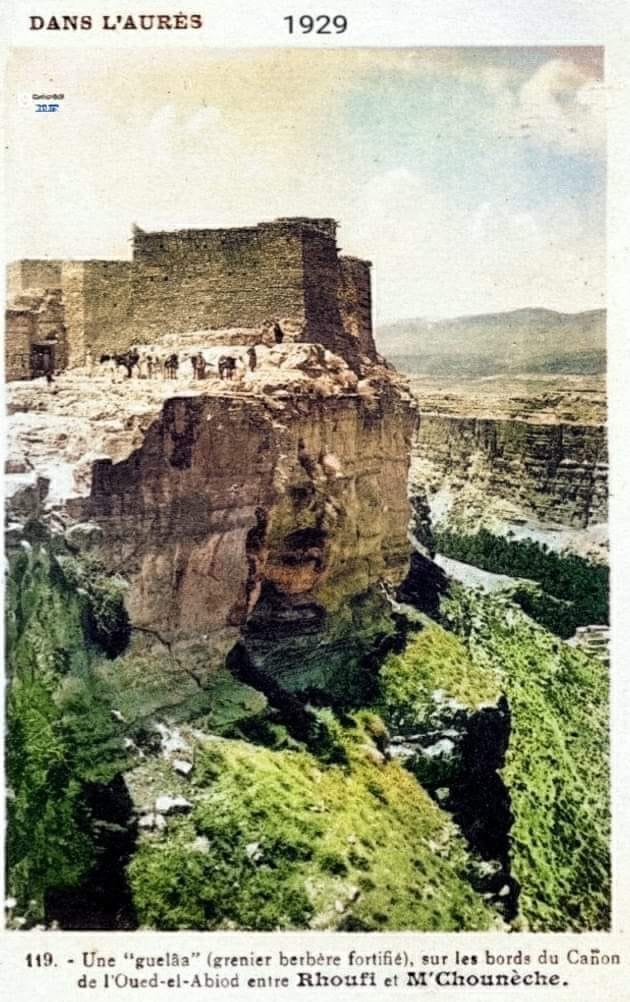
Fortified Granaries of Aures
Defensible stone granaries in Aures Mountains.
Timgad
Roman city with grid plan ruins