Explore the Map
Rusubbicari
36.8000° N, 3.5667° E
About
Rusubbicari, located at modern-day Zemmouri El Bahri in Algeria, was originally a Phoenician and Carthaginian colony before becoming a Roman town in the province of Mauretania Caesariensis. The site is marked by its transition through significant historical periods, beginning in the Late Iron Age with its establishment by Phoenician and Carthaginian settlers. It flourished as a Roman town in the Early Classical Period, reflecting the strategic importance of the region. By the Late Classical Period, Rusubbicari had developed into a Christian bishopric, indicating the spread of Christianity across the Roman Empire. The linguistic roots of its name suggest a blend of Phoenician and local Berber influence. Today, it is recognized as a Catholic titular see, exemplifying its enduring religious significance.
Gallery
Explore photographs of ancient structures, artifacts, and archaeological excavations
Historical Timeline
Journey through time and discover key events in this site's history
Phoenician and Carthaginian colony
3rd century BCE
Roman town development
1st century CE
Christian bishopric establishment
4th century CE
Archaeological Features
Unique architectural and cultural elements found at this historical site
Religious and Ritual Structures
Domestic and Habitation Structures
Frequently Asked Questions
Plan Your Visit
Tours, travel arrangements, and practical information
Recommended Tours

More Sites in Algeria
Cartennae
Ancient Carthaginian and Roman port in Algeria
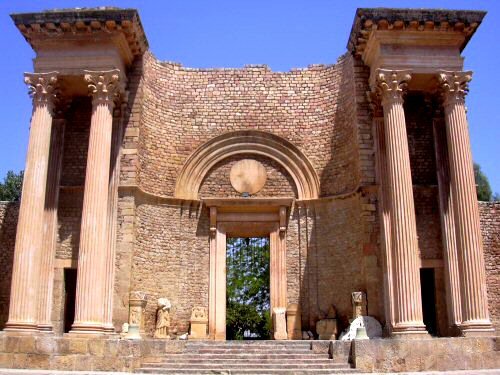
Calama (Numidia)
Ancient Roman colonia with Phoenician origins
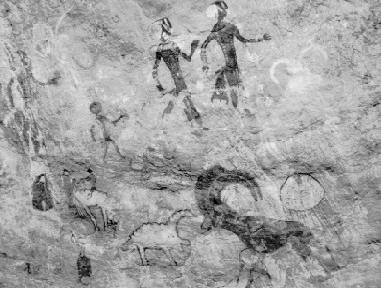
Tassili n'Ajjer
Prehistoric rock art on Sahara plateau
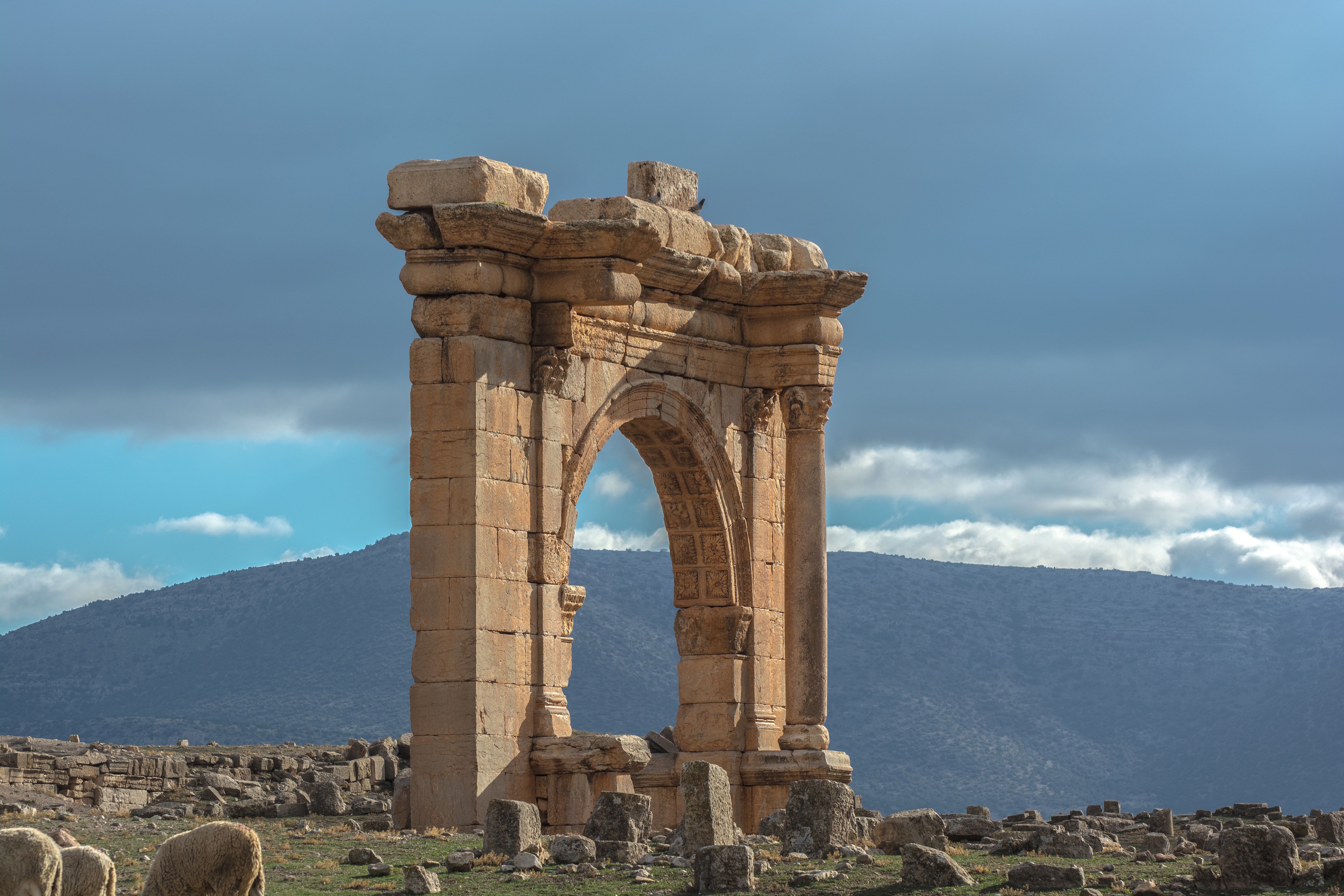
Diana Veteranorum
Ancient Roman-Berber city with Roman structures
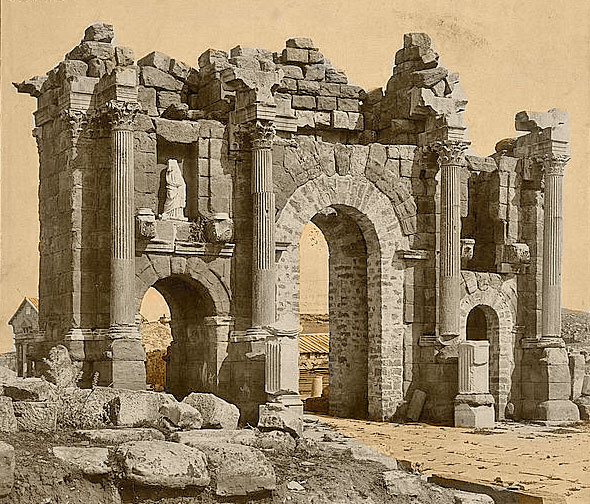
Timgad
Roman city with grid plan ruins
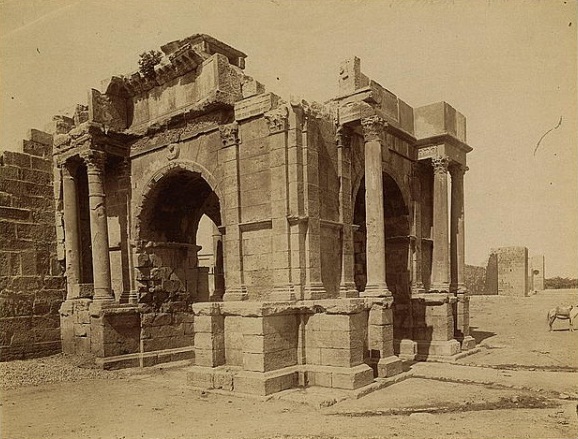
Theveste
Roman colony with significant ancient monuments.