
Explore the Map
Hippo Regius
36.8825° N, 7.7500° E
About
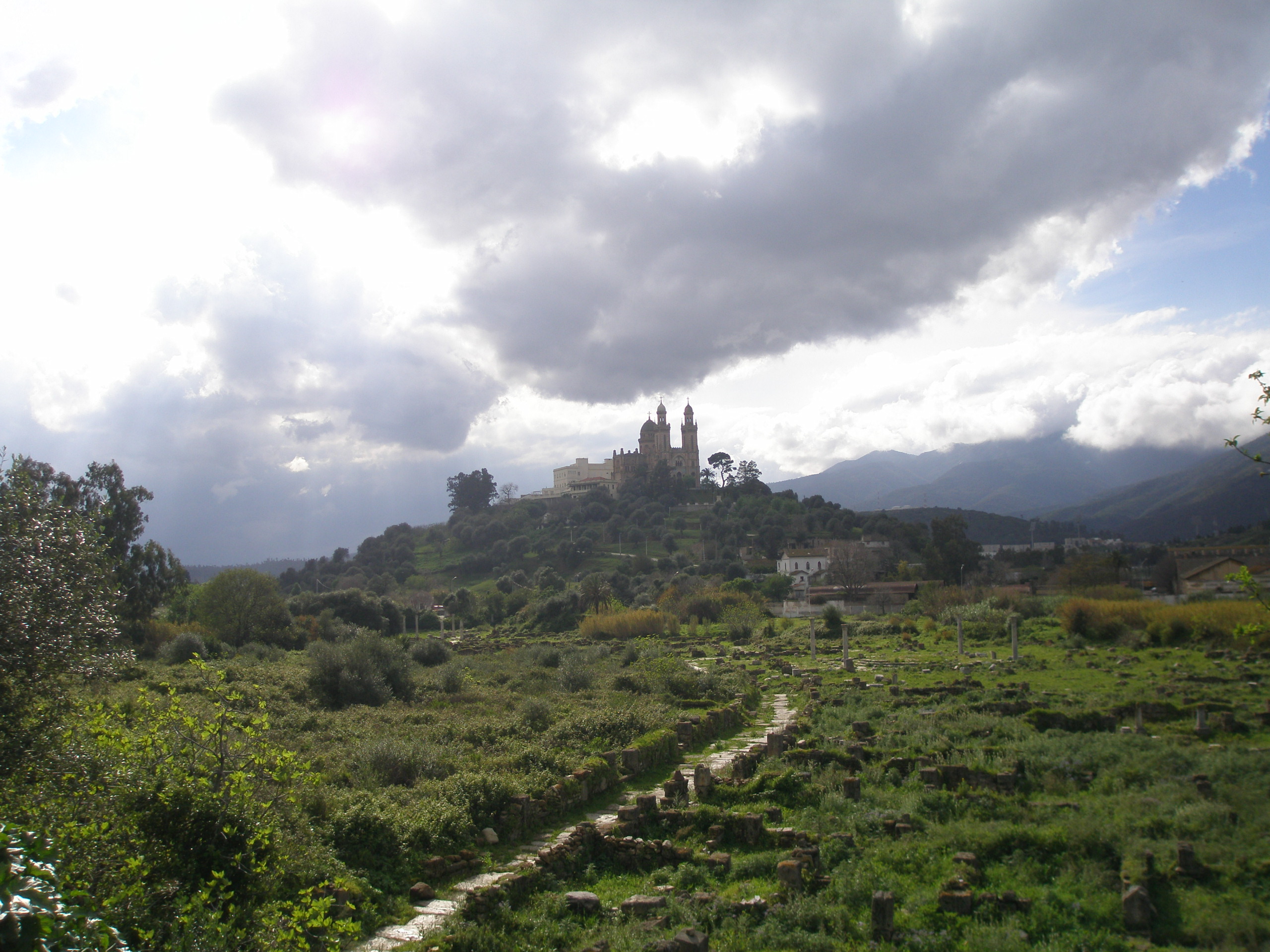
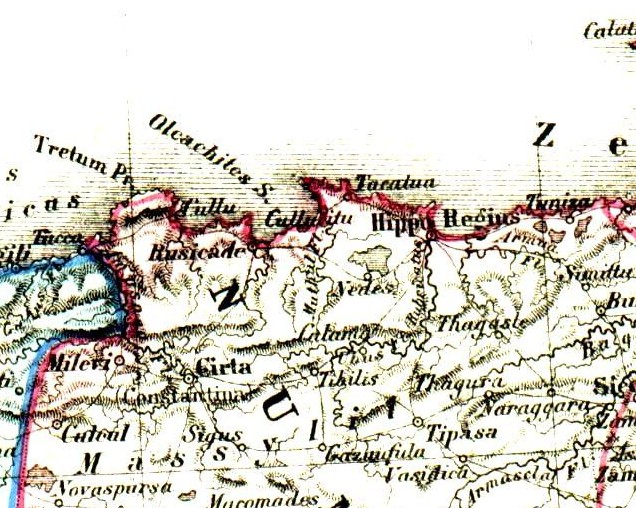
Hippo Regius, the ancient city known today as Annaba in Algeria, has a storied history beginning with its establishment as a Phoenician settlement in the 12th century BCE. It became a significant urban center through Roman colonization, serving as a vital maritime port and later as a religious hub with the bishopric of Saint Augustine. The city faced numerous sieges, most notably by the Vandals, who made it their kingdom's capital in the 5th century CE before it was reclaimed by the Eastern Roman Empire. The city's strategic and religious importance continued under Muslim rule after the Arab conquest. Subsequent centuries saw further cultural transformations under different ruling powers, including the Berbers and the French. The archaeological remnants of Hippo Regius, including its defensive walls and churches, testify to its complex history and significance in ancient and medieval times.
Gallery
Explore photographs of ancient structures, artifacts, and archaeological excavations
Historical Timeline
Journey through time and discover key events in this site's history
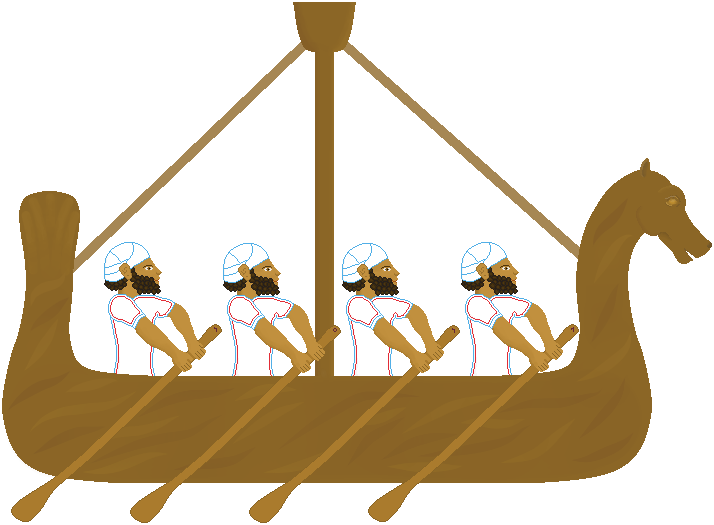
Phoenician Settlement
1200 BCE
Roman Colonia Establishment
100 BCE
Vandal Siege
430 CE
Augustine's Bishopric
430 CE
Vandal Kingdom Capital
435 CE
Eastern Roman Empire Conquest
534 CE
Muslim Conquest
698 CE
Berber Zirid's Town Establishment
1000 CE
French Capture
1832 CE
Archaeological Features
Unique architectural and cultural elements found at this historical site
Defensive Structures
Water Management Features
Religious and Ritual Structures
Domestic and Habitation Structures
Frequently Asked Questions
Plan Your Visit
Tours, travel arrangements, and practical information
More Sites in Algeria
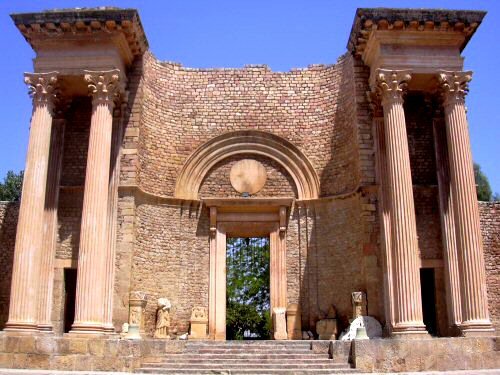
Calama (Numidia)
Ancient Roman colonia with Phoenician origins
Cartennae
Ancient Carthaginian and Roman port in Algeria
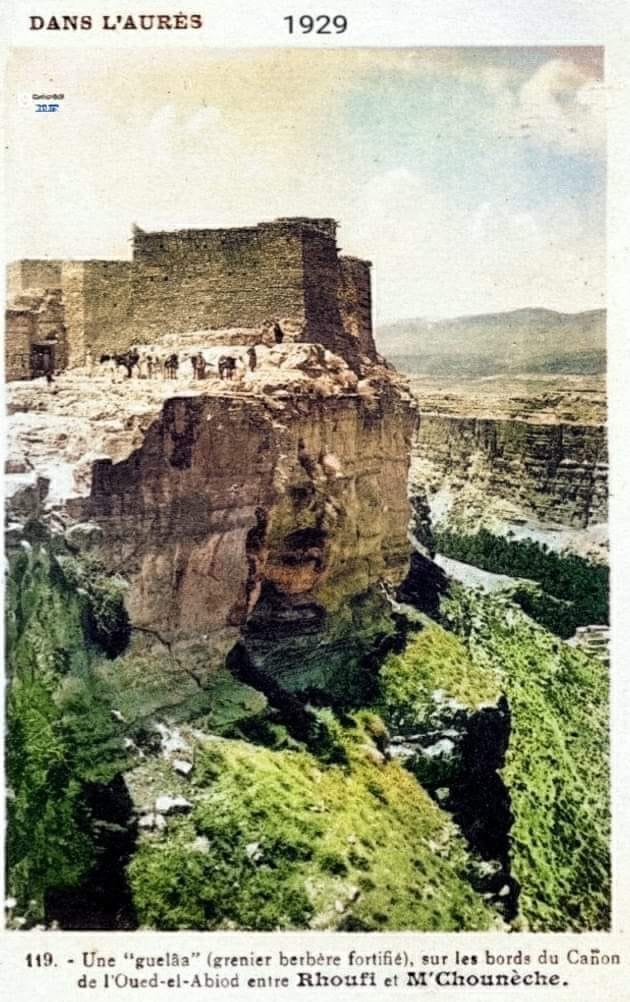
Fortified Granaries of Aures
Defensible stone granaries in Aures Mountains.
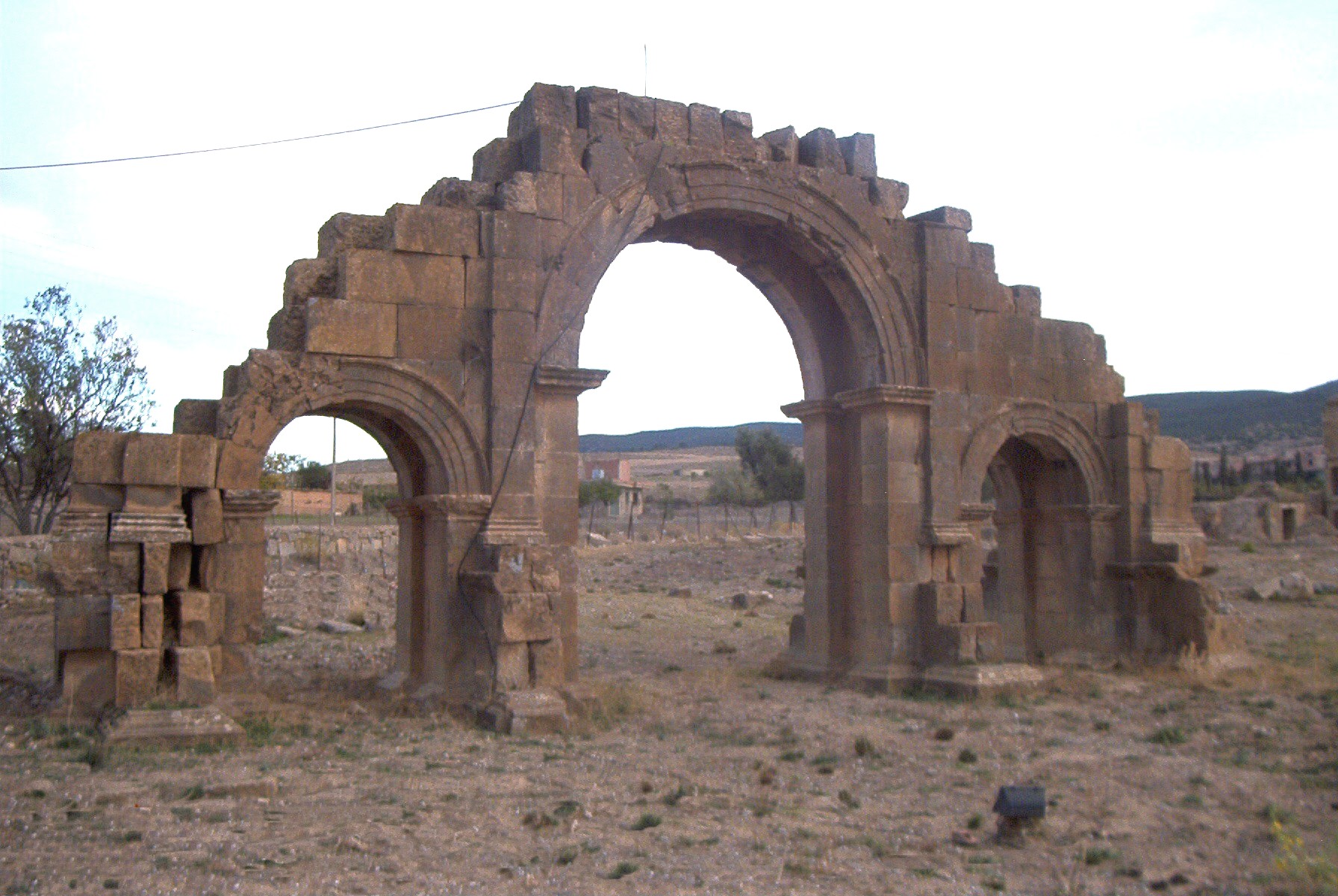
Lambaesis
Roman military camp with temples and arches
Tigisis in Numidia
Ancient fortified town with Roman origins.
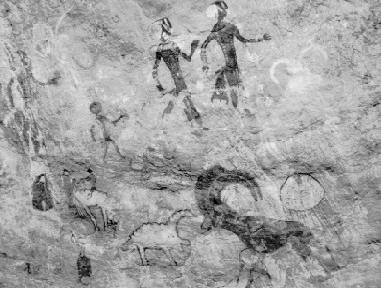
Tassili n'Ajjer
Prehistoric rock art on Sahara plateau