
Explore the Map
Cartennae
36.5167° N, 1.3167° E
About
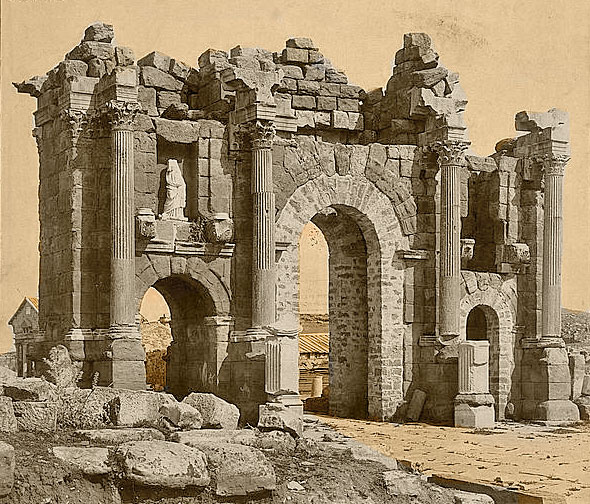
Cartennae, located in present-day Ténès, Algeria, was an ancient port city with significant historical importance. Initially established as a Phoenician colony in the 8th century BCE, it thrived as a Carthaginian hub before coming under Roman control following the Punic Wars. The city was notable for its strategic location at the mouth of the Wadi Allala and housed important structures such as a forum, theater, baths, library, and aqueducts. Cartennae became a Roman colony under Augustus in 30 BCE and played a pivotal role in the military and commercial network of Roman North Africa. Despite its prosperity, the city faced devastation during the revolt of Firmus in the 4th century CE and was later sacked by the Vandals. Today, its archaeological remnants offer insights into the rich cultural and historical tapestry of ancient North Africa.
Gallery
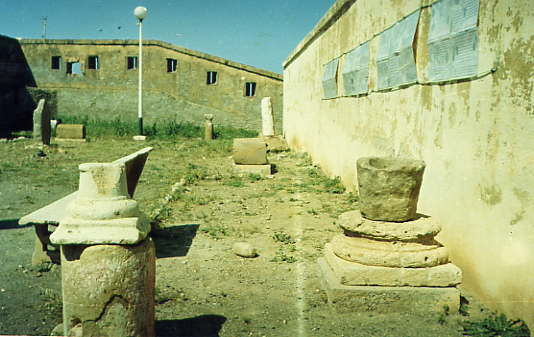
Explore photographs of ancient structures, artifacts, and archaeological excavations
Historical Timeline
Journey through time and discover key events in this site's history
Phoenician colony establishment
800 BCE
Roman colony foundation
30 BCE
Vandal sack
Unknown
Revolt of Firmus
372 CE
Archaeological Features
Unique architectural and cultural elements found at this historical site
Defensive Structures
Water Management Features
Public and Civic Structures
Burial and Funerary Structures
Industrial and Craft Structures
Religious and Ritual Structures
Domestic and Habitation Structures
Frequently Asked Questions
Plan Your Visit
Tours, travel arrangements, and practical information
More Sites in Algeria
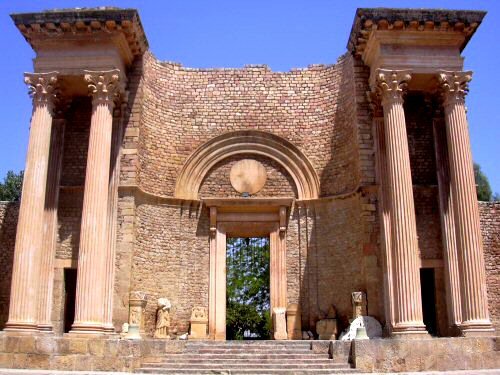
Calama (Numidia)
Ancient Roman colonia with Phoenician origins
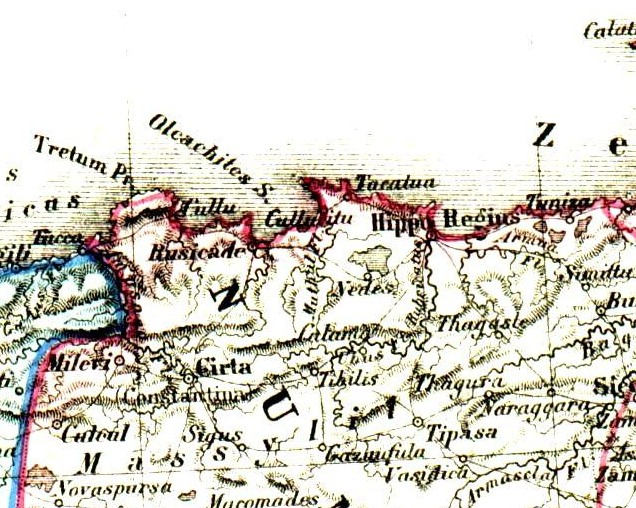
Thagaste
Roman-Berber city in northeastern Algeria
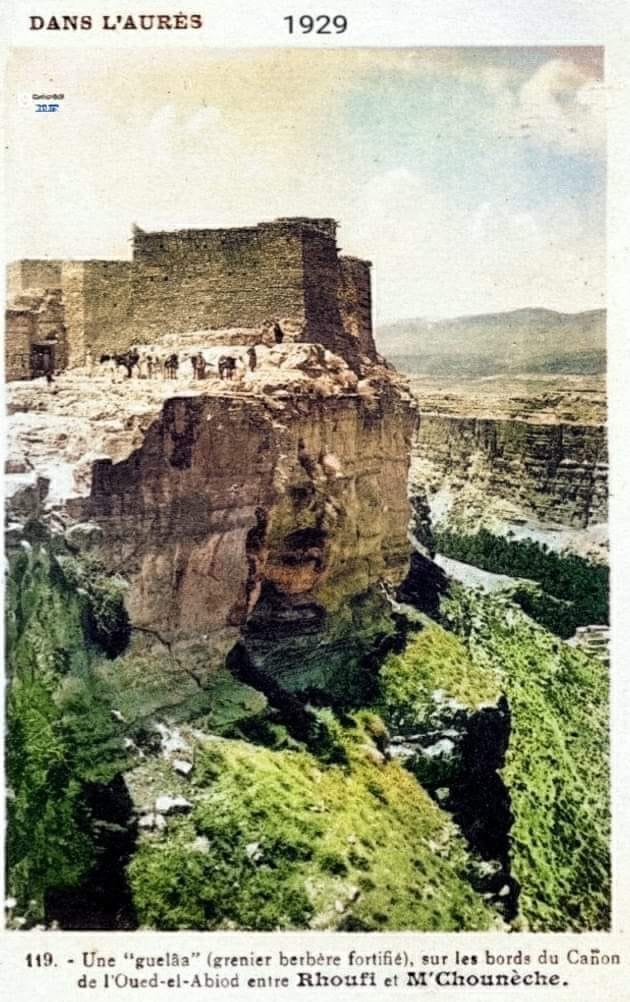
Fortified Granaries of Aures
Defensible stone granaries in Aures Mountains.
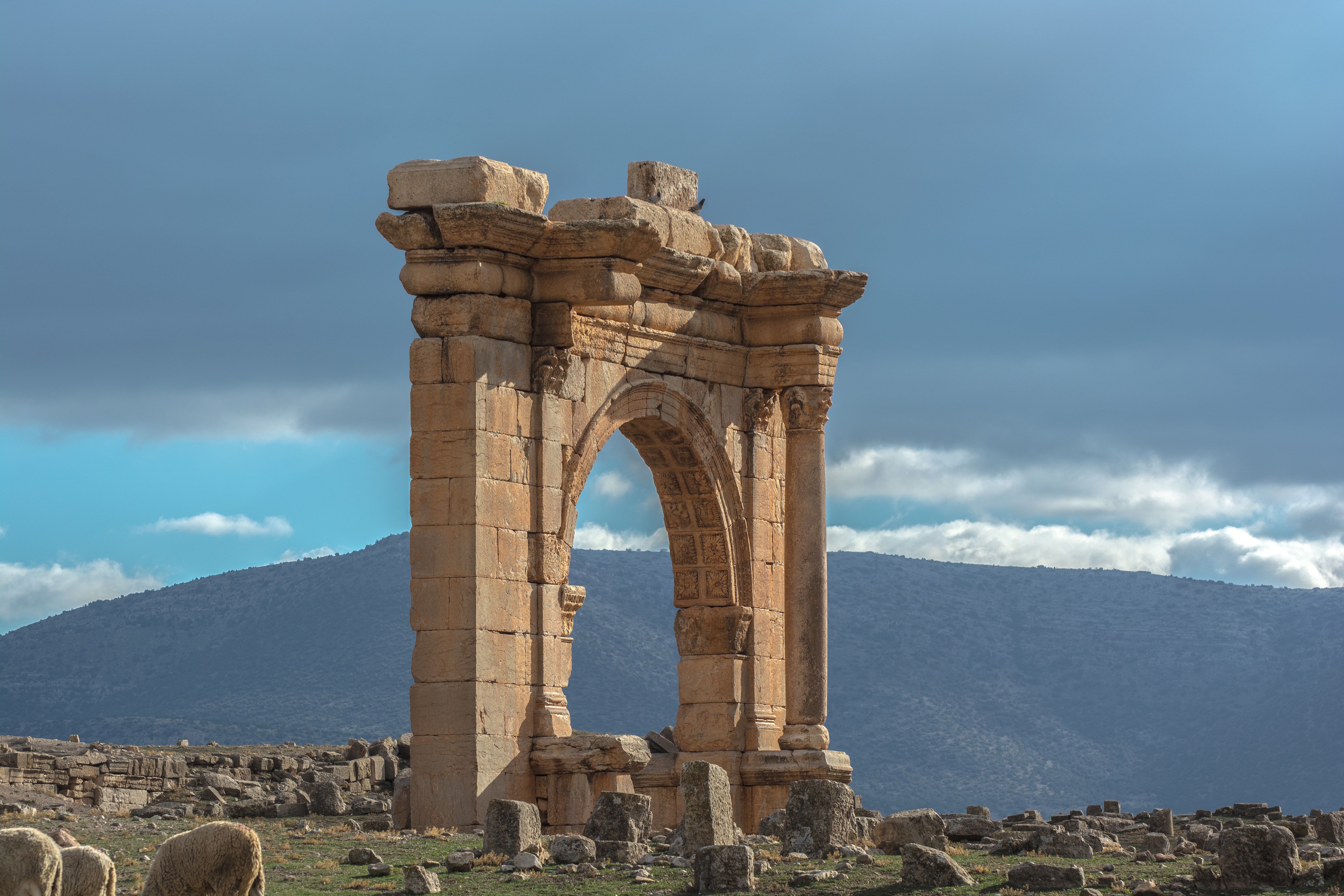
Diana Veteranorum
Ancient Roman-Berber city with Roman structures
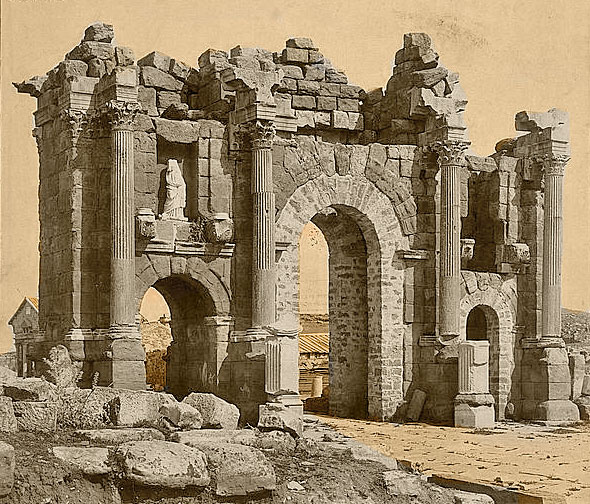
Tiddis
Roman city with defensive and religious structures
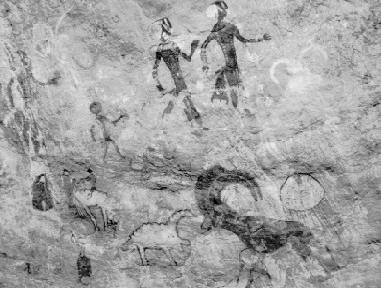
Tassili n'Ajjer
Prehistoric rock art on Sahara plateau