Time Periods
Paleolithic
Mesolithic
Neolithic
Chalcolithic
Bronze Age
Iron Age
Classical Period
Post-Classical Period
Early Modern Period
Industrial Period
Contemporary Period
Time Periods
Paleolithic
Mesolithic
Neolithic
Chalcolithic
Bronze Age
Iron Age
Classical Period
Post-Classical Period
Early Modern Period
Industrial Period
Contemporary Period
Location
About
Mila, formerly known as Milevum, is a city with significant archaeological importance, located in the northeast of Algeria. This site, originally a Roman settlement in the province of Numidia, was known for its extensive confederation with neighboring colonies. The city was fortified by the Byzantine Emperor Justinian in the 6th century CE, a testament to its strategic importance. Under Umayyad Arab rule, it was conquered in 675 CE, marking the beginning of Islamic influence, evidenced by the construction of the Sidi Ghanem Mosque. The city's population historically included a mix of Arabs, Romans, and Berbers, reflecting a diverse cultural heritage. During the Ottoman era, Mila was noted as a significant Koulouglis colony. In the French colonial era, it became part of the Constantine department. The site is rich with inscriptions, a colossal statue of Saturn, and other archaeological relics, illustrating its varied historical phases and cultural significance.
Gallery
Explore photographs of ancient structures, artifacts, and archaeological excavations at Mila (city)
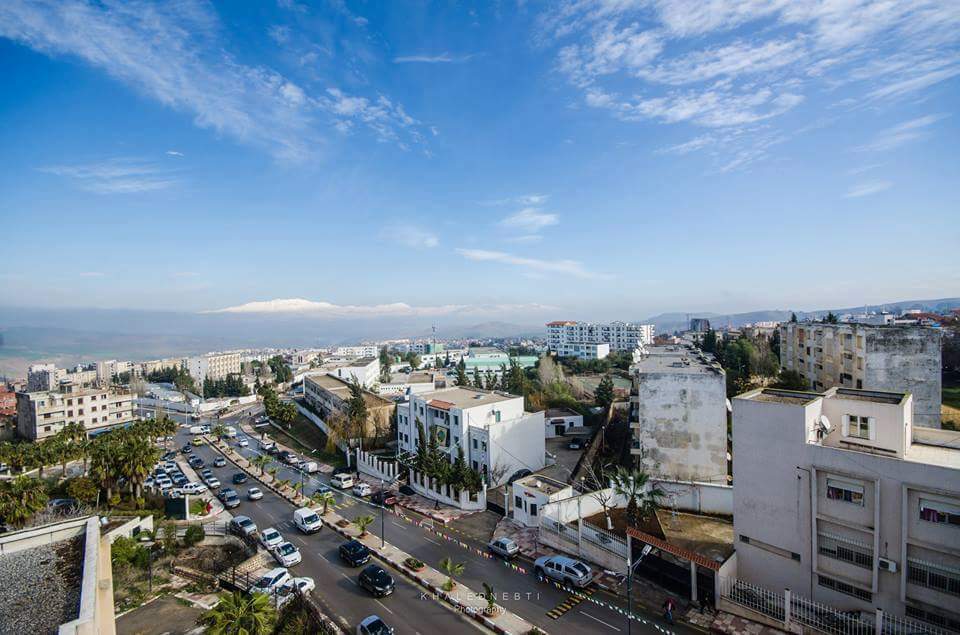
Archaeological Features
Explore the unique architectural and cultural elements found at this historical site
Defensive Structures
Religious and Ritual Structures
Artistic and Decorative Features
Domestic and Habitation Structures
Historical Timeline
Journey through time and discover key events in this site's archaeological history
Plan Your Visit
Details
- Country
- Algeria
- Source
- Wikipedia
More Sites in Algeria
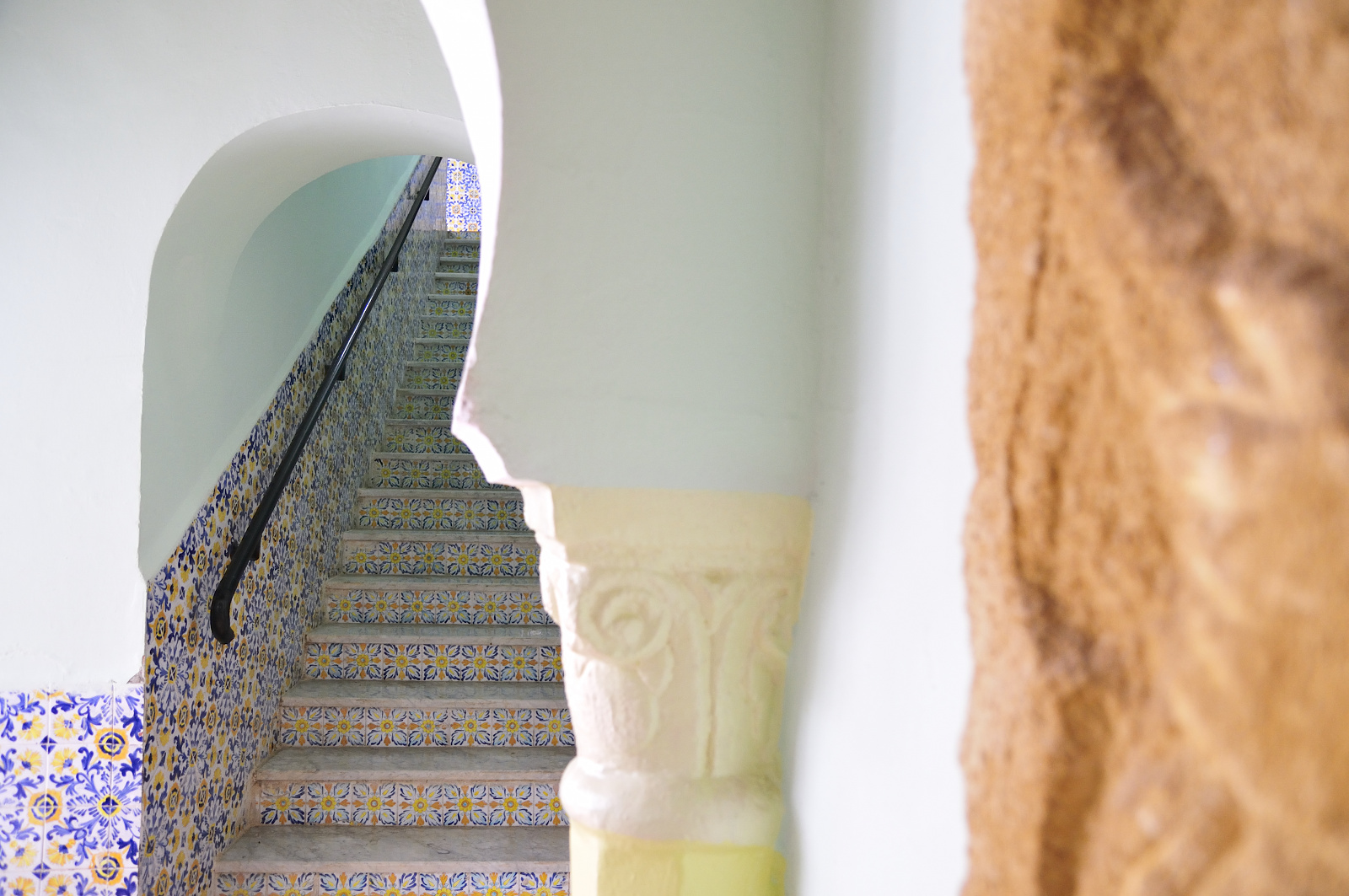
Miliana
Ancient Roman and medieval Muslim city.
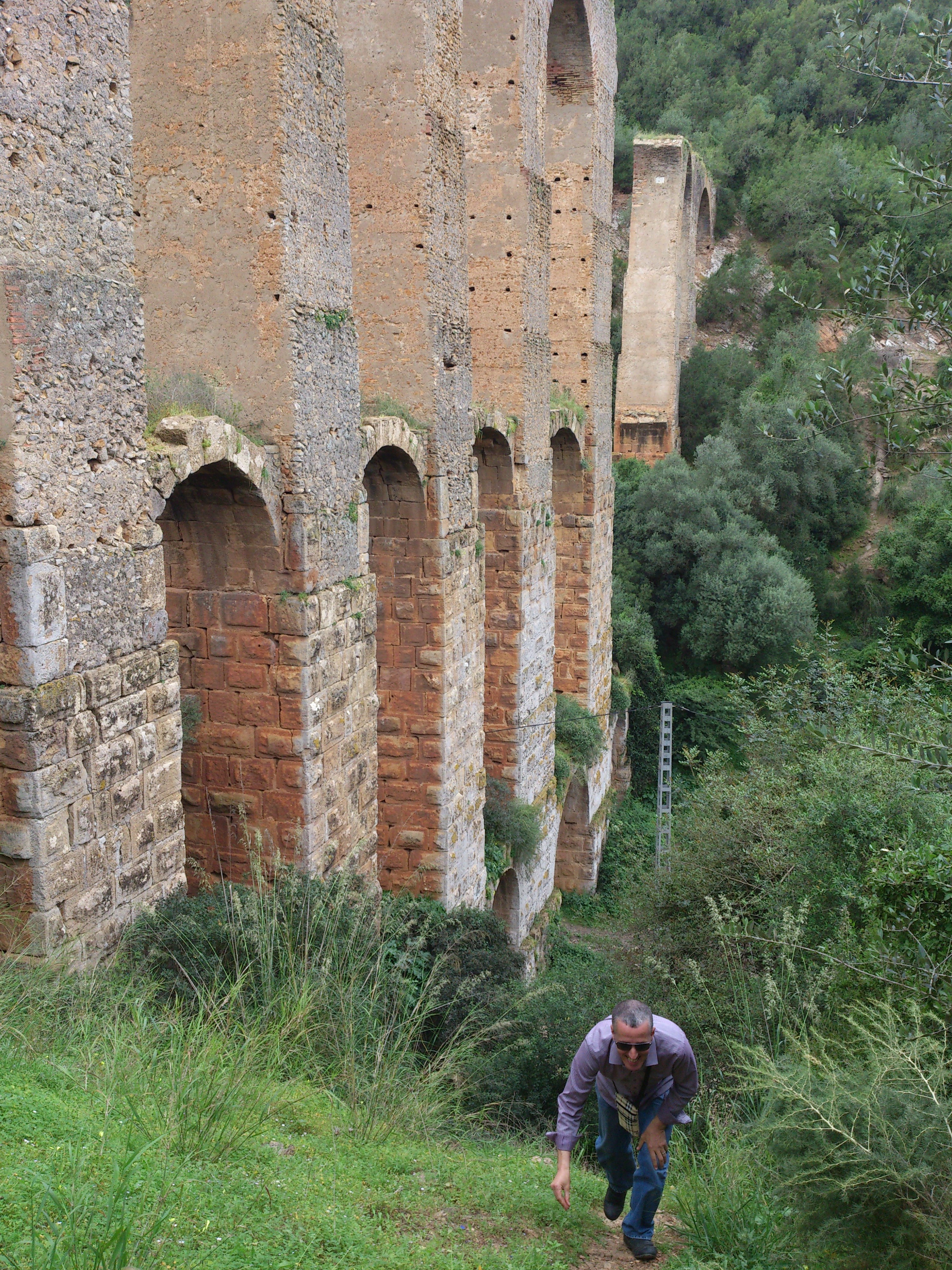
Cherchell
Ancient city with Roman and Punic remnants.
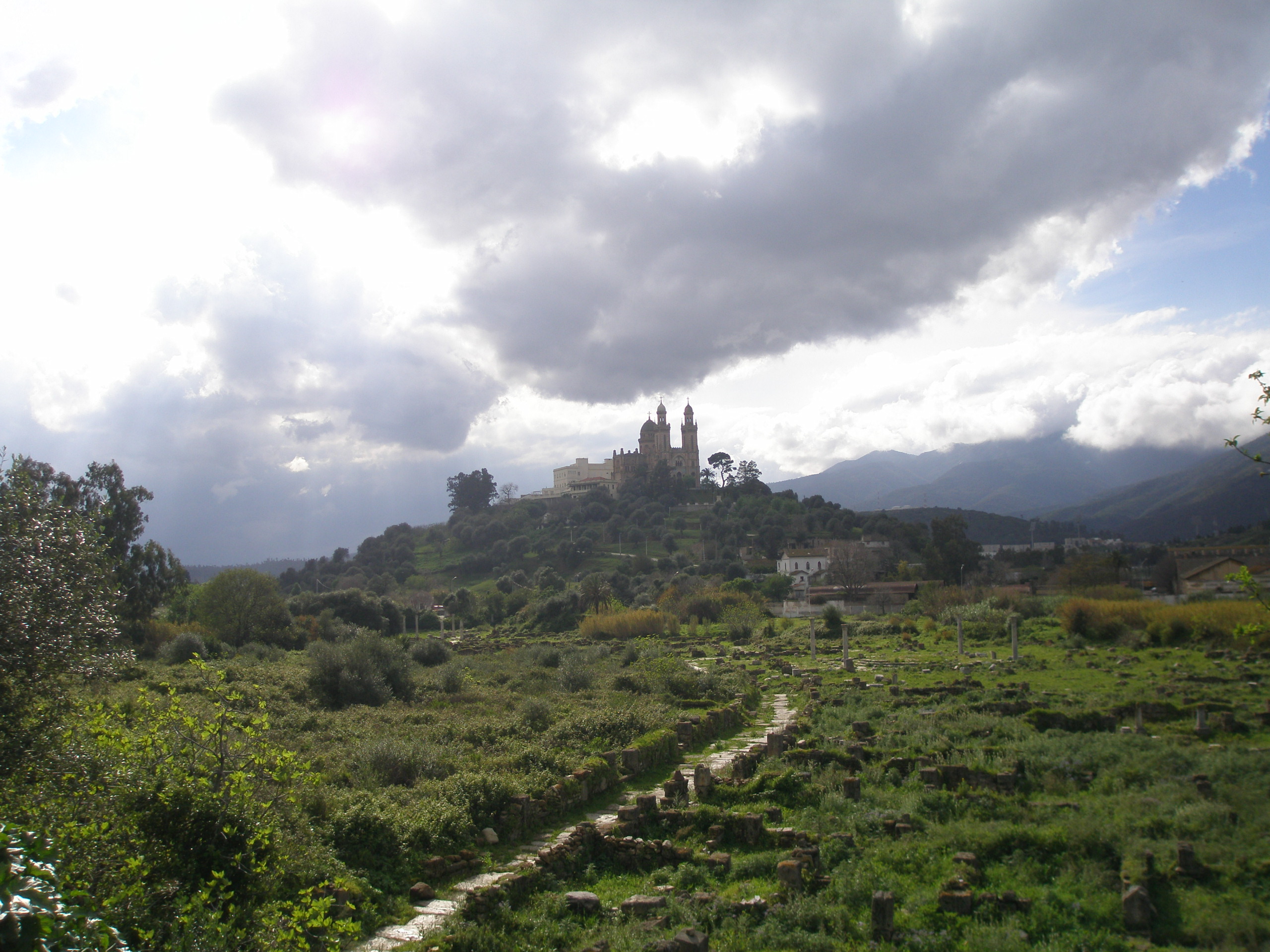
Hippo Regius
Ancient city with rich cultural history.
Khemis Miliana
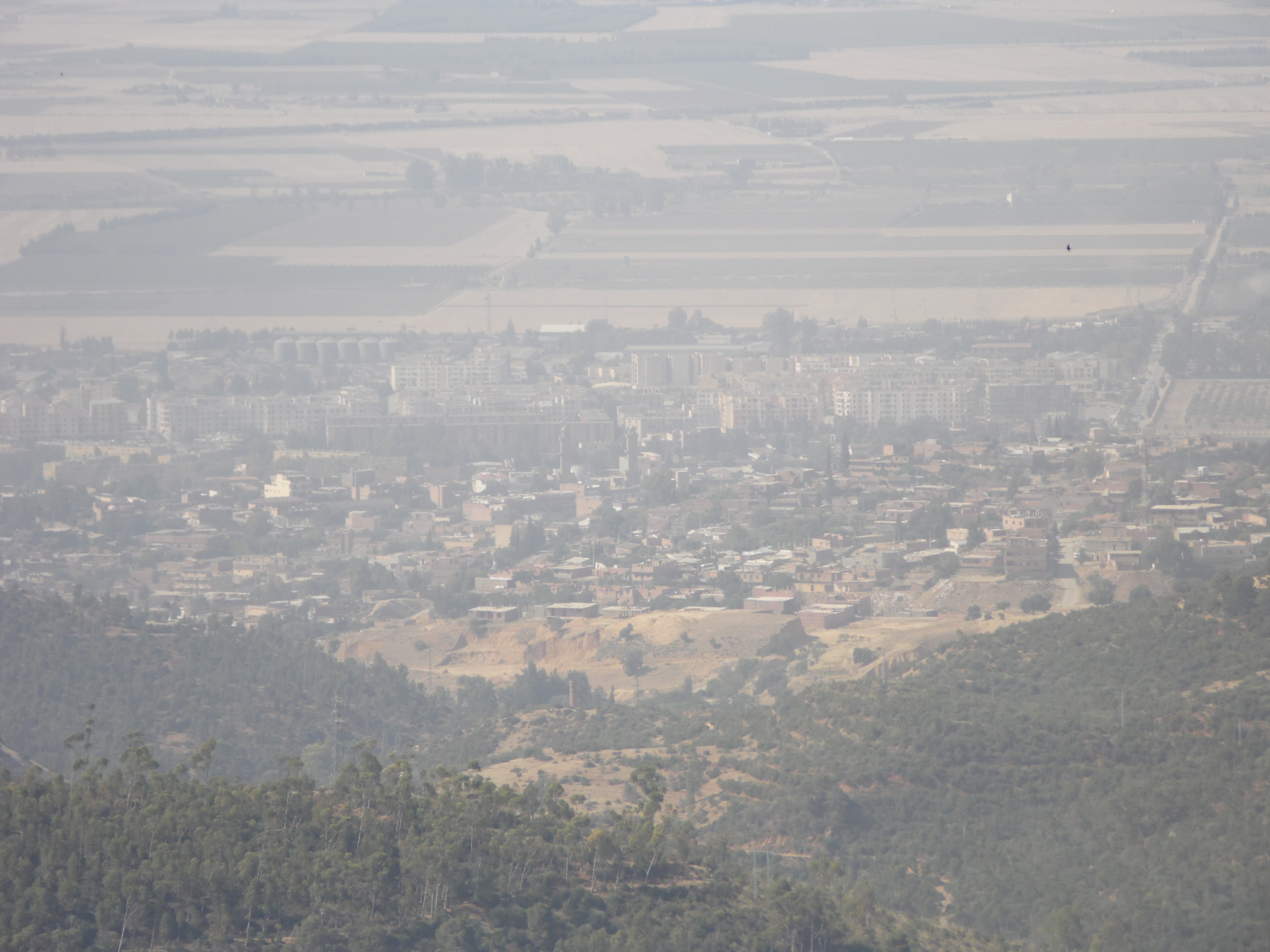
Ancient Roman town with historical names.
El Harrouch
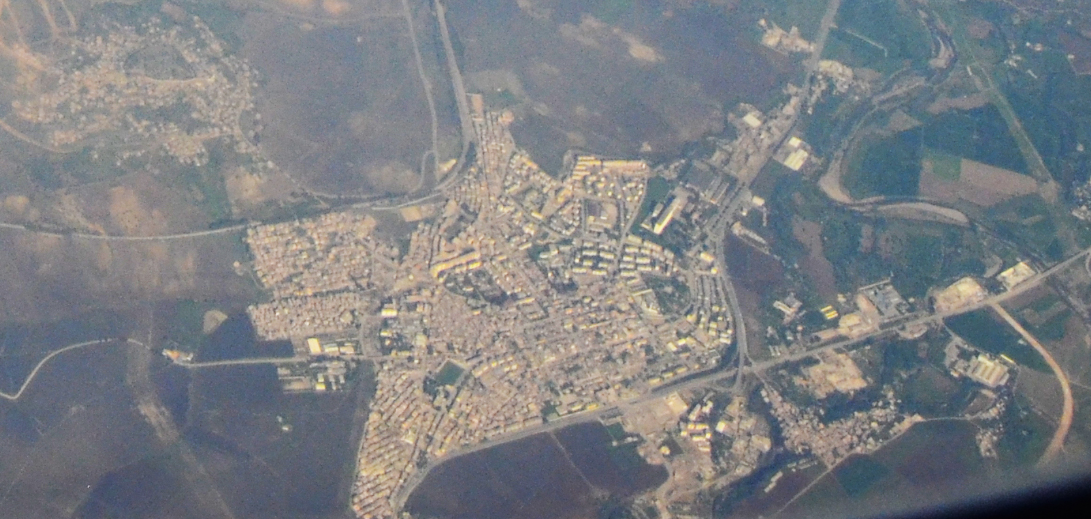
Historic town linked to Roman roads
Lambaesis
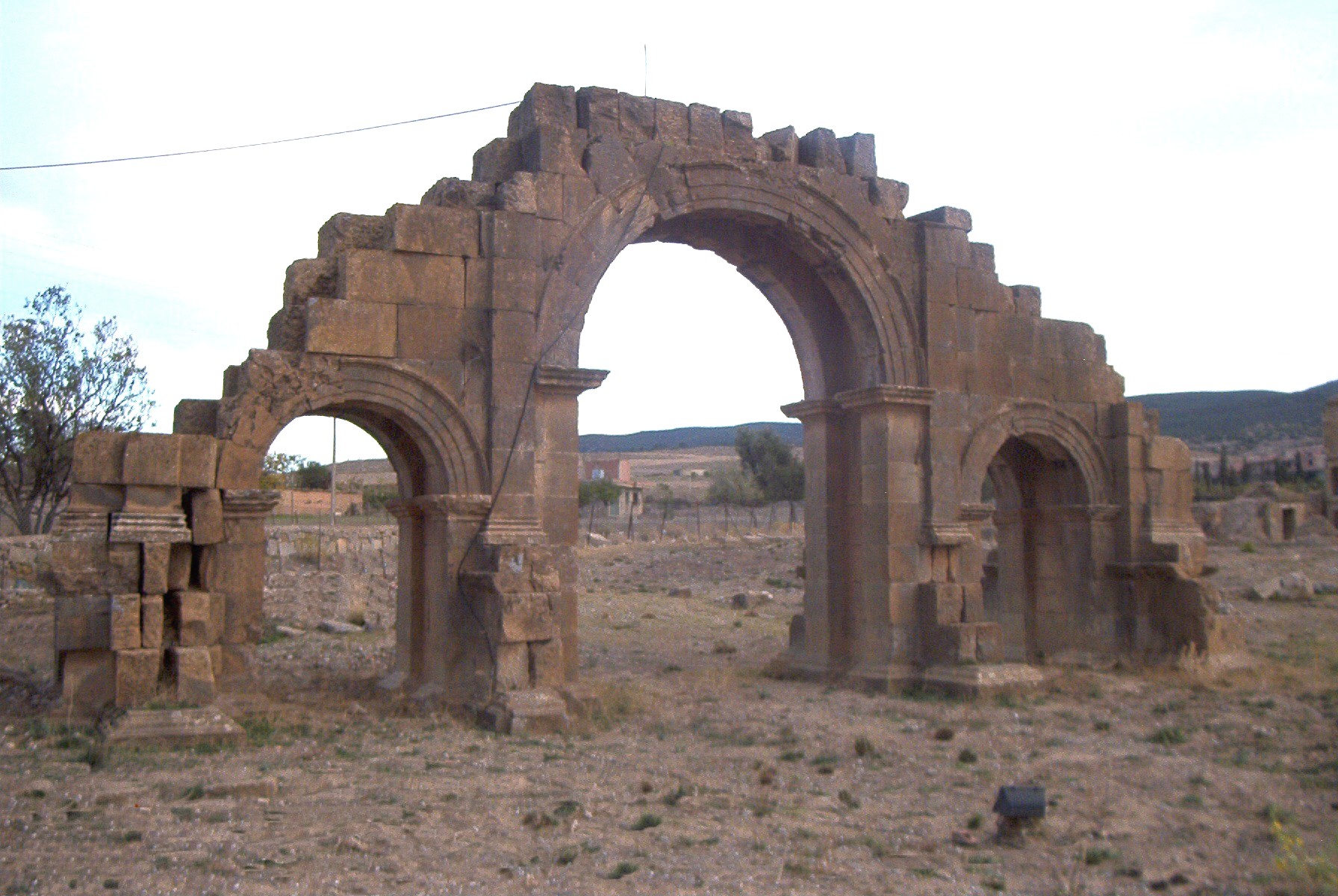
Roman military camp with temples and arches