Time Periods
Paleolithic
Mesolithic
Neolithic
Chalcolithic
Bronze Age
Iron Age
Classical Period
Post-Classical Period
Early Modern Period
Industrial Period
Contemporary Period
Time Periods
Paleolithic
Mesolithic
Neolithic
Chalcolithic
Bronze Age
Iron Age
Classical Period
Post-Classical Period
Early Modern Period
Industrial Period
Contemporary Period
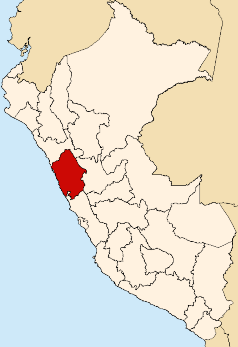
Location
About
Intipanawin, also known as Intipa Ñawin, is an archaeological site located in the Ancash Region of Peru, specifically in the Bolognesi Province, Pacllon District, at an elevation of about 3,569 meters. The site is notable for its rock paintings, which include depictions of the 'eye of the sun' and llamas. These paintings are of significant archaeological interest, providing insight into the artistic expression and cultural practices of the people who inhabited the region. The site is believed to date back to the Late Post-Classical Period, approximately the 15th century CE. The presence of these artworks highlights the importance of rock art as a form of communication and spiritual expression in pre-Columbian Andean cultures.
Gallery
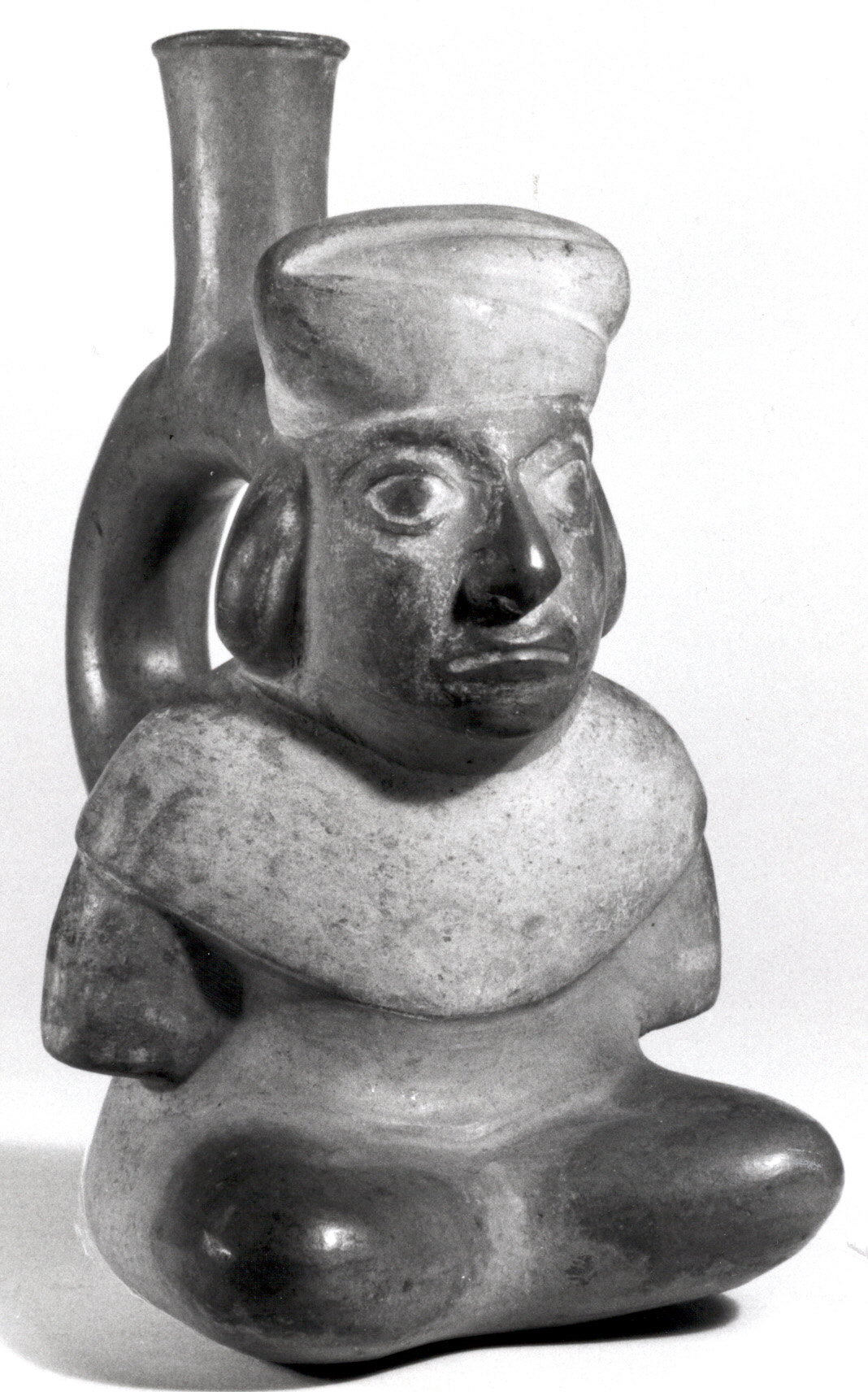
Explore photographs of ancient structures, artifacts, and archaeological excavations at Intipanawin
Archaeological Features
Explore the unique architectural and cultural elements found at this historical site
Artistic and Decorative Features
Historical Timeline
Journey through time and discover key events in this site's archaeological history
Plan Your Visit
Details
- Country
- Ancash Region
- Source
- Wikipedia
More Sites in Ancash Region
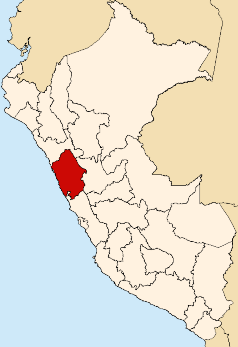
Huacramarca
Archaeological site on mountain top
Maray Qalla
Inca road system with carved stone features
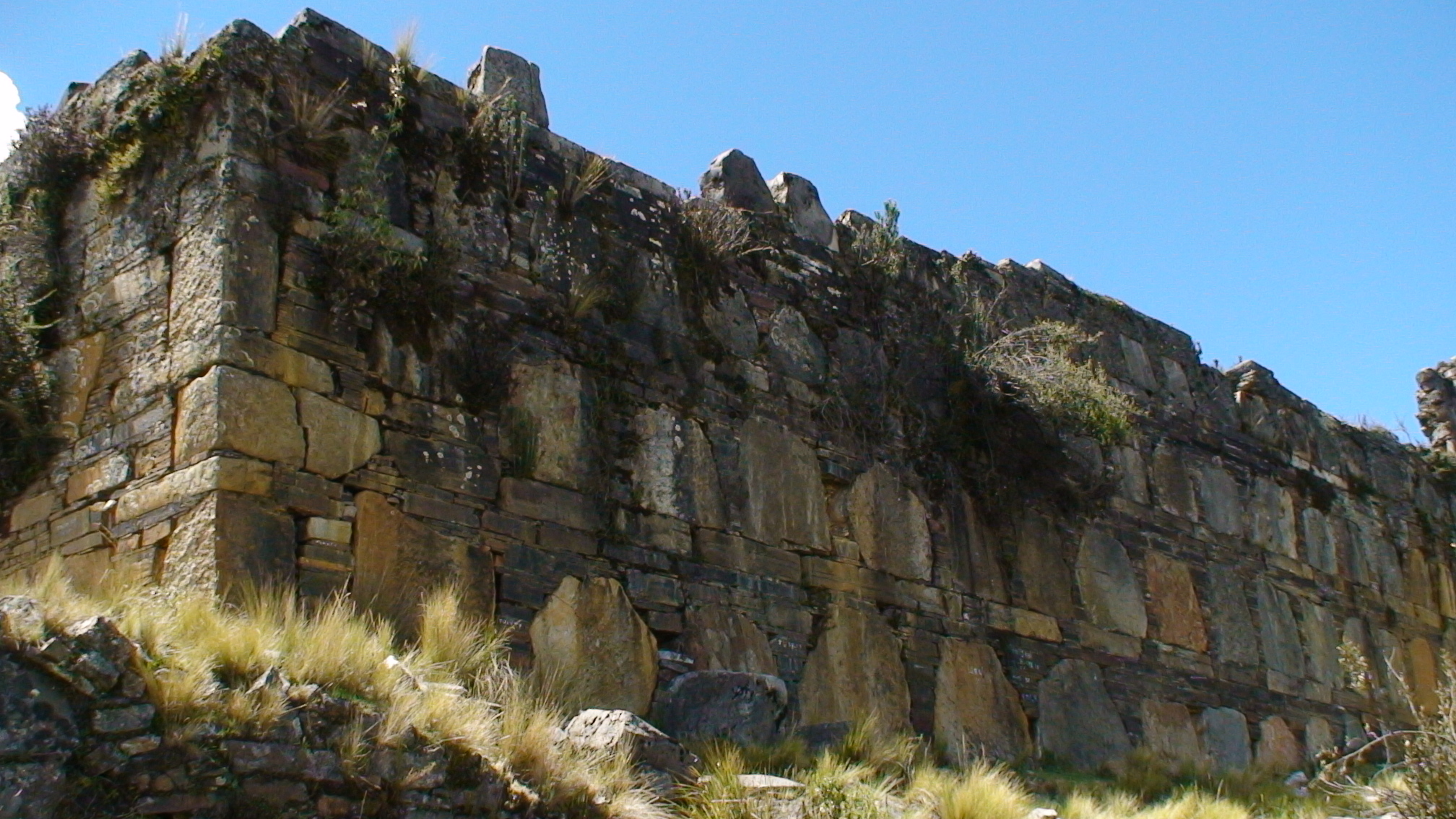
Yaynu
Fortified Recuay hilltop town in Peru
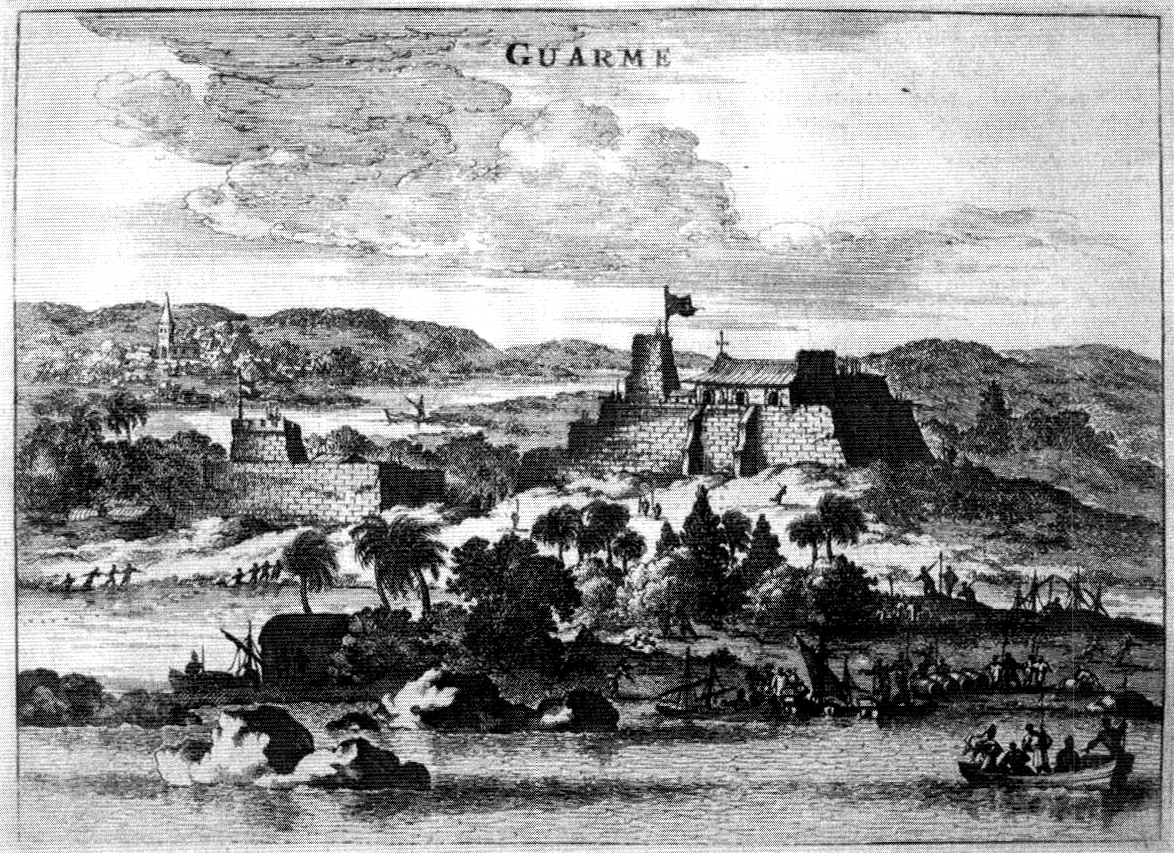
El Castillo de Huarmey
Pyramid-like structure with royal Wari tombs
Cerro Sechín
Explore this archaeological site.
Pañamarca
Explore this archaeological site.