
Explore the Map
Drachenhöhle
47.3258° N, 15.3794° E
About
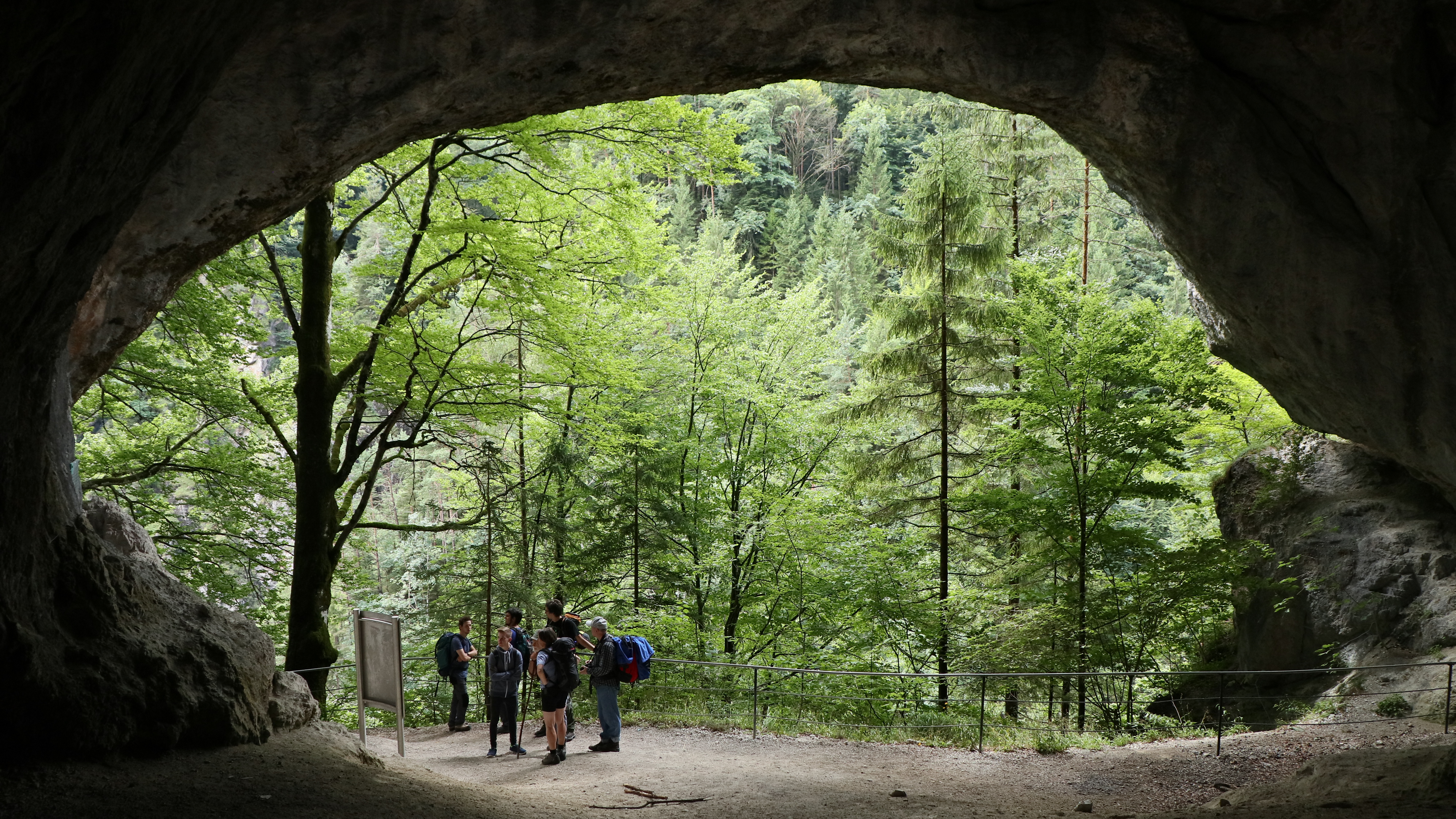
Drachenhöhle or Drachenhöhle Mixnitz (literally Dragon's Cave of Mixnitz) is a 542 m (1,778 ft) long cave with a 20 m (66 ft) wide and 12 m (39 ft) high entrance near Mixnitz, Styria, Austria, south-east of Bruck an der Mur located at an elevation of 950 m (3,120 ft) above sea level. Cave bear of the species (Ursus ingressus) and other bone fossils that people found during the Middle Ages were deemed to be the bones of dragons, a belief that culminated in the saga of the "Dragon slayer of Mixnitz". The cave is one of the largest caves in the Alps where bears occupied an area that stretched over a length of way over 500 m (1,600 ft), by an average width of up to 40 m (130 ft) and a height of 10 to 15 m (33 to 49 ft). Due to a shortage of fertilizers during and after World War I the 8 to 10 m (26 to 33 ft) high sediments inside the cave were intensively mined between 1918 and 1923 of which around 2,500 tons of phosphoric acid were extracted. During the fertilizer mining, several geologists and paleontologists were present, who only documented the most valuable discoveries. Nonetheless, a rich cache of cave bear, Eurasian cave lion (Panthera leo spelaea), Gray wolf (Canis lupus), Alpine ibex (Capra ibex) and Alpine marmot (Marmota marmota) fossils, remains of open hearths and Paleolithic stone tools of the Aurignacian culture dated to 65,000 to 31,000 BCE were unearthed. Dated to between 65,000 and 31,000 BCE, these rank among the oldest traces of human presence in Austria.
Historical Timeline
Journey through time and discover key events in this site's history
Sediment age
c. 150,000 years ago
Aurignacian artifacts dated
65,000–31,000 BCE
Fertilizer mining
1918–1923
Site protection
1928
Monograph publication
1931
Natural monument designation
1949
Archaeological Features
Unique architectural and cultural elements found at this historical site
Industrial and Craft Structures
Domestic and Habitation Structures
Environmental and Natural Features
Food Production and Processing Features
Frequently Asked Questions
Plan Your Visit
Tours, travel arrangements, and practical information
More Sites in Austria
Gudenus cave
Palaeolithic cave with animal fossils and artifacts
Tischofer Cave
40-meter cave with Paleolithic occupation evidence
Salzofen cave
High-altitude cave with prehistoric artifacts
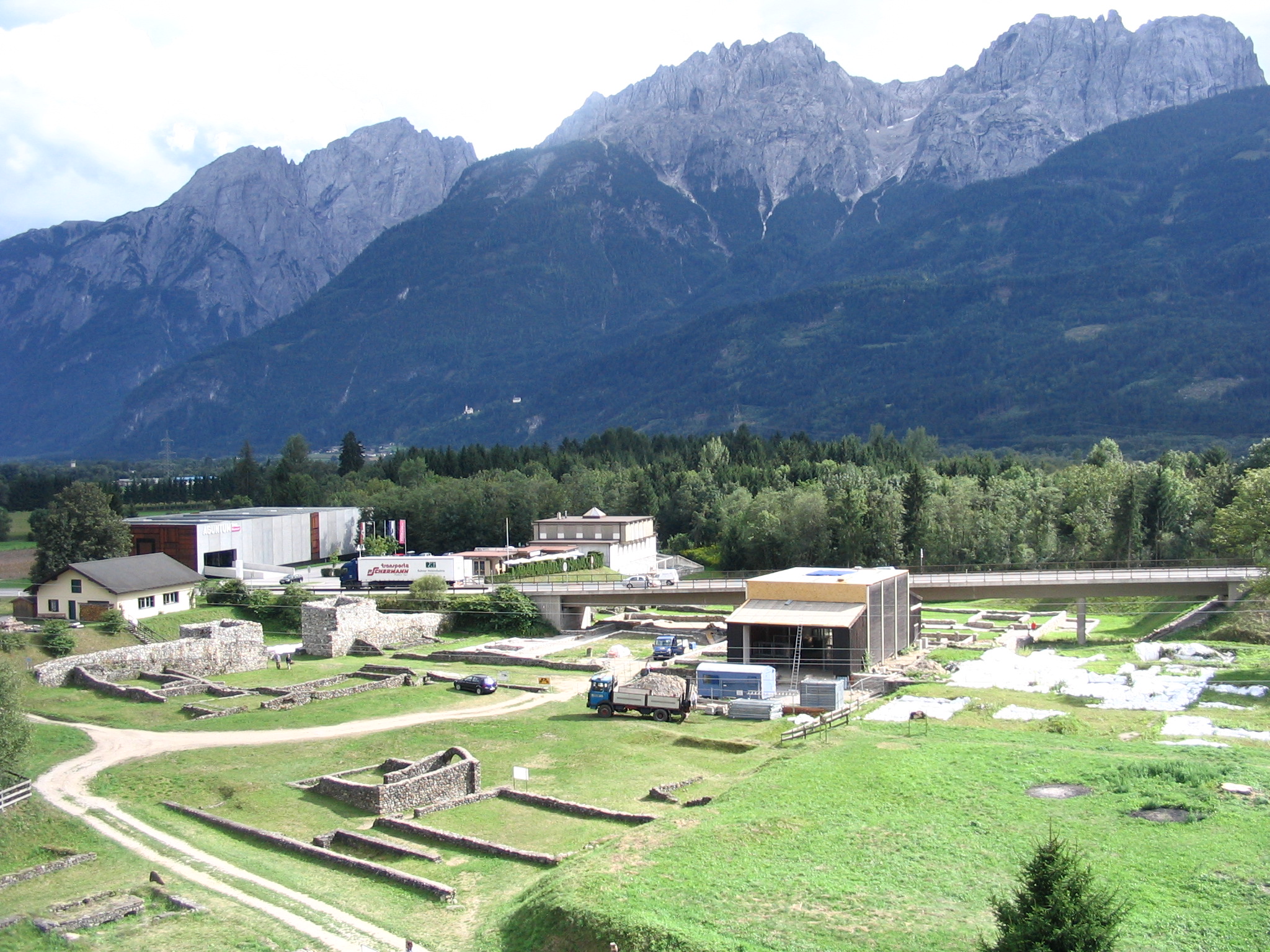
Aguntum
Roman town ruins, East Tirol (1st–3rd centuries AD)
Prehistoric Pile Dwellings around the Alps
<p>This serial property of 111 small individual sites encompasses the remains of prehistoric pile-dwelling (or stilt house) settlements in and around the…
Frontiers of the Roman Empire – The Danube Limes (Western Segment)
<p>It covers almost 600km of the whole Roman Empire’s Danube frontier. The property formed part of the much large frontier of the Roman Empire that…