
Explore the Map
Gudenus cave
48.4468° N, 15.3956° E
About
The Gudenus cave, located near Krems in north-eastern Austria, is an important archaeological site that provides insight into the Palaeolithic era. This 22-meter-long cave, positioned 7.5 meters above a stream, contains a wealth of animal fossils from species such as the Woolly mammoth and Reindeer, indicating a rich biodiversity during its period of habitation. Human presence is evidenced by numerous flint implements, indicative of Mousterian tool use by Neanderthals in the Middle Paleolithic. Additionally, the site features an Upper Palaeolithic Magdalenian assemblage, highlighted by an engraved reindeer bone and a bone flute fragment, shedding light on early human artistic expression and possibly musical endeavors. The Gudenus cave serves as a crucial link to understanding early human life and environmental conditions during the Palaeolithic period.
Historical Timeline
Journey through time and discover key events in this site's history
Magdalenian assemblage
16,000–10,000 BCE
Mousterian tool use
300,000 years ago – 50,000 years ago
Archaeological Features
Unique architectural and cultural elements found at this historical site
Domestic and Habitation Structures
Environmental and Natural Features
Frequently Asked Questions
Plan Your Visit
Tours, travel arrangements, and practical information
More Sites in Austria
Drachenhöhle
Paleolithic cave site in Styria, Austria
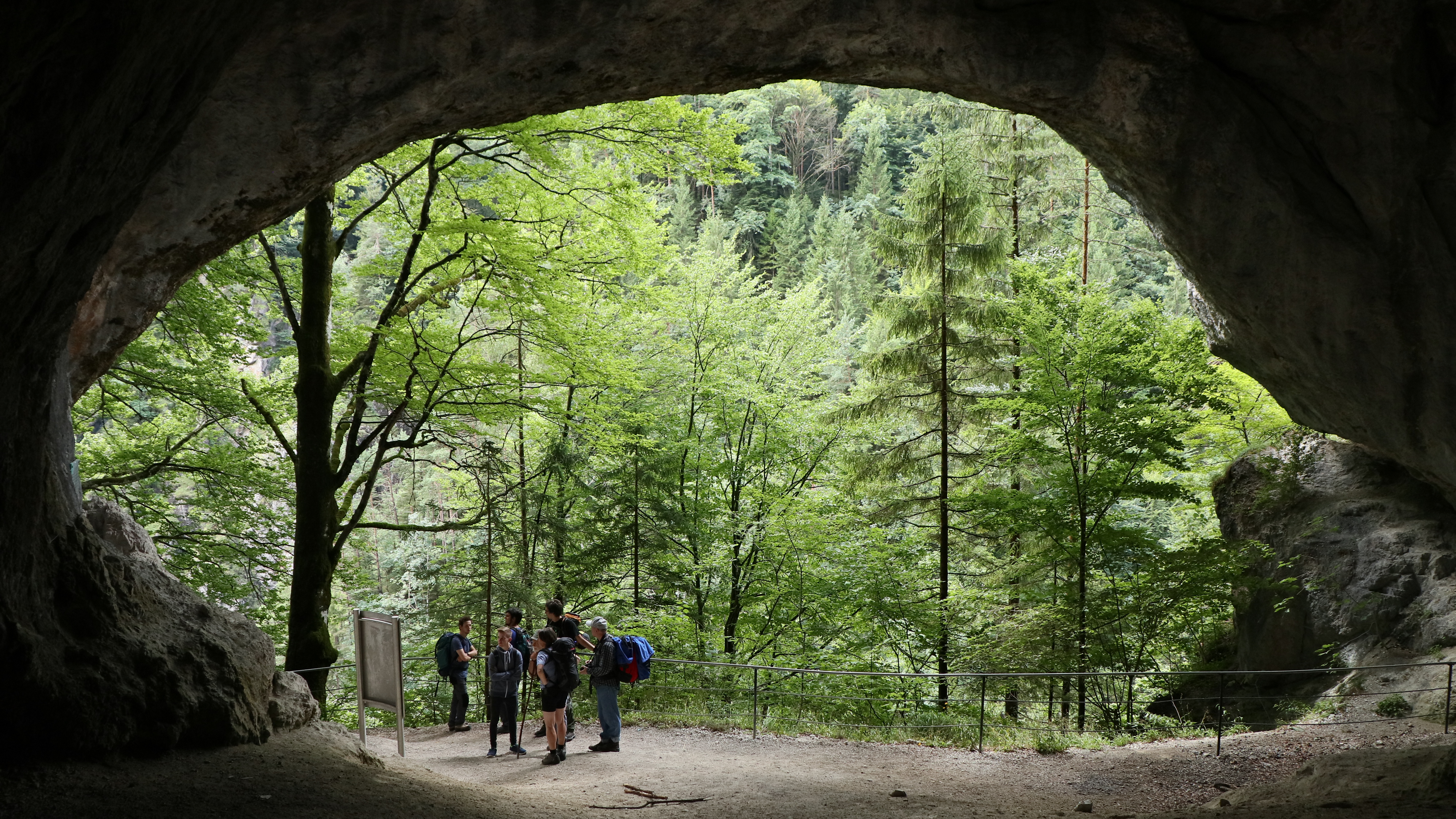
Tischofer Cave
40-meter cave with Paleolithic occupation evidence
Salzofen cave
High-altitude cave with prehistoric artifacts
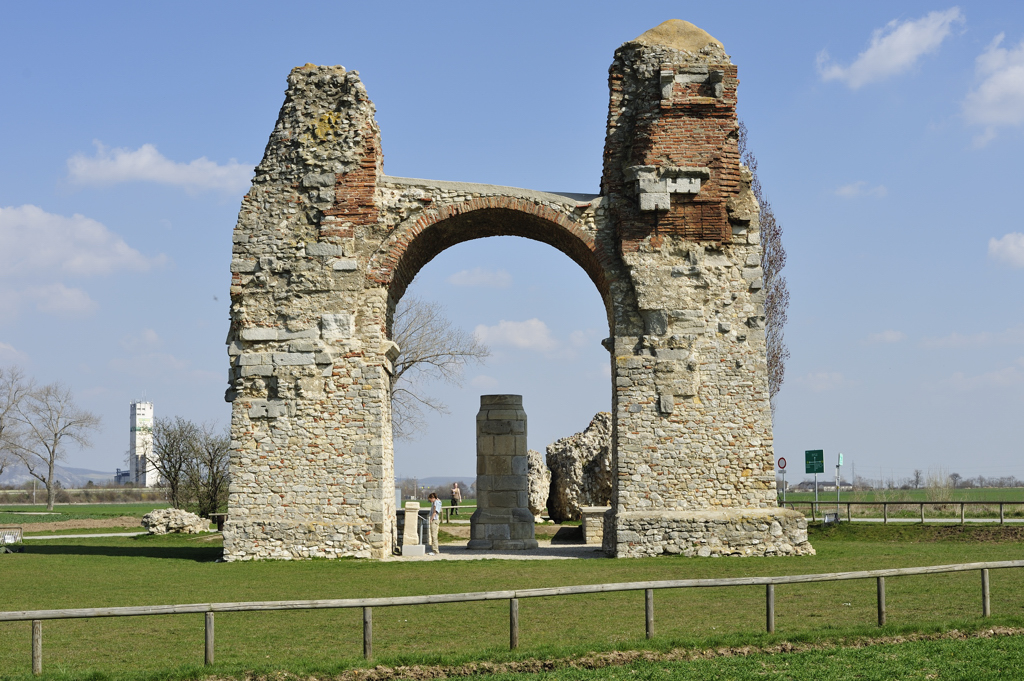
Heidentor
Partially reconstructed Roman triumphal arch
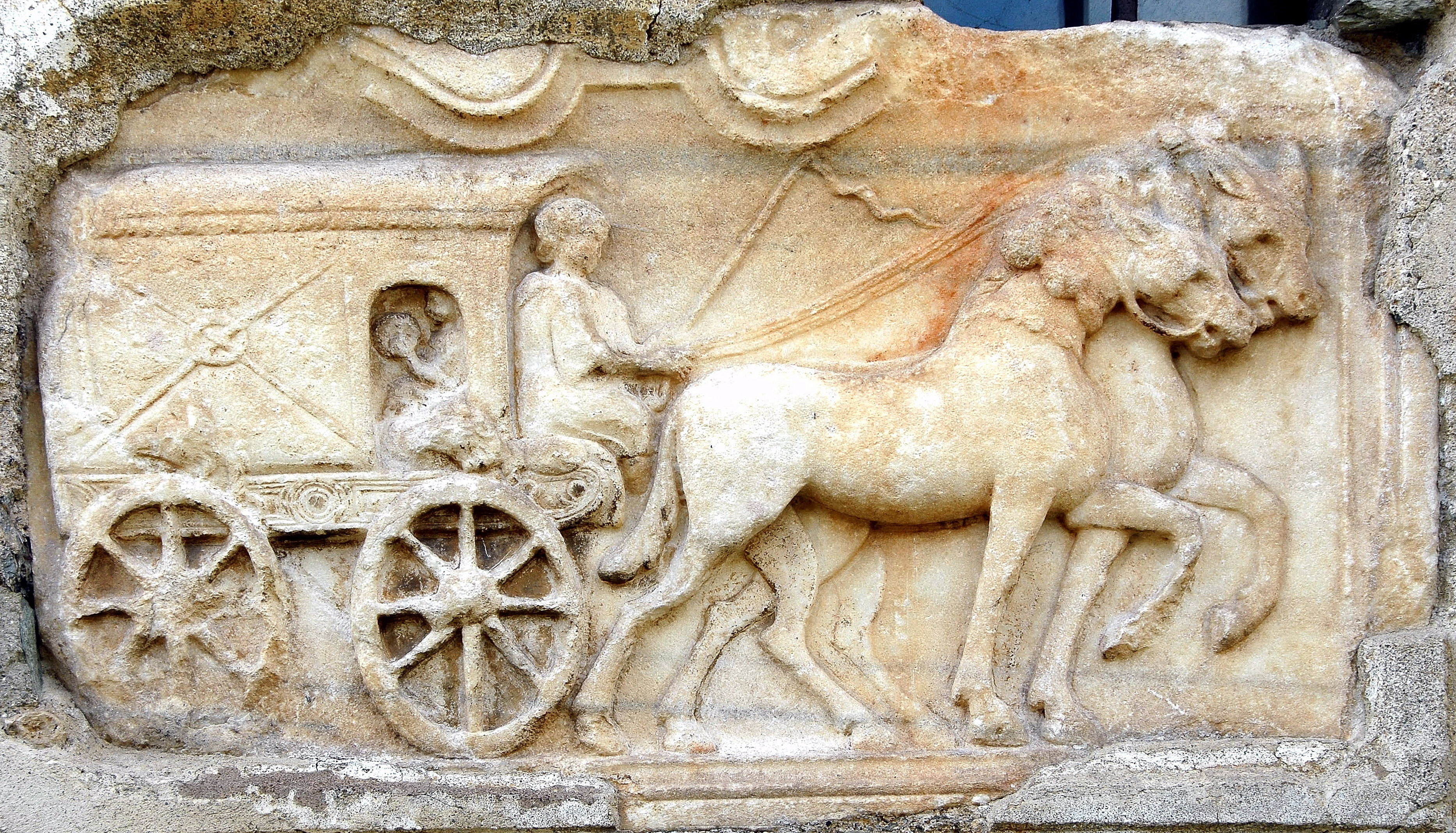
Virunum
Roman provincial city in Carinthia, Austria
Frontiers of the Roman Empire – The Danube Limes (Western Segment)
<p>It covers almost 600km of the whole Roman Empire’s Danube frontier. The property formed part of the much large frontier of the Roman Empire that…