Time Periods
Paleolithic
Mesolithic
Neolithic
Chalcolithic
Bronze Age
Iron Age
Classical Period
Post-Classical Period
Early Modern Period
Industrial Period
Contemporary Period
Time Periods
Paleolithic
Mesolithic
Neolithic
Chalcolithic
Bronze Age
Iron Age
Classical Period
Post-Classical Period
Early Modern Period
Industrial Period
Contemporary Period
Location
About
The archaeological site of Platt in Lower Austria is notable for its rich history of human habitation, with evidence dating back to the late Neolithic Funnelbeaker culture and the early Bronze Age Unetice culture. The site achieved prominence during the early and middle La Tène period, around 300 BCE, as the location of a significant Celtic settlement on the Sandberg ridge, characterized by a city that spanned 20-40 hectares. This settlement was a focal point of prehistoric culture, with at least 450 buildings and designated cult sites in a halidom district. The village of Platt was first documented in 1185 CE and has experienced various historical challenges, including fires and a cholera epidemic. The Diendorf fault line also plays a role in the region's geological instability, contributing to the mysterious disappearance of a local castle in the 17th century.
Archaeological Features
Explore the unique architectural and cultural elements found at this historical site
Defensive Structures
Religious and Ritual Structures
Agricultural and Land Use Features
Domestic and Habitation Structures
Historical Timeline
Journey through time and discover key events in this site's archaeological history
Plan Your Visit
Details
- Country
- Austria
- Source
- Wikipedia
More Sites in Austria
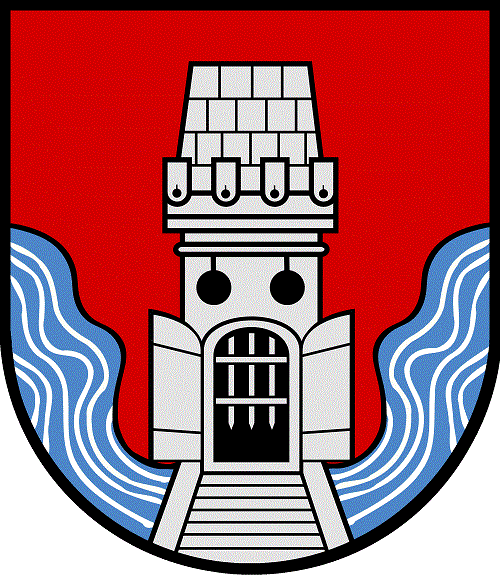
Frohnleiten
Historic town with 15th-16th century buildings
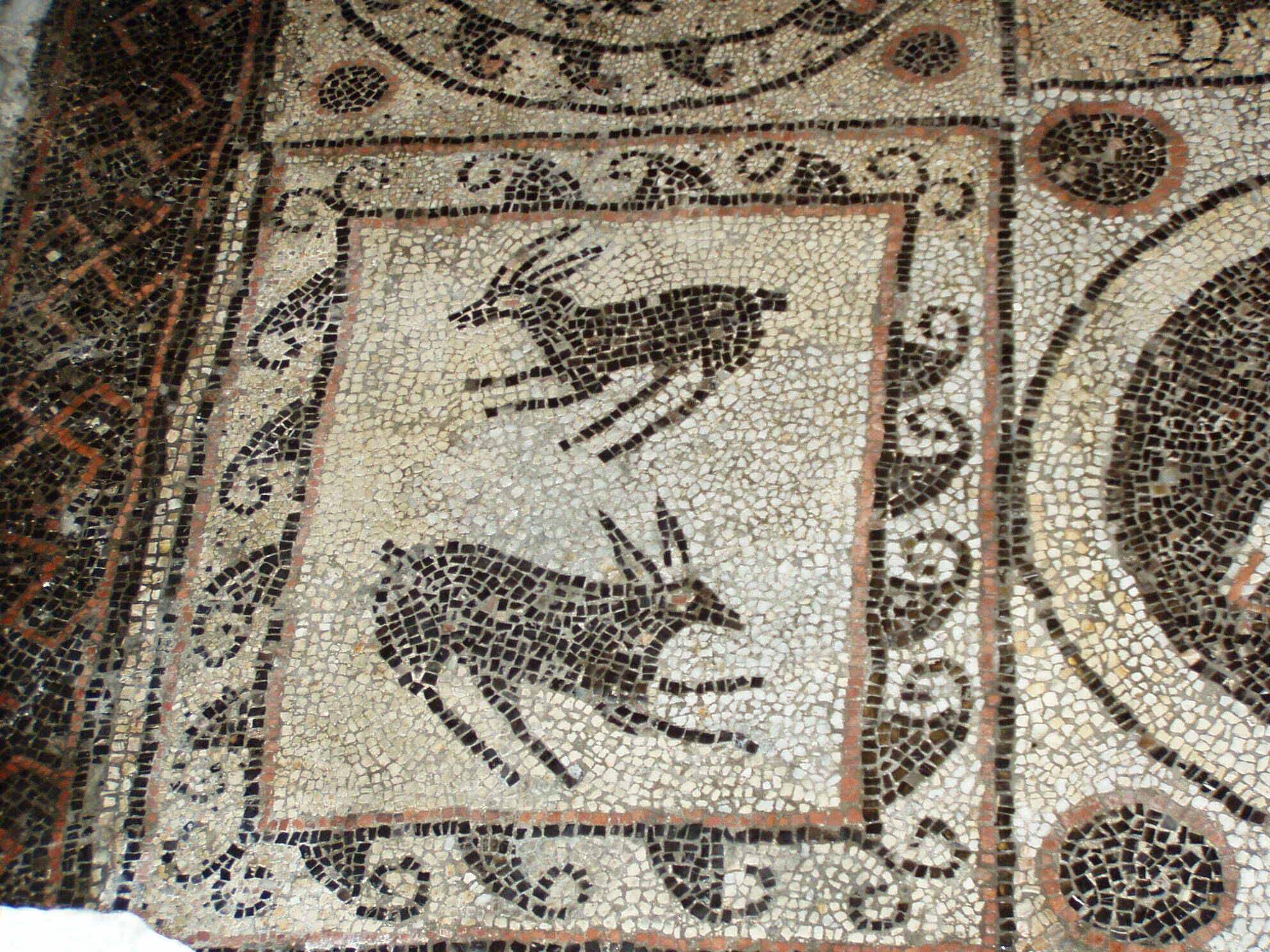
Teurnia
Roman city with churches and mosaics.
Salzofen cave
High-altitude cave with prehistoric artifacts
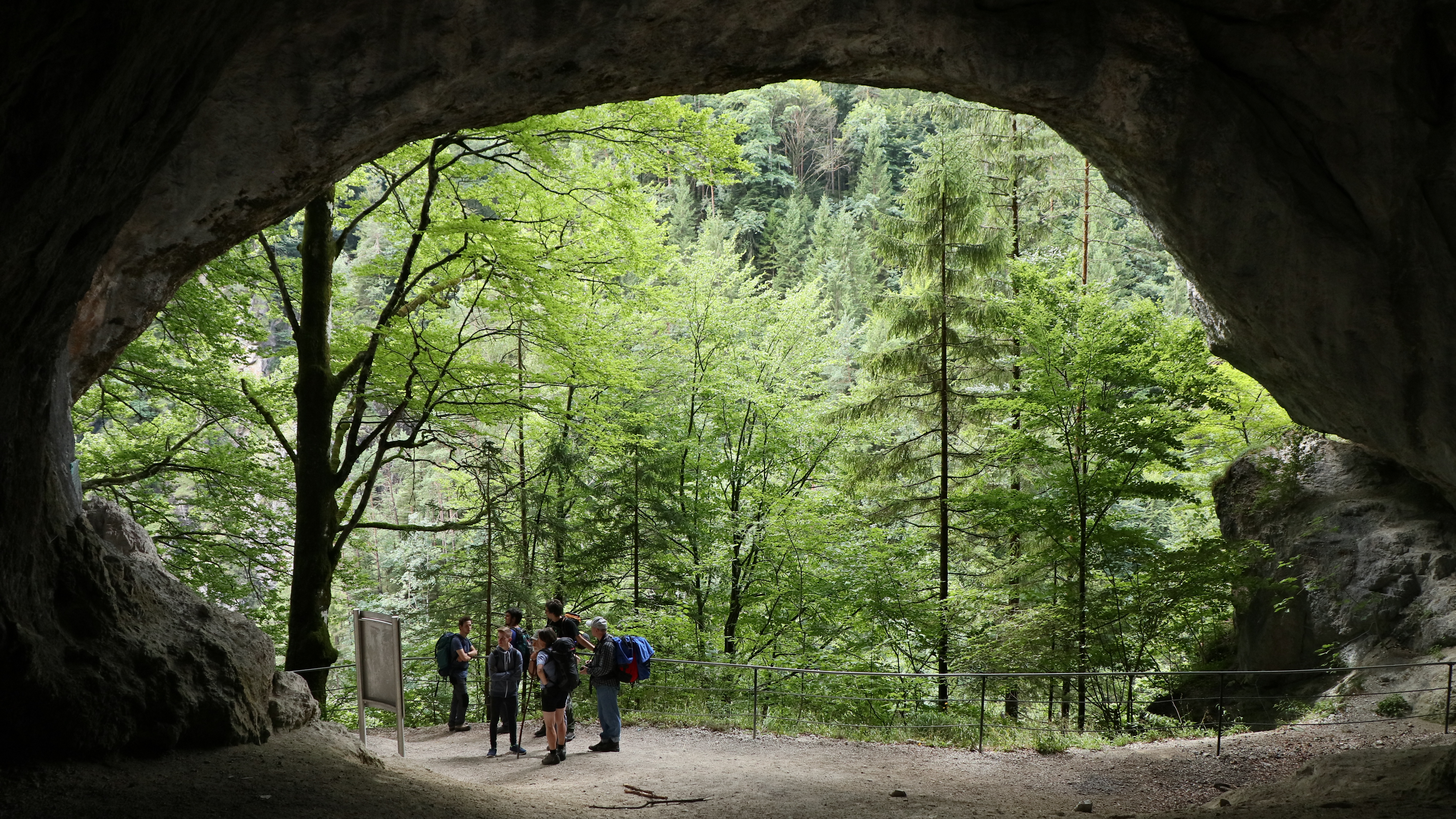
Tischofer Cave
40-meter cave with Paleolithic occupation evidence
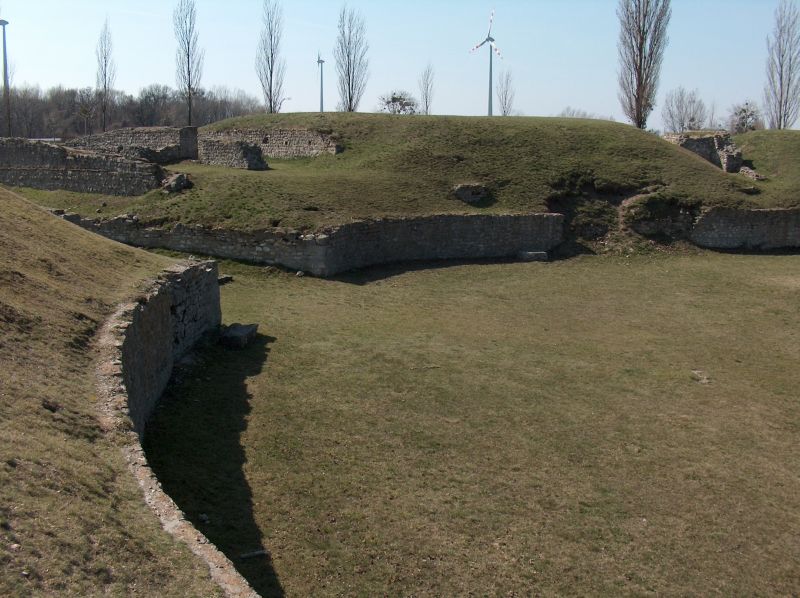
Carnuntum
Roman military and trading city ruins
Kaiserwald (Styria)
Roman burial mounds in Austrian forest