Time Periods
Paleolithic
Mesolithic
Neolithic
Chalcolithic
Bronze Age
Iron Age
Classical Period
Post-Classical Period
Early Modern Period
Industrial Period
Contemporary Period
Time Periods
Paleolithic
Mesolithic
Neolithic
Chalcolithic
Bronze Age
Iron Age
Classical Period
Post-Classical Period
Early Modern Period
Industrial Period
Contemporary Period
Location
About
The Kaiserwald in Styria, Austria, is notable for its archaeological significance, primarily due to the presence of over 120 Roman burial mounds dating back to the 1st and 2nd centuries CE. These mounds, characterized by their modest grave goods, suggest a rural Roman population. The area also reveals Bronze Age and Copper Age artifacts, including ceramics and settlement remains from the 14th to 13th centuries BCE and around 3500 BCE, respectively. The forest has served various roles throughout history, from a religious and industrial site to a military installation during World War II. Its historical layers provide insight into the cultural and economic transformations of the region over millennia.
Gallery
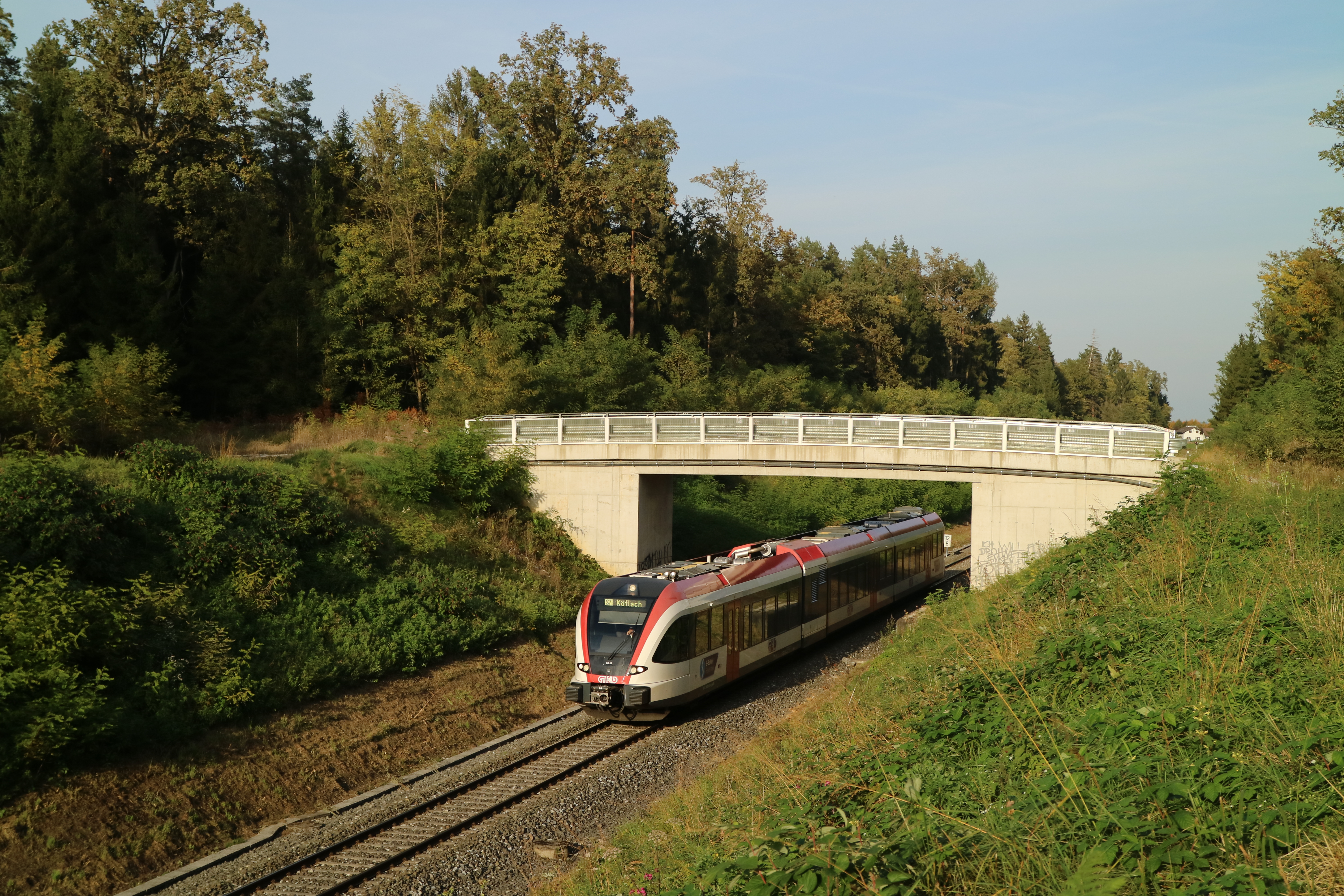
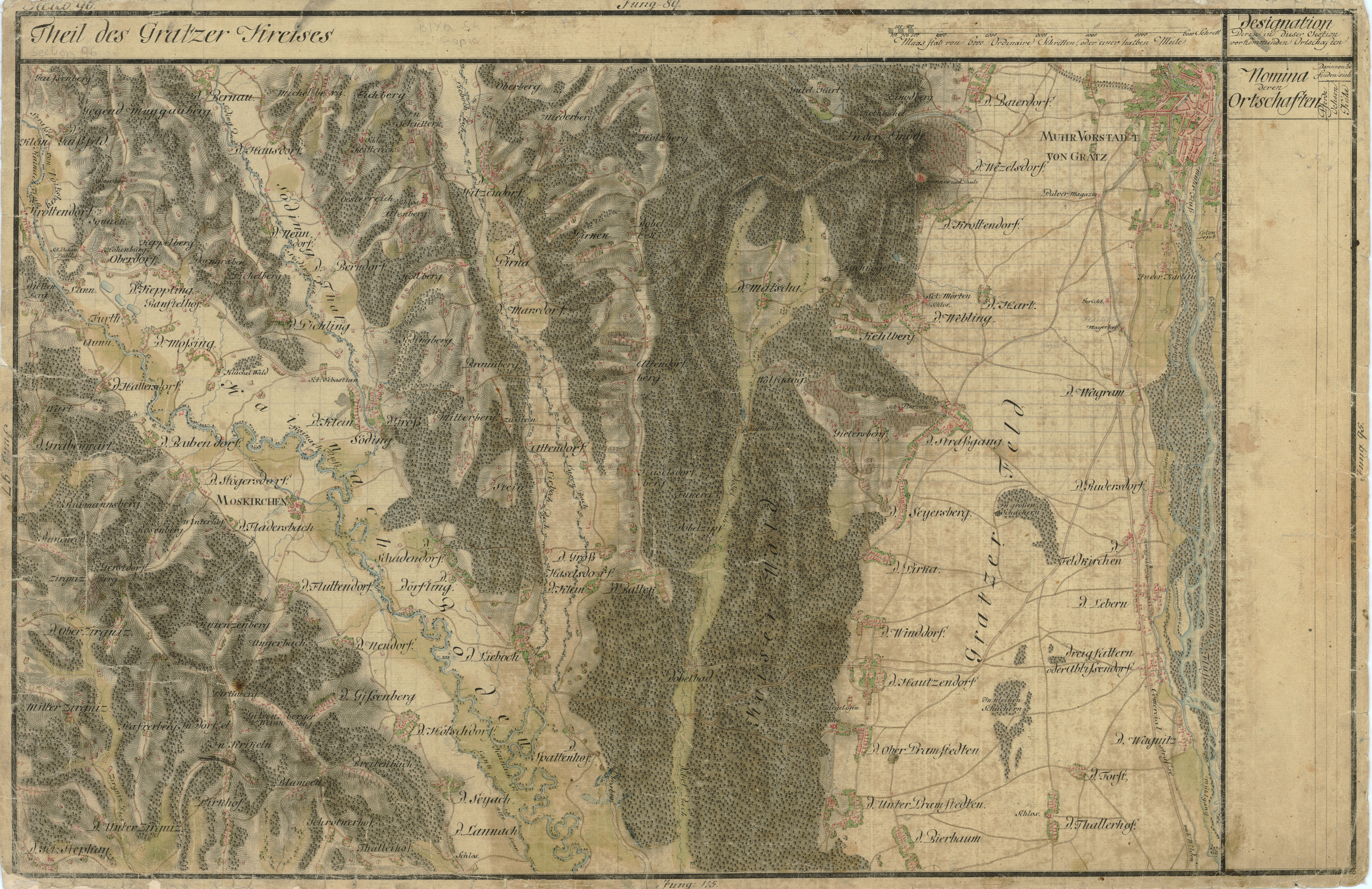
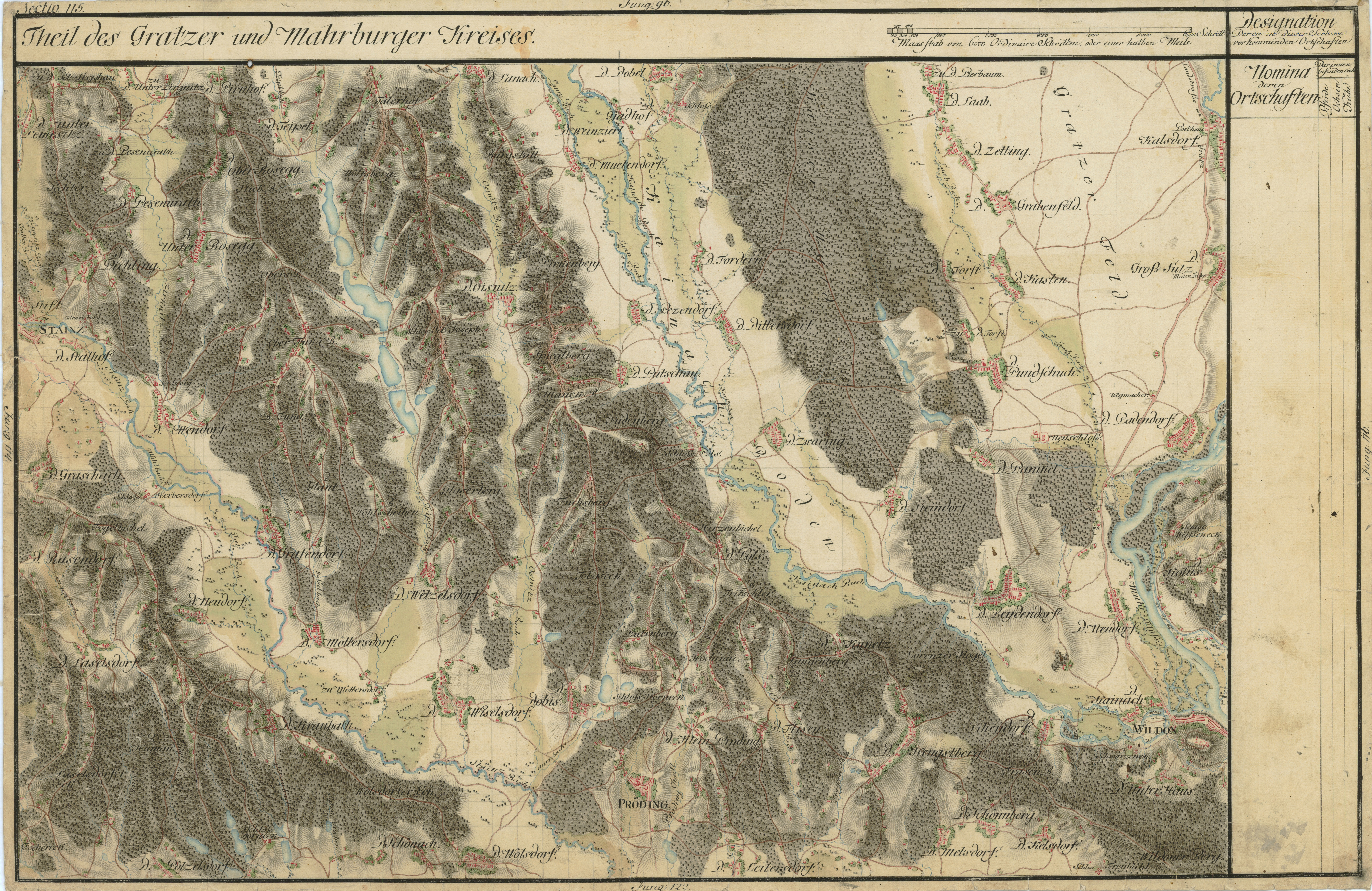
Explore photographs of ancient structures, artifacts, and archaeological excavations at Kaiserwald (Styria)
Archaeological Features
Explore the unique architectural and cultural elements found at this historical site
Military Installations
Burial and Funerary Structures
Industrial and Craft Structures
Historical Timeline
Journey through time and discover key events in this site's archaeological history
Plan Your Visit
Details
- Country
- Austria
- Source
- Wikipedia
More Sites in Austria
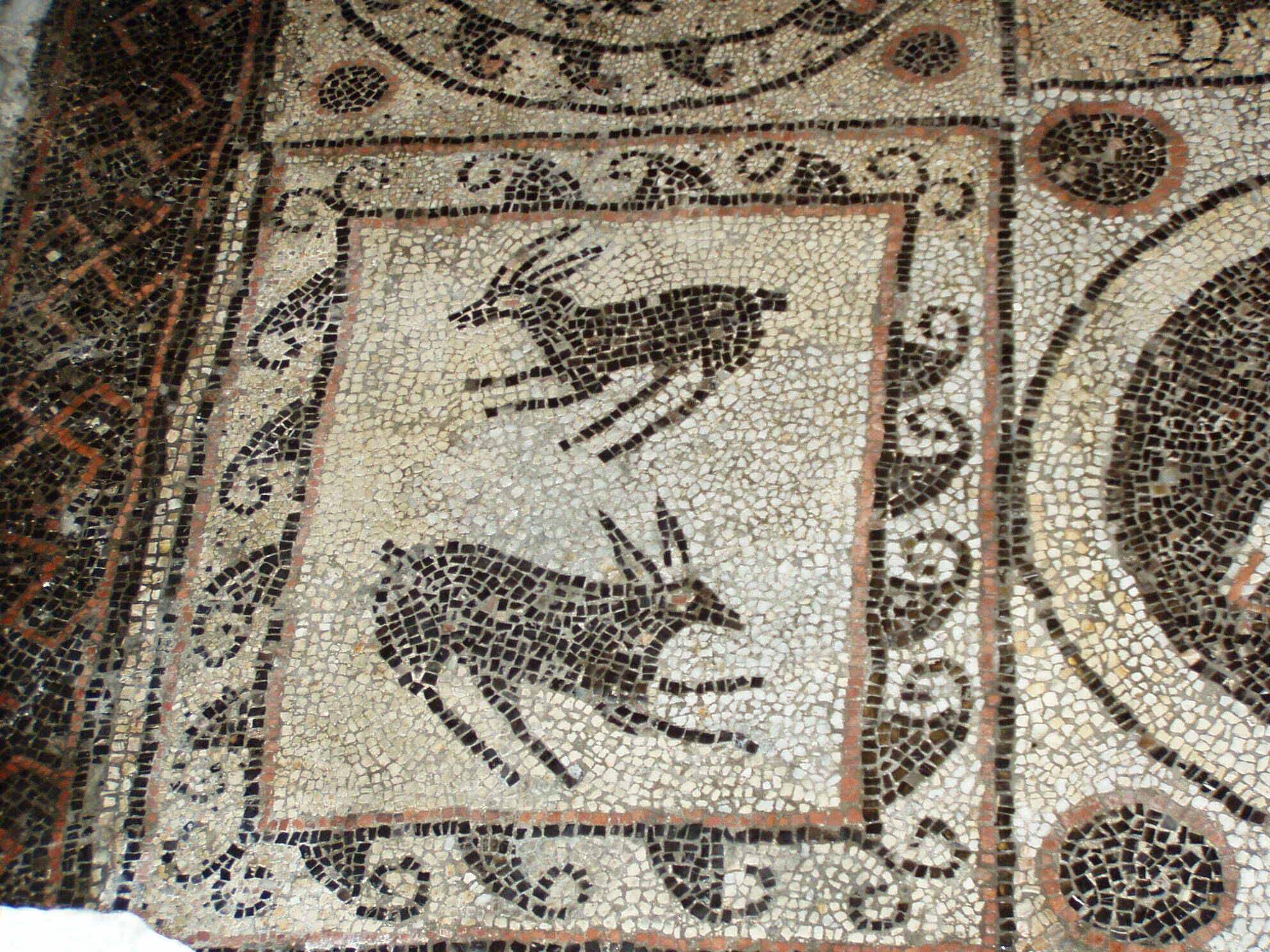
Teurnia
Roman city with churches and mosaics.
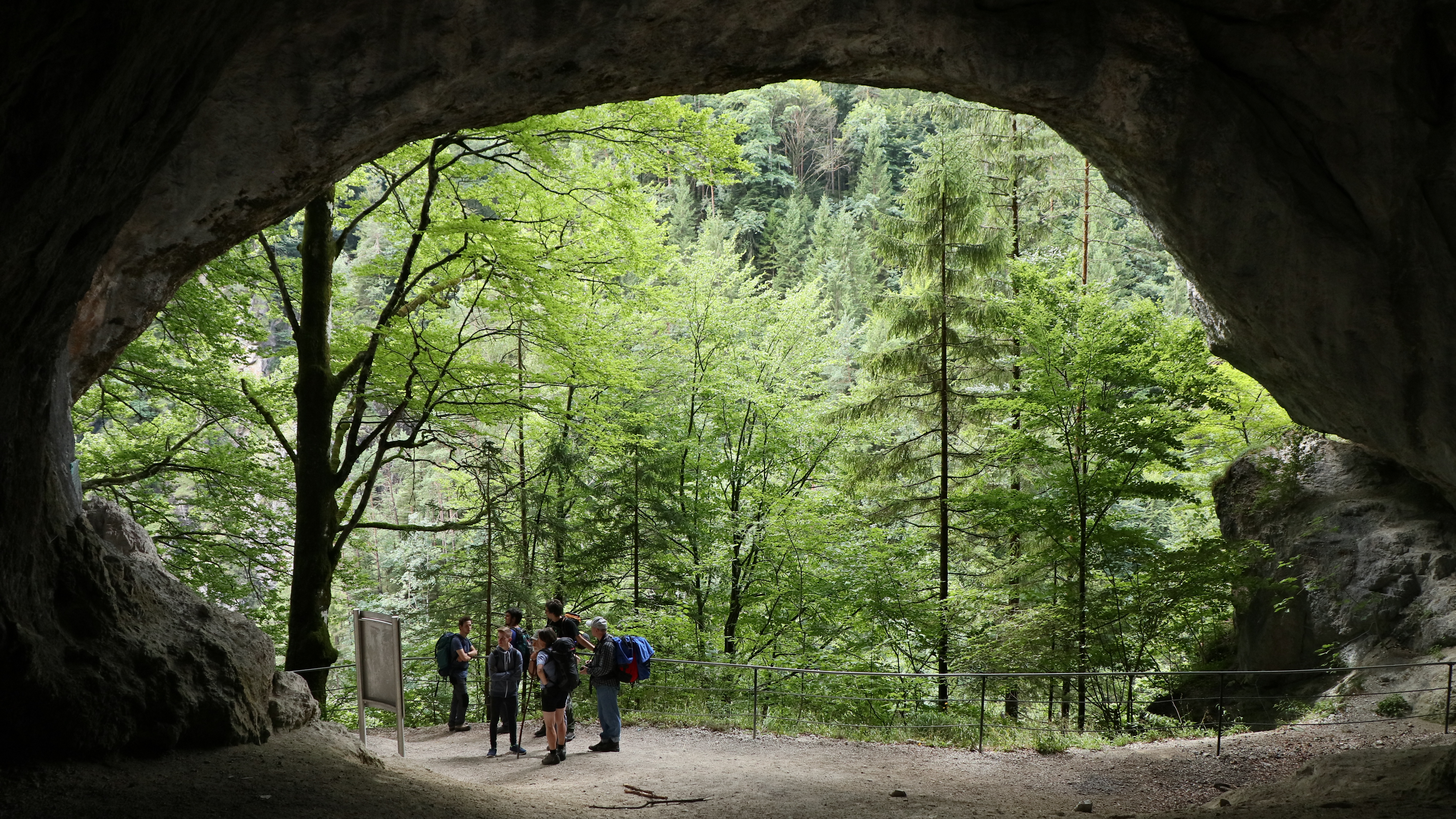
Tischofer Cave
40-meter cave with Paleolithic occupation evidence
Platt, Austria
Celtic settlement on Sandberg ridge.
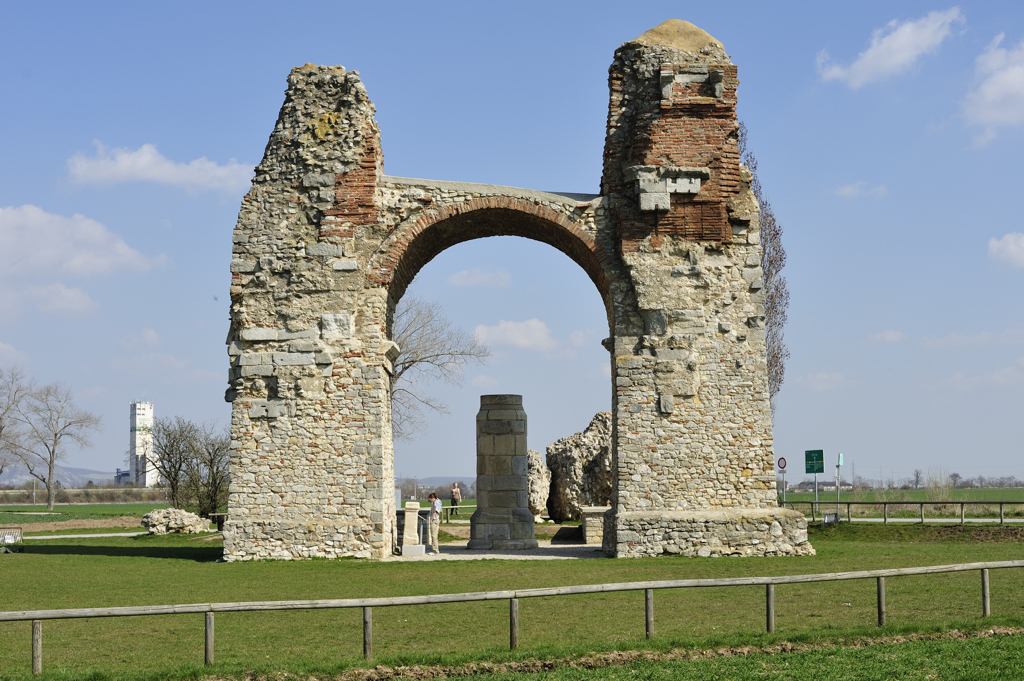
Heidentor
Partially reconstructed Roman triumphal arch
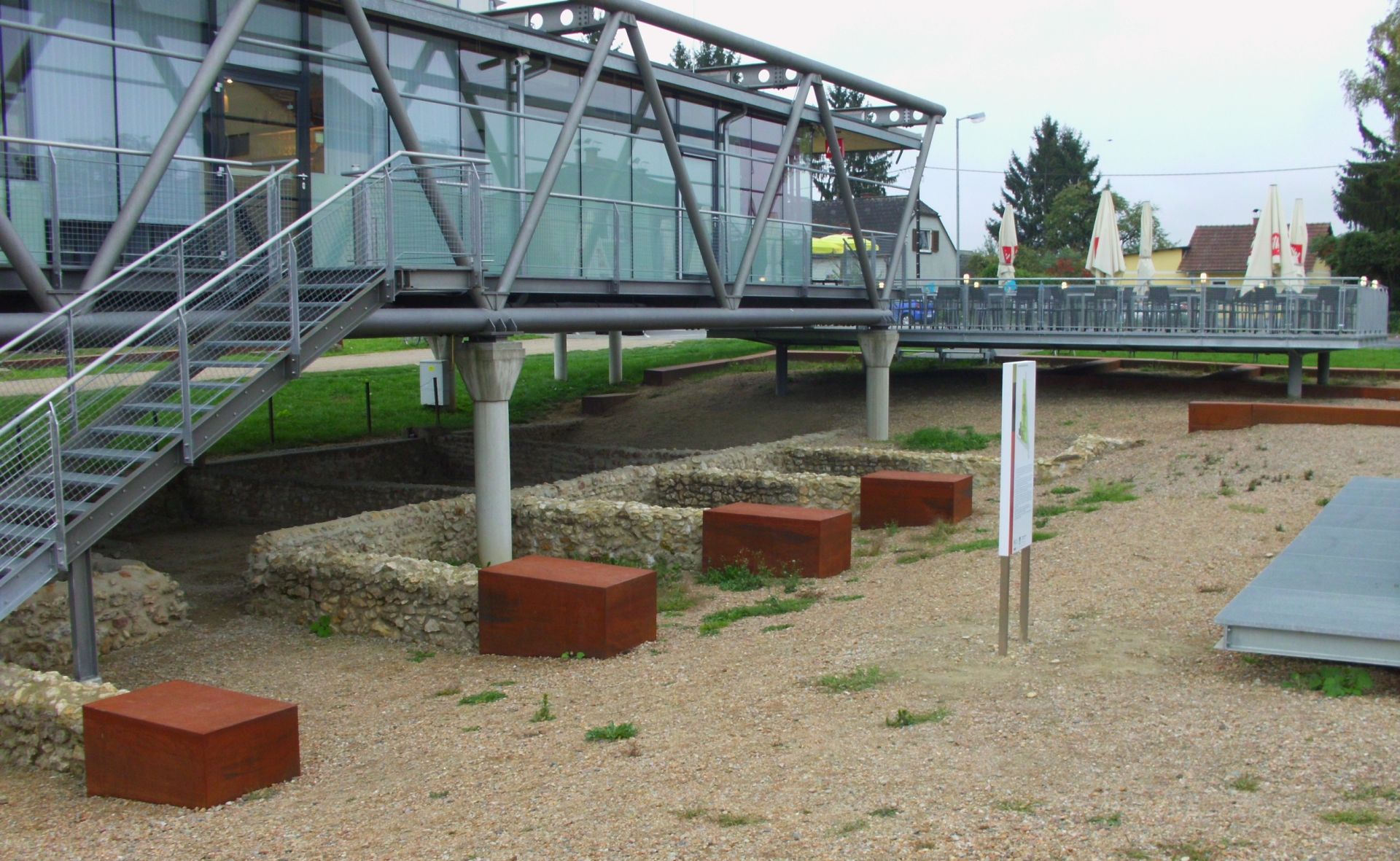
Flavia Solva
Roman municipium with stone buildings and amphitheatre
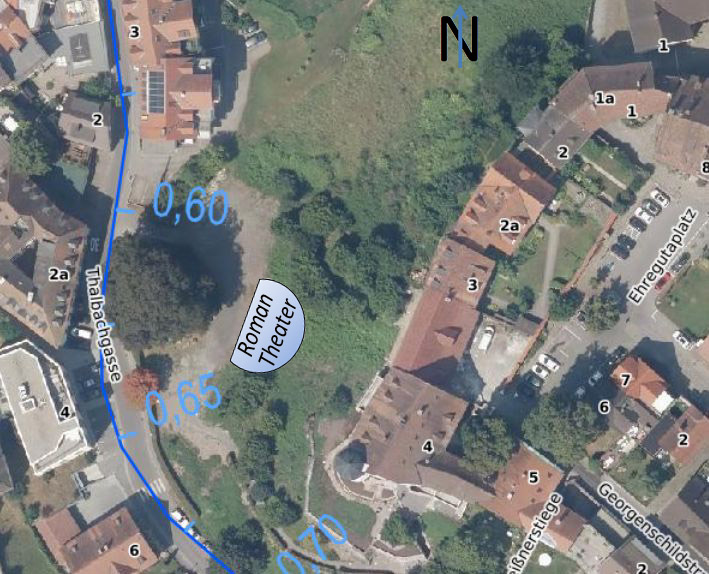
Roman Theatre (Bregenz)
Roman Theatre with stone and wooden construction