Explore the Map
Teurnia
46.8233° N, 13.4437° E
About
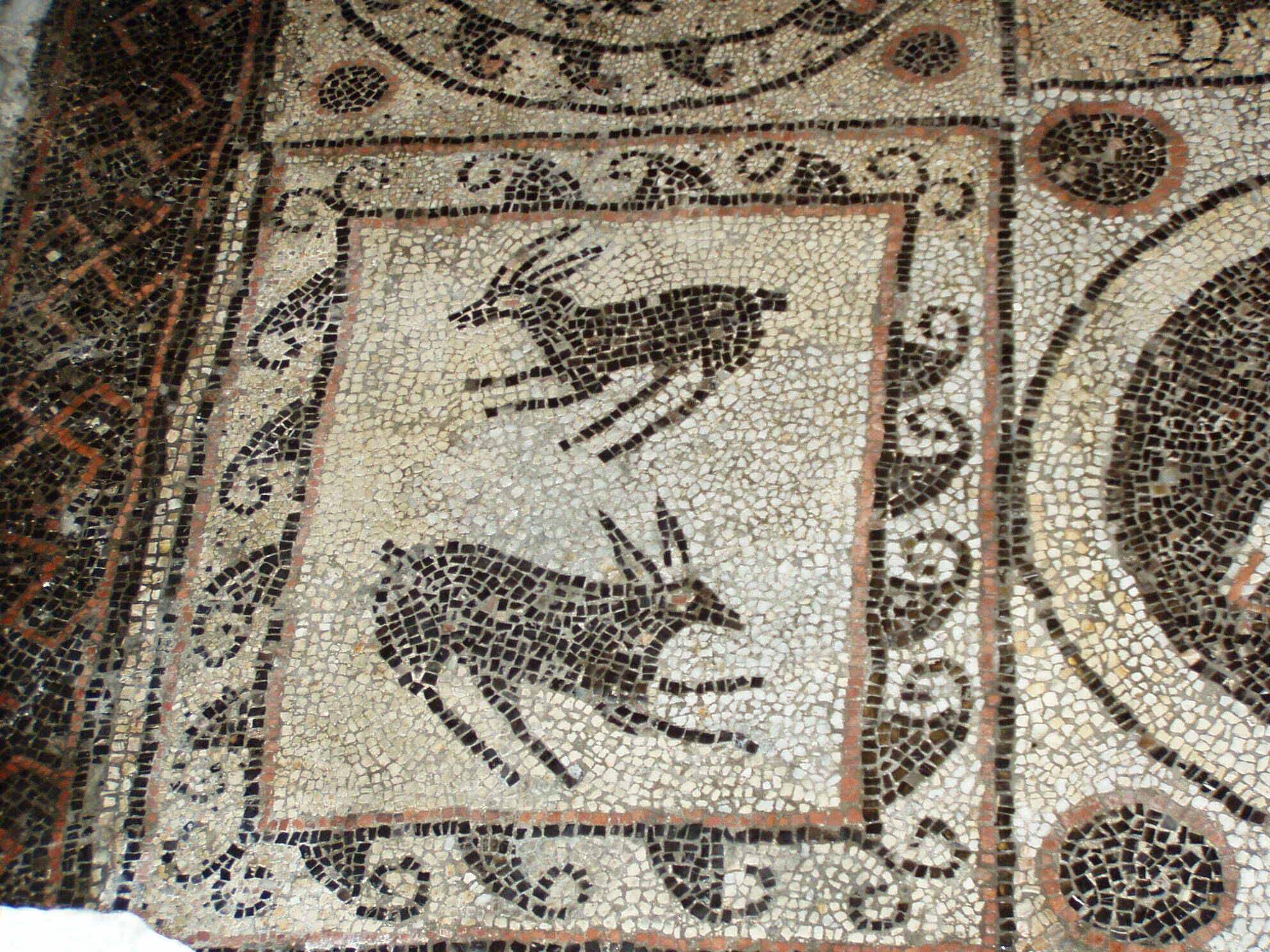
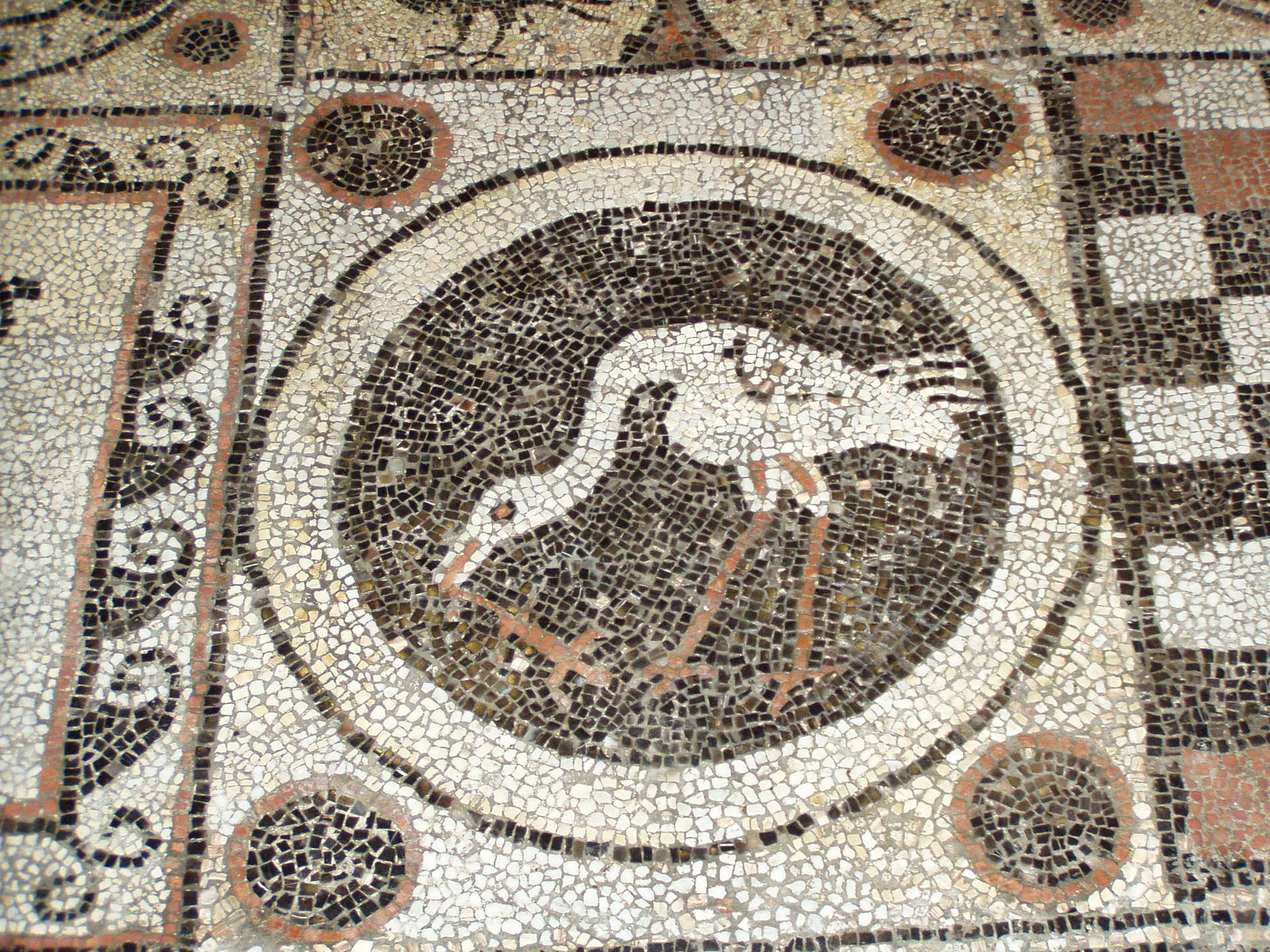
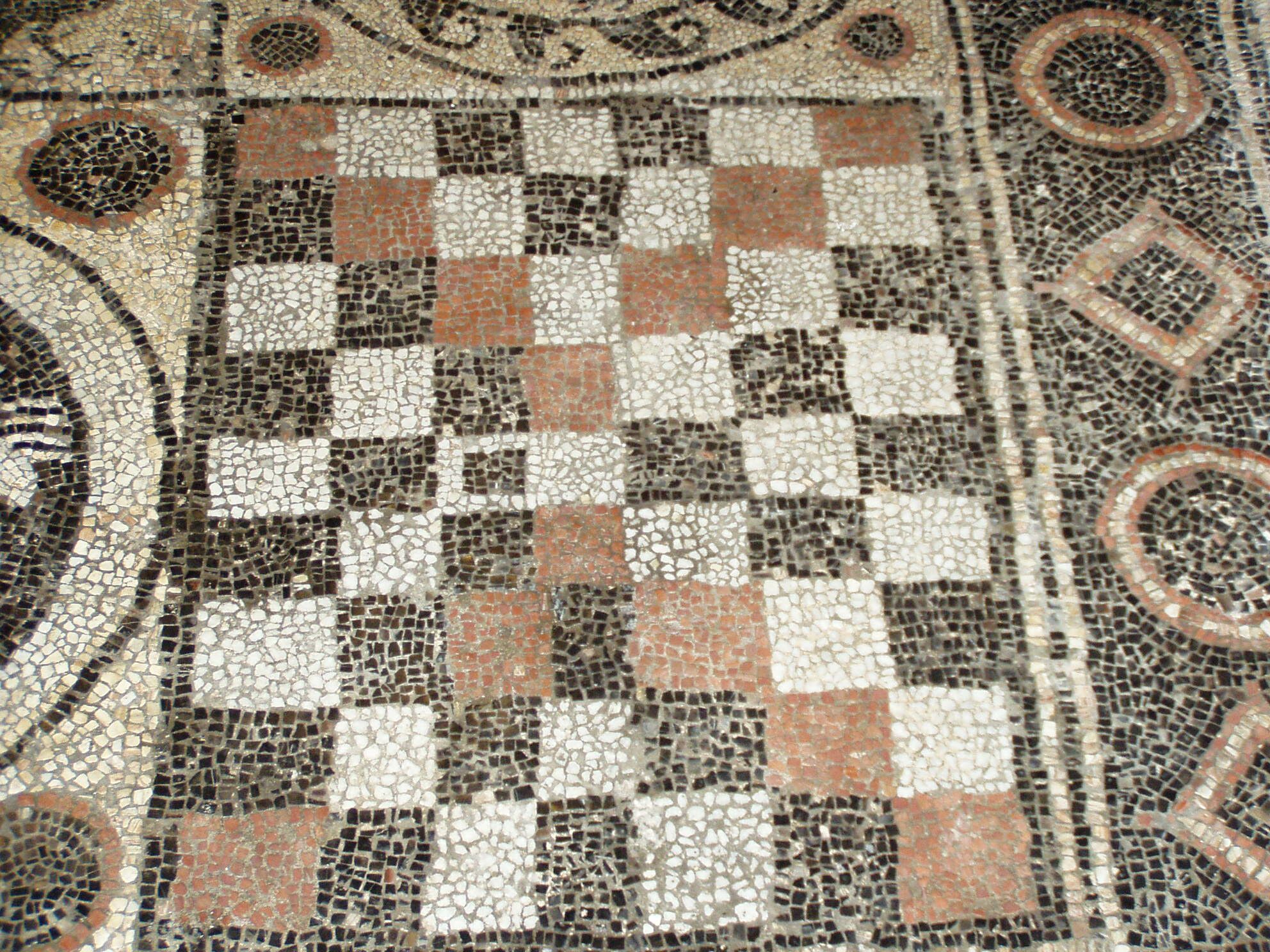
Teurnia, known in antiquity as a Roman municipium, was a prominent city located in present-day western Carinthia, Austria. Established on a wooded hill at St. Peter in Holz, it was initially inhabited as early as 1100 BCE. The city experienced significant growth around 50 CE when the Romans constructed key features such as a forum, market basilica, and temples, including one dedicated to Grannus Apollo. Teurnia served as an important urban center in Noricum, reaching a peak population of 30,000. By the 4th century, it had become a Christian bishop's see, retaining ecclesiastical significance until its decline and eventual end in 610 CE. Notable archaeological finds include mosaics in the cemetery church and remnants of the bishop's church, indicating a rich cultural and religious history.
Gallery
Explore photographs of ancient structures, artifacts, and archaeological excavations
Historical Timeline
Journey through time and discover key events in this site's history
Early habitation
1100 BCE
Roman town construction
50 CE
Christian bishop's see
300 CE
Decline and end of city
610 CE
Archaeological Features
Unique architectural and cultural elements found at this historical site
Water Management Features
Public and Civic Structures
Burial and Funerary Structures
Religious and Ritual Structures
Artistic and Decorative Features
Agricultural and Land Use Features
Domestic and Habitation Structures
Frequently Asked Questions
Plan Your Visit
Tours, travel arrangements, and practical information
More Sites in Austria
Virunum
Roman provincial city in Carinthia, Austria
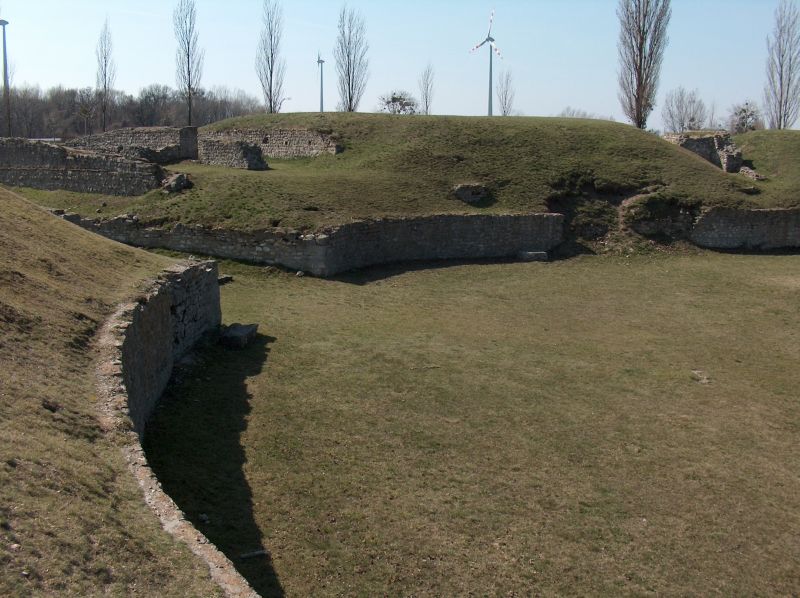
Carnuntum
Roman military and trading city ruins
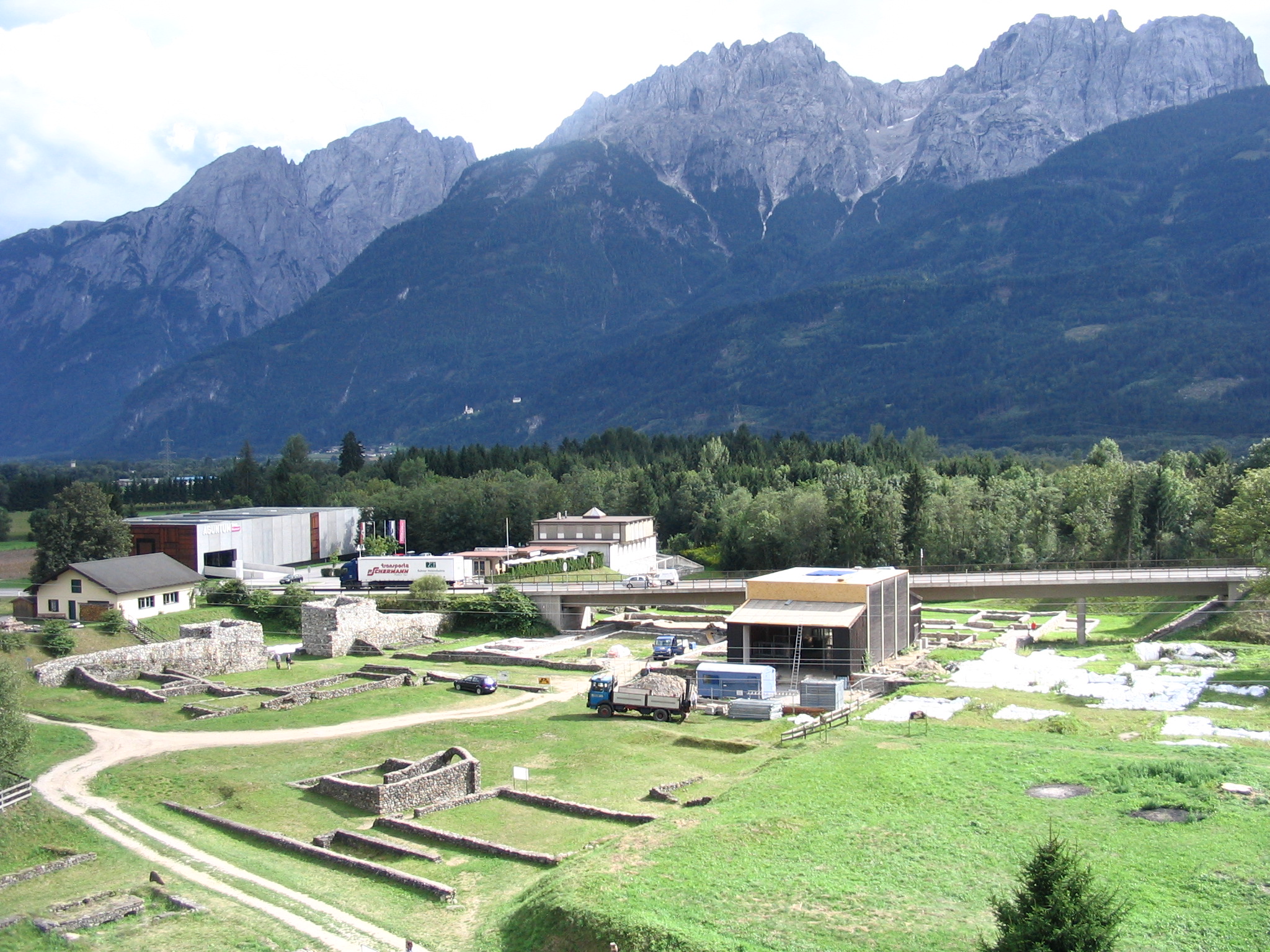
Aguntum
Roman town ruins, East Tirol (1st–3rd centuries AD)
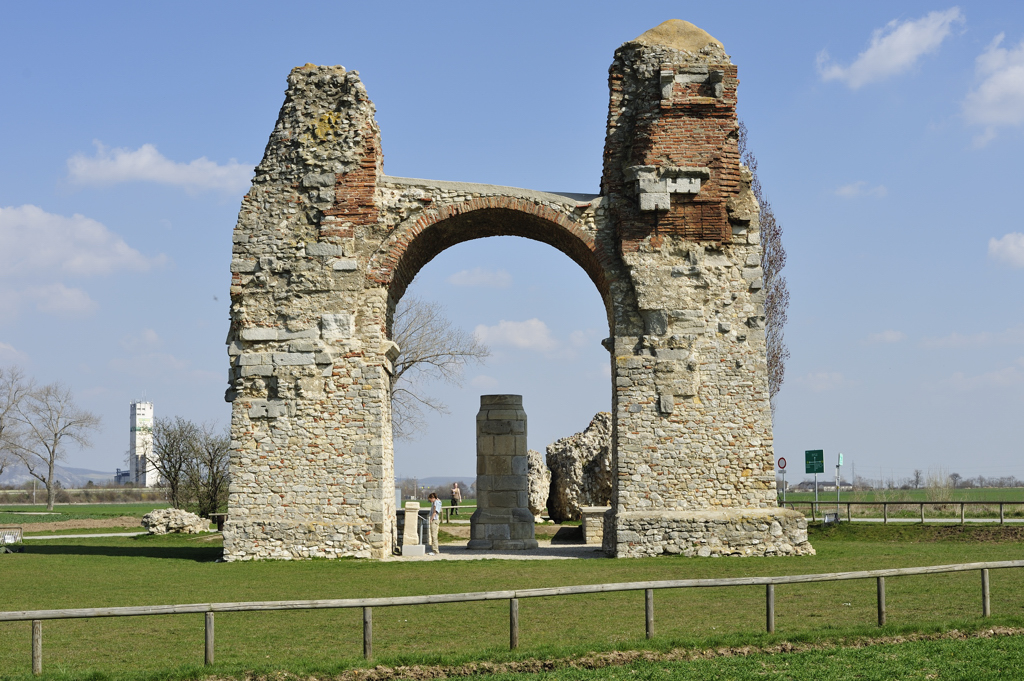
Heidentor
Partially reconstructed Roman triumphal arch
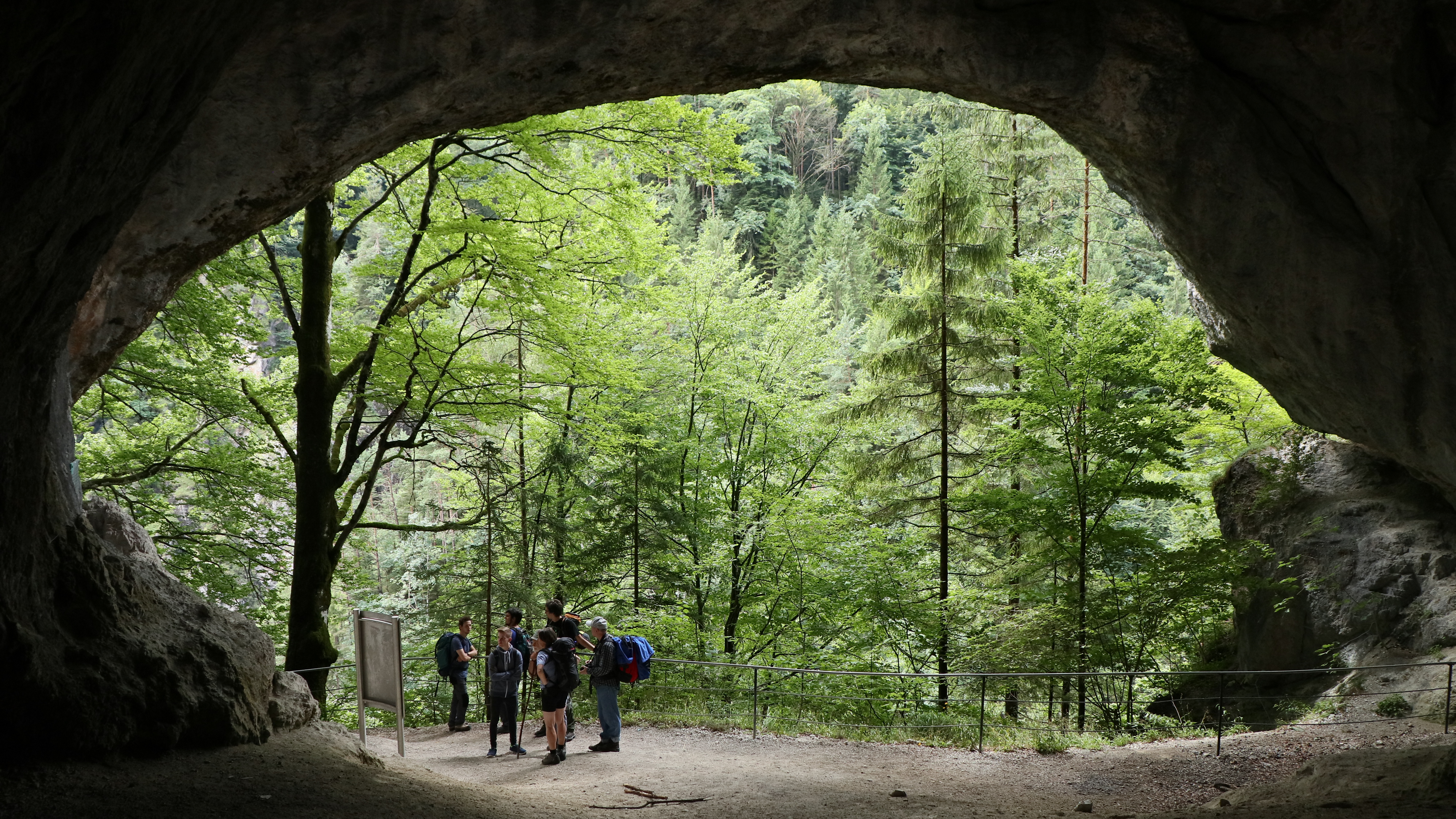
Tischofer Cave
40-meter cave with Paleolithic occupation evidence
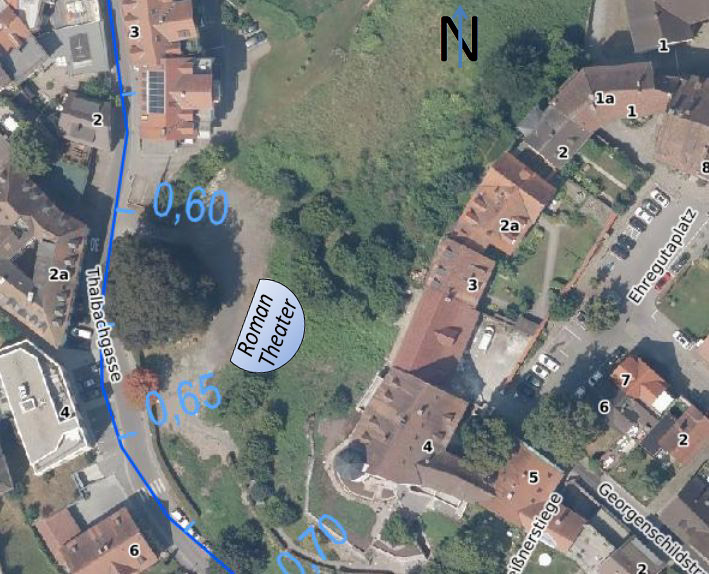
Roman Theatre (Bregenz)
Roman Theatre with stone and wooden construction