Explore the Map
Flavia Solva
46.7667° N, 15.5674° E
About
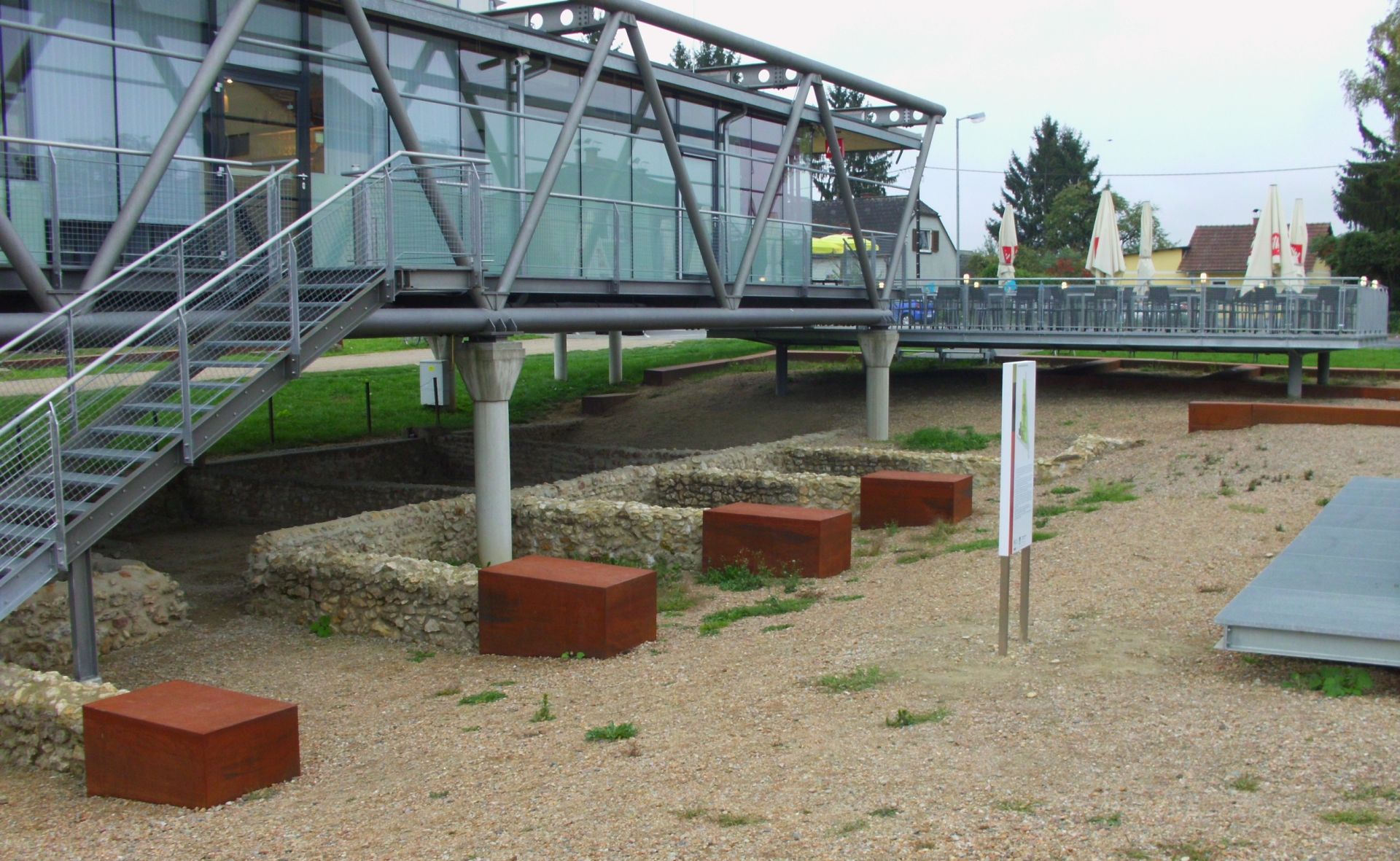
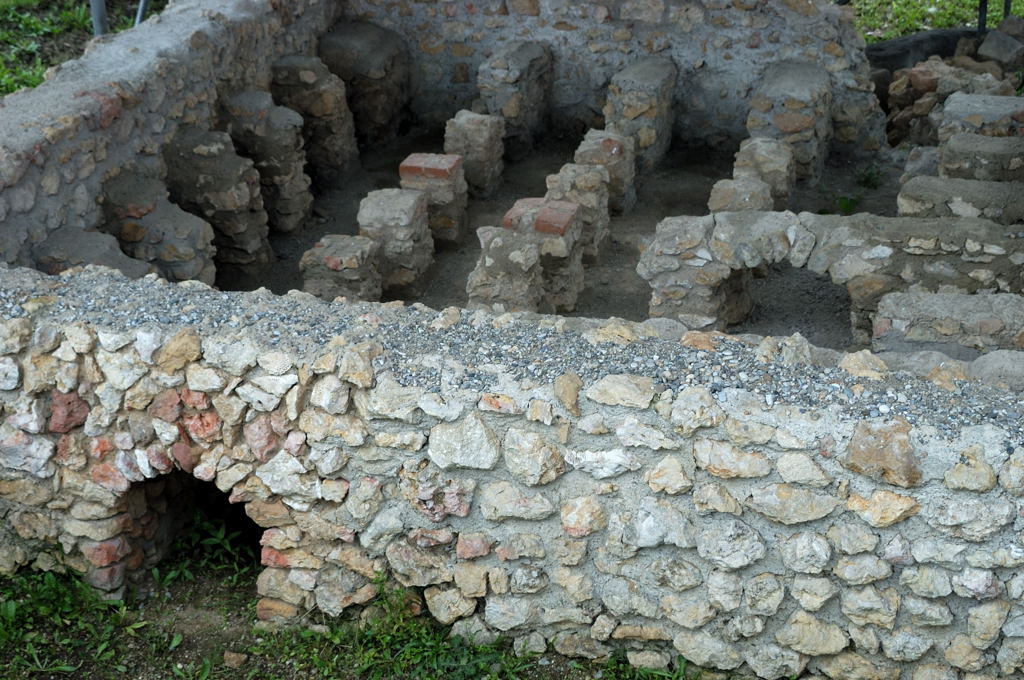
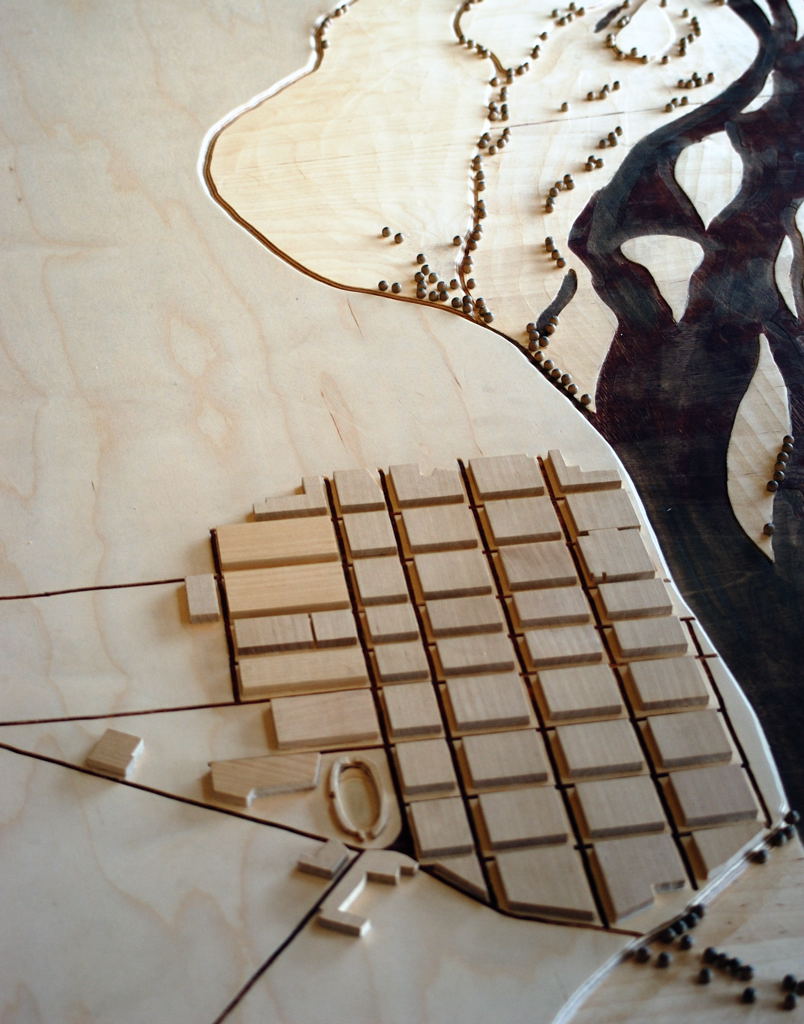
Flavia Solva was a Roman municipium located in the ancient province of Noricum, near modern-day Wagna and Leibnitz in Austria. Founded as a Celto-Roman settlement around 15 CE, it became a municipium under Emperor Vespasian in 70 CE. The city was characterized by its Roman grid layout with stone buildings and an amphitheatre, though it lacked aqueducts or canalization. Flavia Solva served as a modest agricultural center, connected by Roman roads to major cities. It faced destructions by the Marcomanni in 166 CE and again in 405 CE due to Germanic invasions, with rebuilding occurring in between. The city's importance waned by the late 4th century, but archaeological findings like a well-preserved bone flute and the largest cemetery from late Roman times in the region highlight its historical significance.
Gallery
Explore photographs of ancient structures, artifacts, and archaeological excavations
Historical Timeline
Journey through time and discover key events in this site's history
Foundation of Celto-Roman dwelling
15 CE
Municipium status granted by Vespasian
70 CE
Rebuilding under Commodus
2nd century CE
First destruction by Marcomanni
166 CE
Flourishing with public fire brigade
205 CE
Second destruction by Germanic invasion
405 CE
Residual settlement remains
450s CE
Archaeological Features
Unique architectural and cultural elements found at this historical site
Public and Civic Structures
Burial and Funerary Structures
Religious and Ritual Structures
Domestic and Habitation Structures
Transportation and Communication Structures
Frequently Asked Questions
Plan Your Visit
Tours, travel arrangements, and practical information
More Sites in Austria
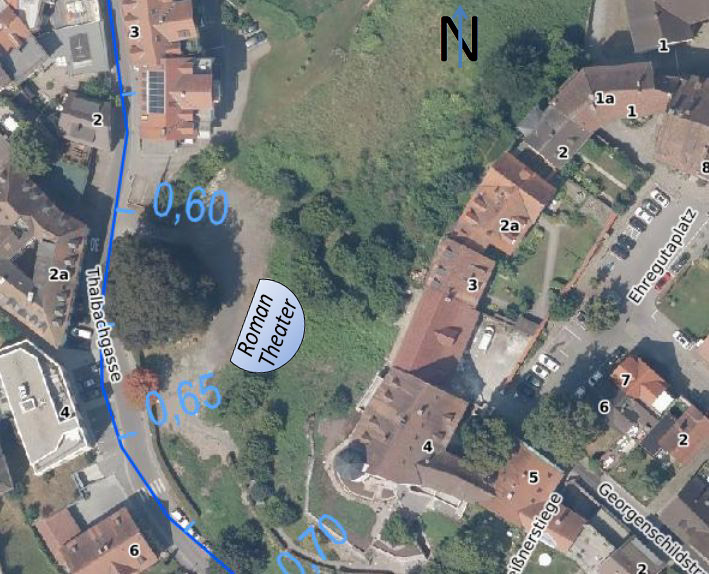
Roman Theatre (Bregenz)
Roman Theatre with stone and wooden construction
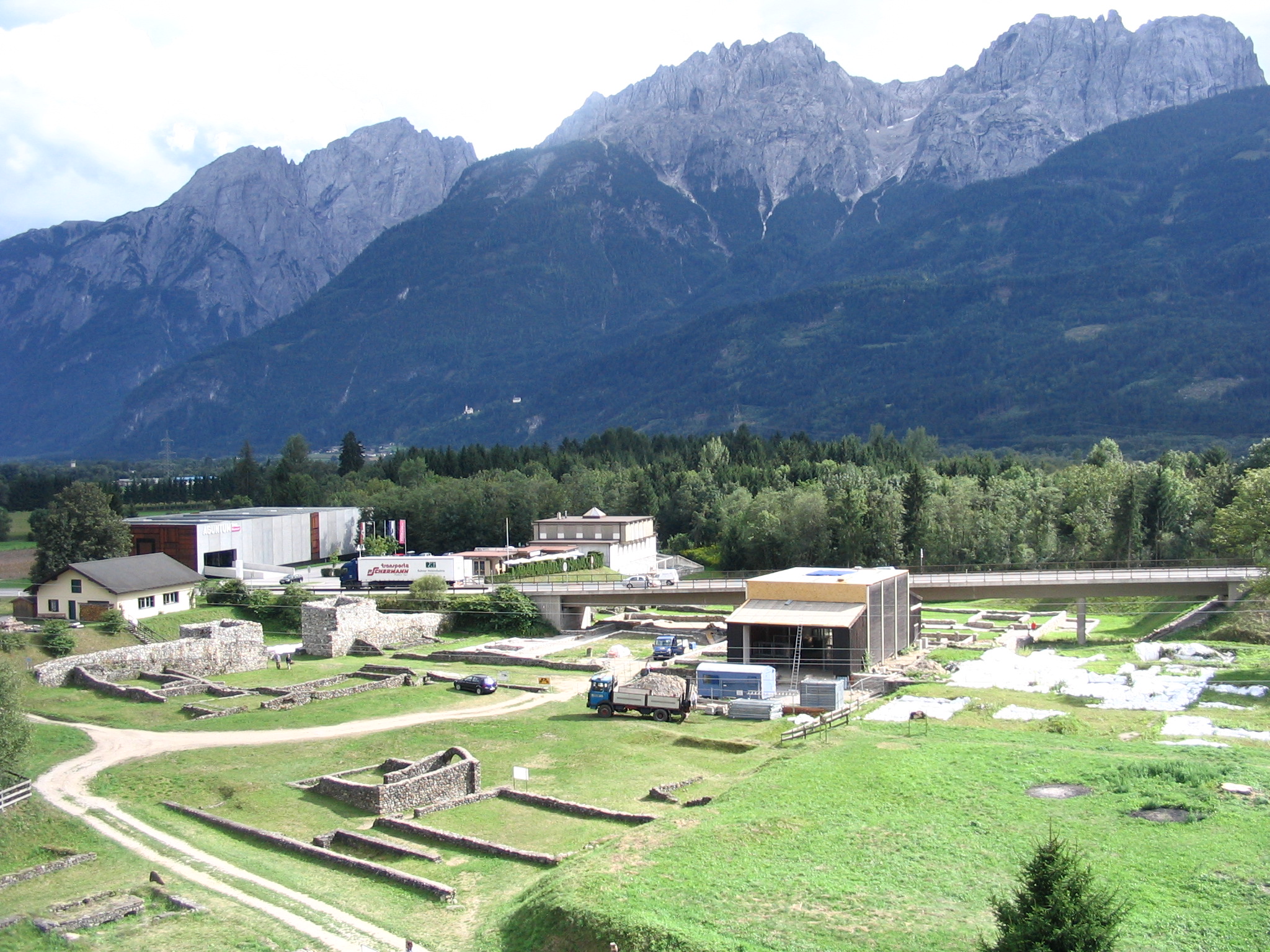
Aguntum
Roman town ruins, East Tirol (1st–3rd centuries AD)
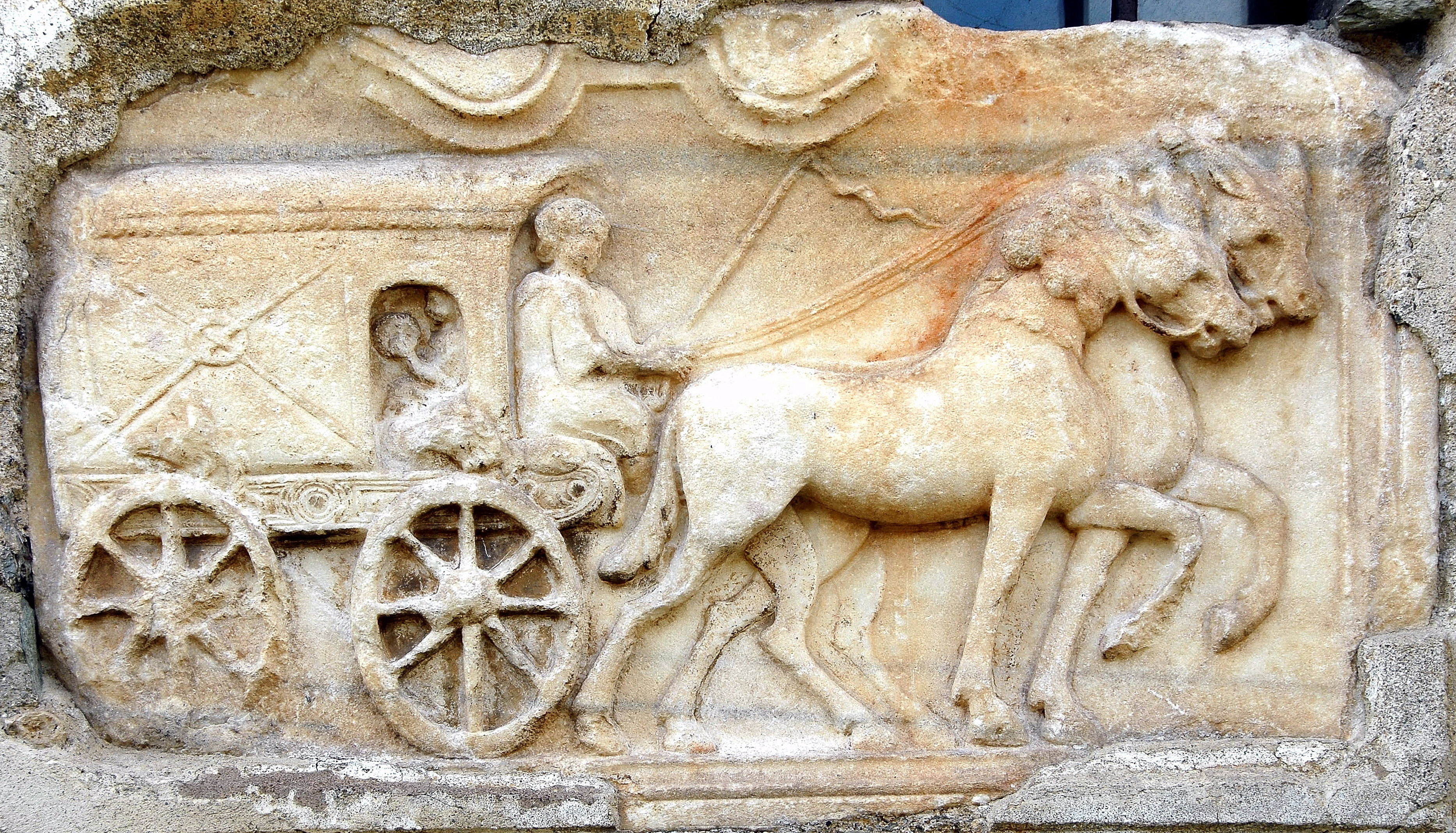
Virunum
Roman provincial city in Carinthia, Austria
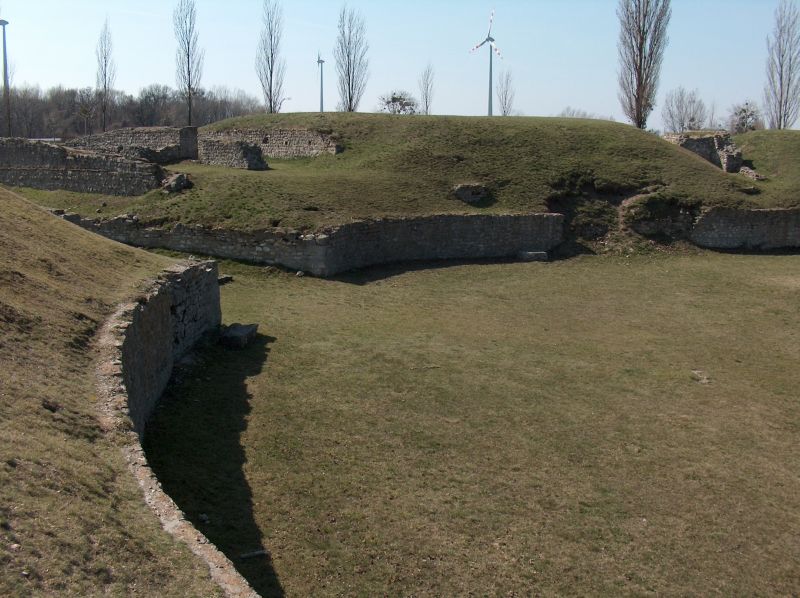
Carnuntum
Roman military and trading city ruins
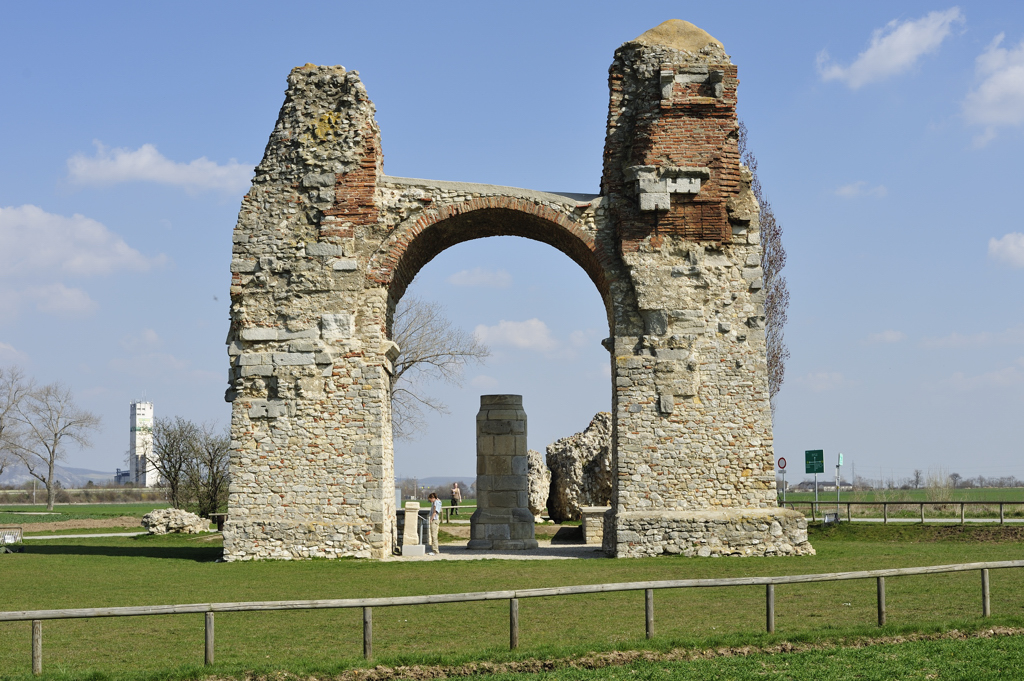
Heidentor
Partially reconstructed Roman triumphal arch
Teurnia
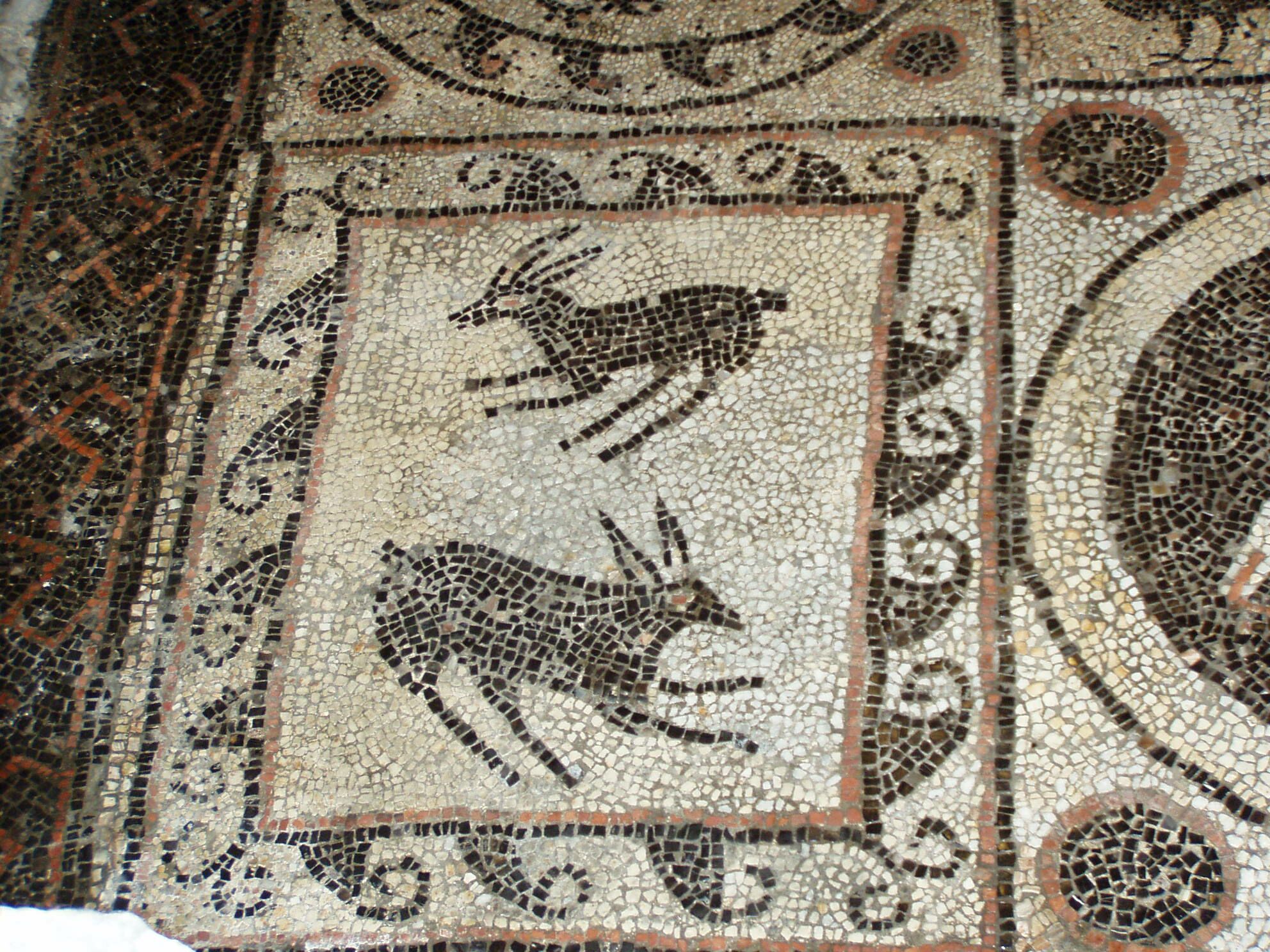
Roman city with churches and mosaics.