Time Periods
Paleolithic
Mesolithic
Neolithic
Chalcolithic
Bronze Age
Iron Age
Classical Period
Post-Classical Period
Early Modern Period
Industrial Period
Contemporary Period
Time Periods
Paleolithic
Mesolithic
Neolithic
Chalcolithic
Bronze Age
Iron Age
Classical Period
Post-Classical Period
Early Modern Period
Industrial Period
Contemporary Period
Location
About
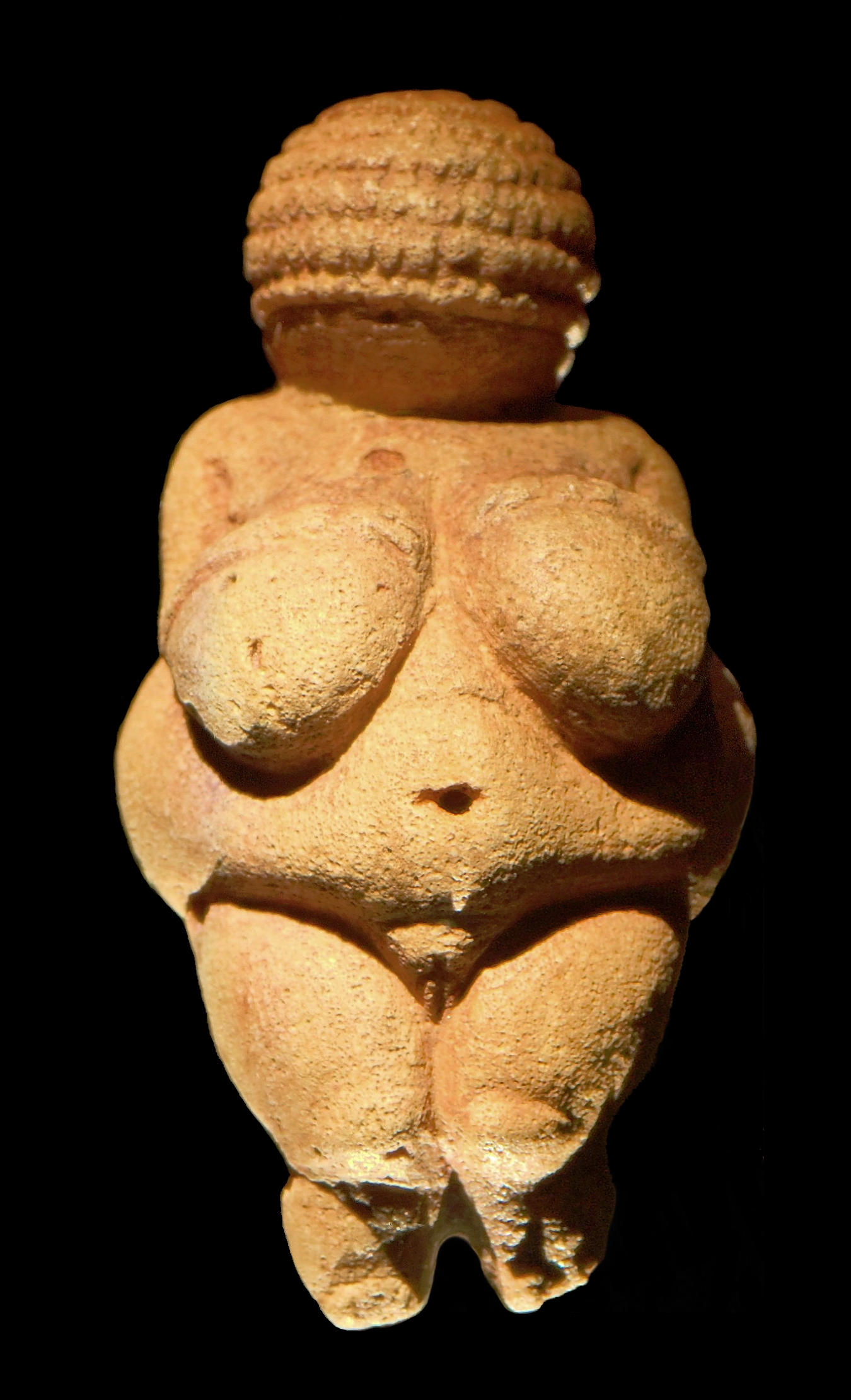
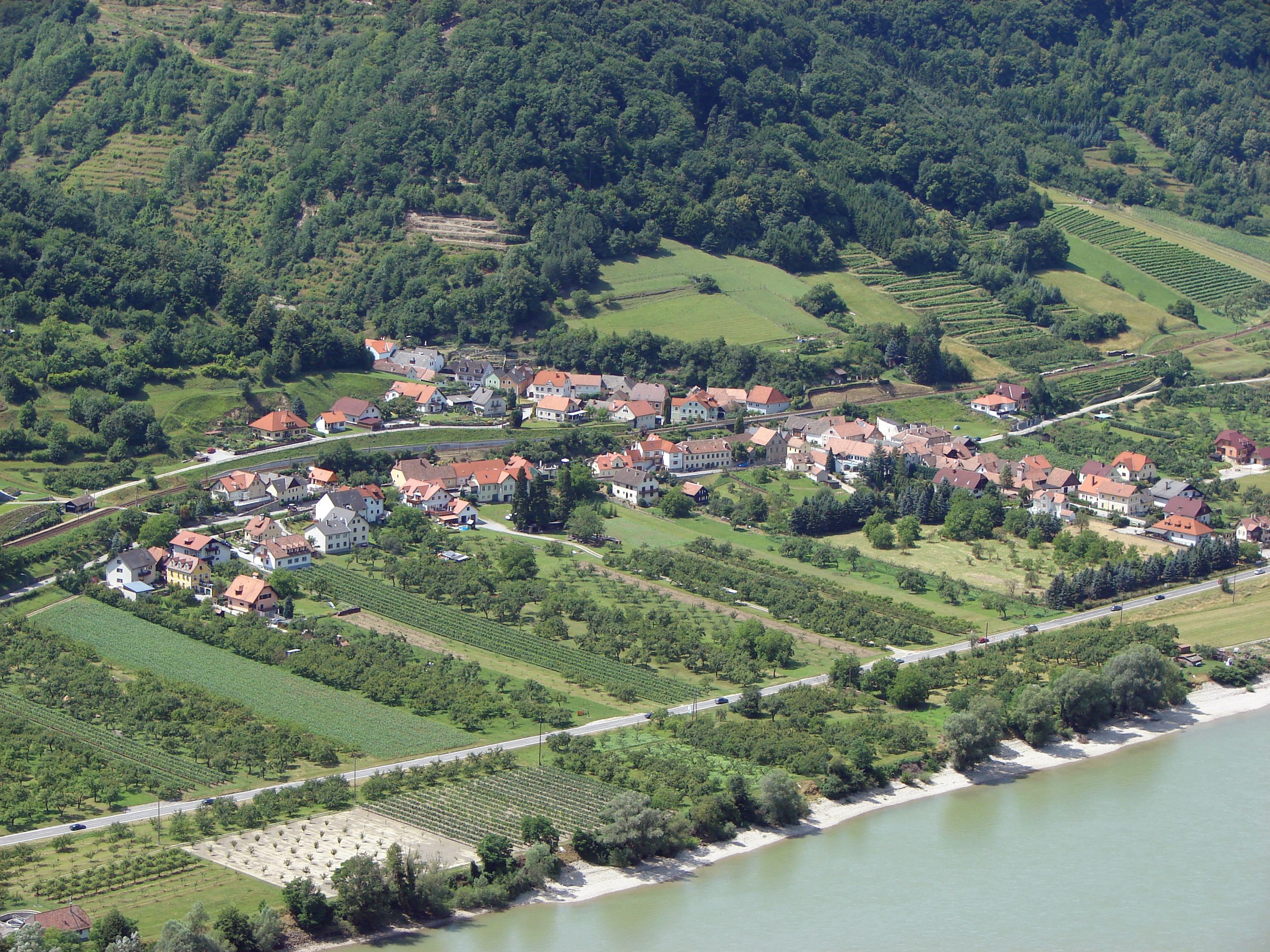
Willendorf in der Wachau is a significant archaeological site located in the Wachau Valley, Lower Austria. The site is predominantly known for the discovery of the Venus of Willendorf, a 30,000-year-old figurine, which is one of the most important artifacts from the Upper Paleolithic period in Austria. The Venus figurine represents a significant artistic and cultural expression from this era. Other archaeological evidence suggests that the site has been occupied for approximately 50,000 years, indicating a long history of human habitation. The site's rich archaeological context provides valuable insights into the lifestyles, artistic practices, and environmental adaptations of early human societies during the Upper Paleolithic period.
Gallery
Explore photographs of ancient structures, artifacts, and archaeological excavations at Willendorf in der Wachau
Archaeological Features
Explore the unique architectural and cultural elements found at this historical site
Artistic and Decorative Features
Environmental and Natural Features
Historical Timeline
Journey through time and discover key events in this site's archaeological history
Plan Your Visit
Details
- Country
- Austria
- Source
- Wikipedia
More Sites in Austria
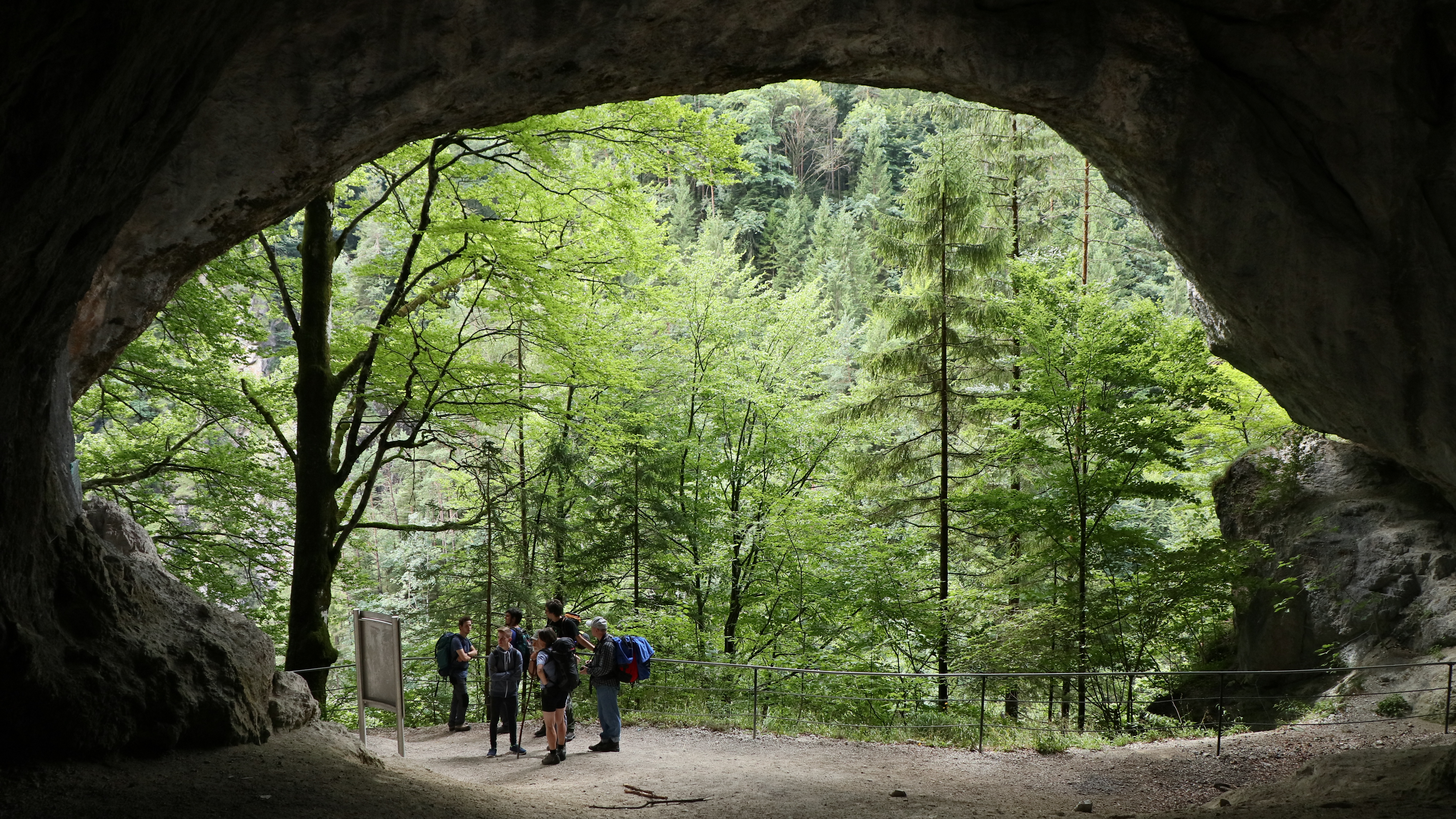
Tischofer Cave
40-meter cave with Paleolithic occupation evidence
Gudenus cave
Palaeolithic cave with animal fossils and artifacts
Salzofen cave
High-altitude cave with prehistoric artifacts

Teurnia
Roman city with churches and mosaics.

Frohnleiten
Historic town with 15th-16th century buildings
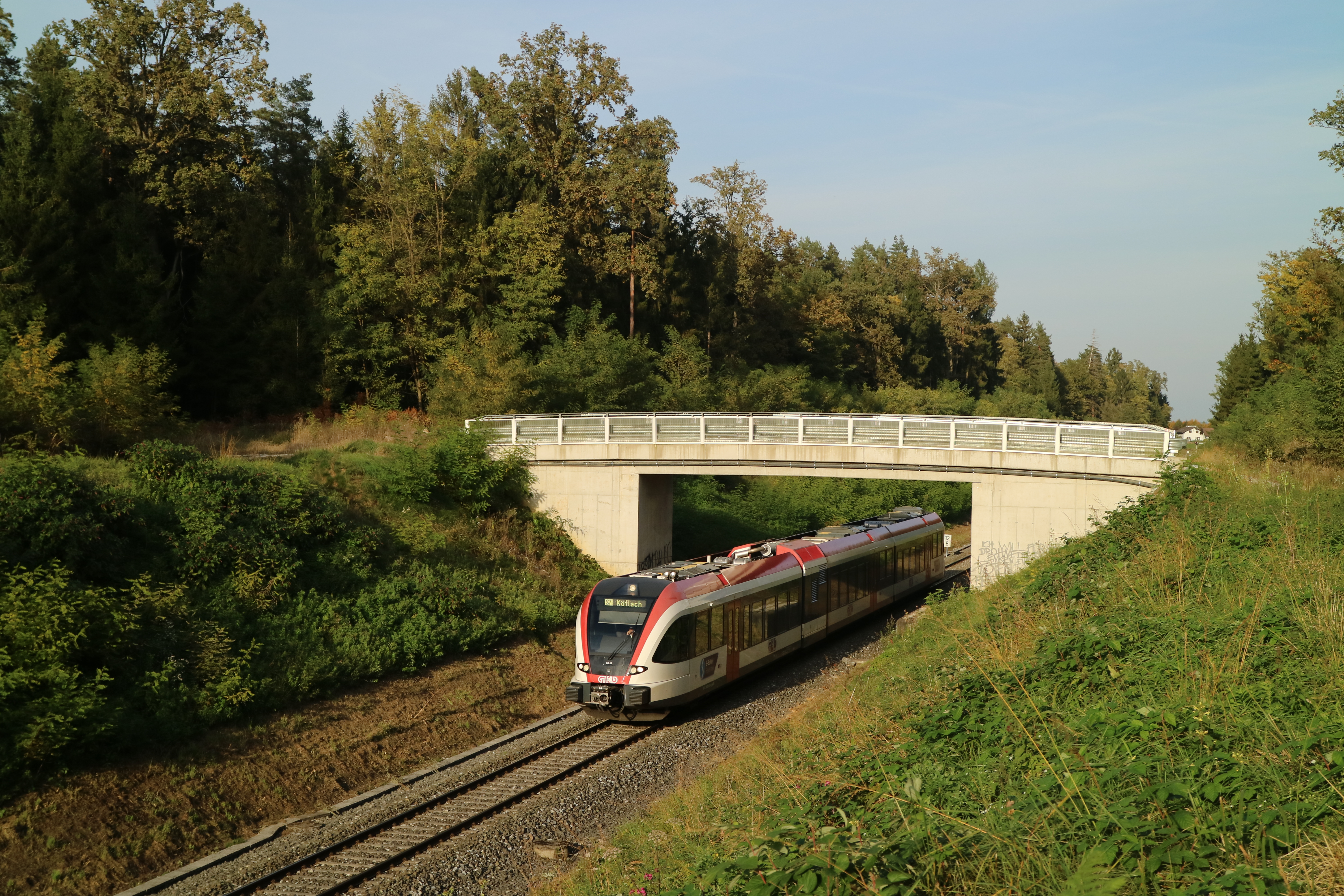
Kaiserwald (Styria)
Roman burial mounds in Austrian forest