Explore the Map
Paria, Bolivia
-17.8228° N, -67.0197° E
About
Paria, Bolivia, an important archaeological site, reflects significant historical transitions from the Inca Empire to Spanish colonial rule. Initially a settlement of the Uru people, Paria was conquered by the Inca emperor Topa Inca Yupanqui in the late 15th century CE, transforming it into a crucial administrative and military center. The site included structures such as temples, granaries, and roads, which were central to its strategic role in the Inca Empire. In 1535, the Spanish, led by Diego de Almagro, established the first Spanish settlement in Bolivia at Paria, marking the beginning of colonial influence in the region. Paria's extensive ruins, featuring over 1,000 storage silos and other significant structures, underscore its historical importance and provide valuable insights into pre-Columbian and colonial eras.
Historical Timeline
Journey through time and discover key events in this site's history
Inca conquest of Paria
1471 CE
Spanish arrival in Paria
1535 CE
Creation of Corregimiento of Paria
1565 CE
Archaeological Features
Unique architectural and cultural elements found at this historical site
Storage Structures
Public and Civic Structures
Religious and Ritual Structures
Domestic and Habitation Structures
Transportation and Communication Structures
Frequently Asked Questions
Plan Your Visit
Tours, travel arrangements, and practical information
More Sites in Bolivia
Oroncota
Inca provincial center with Yampara origins
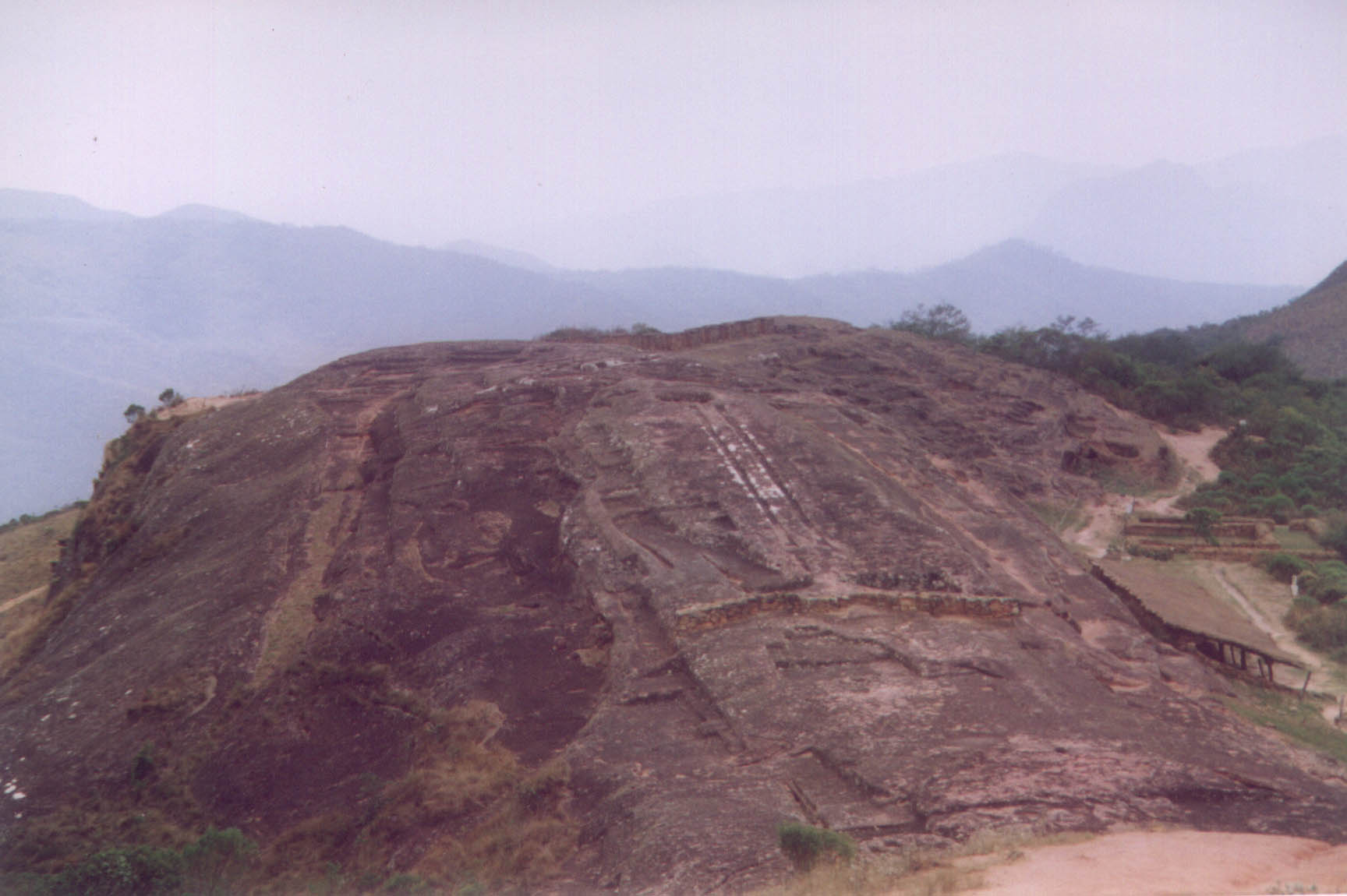
El Fuerte de Samaipata
Pre-Columbian ceremonial and residential complex

Samaipata, Bolivia
Pre-Inca temple and Inca city ruins
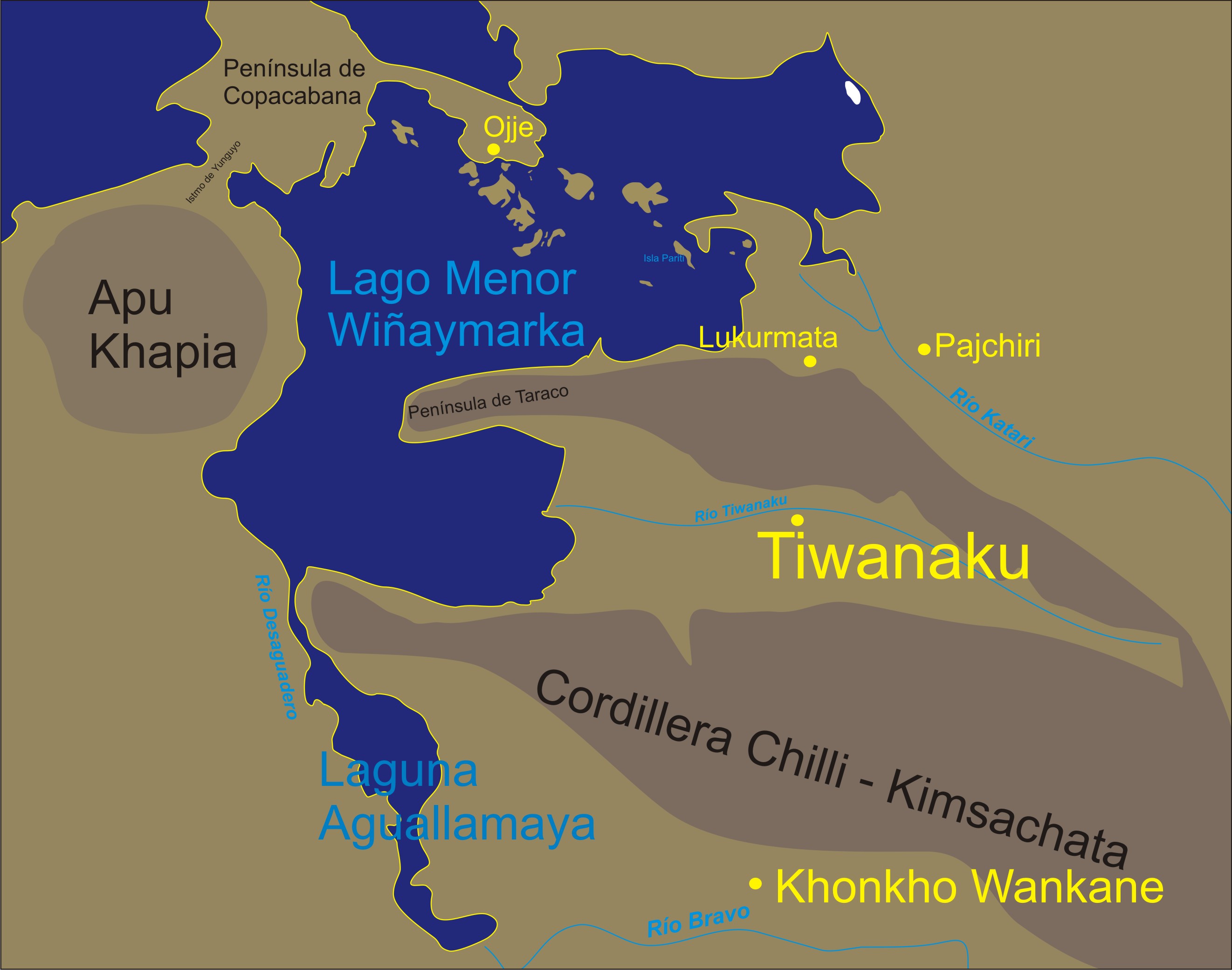
Qhunqhu Wankani
Bolivian archaeological site near Lake Titicaca.
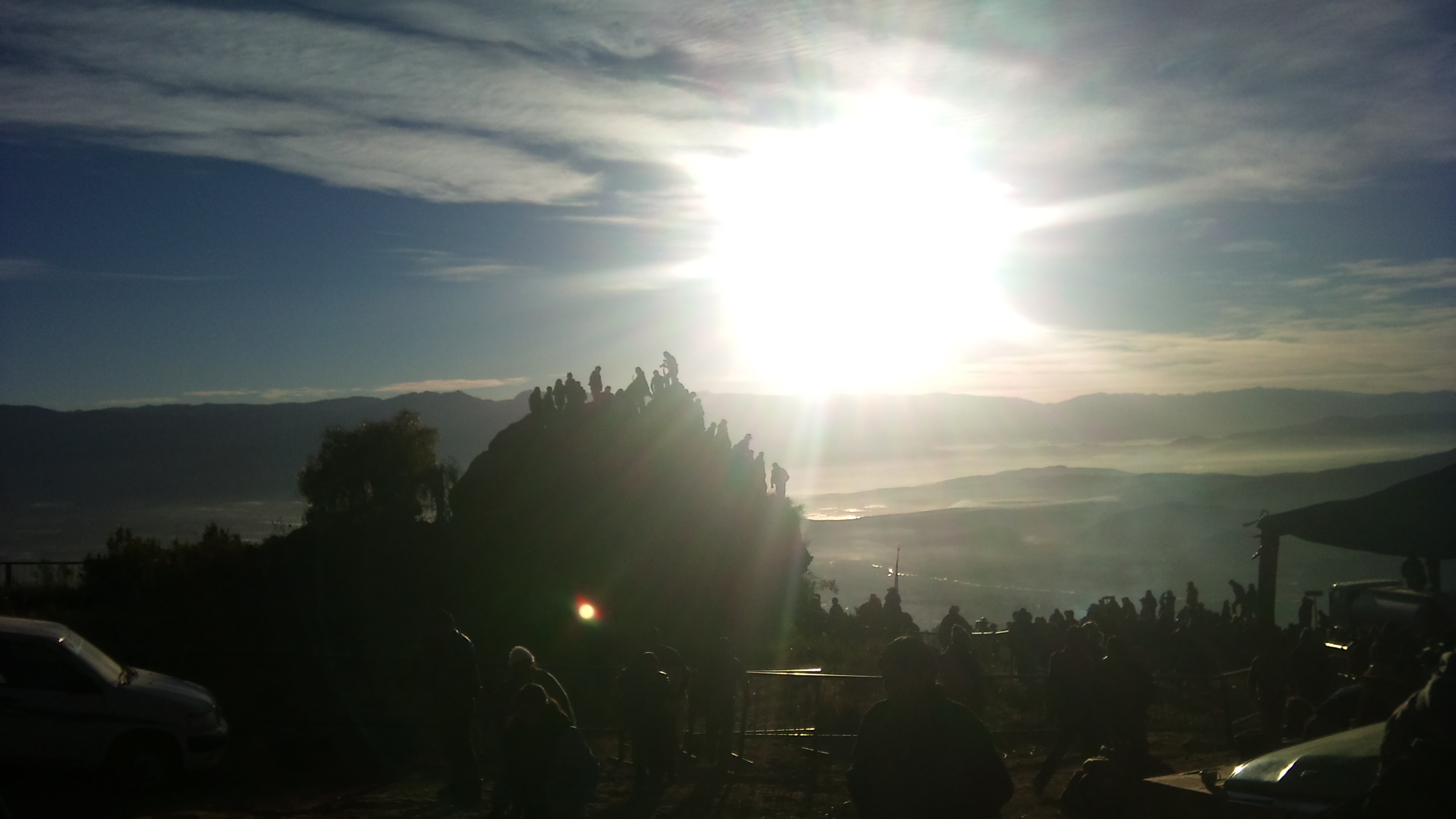
Inka Raqay, Bolivia
Ruin with walls, no roof, laborers' dormitory.
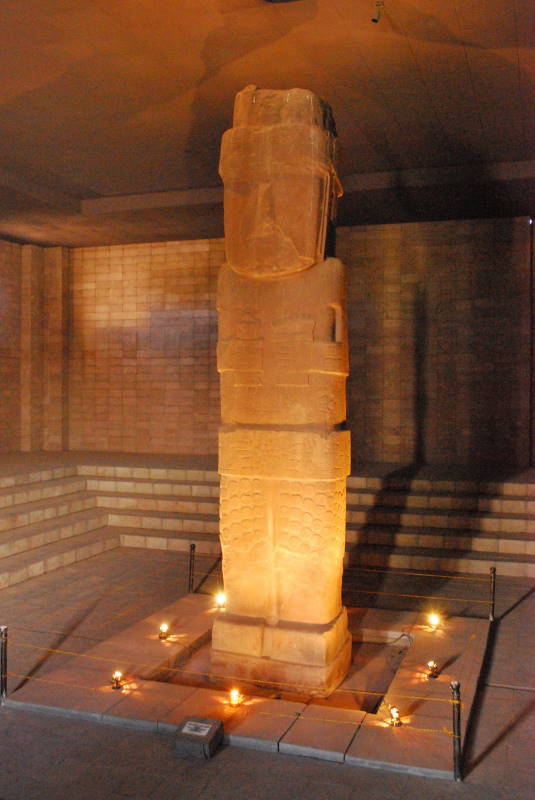
Tiwanaku
Pre-Columbian Andean city with monumental architecture.