Explore the Map
Oroncota
-19.5094° N, -64.8508° E
About
Oroncota, located on the eastern slopes of the Andes, served as a significant Inca provincial center and defensive outpost. Captured during the reign of Topa Inca Yupanqui, it played a crucial role in protecting the eastern frontiers of the Inca empire. The region's history is marked by the presence of the Yampara people, who inhabited the area for over 1,500 years, contributing to its cultural and architectural development. The Yampara settlements, characterized by a mix of valley and plateau habitation, eventually integrated with Inca architecture and administration. Despite the Incas' influence, the Yampara retained a degree of autonomy, particularly evident at the site of Yoroma. The site faced repeated attacks from the Chiriguano people, illustrating its strategic importance. Oroncota's archaeological significance lies in its blend of Inca and Yampara cultural elements, offering insights into the region's complex socio-political dynamics.
Historical Timeline
Journey through time and discover key events in this site's history
Yampara Settlement
400 CE
Classic Yampara Phase
800 CE
Inca Capture
1471 CE
Chiriguano Attacks
1520 CE
Archaeological Features
Unique architectural and cultural elements found at this historical site
Storage Structures
Defensive Structures
Public and Civic Structures
Industrial and Craft Structures
Frequently Asked Questions
Plan Your Visit
Tours, travel arrangements, and practical information
More Sites in Bolivia
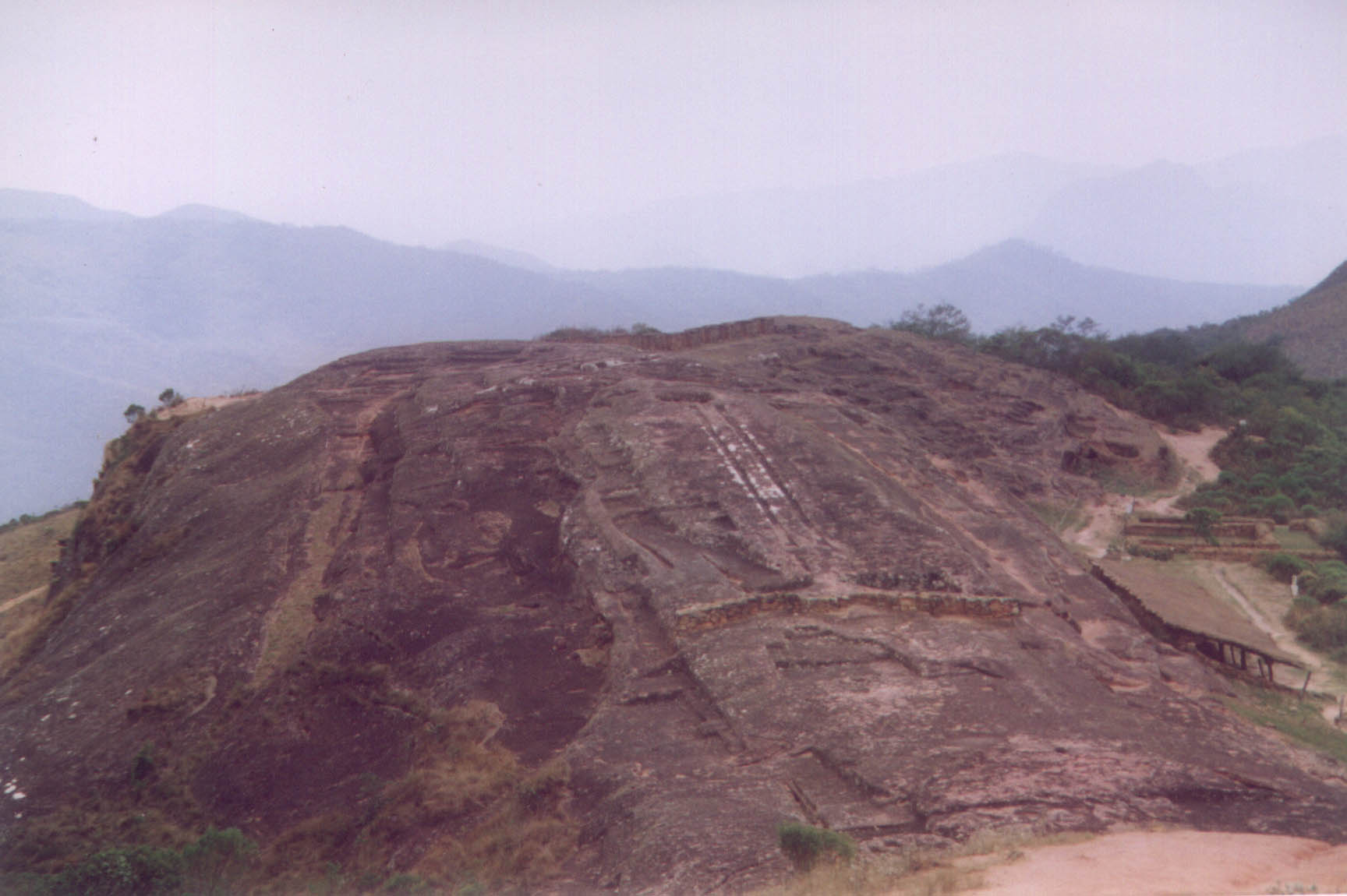
El Fuerte de Samaipata
Pre-Columbian ceremonial and residential complex
Paria, Bolivia
Inca and Spanish settlement ruins in Bolivia

Samaipata, Bolivia
Pre-Inca temple and Inca city ruins
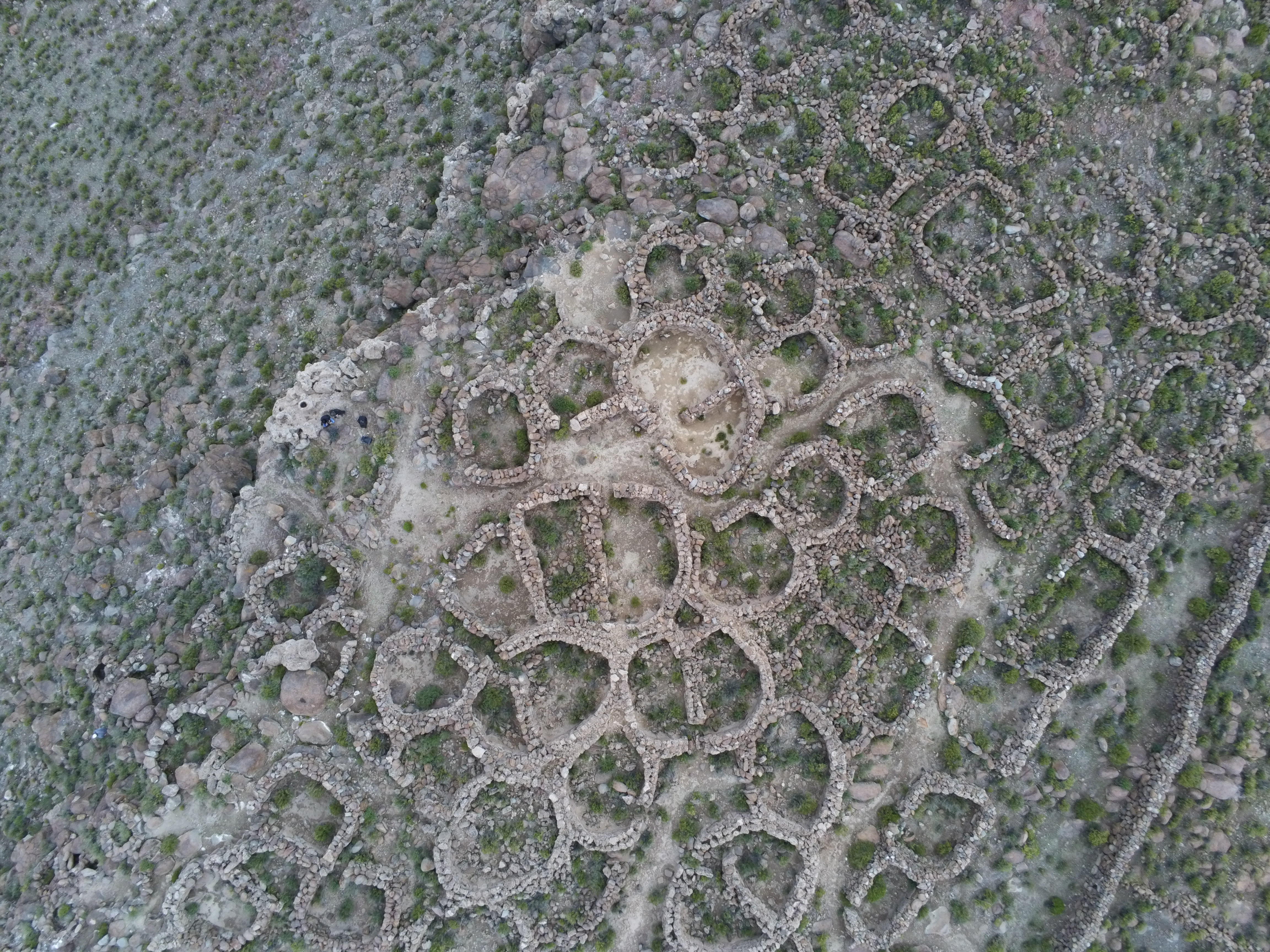
Laqaya
Ruins of ancient building in Bolivia.
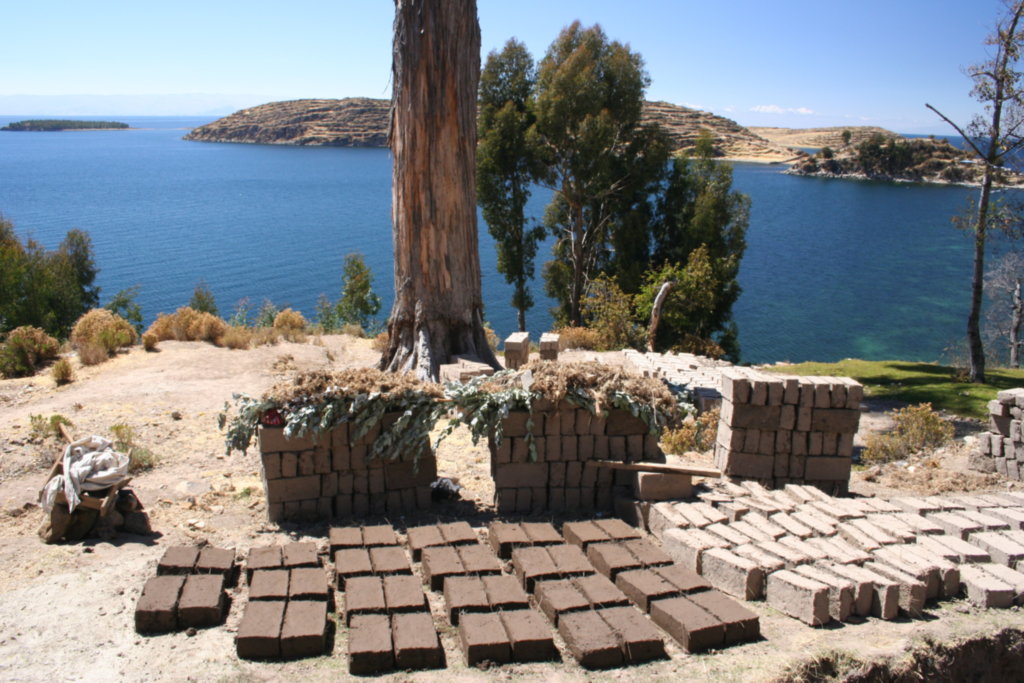
Isla del Sol
Rocky island with Inca and earlier ruins.
Inka Raqay, Bolivia
Ruin with walls, no roof, laborers' dormitory.