
Explore the Map
Samaipata, Bolivia
-18.1794° N, -63.8756° E
About
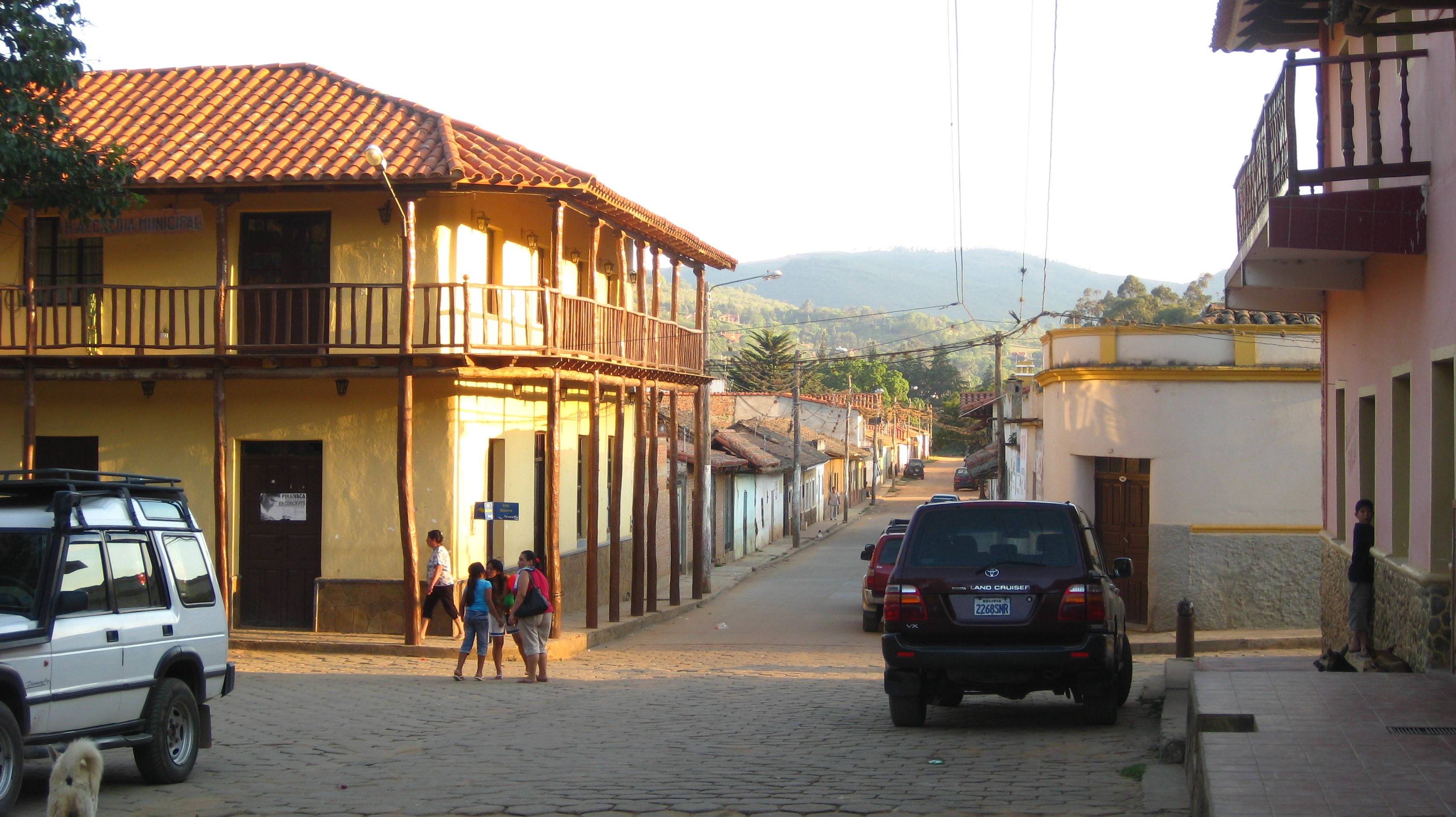
Samaipata is a significant archaeological site located in the Santa Cruz Department of Bolivia, featuring the pre-Inca ruins of El Fuerte de Samaipata. This complex is primarily known for its religious and ritual structure, a temple carved into a large rock by the Chane culture. The Incas later expanded into the area, establishing a city adjacent to the temple as part of their southeastern expansion. The site also includes remains from the Spanish colonial period when the town of Samaipata was founded in 1618 by Pedro de Escalante y Mendoza. El Fuerte de Samaipata stands out as a UNESCO World Heritage Site, reflecting its historical and cultural significance across different periods, including the Late Iron Age, Late Post-Classical Period, and Early Modern Period. It serves as a testament to the region's dynamic history, marked by cultural convergence and conflict.
Gallery
Explore photographs of ancient structures, artifacts, and archaeological excavations
Historical Timeline
Journey through time and discover key events in this site's history
Chane Culture Temple Construction
300 BCE – 500 CE
Inca Expansion and City Establishment
1000 CE – 1500 CE
Guarani Invasion
16th century
Foundation of Samaipata
1618 CE
Archaeological Features
Unique architectural and cultural elements found at this historical site
Religious and Ritual Structures
Agricultural and Land Use Features
Domestic and Habitation Structures
Plan Your Visit
Tours, travel arrangements, and practical information

More Sites in Bolivia
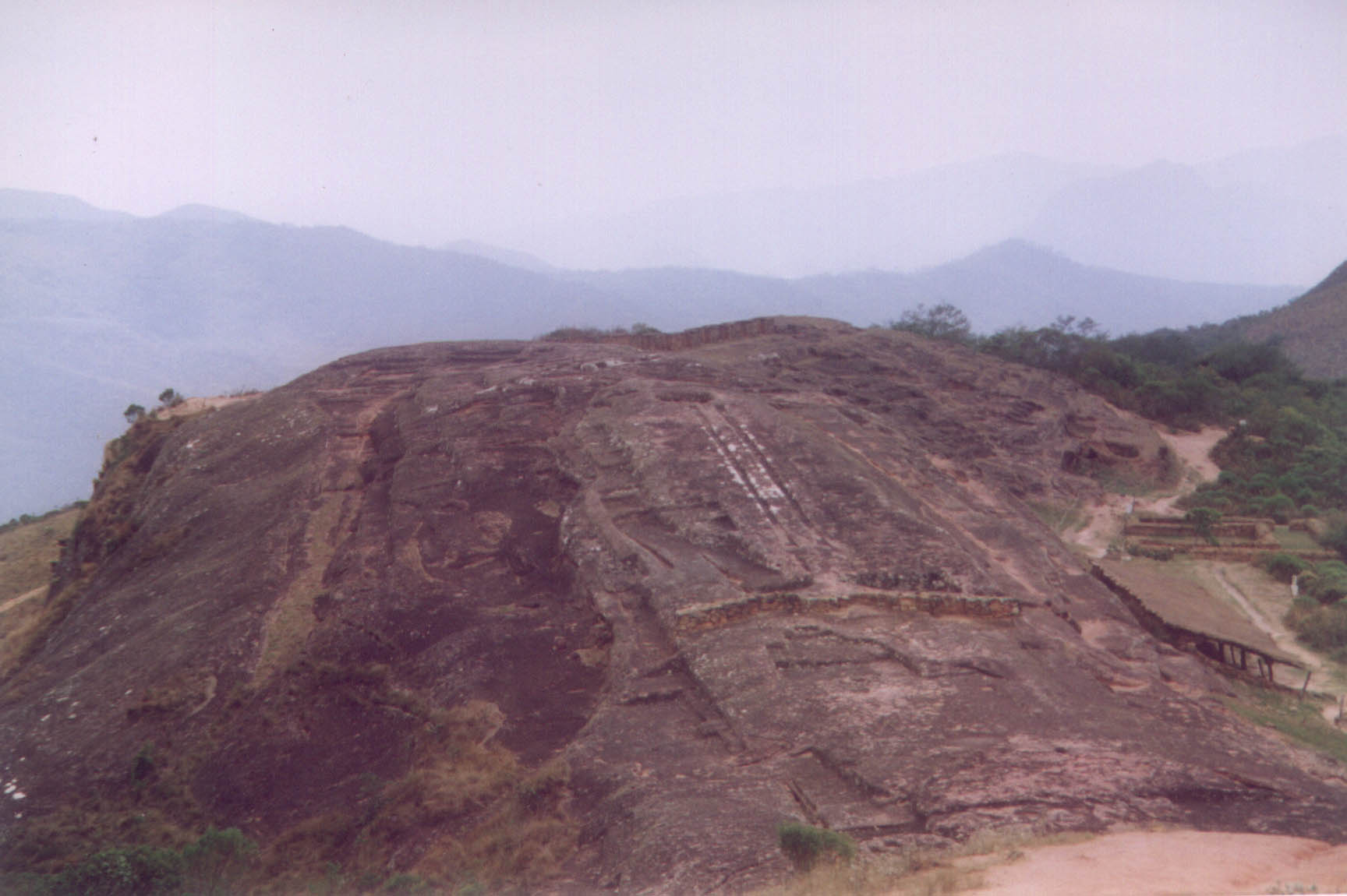
El Fuerte de Samaipata
Pre-Columbian ceremonial and residential complex
Paria, Bolivia
Inca and Spanish settlement ruins in Bolivia
Oroncota
Inca provincial center with Yampara origins
Kuntur Amaya
Burial towers at Bolivian archaeological site.
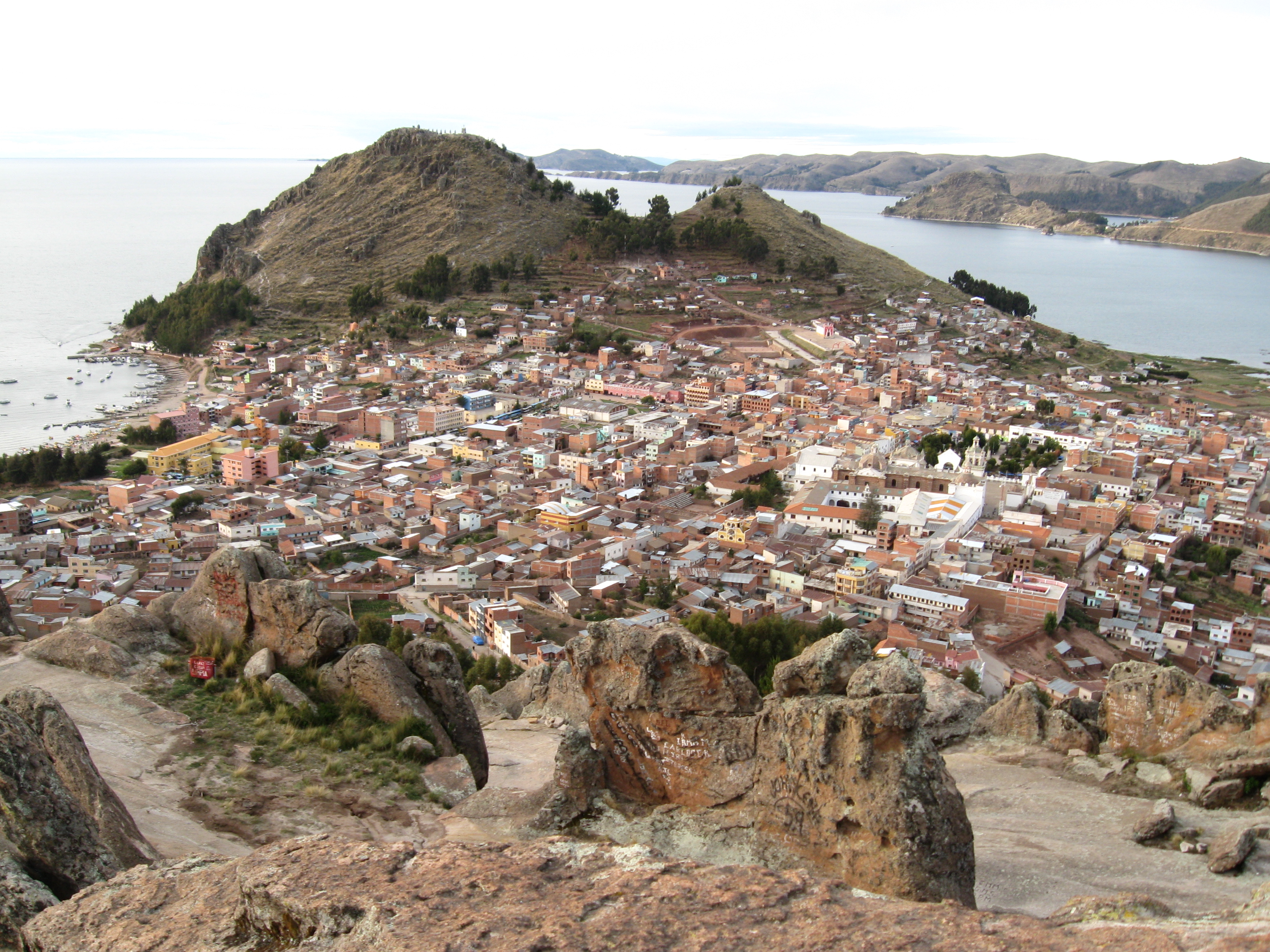
Pachat'aqa
Archaeological site near Lake Titicaca, Bolivia
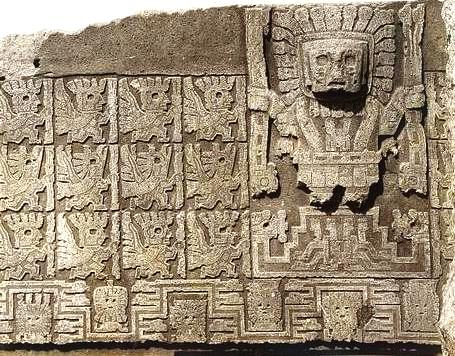
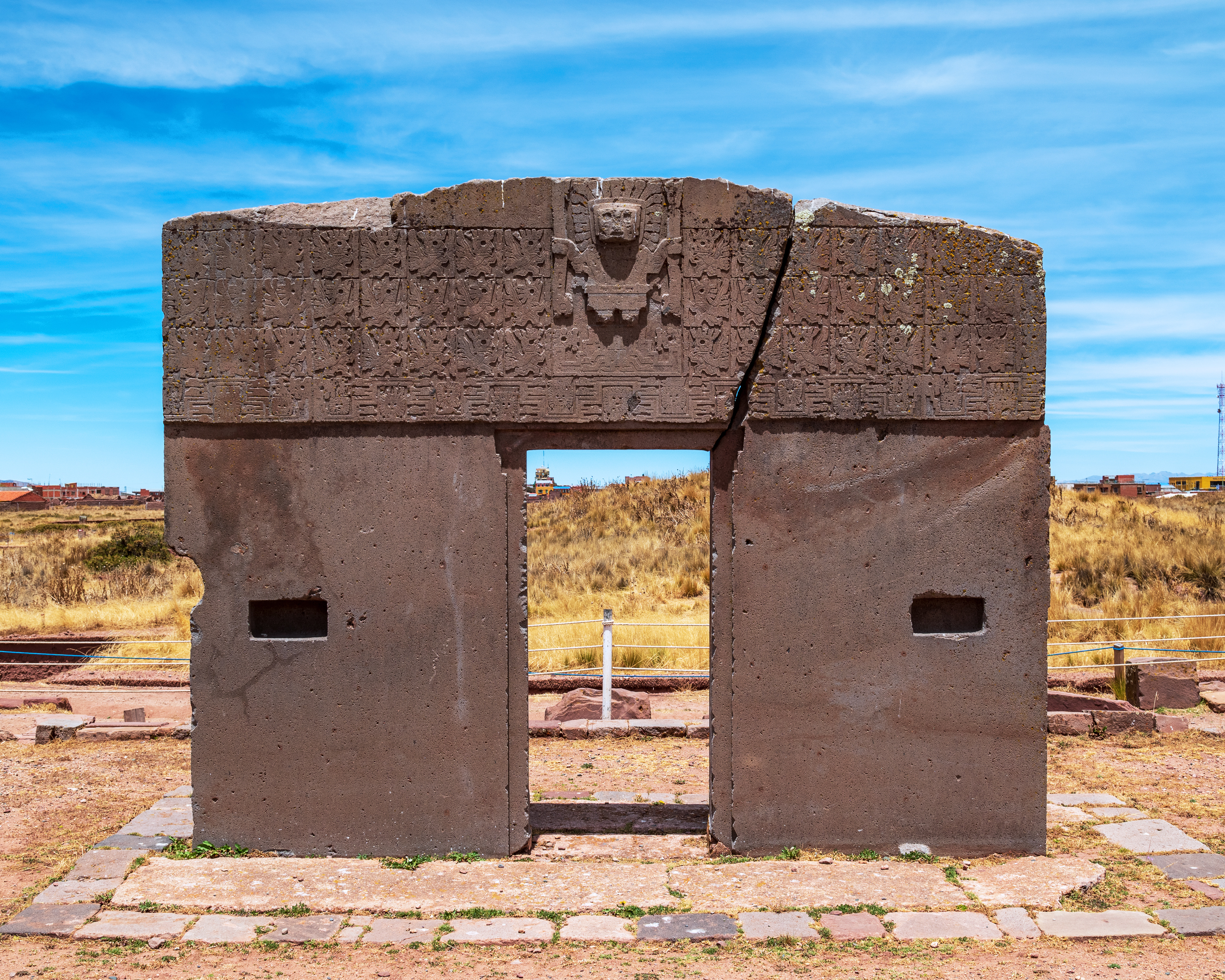
Gate of the Sun
Monolithic stone gateway with intricate carvings.