
Explore the Map
Giridava
43.2873° N, 24.8511° E
About
Giridava, also referred to as Giridaua or Geridava, was a town situated in the region historically known as Moesia, which corresponds to modern-day northern Bulgaria. As a Dacian town, Giridava was part of the broader cultural and political landscape of the Dacians, known for their interactions with the Romans. The site is characterized by its domestic and habitation structures, indicative of its role as a settlement during the Late Iron Age and into the Classical Period. Giridava's significance lies in its representation of the Dacian way of life and its subsequent Roman influence, reflecting the transition and integration of Dacian territories into the Roman Empire. The town's archaeological features, such as its layout and any potential artifacts, would provide insights into the daily lives, trade, and cultural practices of its inhabitants.
Gallery
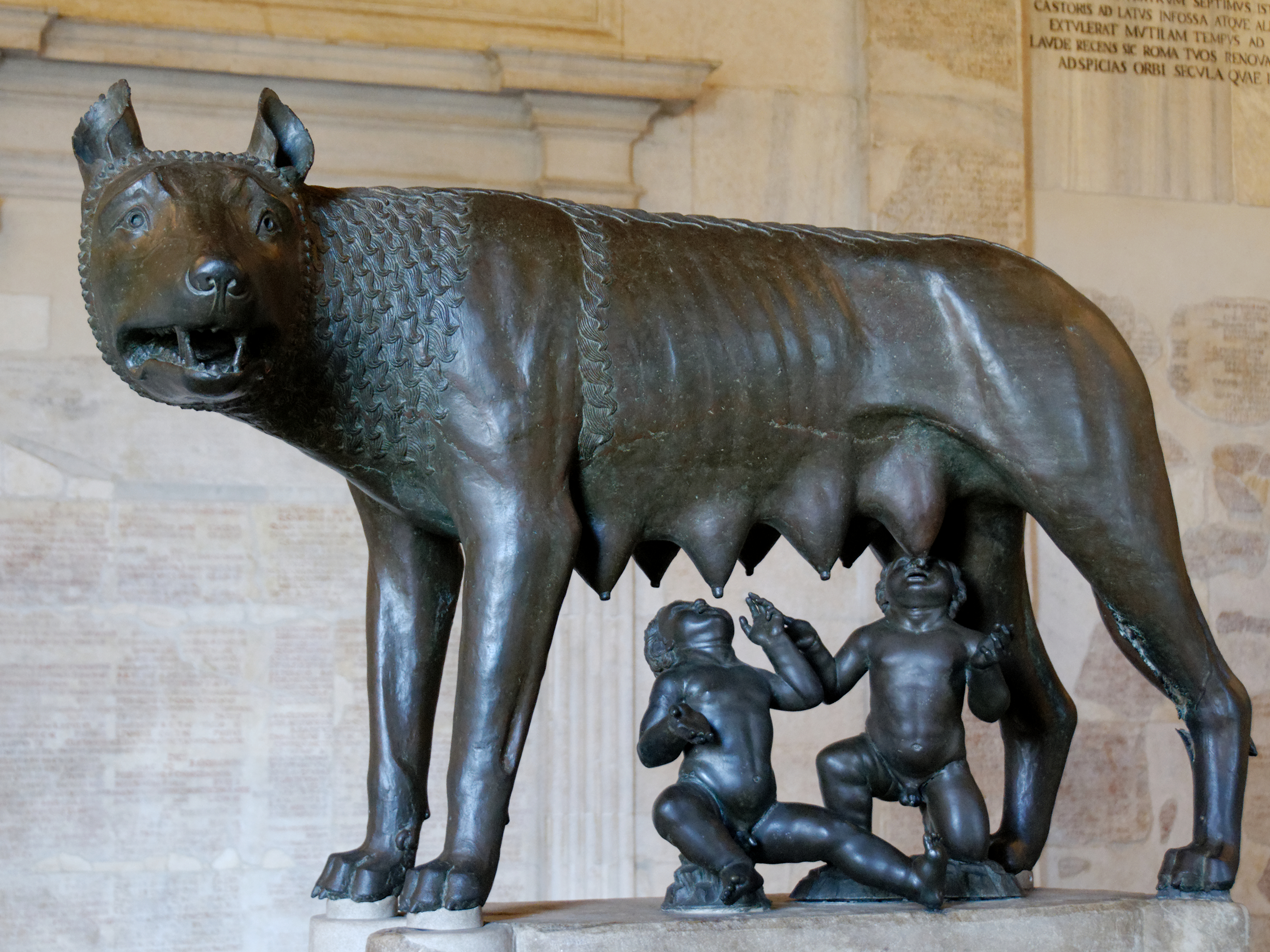
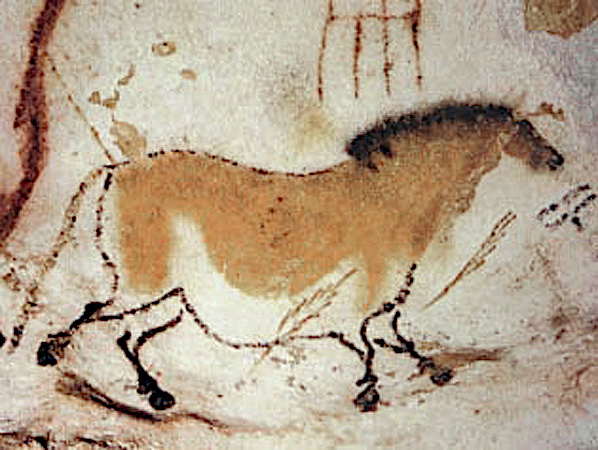
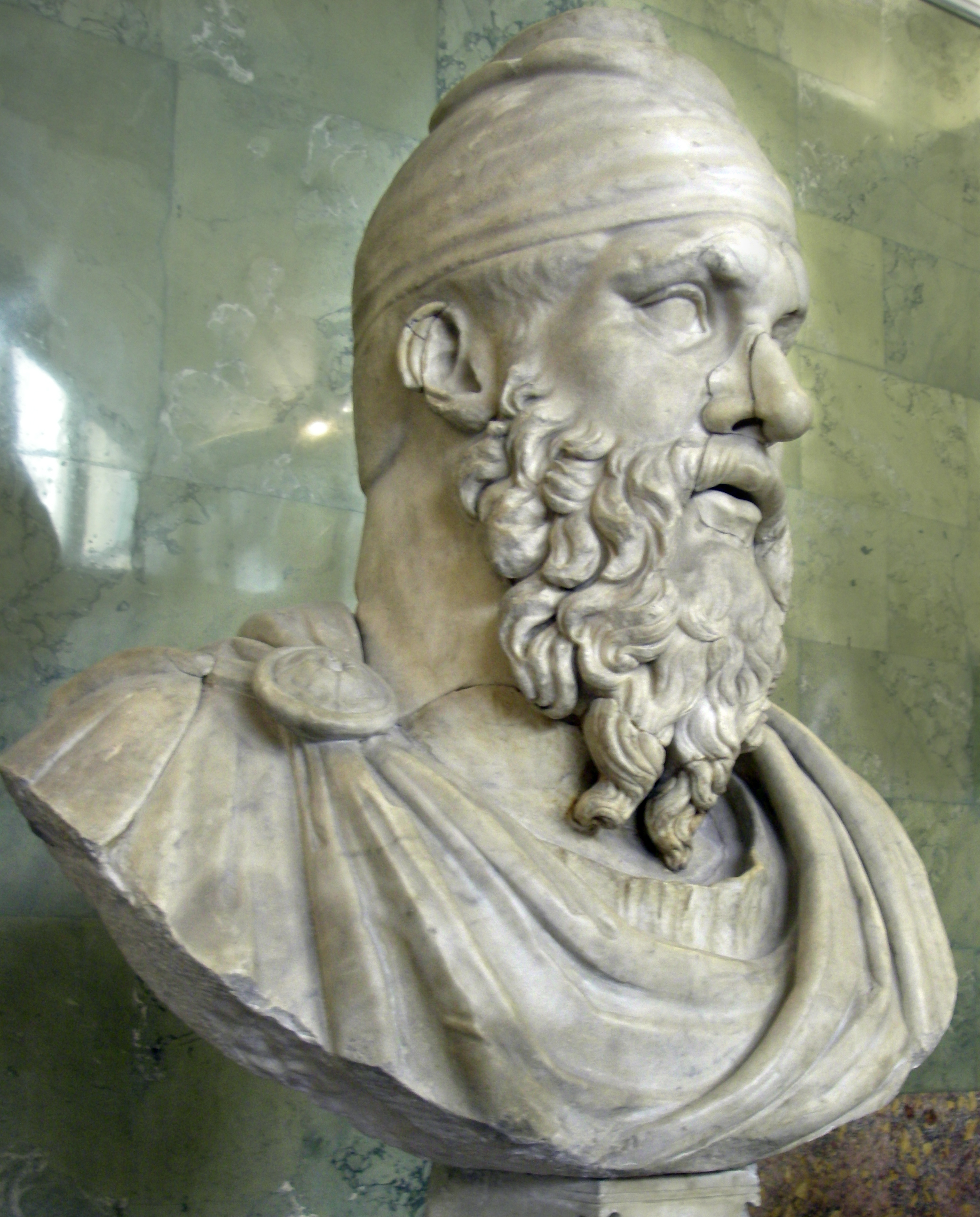
Explore photographs of ancient structures, artifacts, and archaeological excavations
Historical Timeline
Journey through time and discover key events in this site's history
Dacian habitation
1st century BCE
Roman influence
1st century CE
Archaeological Features
Unique architectural and cultural elements found at this historical site
Domestic and Habitation Structures
Frequently Asked Questions
Plan Your Visit
Tours, travel arrangements, and practical information
More Sites in Bulgaria
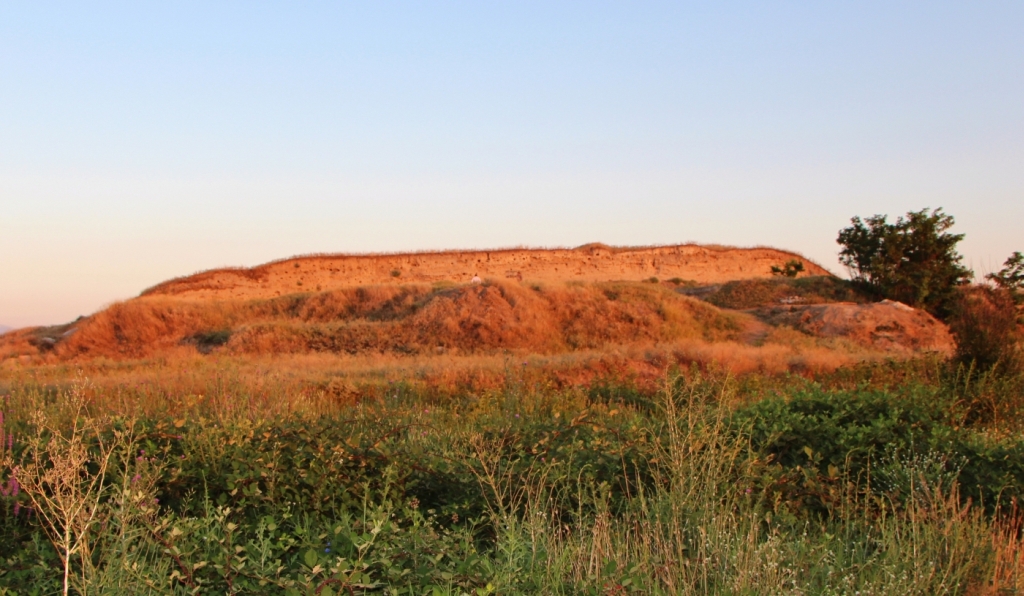
Tell Yunatsite
Multilayered settlement mound in Bulgaria
Dausdava
Ancient Dacian town in Moesia region
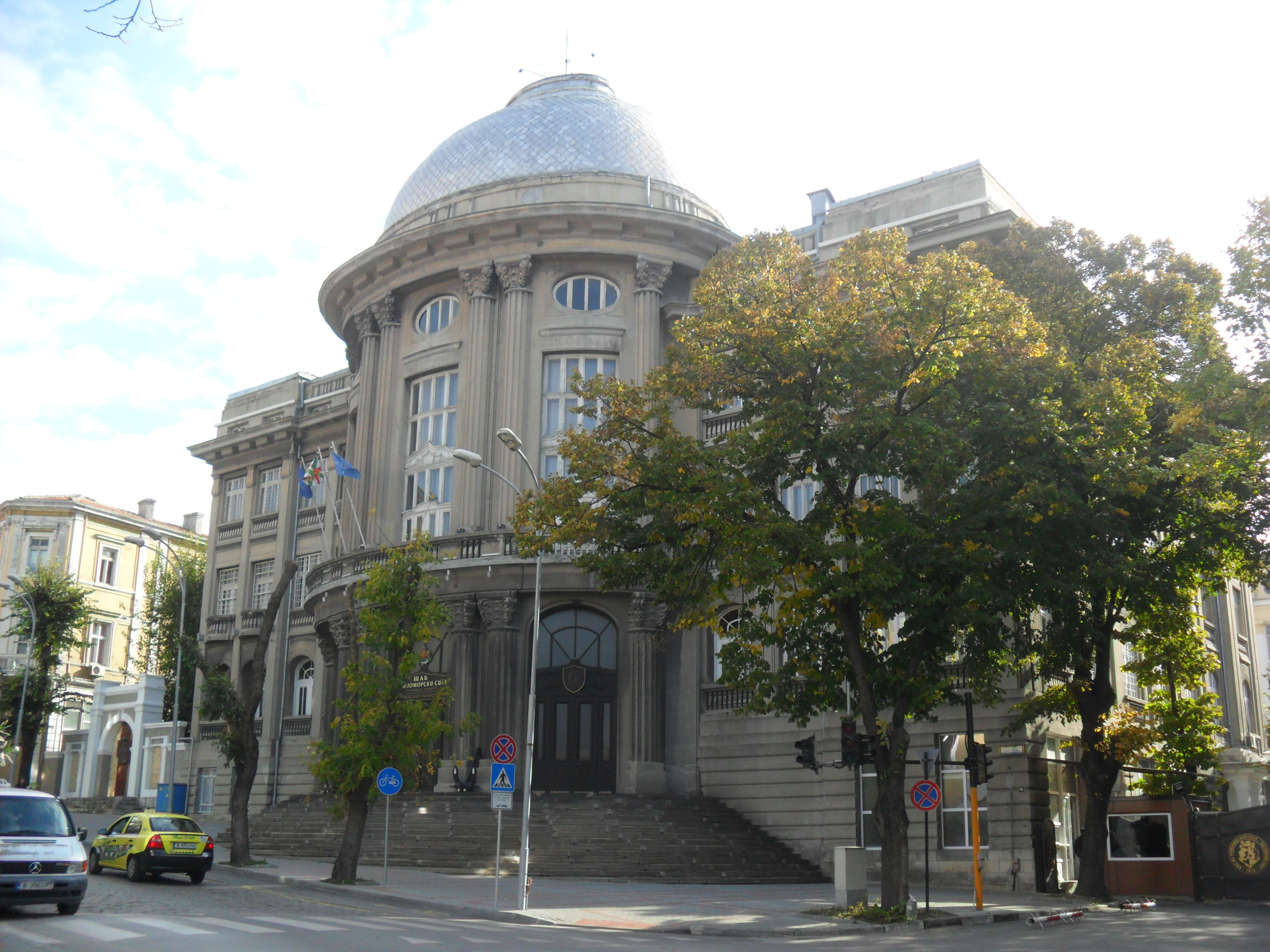
Varna, Bulgaria
Ancient Thracian and Greek settlement site
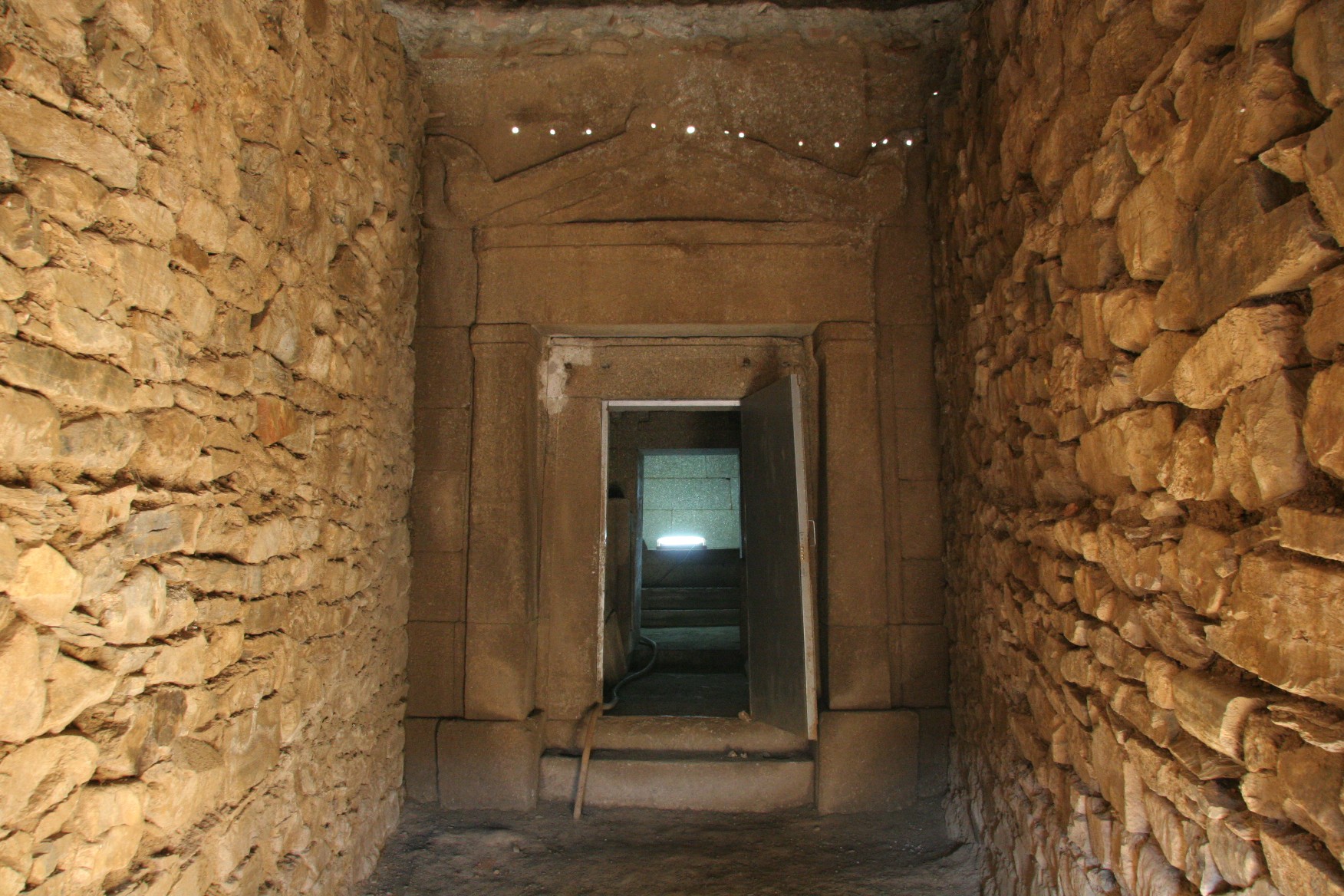
Thracian tomb Griffins
Thracian tomb with griffin motifs and dome.
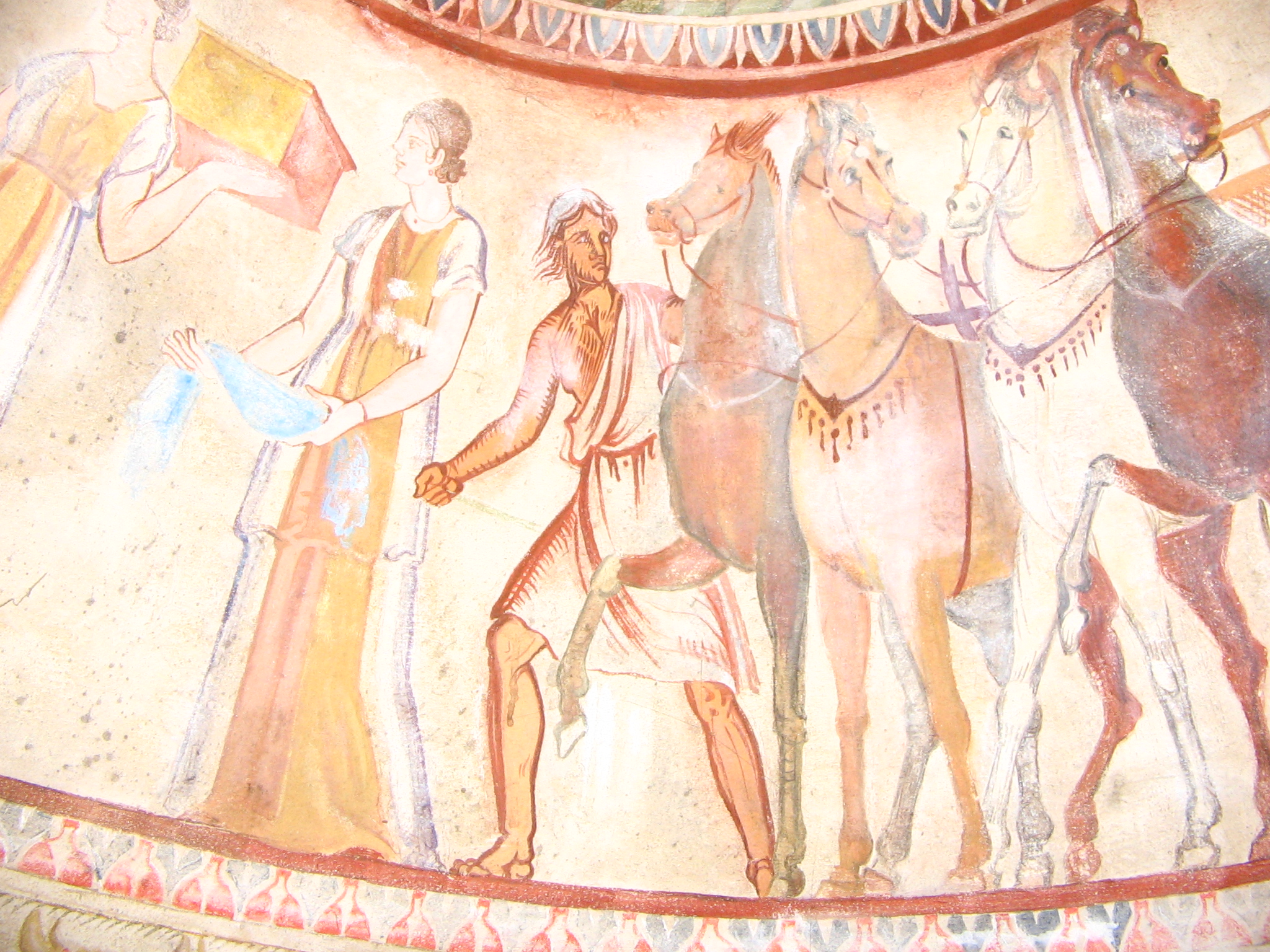
Thracian Tomb of Kazanlak
Thracian beehive tomb with Hellenistic murals
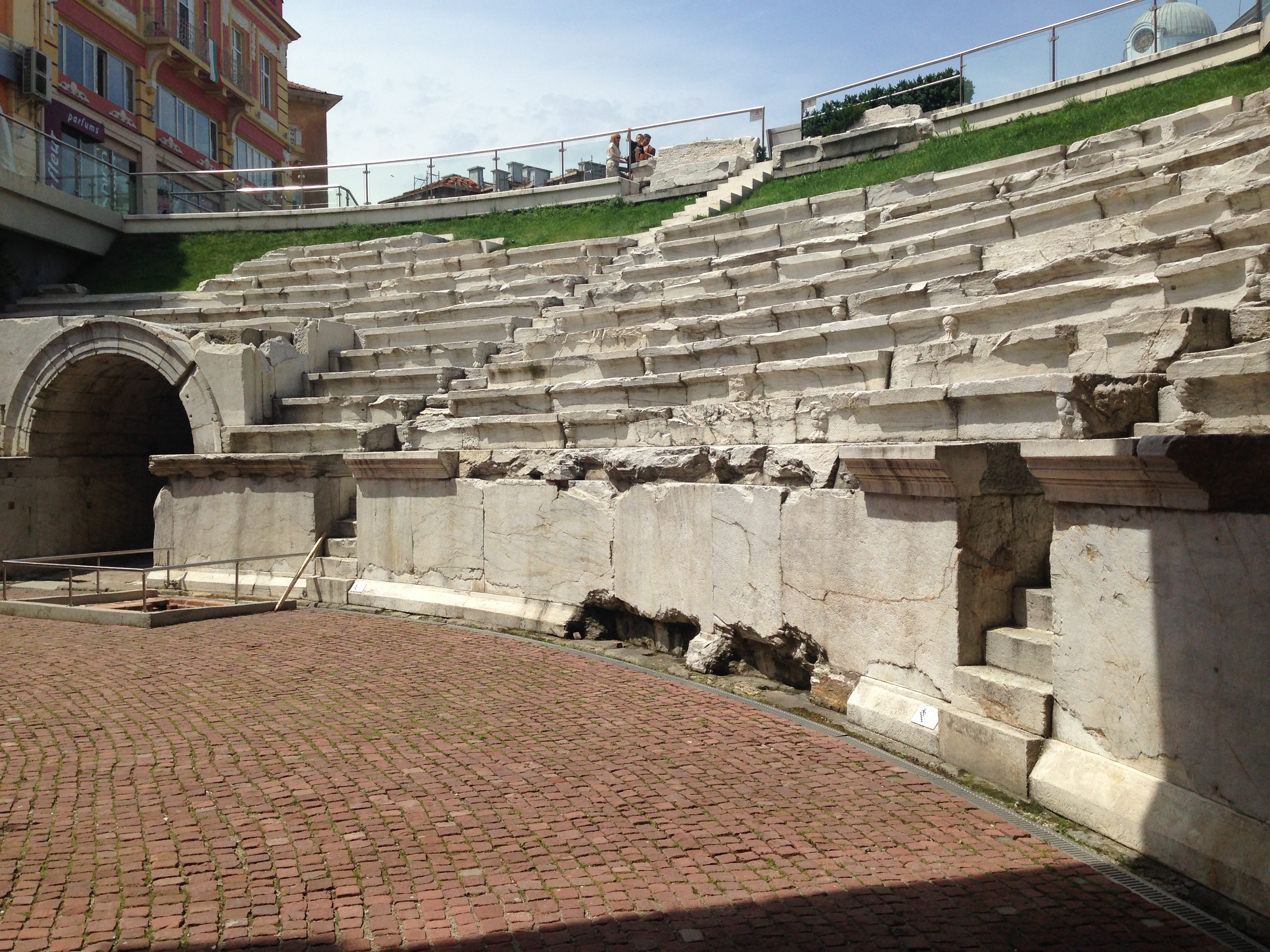
Philippopolis (Thrace)
Ancient city on seven syenite hills