Explore the Map
Philippopolis (Thrace)
42.1433° N, 24.7489° E
About
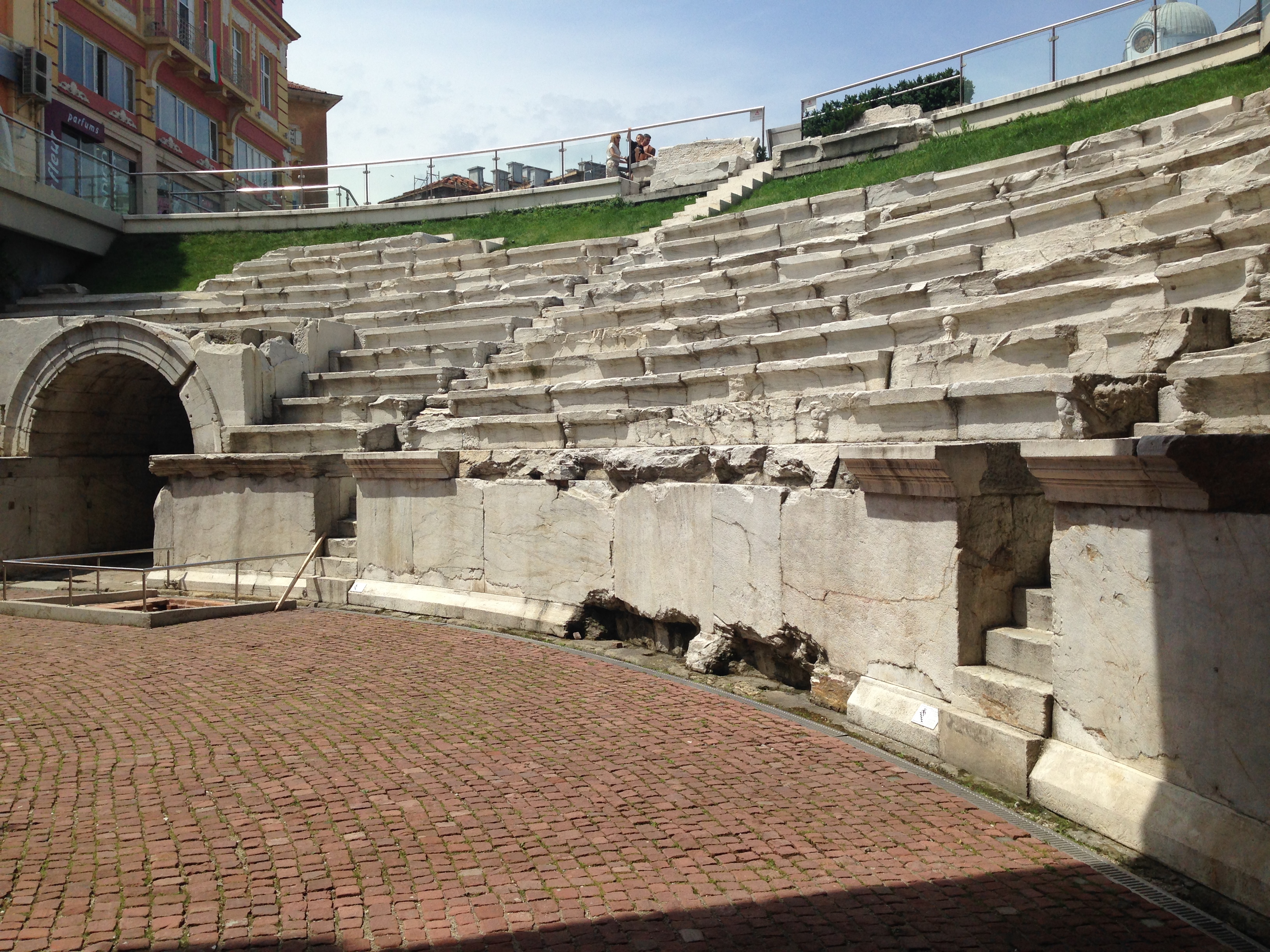
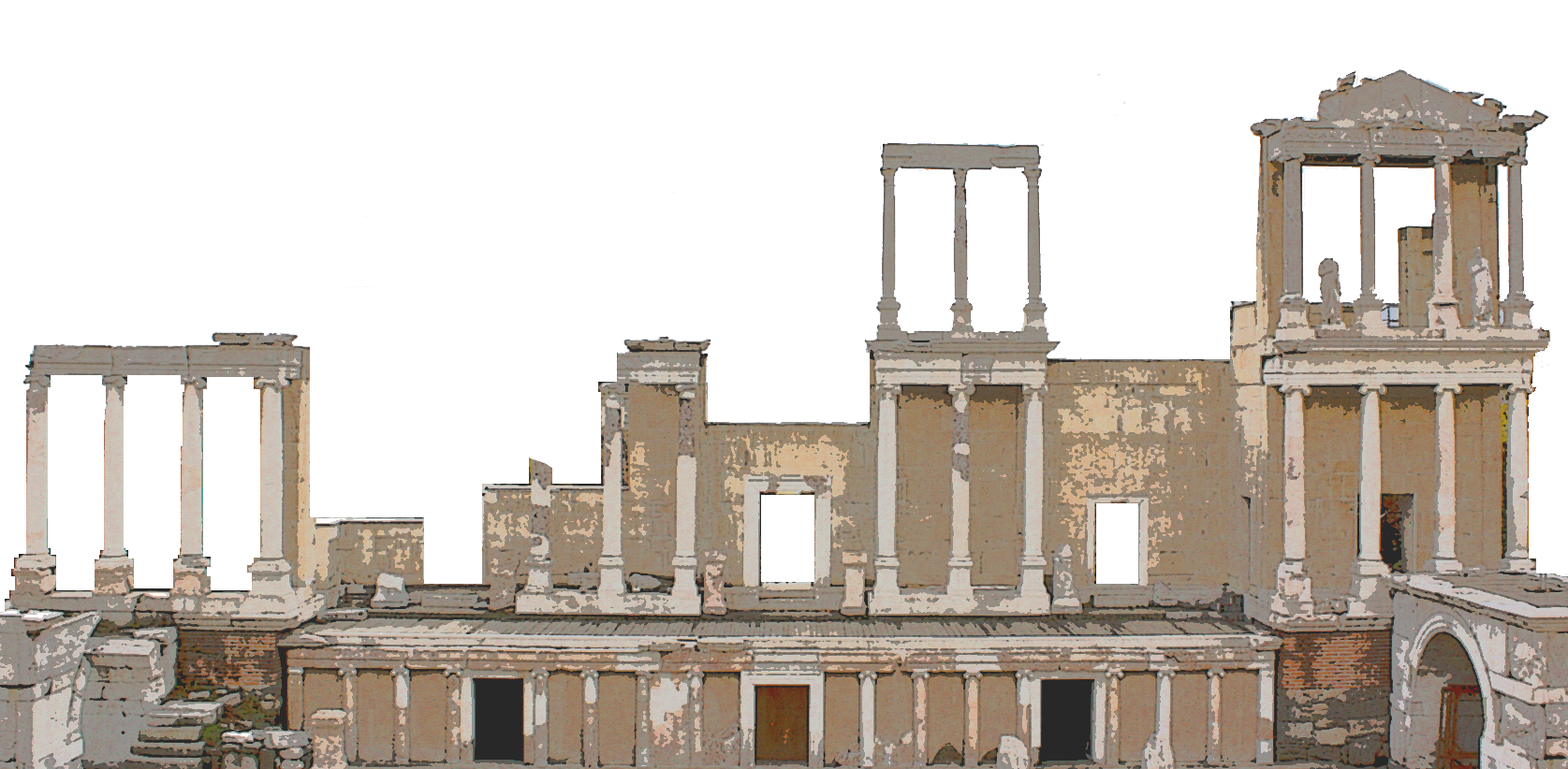
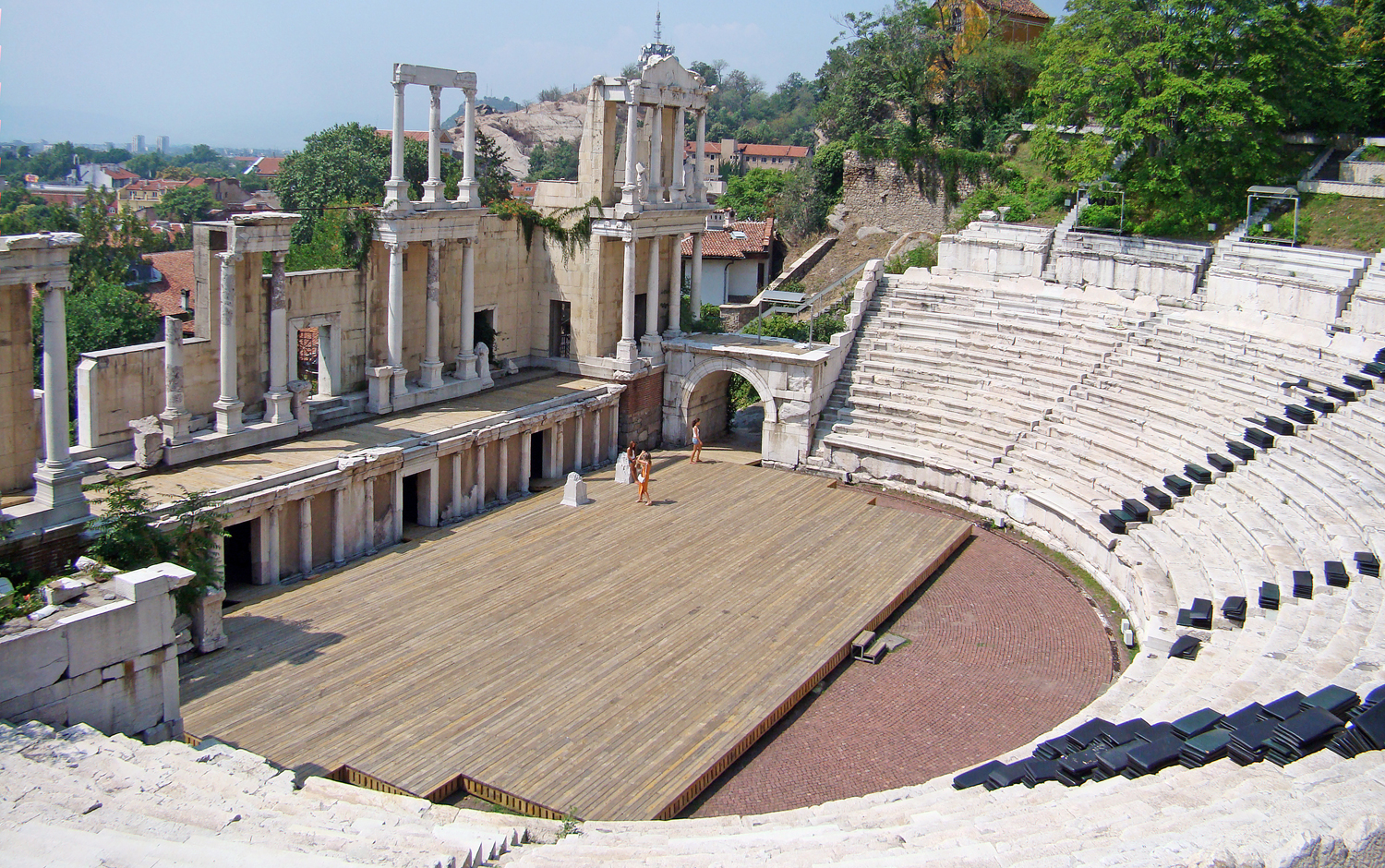
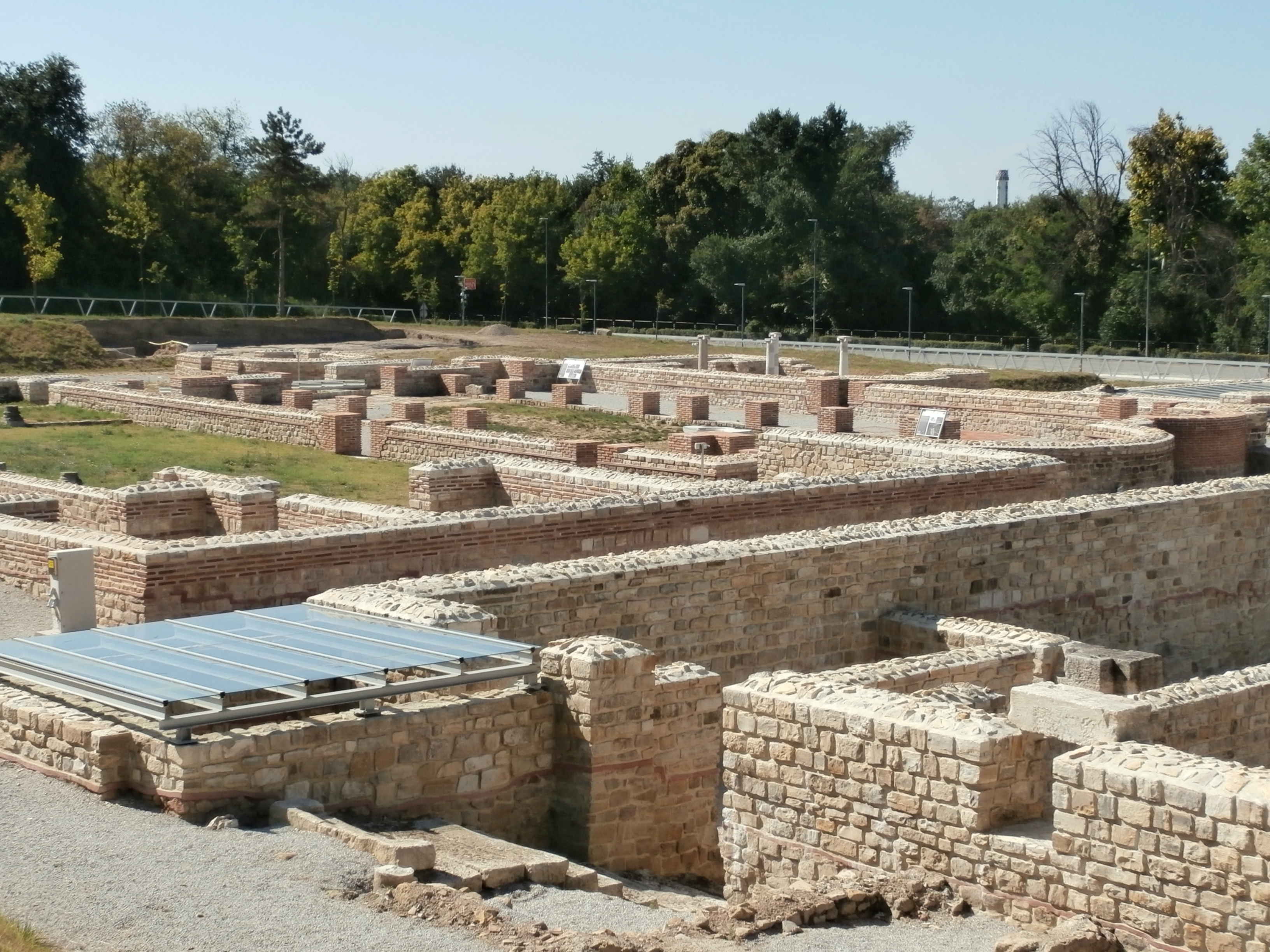
Philippopolis, now known as Plovdiv, is an ancient city with a rich archaeological history located on seven syenite hills in the region of Thrace. This site contains layers from multiple periods, including Neolithic, Chalcolithic, Bronze Age, Iron Age, and Classical periods. Originally inhabited by Thracians, the city was later conquered by Philip II of Macedon, from whom it got its name. It became a prominent city within the Roman Empire, known as Trimontium, and was a significant cultural and economic hub. The city features a blend of Greek and Roman architectural elements, including defensive walls, aqueducts, public baths, theatres, and temples. Despite suffering destruction from invasions by groups like the Goths and Huns, it was rebuilt and continued to thrive through the Byzantine era until it ultimately fell to the Ottoman Empire in the 14th century CE.
Gallery
Explore photographs of ancient structures, artifacts, and archaeological excavations
Historical Timeline
Journey through time and discover key events in this site's history
First settlements established
6th millennium BCE
Thracian Eumolpias established
2nd millennium BCE
Conquered by Philip II of Macedon
342 BCE
Seized by Roman Marcus Lucullus
72 BCE
Incorporated into Roman Empire
46 CE
Battle of Philippopolis
250 CE
Destroyed by Attila's Huns
441-442 CE
Fell to Bulgars
863 CE
Conquered by Ottoman Empire
1363-1364 CE
Archaeological Features
Unique architectural and cultural elements found at this historical site
Defensive Structures
Water Management Features
Public and Civic Structures
Burial and Funerary Structures
Religious and Ritual Structures
Artistic and Decorative Features
Domestic and Habitation Structures
Transportation and Communication Structures
Frequently Asked Questions
Plan Your Visit
Tours, travel arrangements, and practical information
More Sites in Bulgaria
Varna, Bulgaria
Ancient Thracian and Greek settlement site
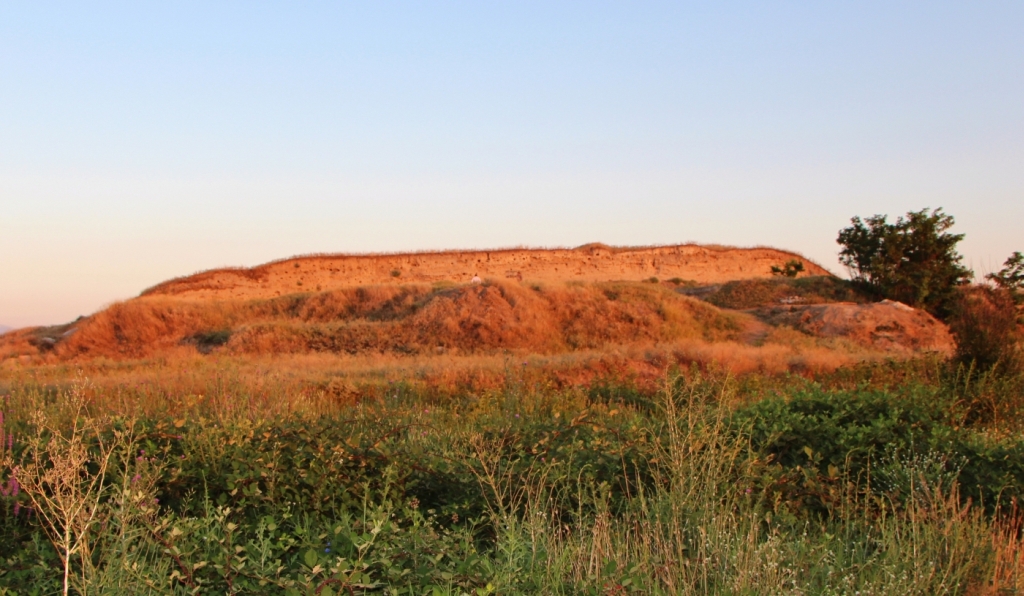
Tell Yunatsite
Multilayered settlement mound in Bulgaria
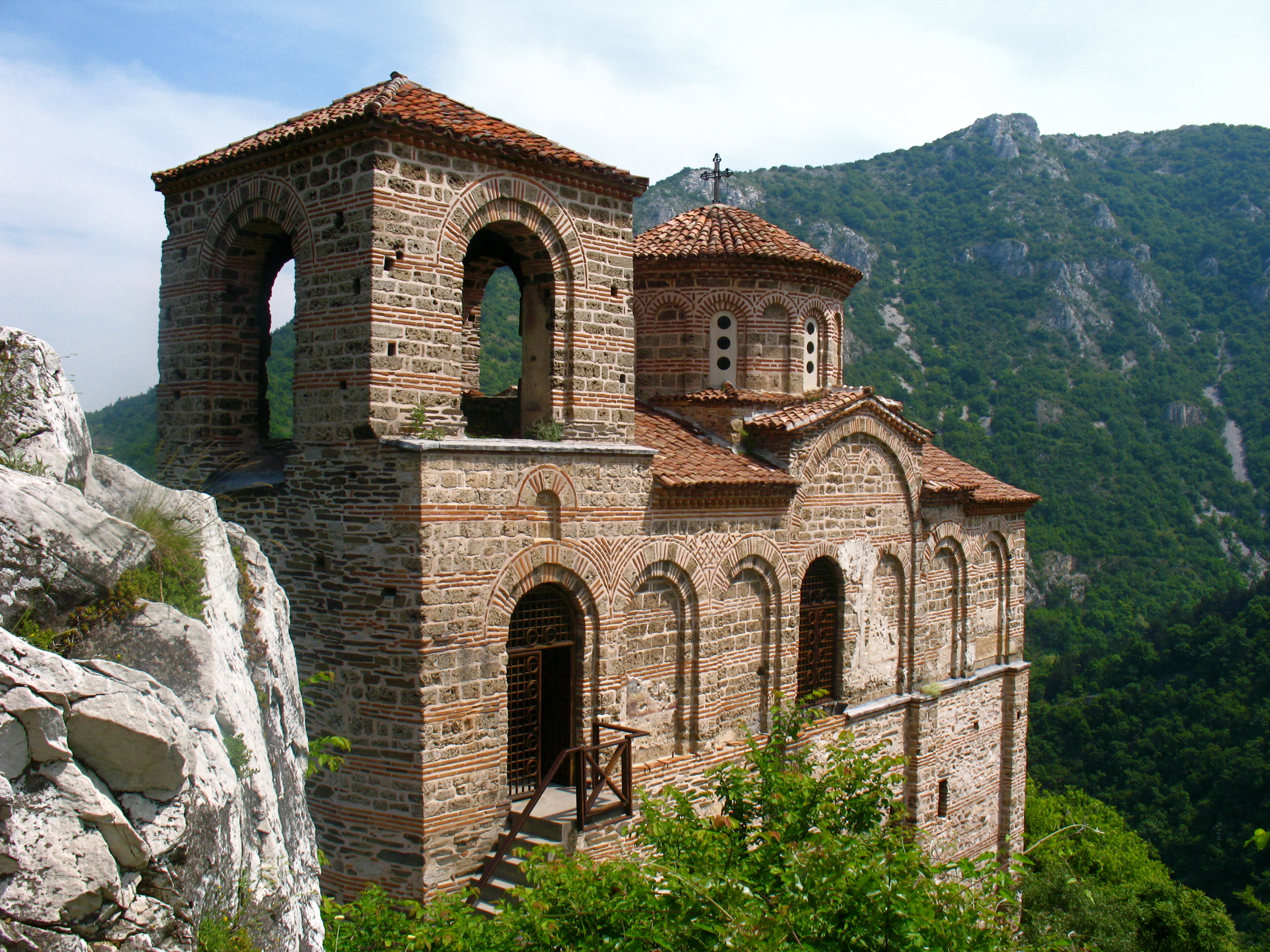
Perperikon
Ancient Thracian city with fortress ruins
Dausdava
Ancient Dacian town in Moesia region
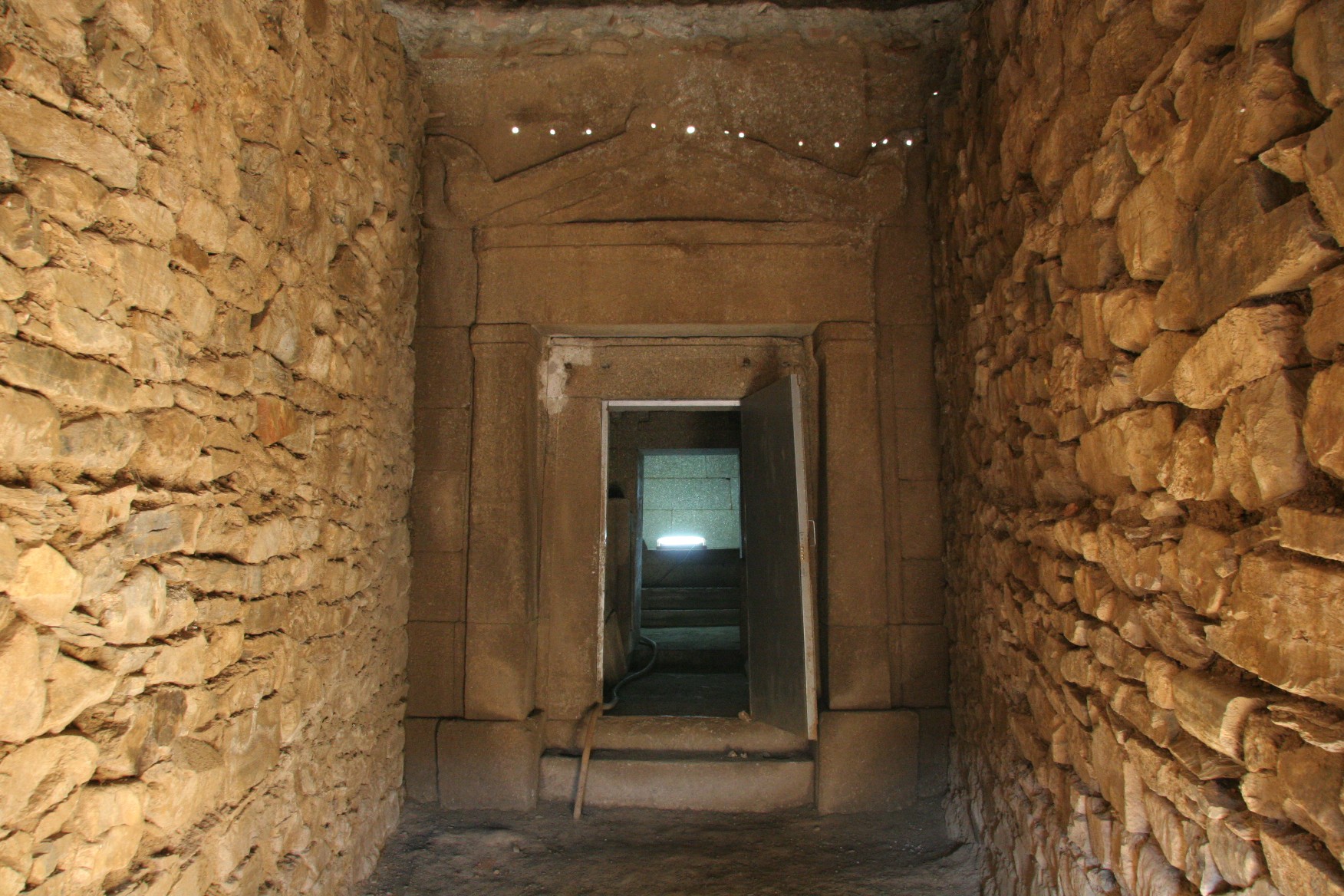
Thracian tomb Griffins
Thracian tomb with griffin motifs and dome.
Novae (fortress)
Roman legionary fortress on the Danube, Bulgaria