
Explore the Map
Laang Spean
12.8500° N, 102.9167° E
About
Laang Spean, situated in Battambang Province, Cambodia, is a significant prehistoric cave site known for its limestone arches. The site hosts evidence of human occupation dating back to approximately 71,000 years BP, with primitive flaked stone tools discovered in its deepest layers, marking it as a site of Upper Paleolithic significance. Over time, the site shows continuous human habitation through the Mesolithic period, prominently featuring the Hoabinhian cultural layer from 11,000 to 5,000 years BP, characterized by split pebble tools and animal remains. In the Neolithic period, the site reveals burial practices with evidence of social stratification, as some graves were adorned with stone jewelry. The discoveries at Laang Spean provide key insights into human cultural evolution and social structures in Southeast Asia during the Pleistocene to Holocene transition.
Historical Timeline
Journey through time and discover key events in this site's history
Neolithic Burials
3,700 to 3,300 years BP
Hoabinhian Occupation
11,000 to 5,000 years BP
Primitive Stone Tool Use
71,000 years BP
Archaeological Features
Unique architectural and cultural elements found at this historical site
Burial and Funerary Structures
Artistic and Decorative Features
Domestic and Habitation Structures
Environmental and Natural Features
Frequently Asked Questions
Plan Your Visit
Tours, travel arrangements, and practical information


More Sites in Cambodia
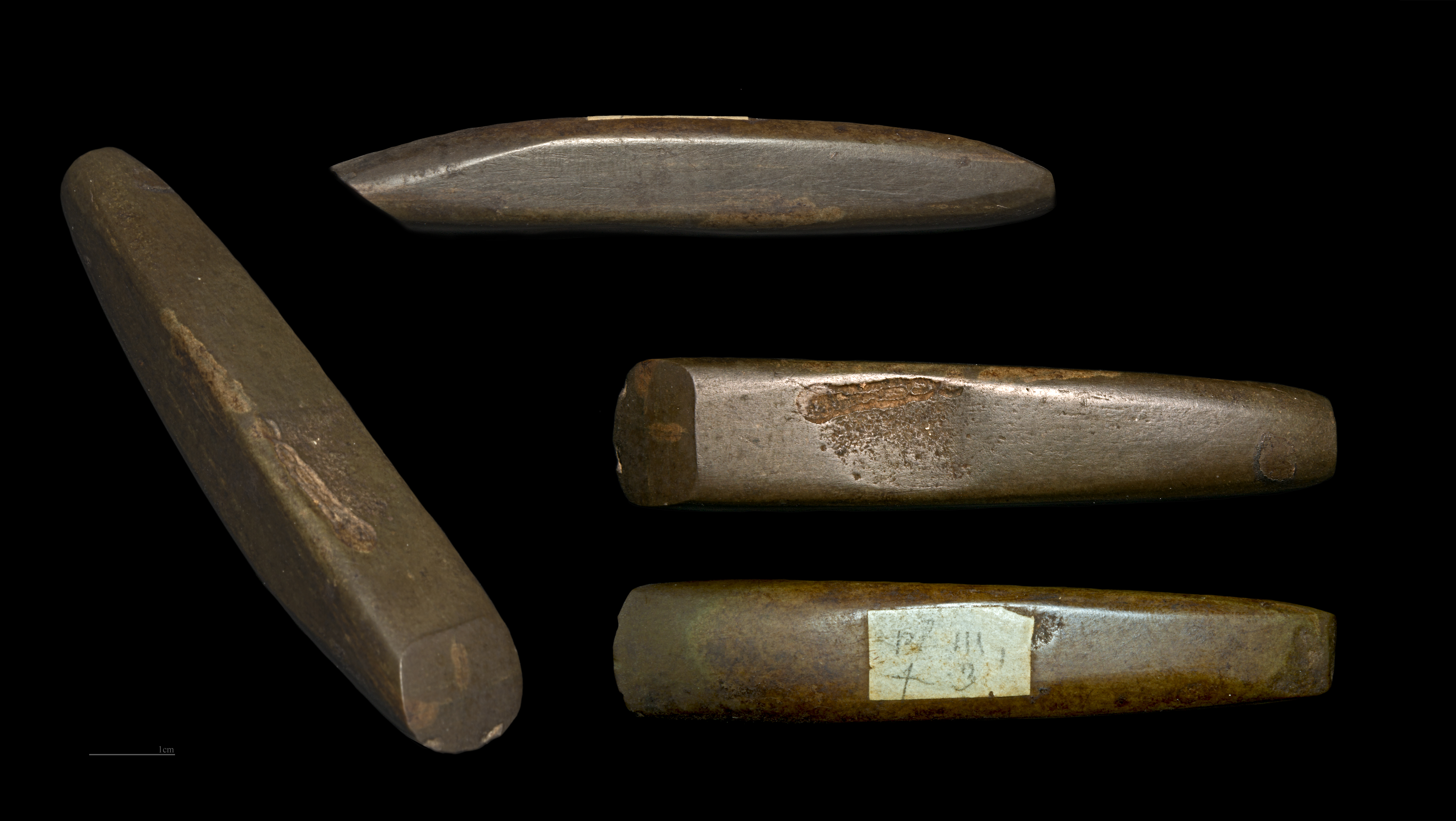
Samrong Sen
Prehistoric shell midden with Bronze Age artifacts.
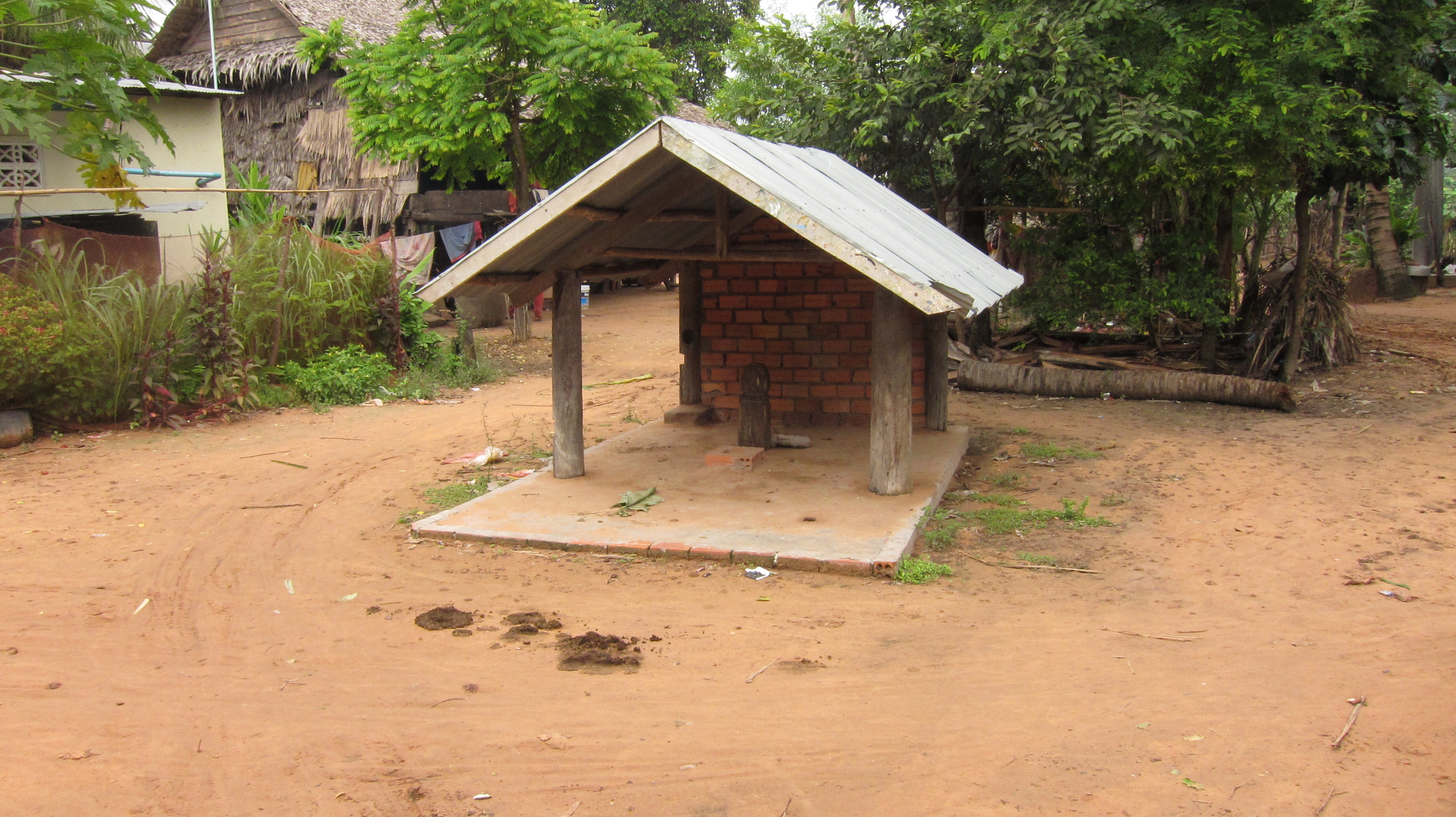
Lovea
Circular moated mound in Siem Reap, Cambodia
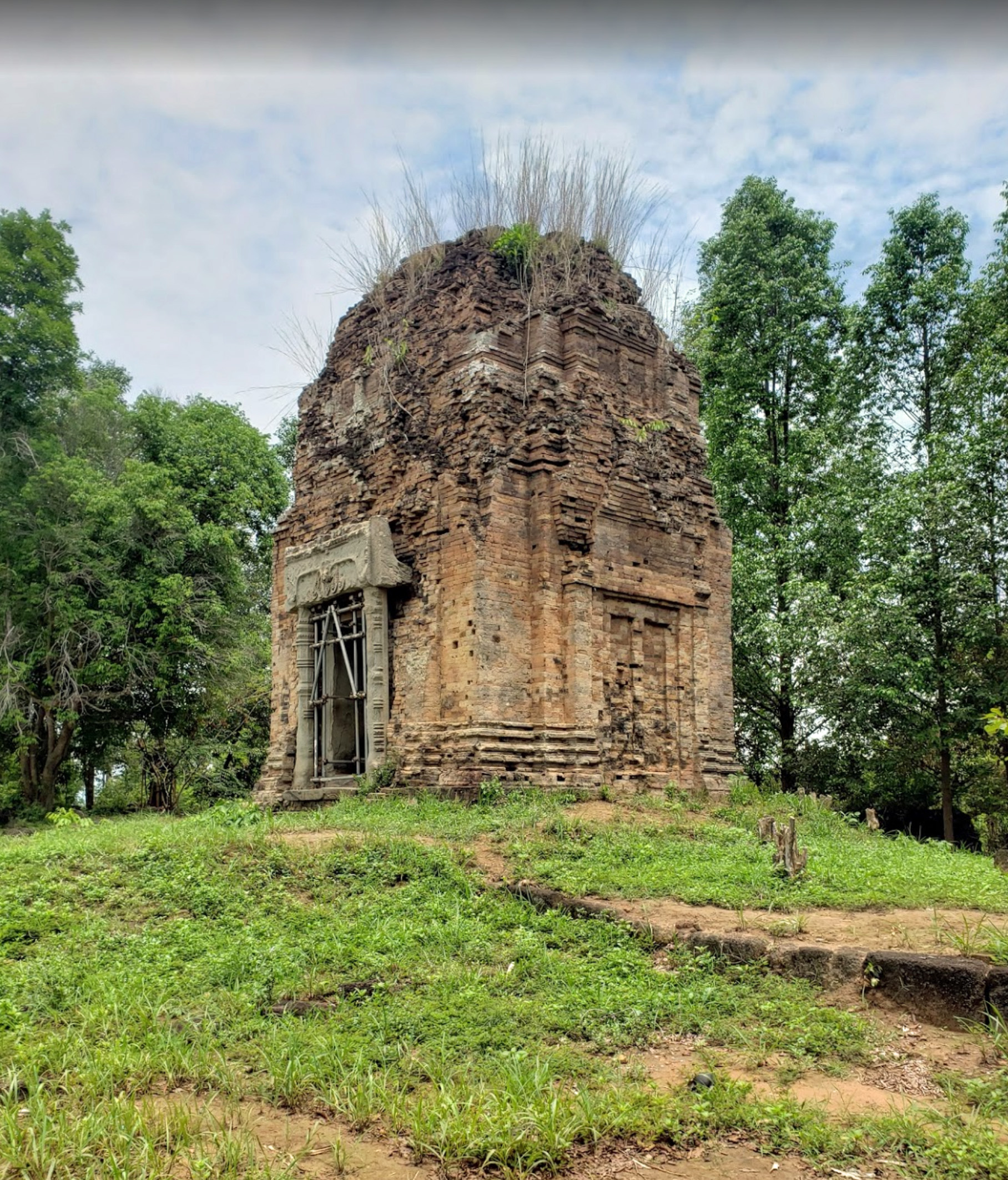
Cheung Ang temple
Brick-built Khmer Empire temple in Cambodia
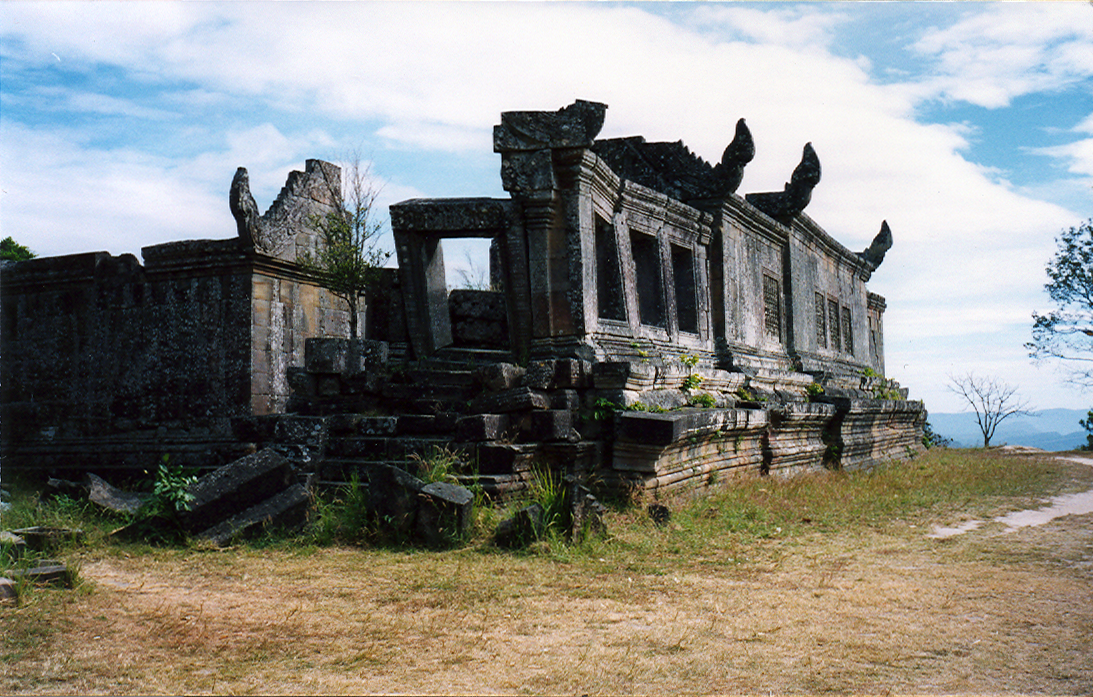
Preah Vihear Temple
Khmer Hindu temple on mountaintop cliff
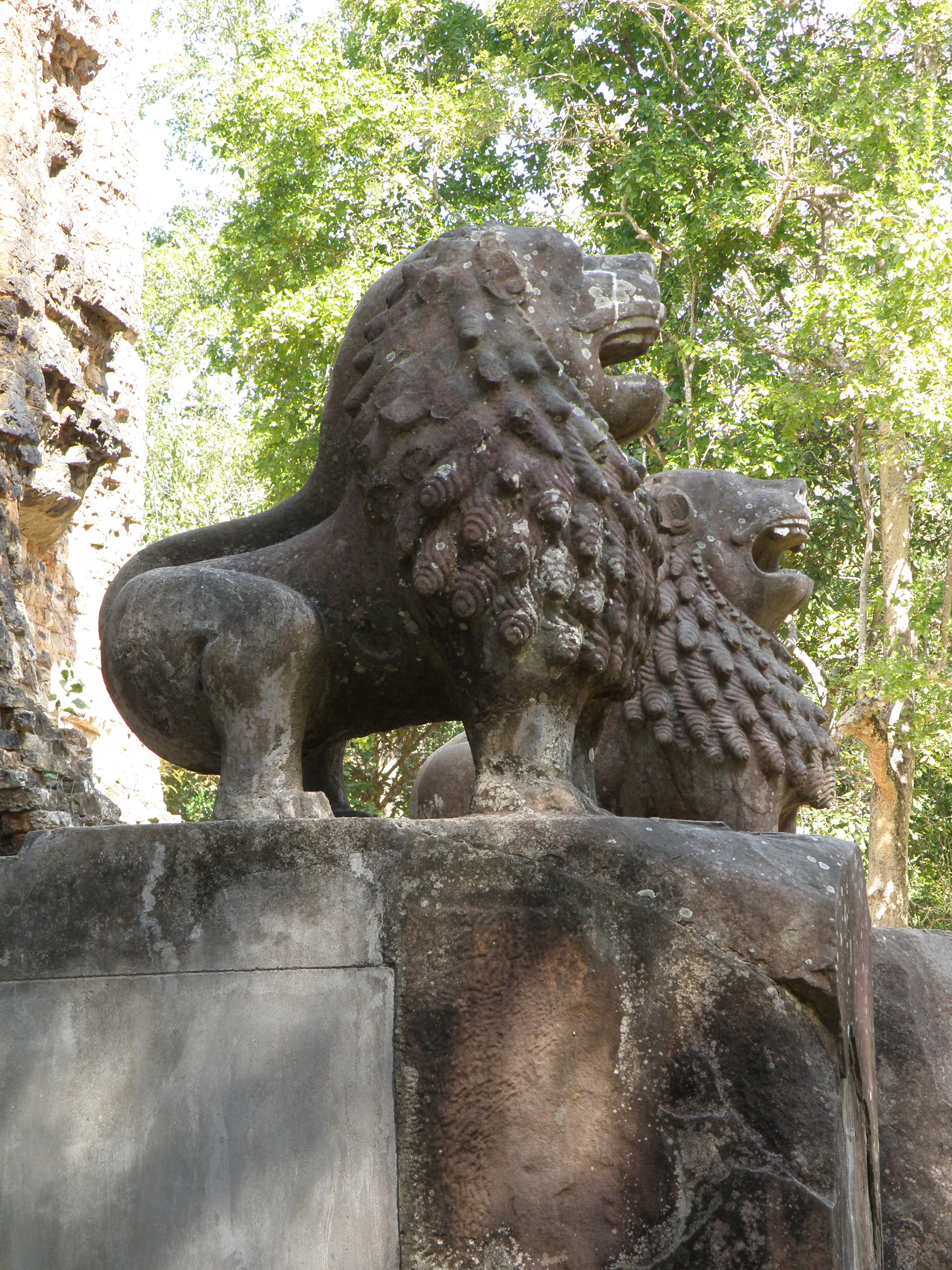
Sambor Prei Kuk
Pre-Angkorian temple complex in Cambodia

Hariharalaya
Ruins of ancient Khmer capital city