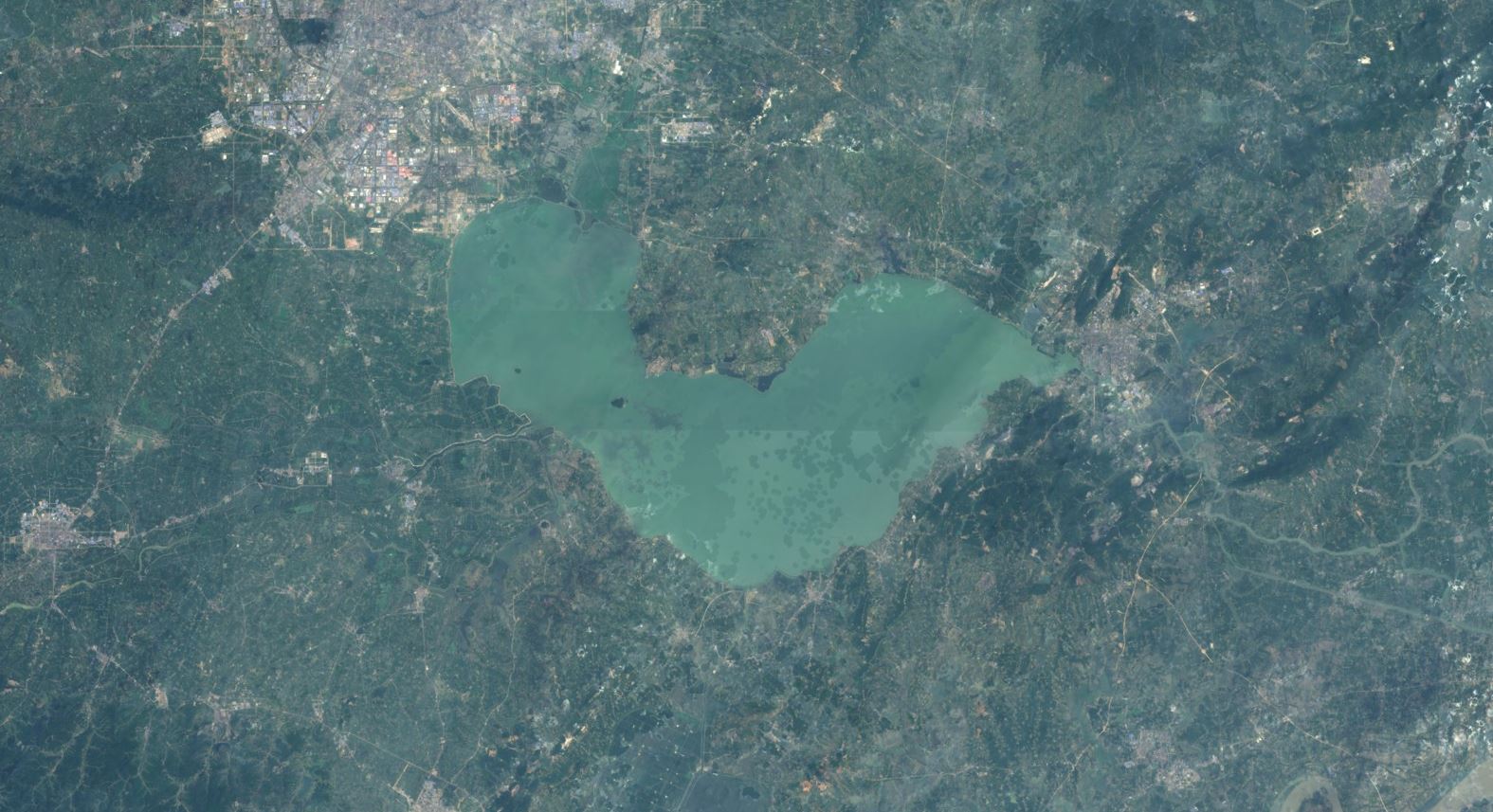
Explore the Map
Chao Hu Lake Archaeological Sites
31.5297° N, 117.3749° E
About
The Chao Lake basin, located in Anhui Province, China, is a significant archaeological region with a rich history of human settlement and cultural development. The basin has been a hub of activity since the Neolithic Age, evidenced by the presence of 52 sites from that period alone. The origin of paddy rice cultivation can be traced back to this area, marking its importance in agricultural history. Throughout the Shang-Zhou dynasties, the basin experienced a cultural peak, with numerous sites discovered, indicating thriving settlements. However, during the Han Dynasty, the region faced decline due to climatic changes, leading to shifts in population and economic focus. The Chao Lake basin continues to be of archaeological interest due to its strategic location and historical significance in ancient Chinese history.
Gallery
Explore photographs of ancient structures, artifacts, and archaeological excavations

Historical Timeline
Journey through time and discover key events in this site's history
Majiabang Culture
7000 BCE
Linjiatan Culture
5600 BCE
Neolithic settlements
5600 BCE
Shang-Zhou Dynasties
1150 BCE
Han Dynasty decline
150 CE
Three Kingdoms period
200 CE
Archaeological Features
Unique architectural and cultural elements found at this historical site
Water Management Features
Agricultural and Land Use Features
Domestic and Habitation Structures
Transportation and Communication Structures
Frequently Asked Questions
Plan Your Visit
Tours, travel arrangements, and practical information


More Sites in China
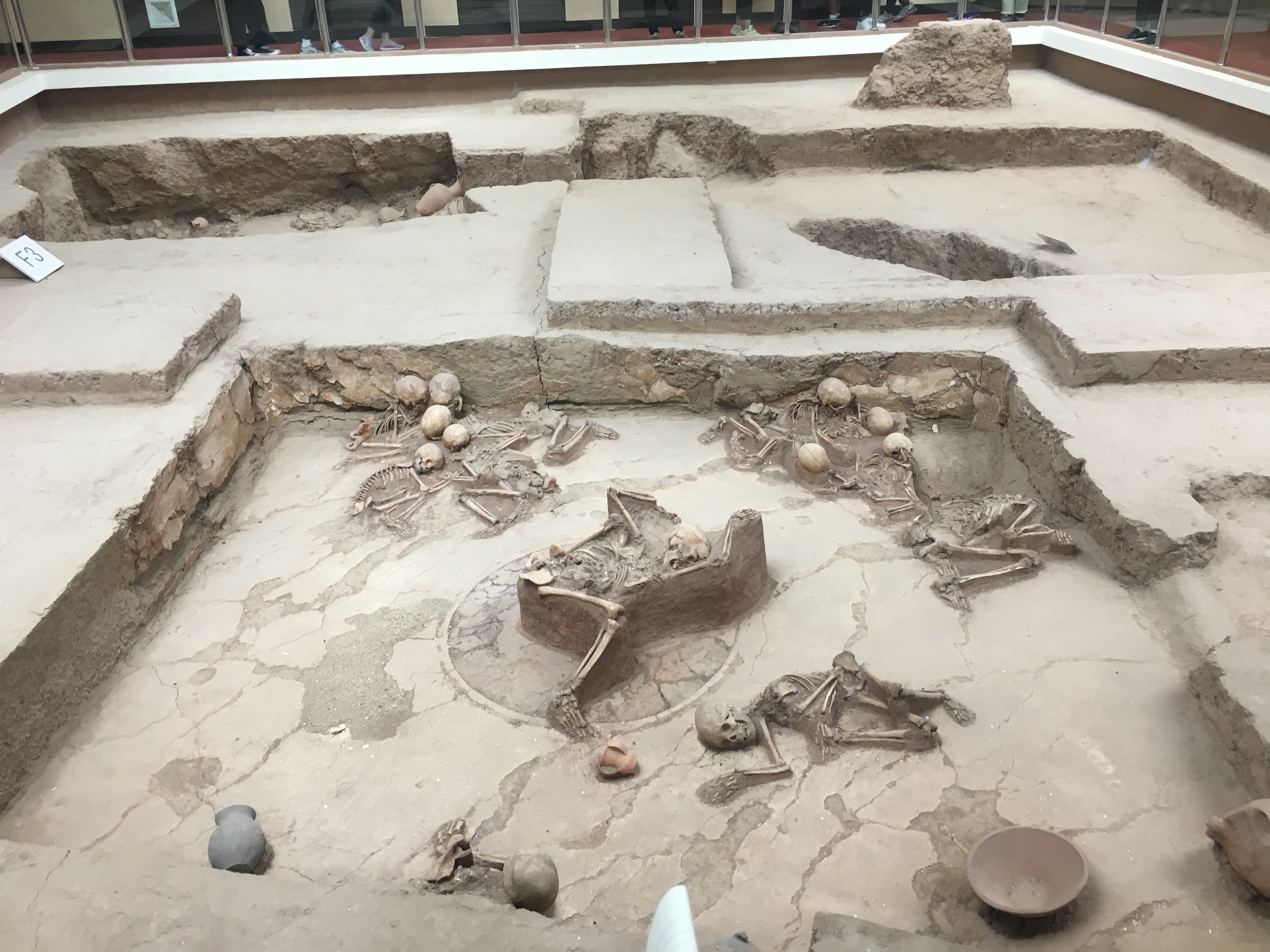
Lajia
Bronze Age site in Yellow River region
Ye (Hebei)
Ancient Chinese city, significant historical capital
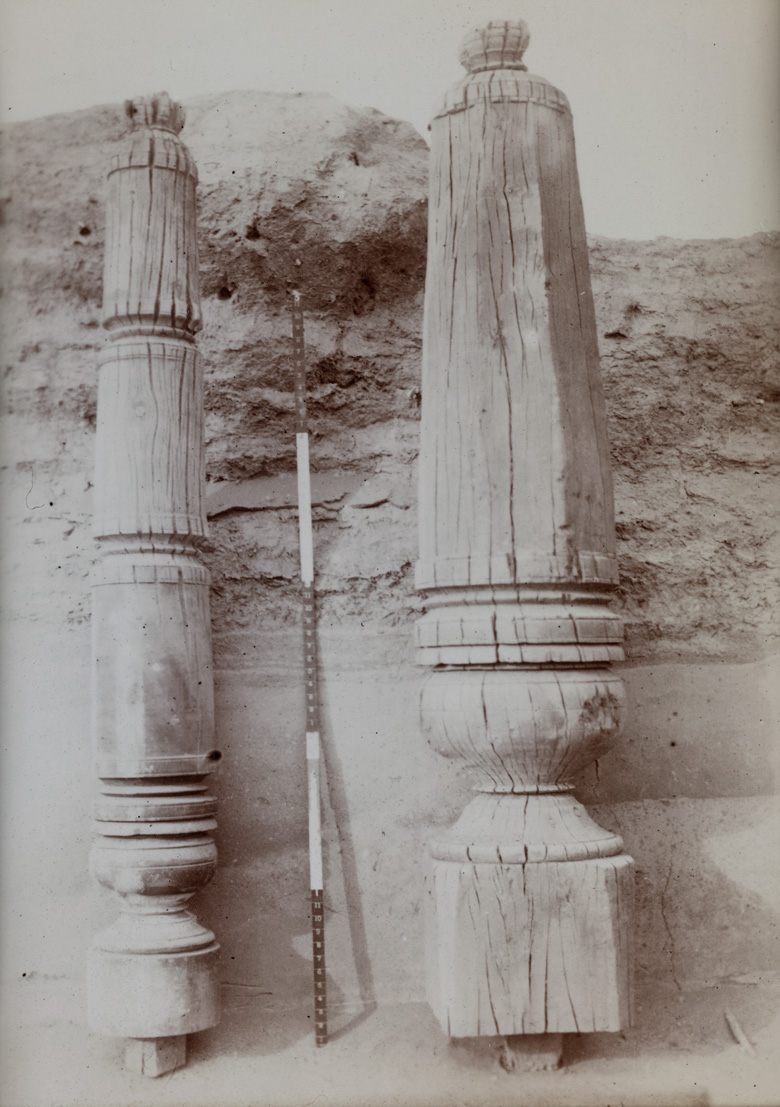
Endere
Ancient military post and Buddhist center

Xigoupan
Ordos culture tombs with Scythian artifacts
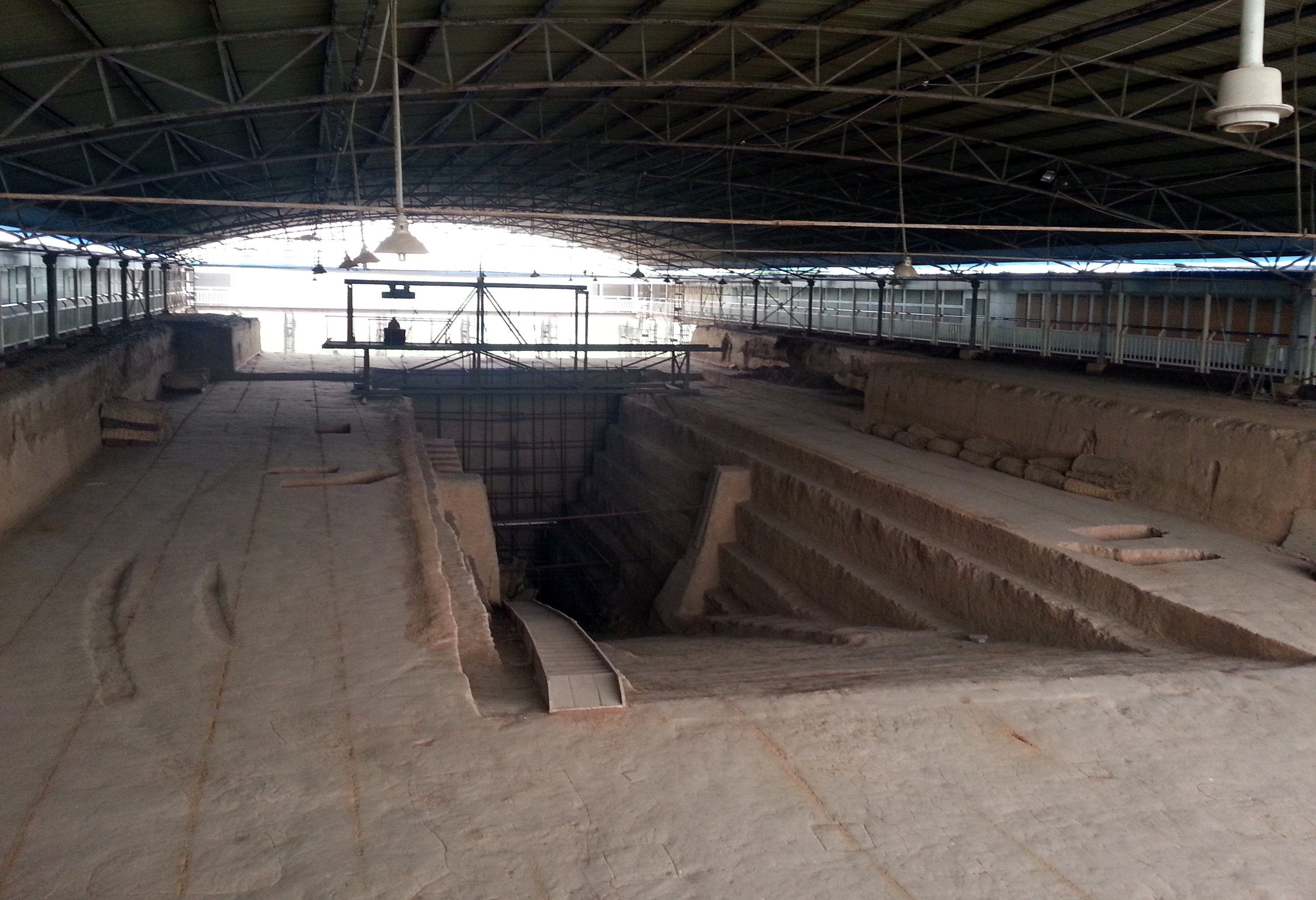
Cao Cao Mausoleum
Brick tomb with multiple chambers
Tomb of An Jia
Sogdian funerary monument in Xi'an, Northern Zhou (6th century)