Explore the Map
Chengziya
36.7358° N, 117.3542° E
About
Chengziya, also spelled Chengziyai, is a Chinese archaeological site and the location of the first discovery of the neolithic Longshan culture in 1928. The discovery of the Longshan culture at Chengziya was a significant step towards understanding the origins of Chinese civilization. Chengziya remains the largest prehistorical settlement found to date. The site is located in Shandong province, about 25 kilometres (16 mi) to the east of the provincial capital Jinan. It is protected and made accessible by the Chengziya Ruins Museum (Chinese: 城子崖遗址博物馆; pinyin: Chéngzǐyá Yízhǐ Bówùguǎn).
Historical Timeline
Journey through time and discover key events in this site's history
Zhou-period occupation
1100–256 BC
Yueshi occupation
1900–1500 BC
Discovery of the site
1928
First Chinese excavations
1930–1931
State protection
1961
Excavations resumed
1990
Museum opened
September 1994
Settlement founded
c. 2600 BC
Archaeological Features
Unique architectural and cultural elements found at this historical site
Defensive Structures
Water Management Features
Industrial and Craft Structures
Artistic and Decorative Features
Domestic and Habitation Structures
Environmental and Natural Features
Frequently Asked Questions
Plan Your Visit
Tours, travel arrangements, and practical information
More Sites in China
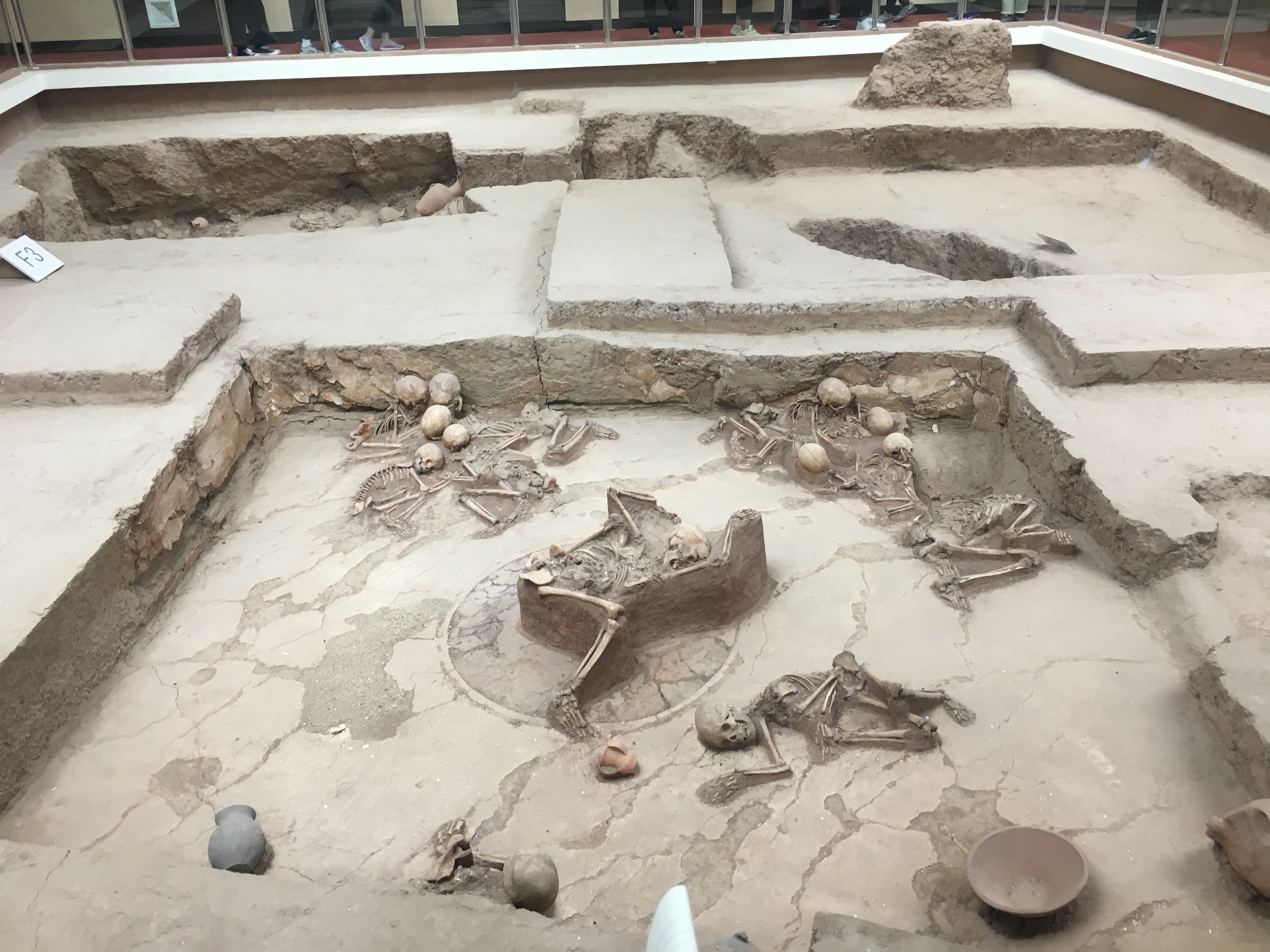
Lajia
Bronze Age site in Yellow River region
Ye (Hebei)
Ancient Chinese city, significant historical capital

Xigoupan
Ordos culture tombs with Scythian artifacts
Tomb of An Jia
Sogdian funerary monument in Xi'an, Northern Zhou (6th century)
Luobi Cave
Karst cave with Yuan Dynasty inscriptions
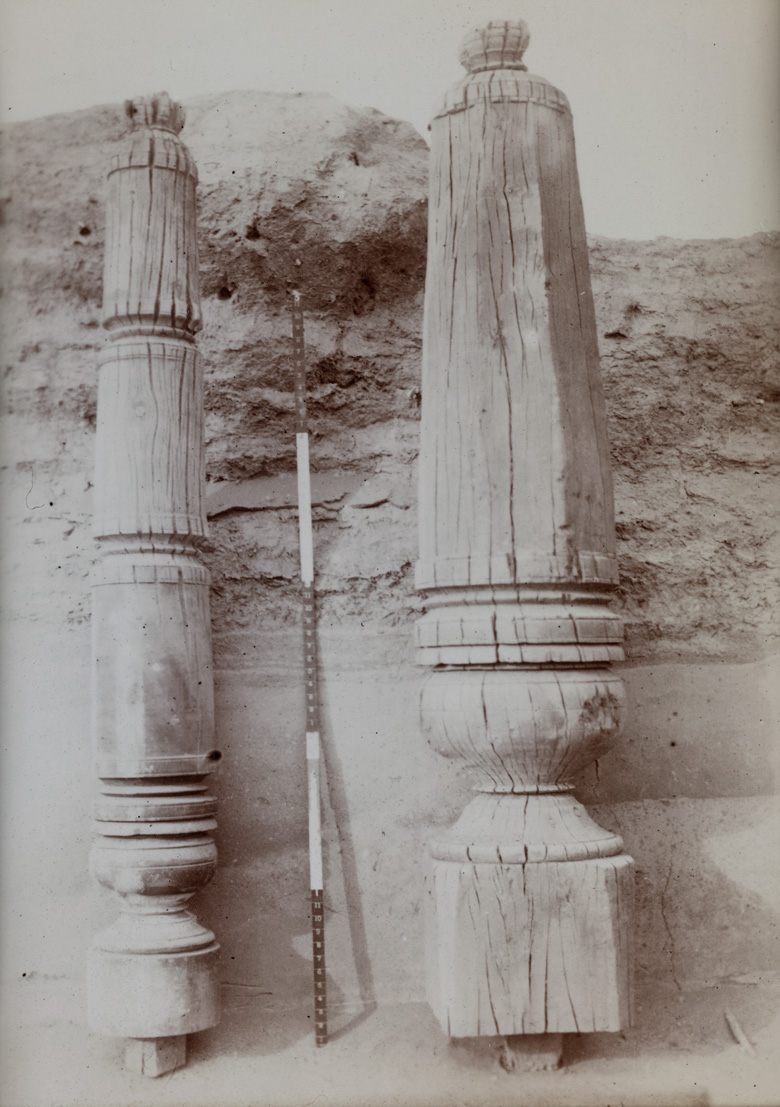
Endere
Ancient military post and Buddhist center