
Explore the Map
Fuyan Cave
25.6507° N, 111.4803° E
About
Fuyan Cave (Chinese: 福岩洞) is a complex of limestone caves in Tangbei village, Lefutang town, Daoxian, Hunan province, south central China famous for the discovery of the oldest evidence for unambiguously fully modern humans outside Africa. 47 human teeth, dating to between 80,000 and 120,000 years ago, were discovered at Fuyan Cave. The teeth are also unusual for showing signs of cavities, a feature typically not found in teeth older than 50,000 years. However, a later study focusing on autosomal DNA analysis of the remains challenged this assertion, and found that the remains were younger than previously suspected.
Historical Timeline
Journey through time and discover key events in this site's history
Discovery
1984
Excavation (2011)
2011
Excavation (2013)
2013
Stalagmite minimum age
at least 80,000 years ago
Reanalysis of specimen FY-HT2
9380±90 BP
Archaeological Features
Unique architectural and cultural elements found at this historical site
Domestic and Habitation Structures
Environmental and Natural Features
Frequently Asked Questions
Plan Your Visit
Tours, travel arrangements, and practical information
More Sites in China
Luobi Cave
Karst cave with Yuan Dynasty inscriptions
Tomb of An Jia
Sogdian funerary monument in Xi'an, Northern Zhou (6th century)
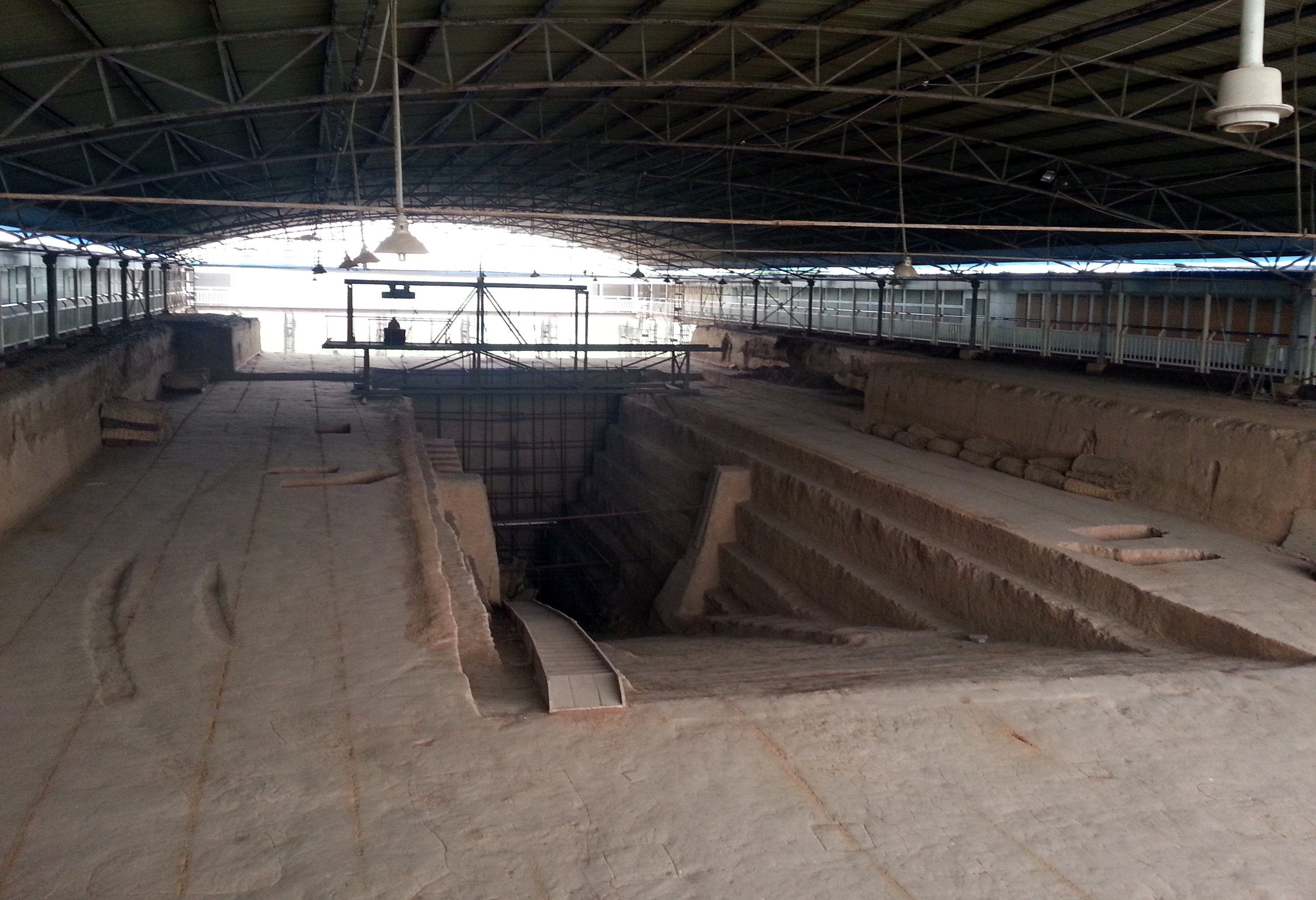
Cao Cao Mausoleum
Brick tomb with multiple chambers
Yunju Temple
Buddhist temple complex with vast stone sutra steles, China

Xigoupan
Ordos culture tombs with Scythian artifacts
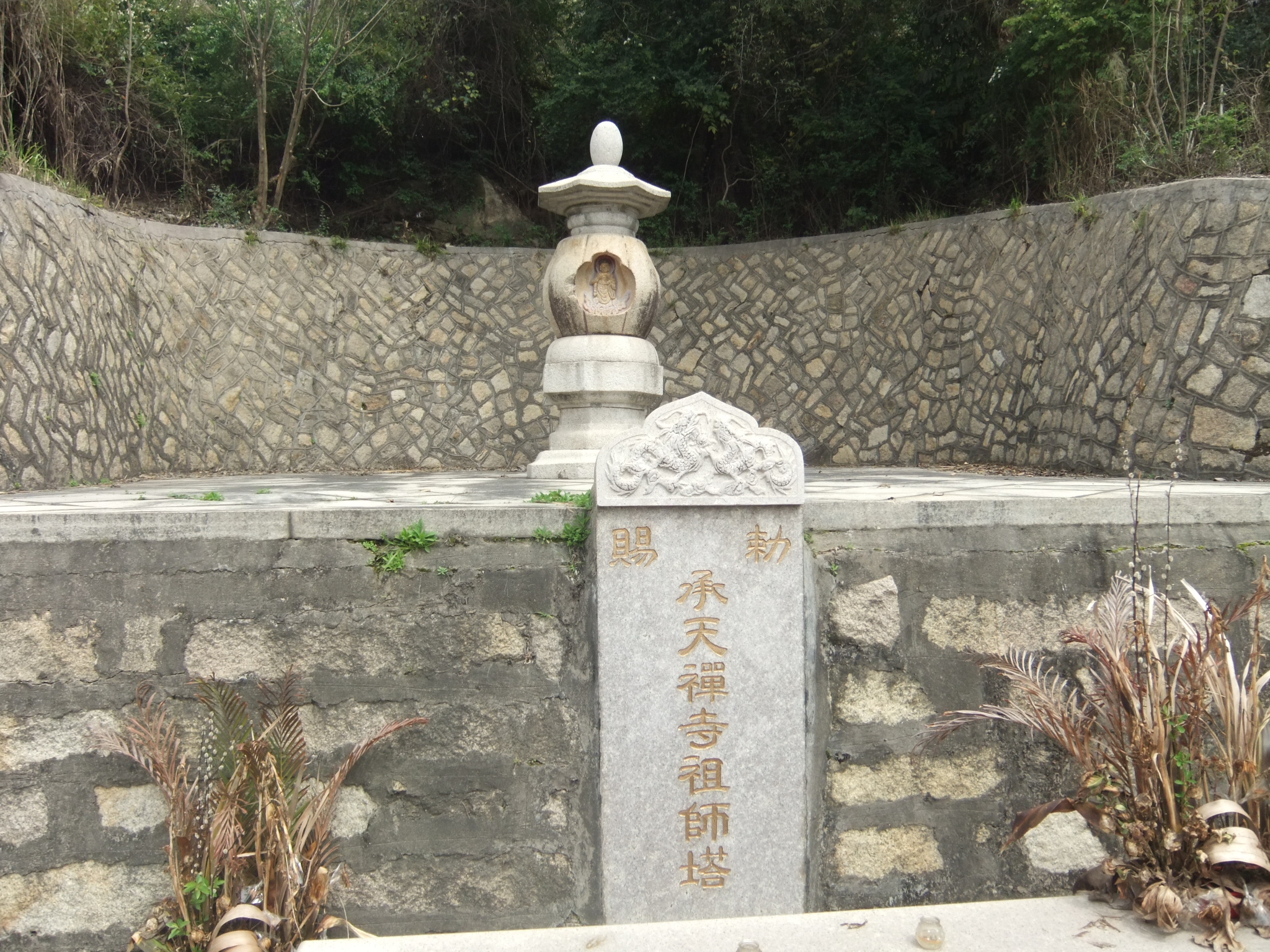
Lingshan Islamic Cemetery
Ancient Islamic cemetery with venerated graves