
Explore the Map
Leshan Giant Buddha
29.5447° N, 103.7733° E
About
The Leshan Giant Buddha (Chinese: 樂山大佛) is a 71-metre (233 ft) tall stone statue, built between 713 and 803 (during the Tang dynasty). It is carved out of a cliff face of Cretaceous red bed sandstones that lies at the confluence of the Min River and Dadu River in the southern part of Sichuan Province in China, near the city of Leshan. The stone sculpture faces Mount Emei, with the rivers flowing below its feet. It is the largest and tallest stone Buddha statue in the world and it is by far the tallest pre-modern statue in the world. It is over 4-kilometre (2.5 mi) from the Wuyou Temple. The Mount Emei Scenic Area, including Leshan Giant Buddha Scenic Area, has been listed as a UNESCO World Heritage Site since 1996.
Historical Timeline
Journey through time and discover key events in this site's history
World Bank repair phase 2
23 June 2002
World Bank repair phase 1
24 March 2002
Construction began
723 AD
Construction completed
803 AD
Provincial protection
1956
UNESCO inscription
1996
Tourism growth peak year
2004
Archaeological Features
Unique architectural and cultural elements found at this historical site
Water Management Features
Burial and Funerary Structures
Religious and Ritual Structures
Artistic and Decorative Features
Environmental and Natural Features
Frequently Asked Questions
Plan Your Visit
Tours, travel arrangements, and practical information
More Sites in China
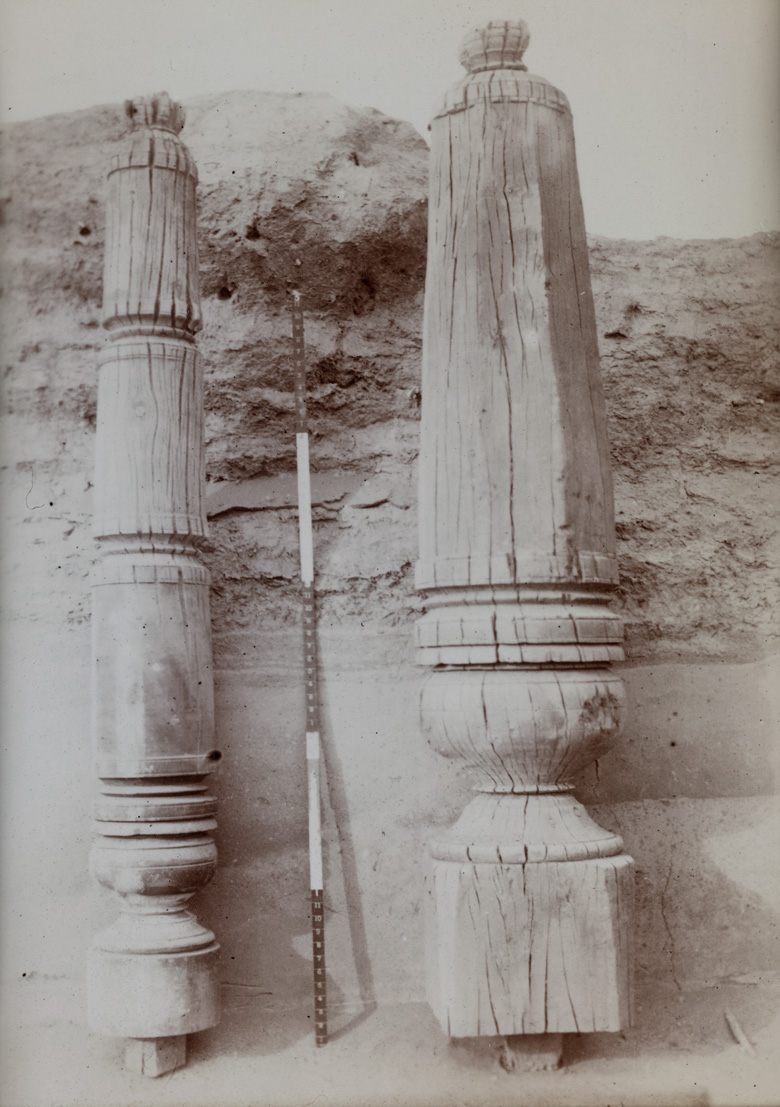
Endere
Ancient military post and Buddhist center
Ye (Hebei)
Ancient Chinese city, significant historical capital
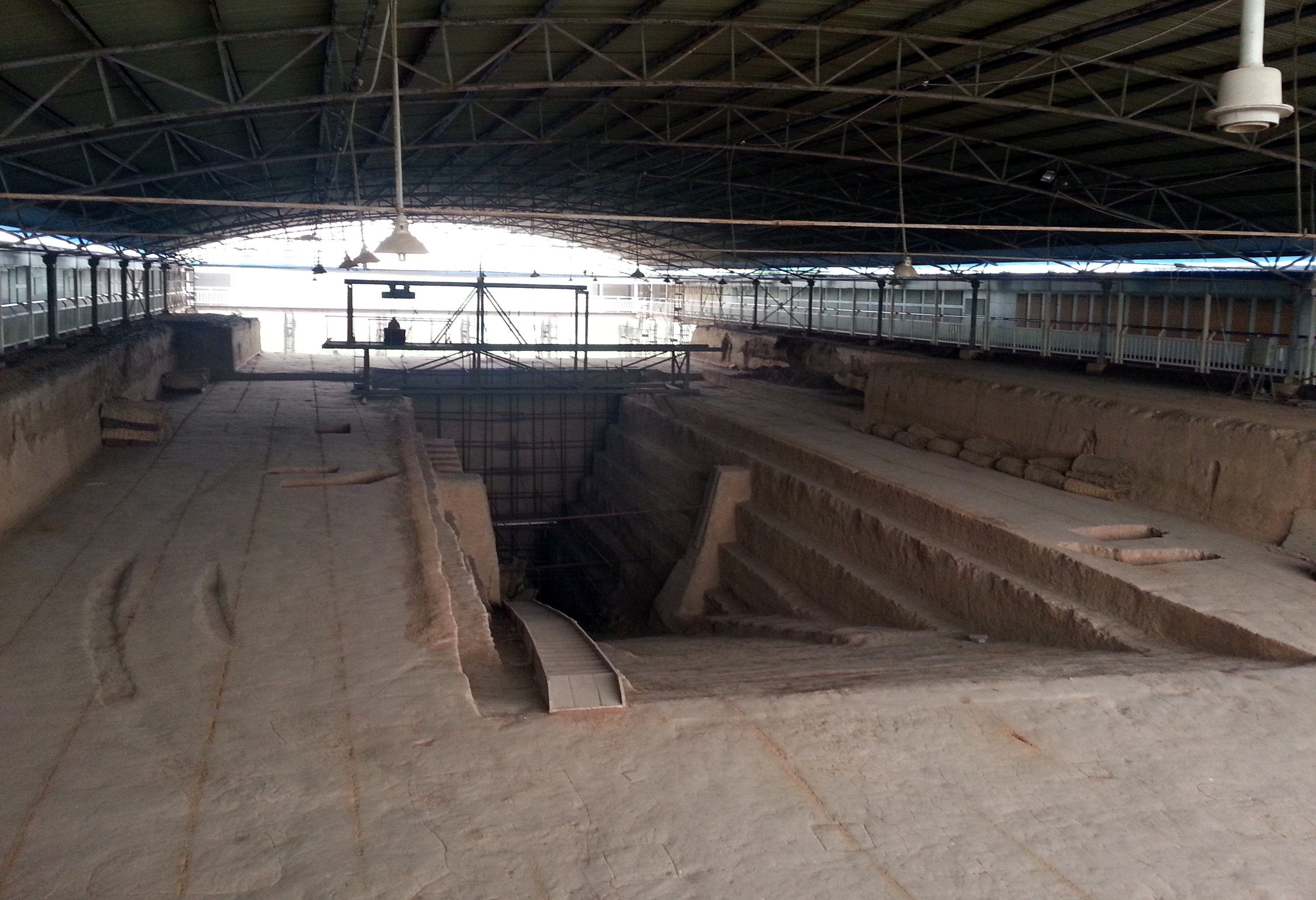
Cao Cao Mausoleum
Brick tomb with multiple chambers
Yangling Mausoleum of Han
Western Han imperial mausoleum, 2nd century BCE
Tomb of An Jia
Sogdian funerary monument in Xi'an, Northern Zhou (6th century)
Lingyin Temple
Chan Buddhist temple in Hangzhou, China