
Explore the Map
Majiayuan site
36.2615° N, 105.0790° E
About
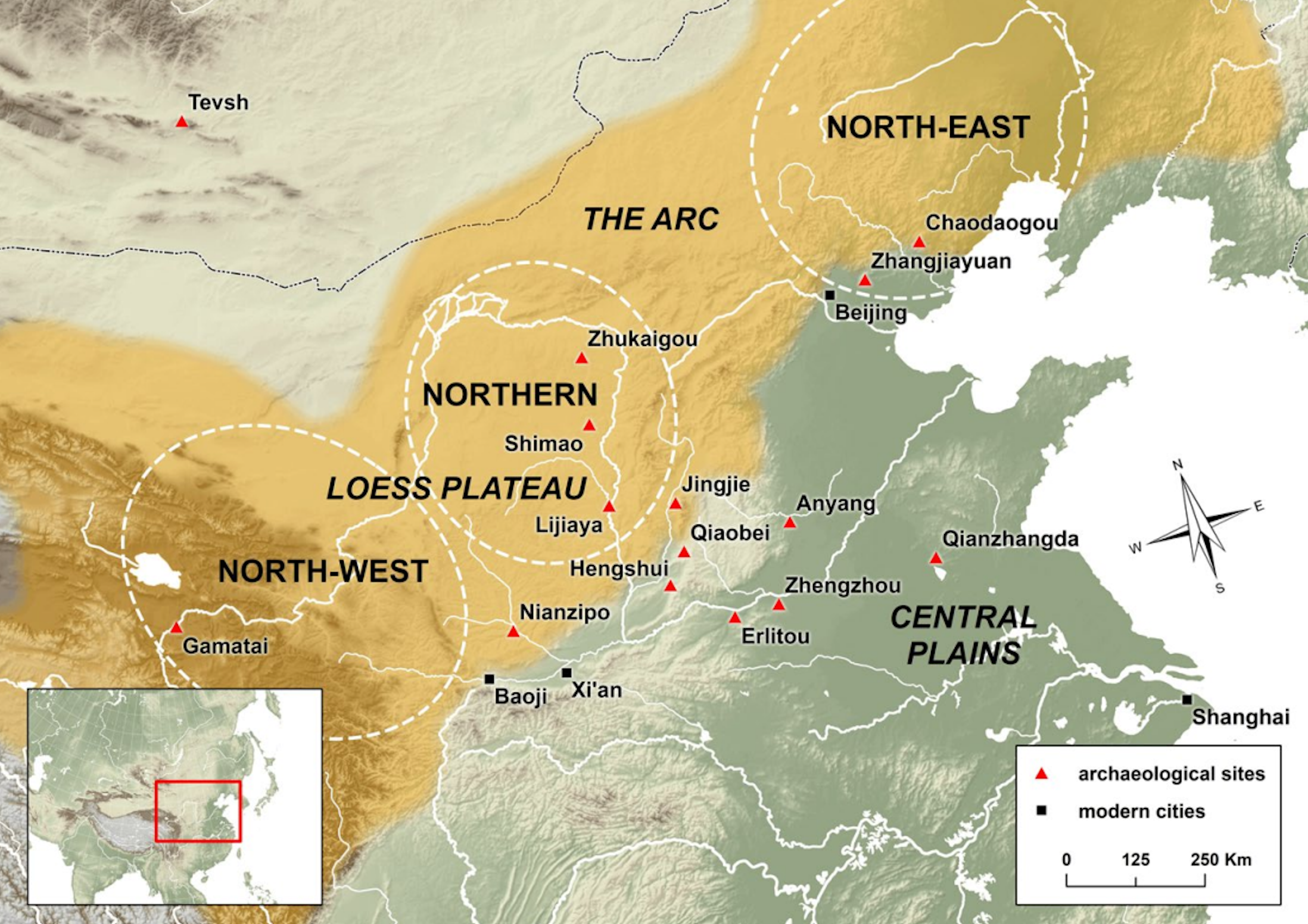
The Majiayuan site in Gansu, China, dating from the 3rd to 2nd century BCE, is a significant archaeological location attributed to the Xirong culture. This site includes graves and catacombs with wooden coffins, ornate chariots, and richly decorated artifacts, such as gold belt ornaments featuring bird motifs. It offers evidence of cultural interaction between the Chinese and their nomadic neighbors during the Warring States period. The site is linked to the Saka (Scythian) culture, as seen in the animal style of the burial goods which resemble those found in the steppe regions. Majiayuan highlights the complex cultural dynamics of the region and provides insights into the funerary practices and material culture of the Xirong people.
Gallery
Explore photographs of ancient structures, artifacts, and archaeological excavations


Historical Timeline
Journey through time and discover key events in this site's history
Construction of Defensive Wall
271 BCE
Xirong Cultural Site
3rd-2nd century BCE
Archaeological Features
Unique architectural and cultural elements found at this historical site
Miscellaneous Features
Burial and Funerary Structures
Artistic and Decorative Features
Frequently Asked Questions
Plan Your Visit
Tours, travel arrangements, and practical information


More Sites in China

Xigoupan
Ordos culture tombs with Scythian artifacts
Ye (Hebei)
Ancient Chinese city, significant historical capital
Yangling Mausoleum of Han
Western Han imperial mausoleum, 2nd century BCE
Yunju Temple
Buddhist temple complex with vast stone sutra steles, China
Capital Cities and Tombs of the Ancient Koguryo Kingdom
Goguryeo fortress-cities and tombs, 1st century BCE–7th century CE
Tomb of An Jia
Sogdian funerary monument in Xi'an, Northern Zhou (6th century)