Time Periods
Paleolithic
Mesolithic
Neolithic
Chalcolithic
Bronze Age
Iron Age
Classical Period
Post-Classical Period
Early Modern Period
Industrial Period
Contemporary Period
Time Periods
Paleolithic
Mesolithic
Neolithic
Chalcolithic
Bronze Age
Iron Age
Classical Period
Post-Classical Period
Early Modern Period
Industrial Period
Contemporary Period
Location
About
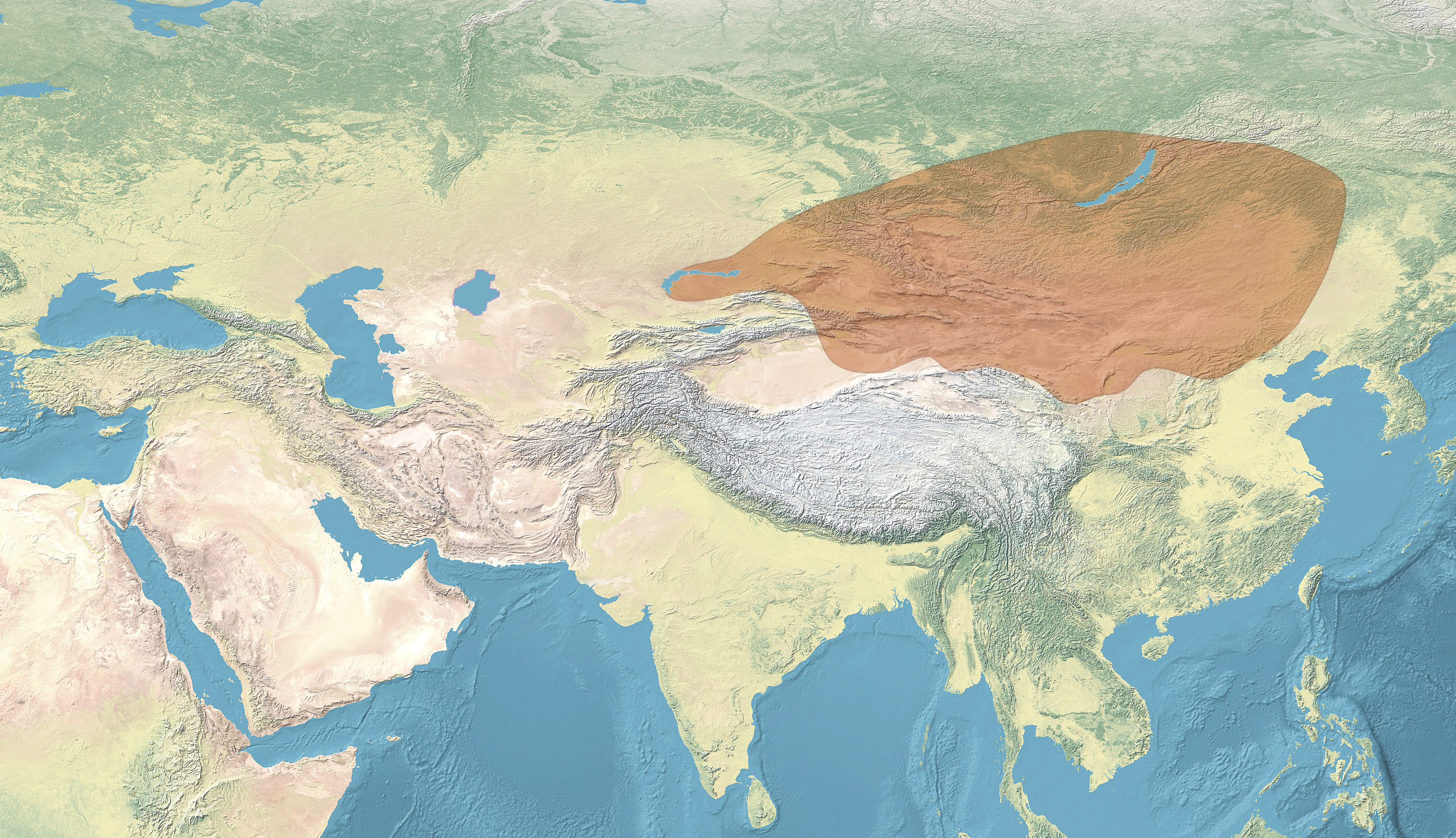
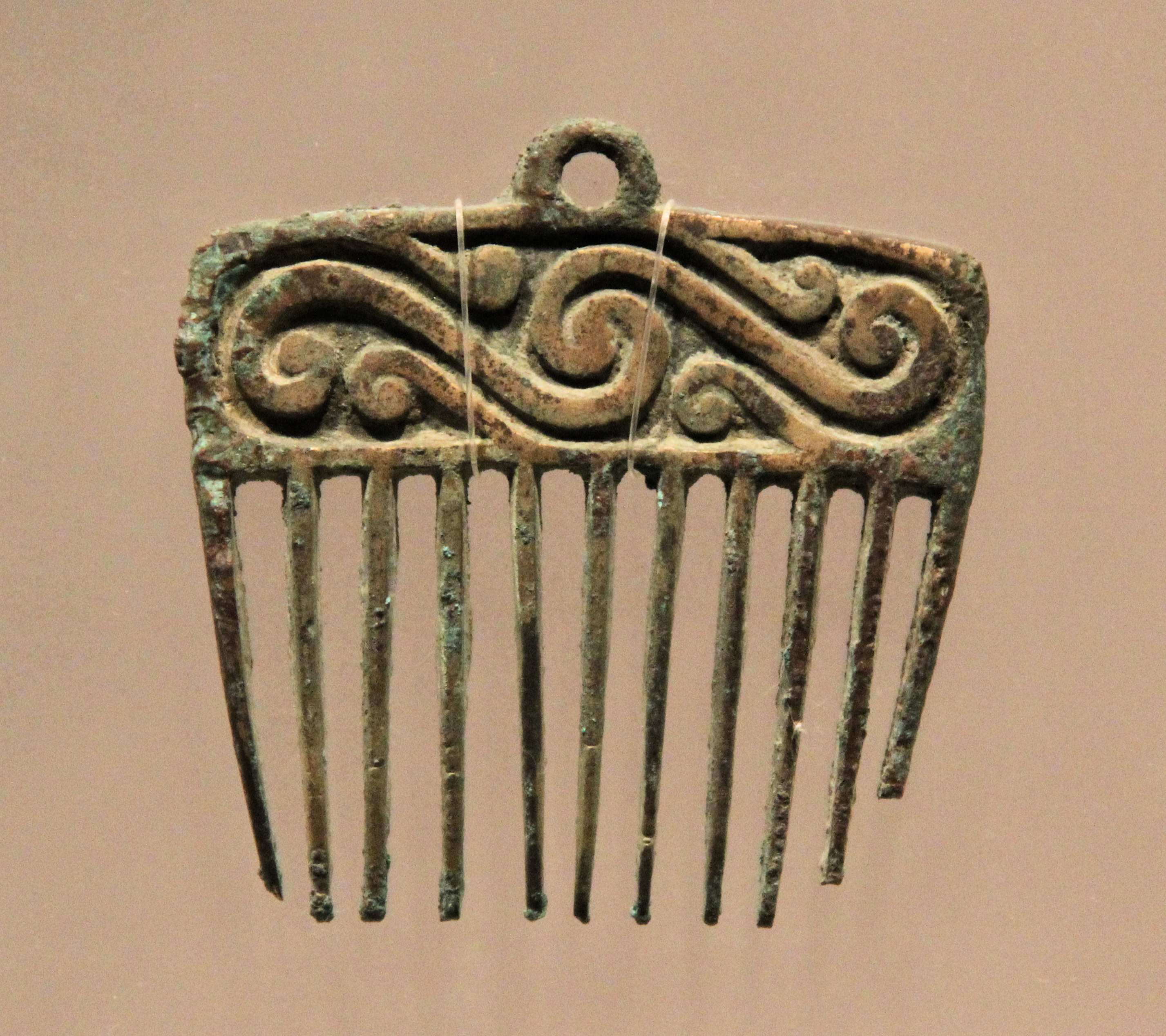
The Shajing culture, an Iron Age civilization, thrived from around 800/700 to 100 BCE in the Gansu region of China. Known for its pastoral nomadism, it developed fortified settlements with walls made of compacted loess. The culture's proximity to the Saka, Ordos, and Upper Xiajiadian cultures suggests a rich tapestry of cultural interactions. The Shajing people were skilled in metallurgy, particularly ironwork, and their artifacts exhibit the Animal style typical of the northern steppes. Despite the arid conditions following the Middle Holocene, the culture managed to flourish through a combination of agriculture and pastoralism. The Shajing lands were eventually overrun by the Xiongnu and later conquered by the Han dynasty, which integrated the region into its expanding empire.
Gallery
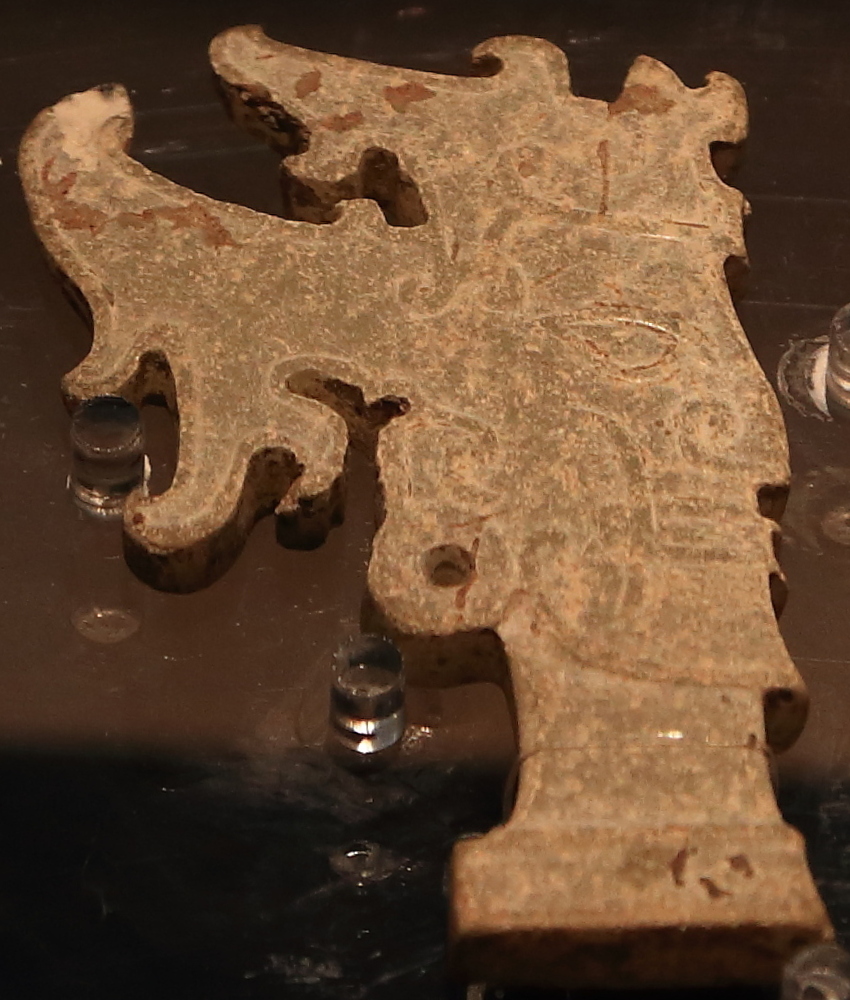
Explore photographs of ancient structures, artifacts, and archaeological excavations at Shajing culture

Archaeological Features
Explore the unique architectural and cultural elements found at this historical site
Defensive Structures
Military Installations
Industrial and Craft Structures
Artistic and Decorative Features
Agricultural and Land Use Features
Domestic and Habitation Structures
Transportation and Communication Structures
Historical Timeline
Journey through time and discover key events in this site's archaeological history
Plan Your Visit
Details
- Country
- China
- Source
- Wikipedia
More Sites in China
Ye (Hebei)
Ancient Chinese city, significant historical capital
Daxinzhuang
Shang urban center with oracle bones
Liye Ancient City
Ancient city with Qin dynasty artifacts
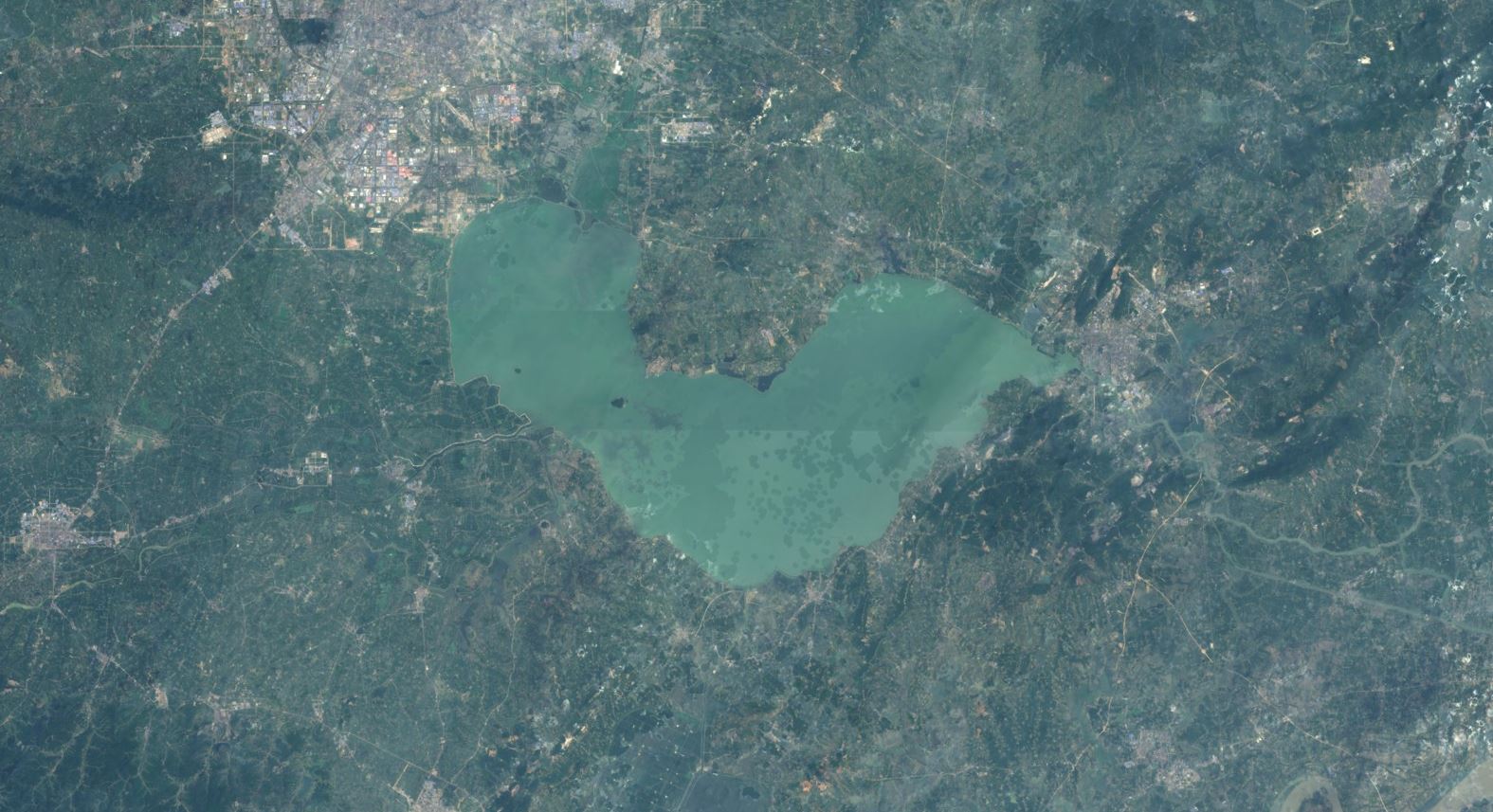
Chao Hu Lake Archaeological Sites
Ancient settlements in Chao Lake basin
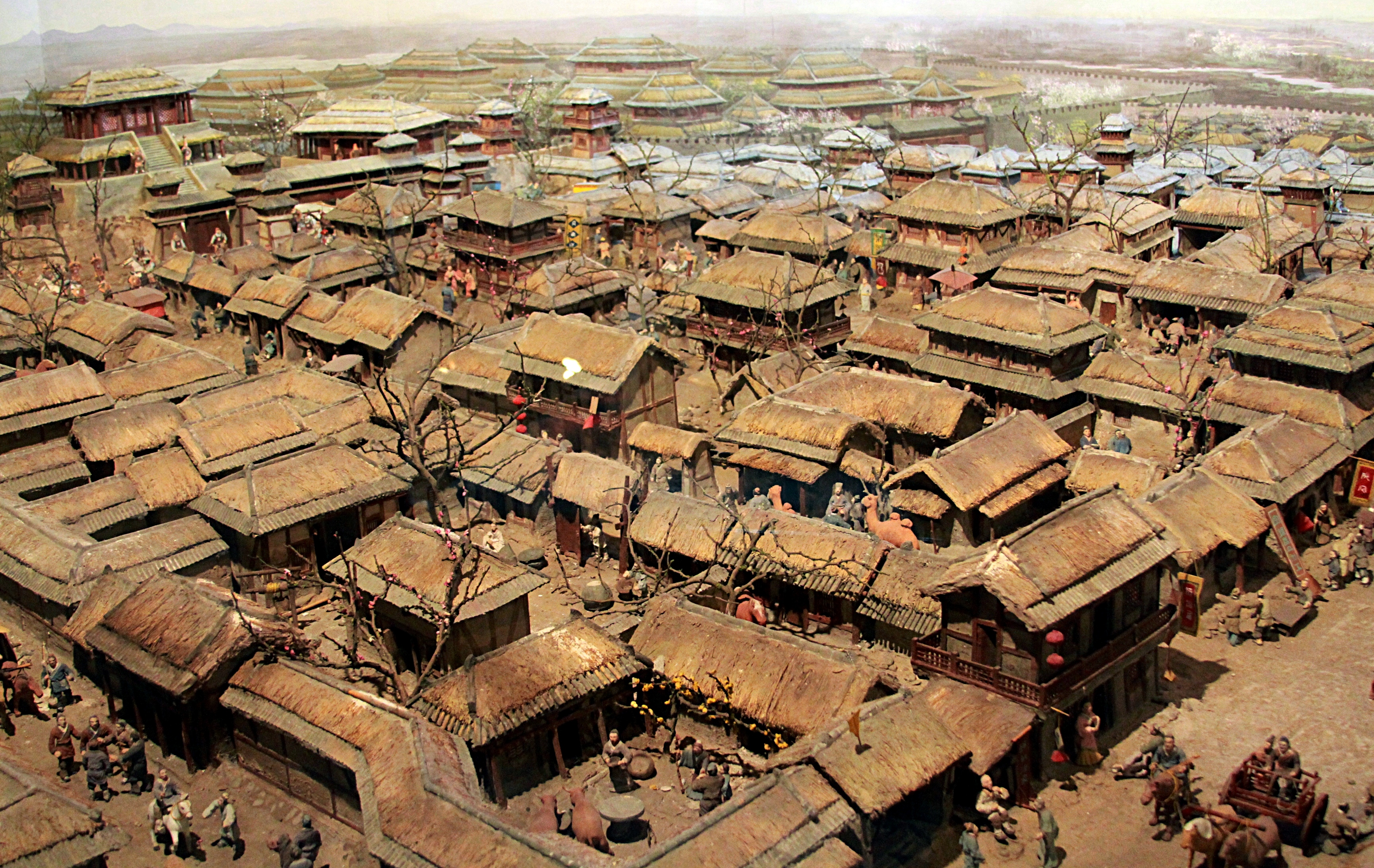
Ancient Linzi
Ancient city with defensive walls and tombs.
Xiadu
Largest Warring States city with workshops.