Explore the Map
Ancient Linzi
36.8829° N, 118.3554° E
About
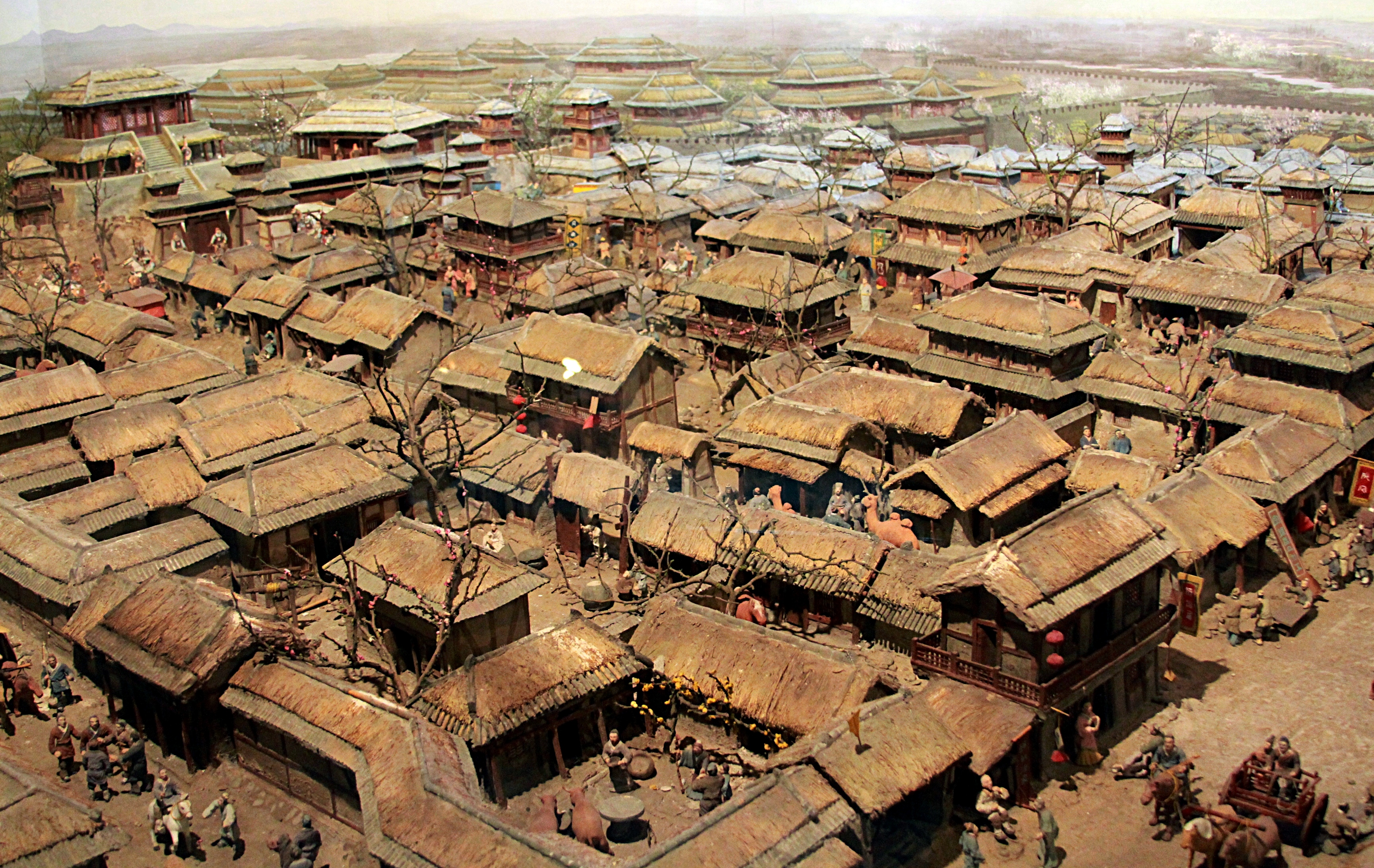
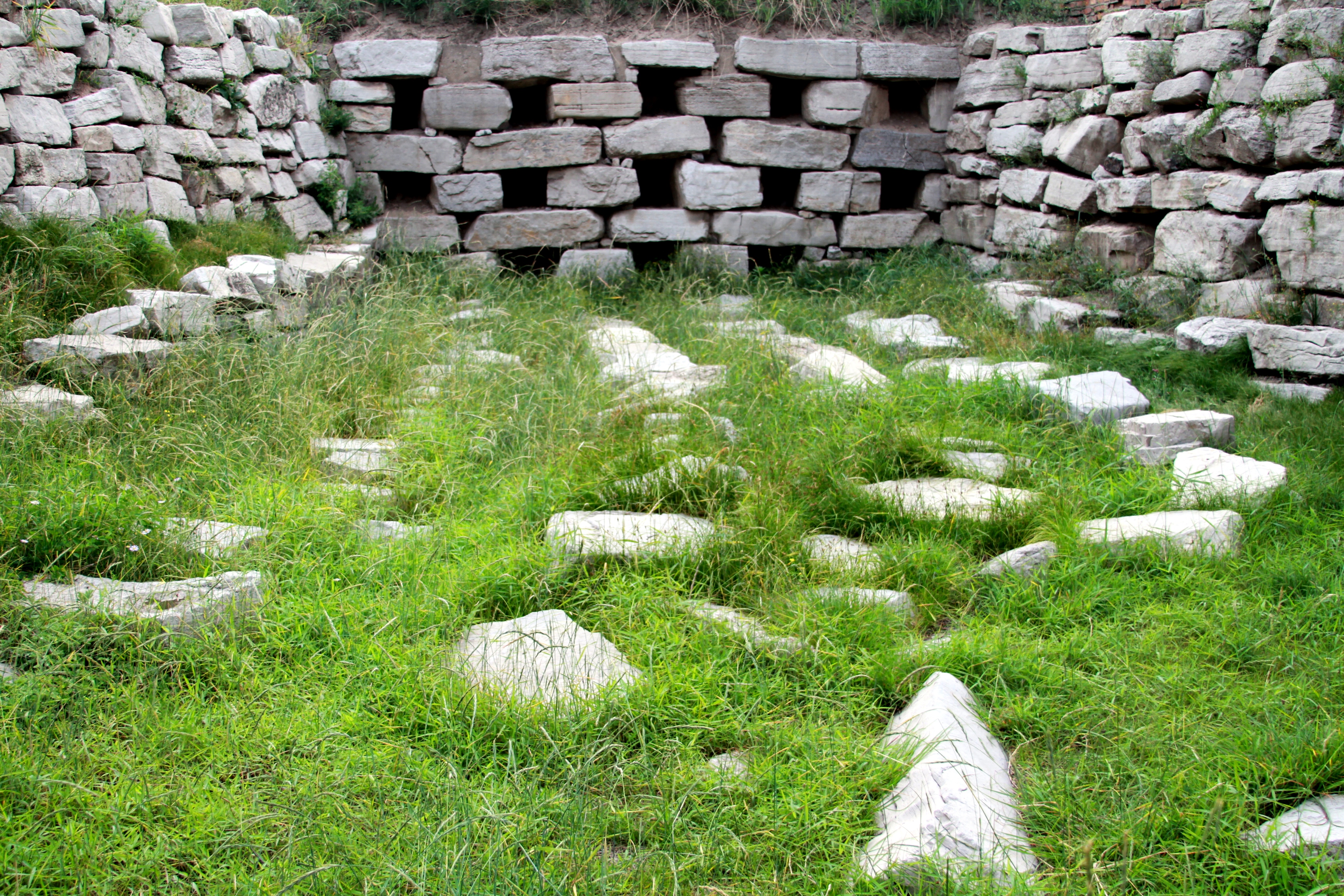
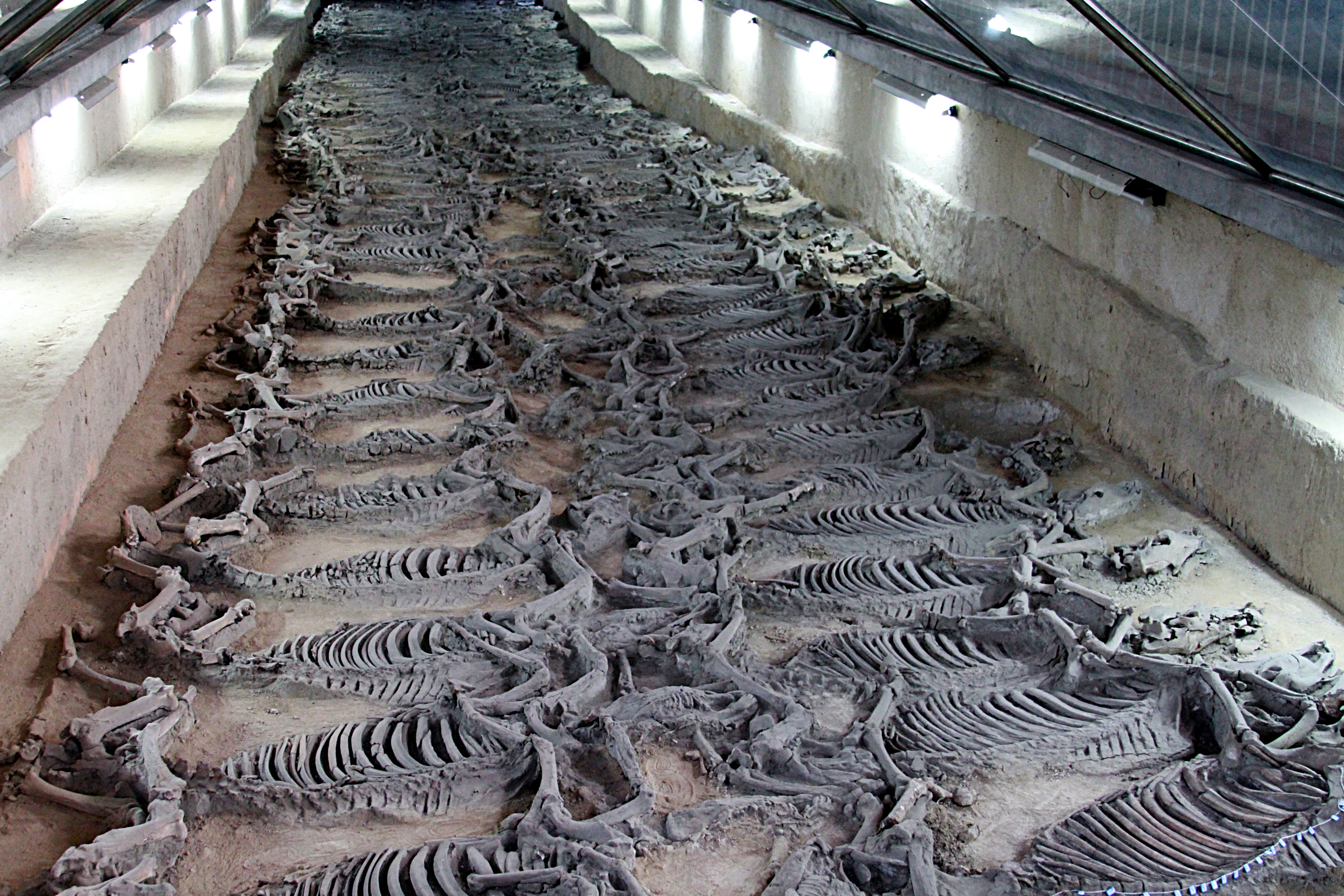
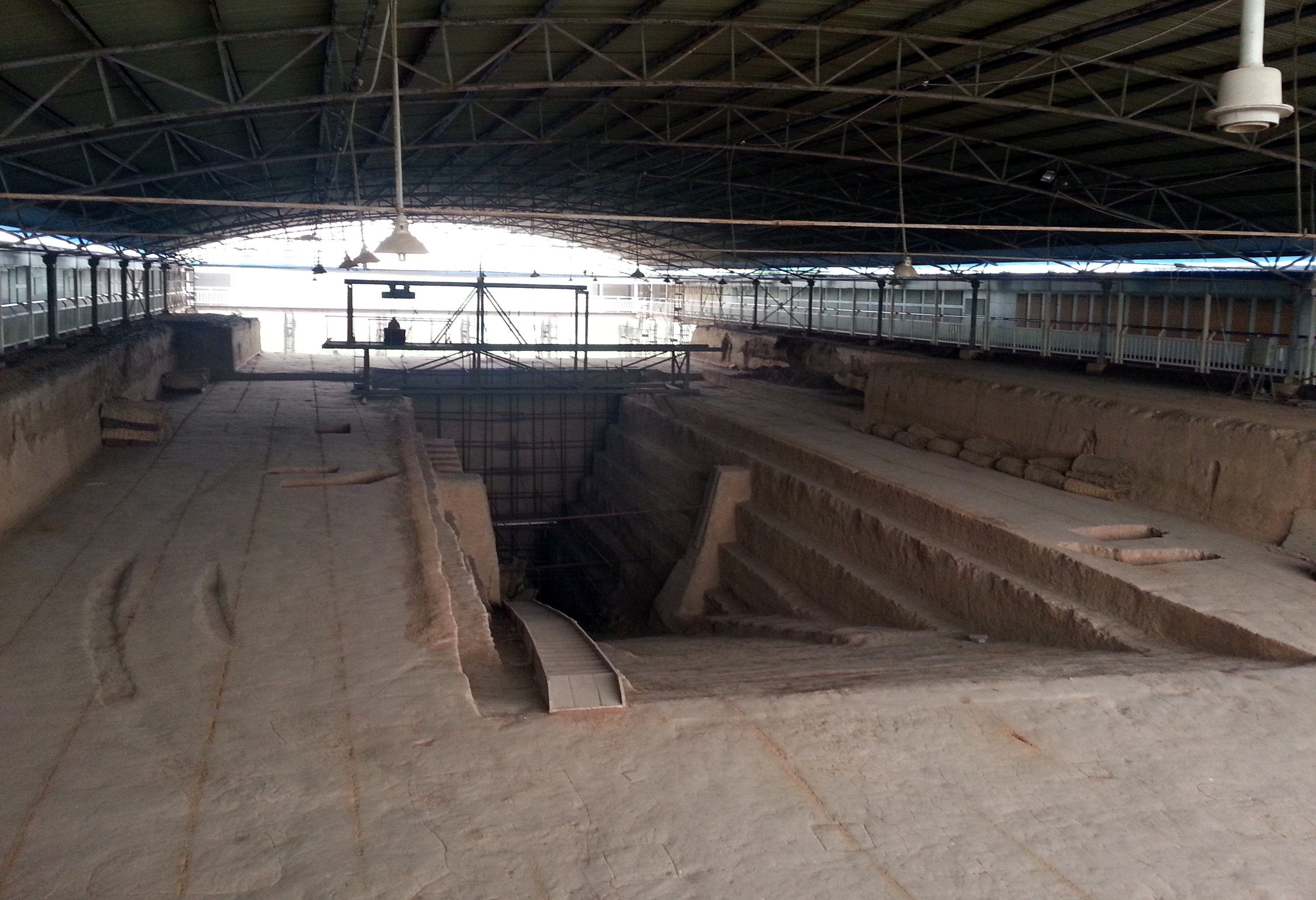
Linzi, once the capital of the ancient Chinese state of Qi during the Zhou dynasty, represents a significant archaeological site in Shandong, China. The city, prominent during the Spring and Autumn period, was one of the largest and wealthiest in ancient China. It featured a sophisticated urban layout with a robust defensive wall system, a palace complex, and an intricate sewer and water supply system. The city housed the Jixia Academy, a renowned center of learning attracting philosophers and scholars. Surrounding Linzi are numerous tombs, some containing chariot and horse sacrifices, highlighting the city's cultural and ritual significance. Its conquest by King Ying Zheng of Qin in 221 BCE marked a pivotal moment in Chinese history, as it led to the unification of China under the first emperor. The archaeological remains of Linzi provide crucial insights into urban planning, defense, and intellectual life in ancient China.
Gallery
Explore photographs of ancient structures, artifacts, and archaeological excavations
Historical Timeline
Journey through time and discover key events in this site's history
Linzi as Qi Capital
700 BCE
Jixia Academy Founded
315 BCE
Qin Conquest of Linzi
221 BCE
Archaeological Features
Unique architectural and cultural elements found at this historical site
Defensive Structures
Water Management Features
Burial and Funerary Structures
Religious and Ritual Structures
Domestic and Habitation Structures
Transportation and Communication Structures
Frequently Asked Questions
Plan Your Visit
Tours, travel arrangements, and practical information
More Sites in China
Ye (Hebei)
Ancient Chinese city, significant historical capital

Xigoupan
Ordos culture tombs with Scythian artifacts
Endere
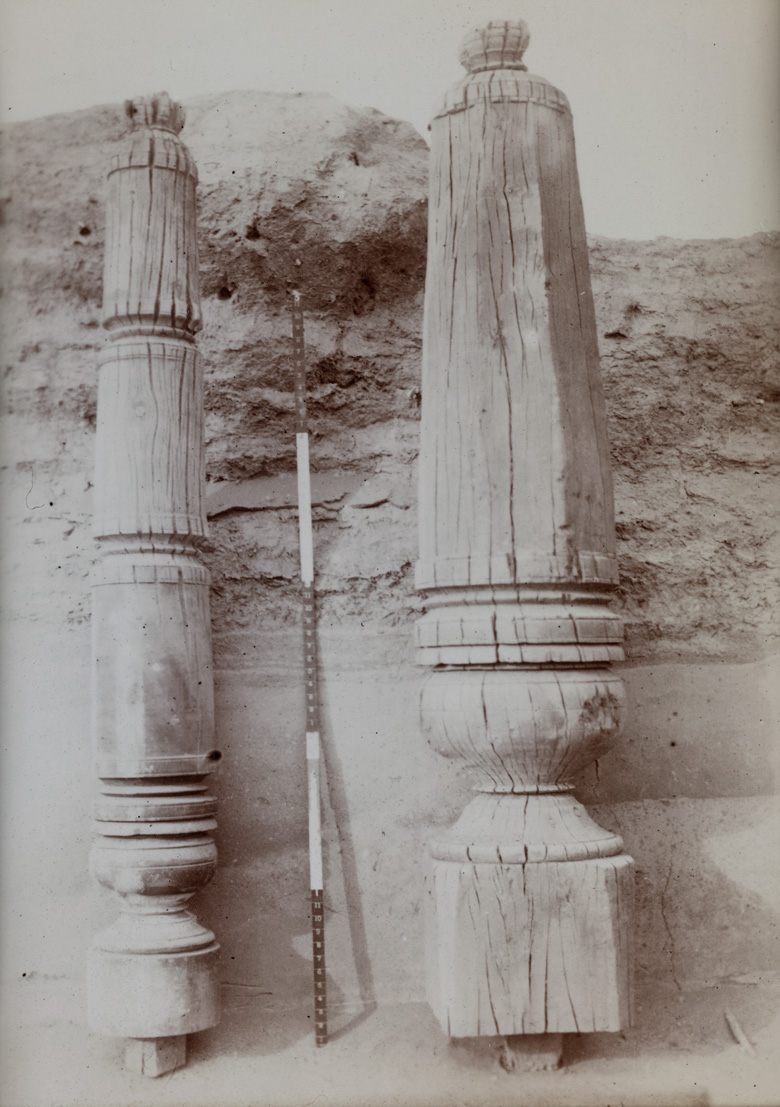
Ancient military post and Buddhist center
Cao Cao Mausoleum
Brick tomb with multiple chambers
Yangling Mausoleum of Han
Western Han imperial mausoleum, 2nd century BCE
Lingyin Temple
Chan Buddhist temple in Hangzhou, China