Time Periods
Paleolithic
Mesolithic
Neolithic
Chalcolithic
Bronze Age
Iron Age
Classical Period
Post-Classical Period
Early Modern Period
Industrial Period
Contemporary Period
Time Periods
Paleolithic
Mesolithic
Neolithic
Chalcolithic
Bronze Age
Iron Age
Classical Period
Post-Classical Period
Early Modern Period
Industrial Period
Contemporary Period
Location
About
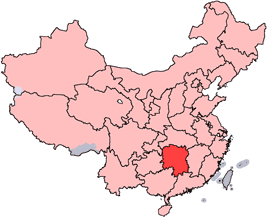
Liye, situated in Longshan County, Hunan Province, China, is an ancient town with deep historical roots and significant archaeological findings. Established by the Chu State in the late Warring States period, Liye boasts over 2300 years of history. Notable discoveries include remnants of the Longshan culture, such as stone axes and pottery, and a significant collection of over 36,000 bamboo slips from the Qin dynasty, unearthed in 2002. These slips provide invaluable insights into Qin administration, marking one of the most substantial archaeological discoveries of the Qin period since the Terracotta Army. The town's archaeological significance is further underscored by the presence of ancient city ruins and its role as a historical and cultural destination in the region.
Gallery
Explore photographs of ancient structures, artifacts, and archaeological excavations at Liye
Archaeological Features
Explore the unique architectural and cultural elements found at this historical site
Public and Civic Structures
Artistic and Decorative Features
Domestic and Habitation Structures
Historical Timeline
Journey through time and discover key events in this site's archaeological history
Plan Your Visit
Details
- Country
- China
- Source
- Wikipedia
More Sites in China
Chao Hu Lake Archaeological Sites
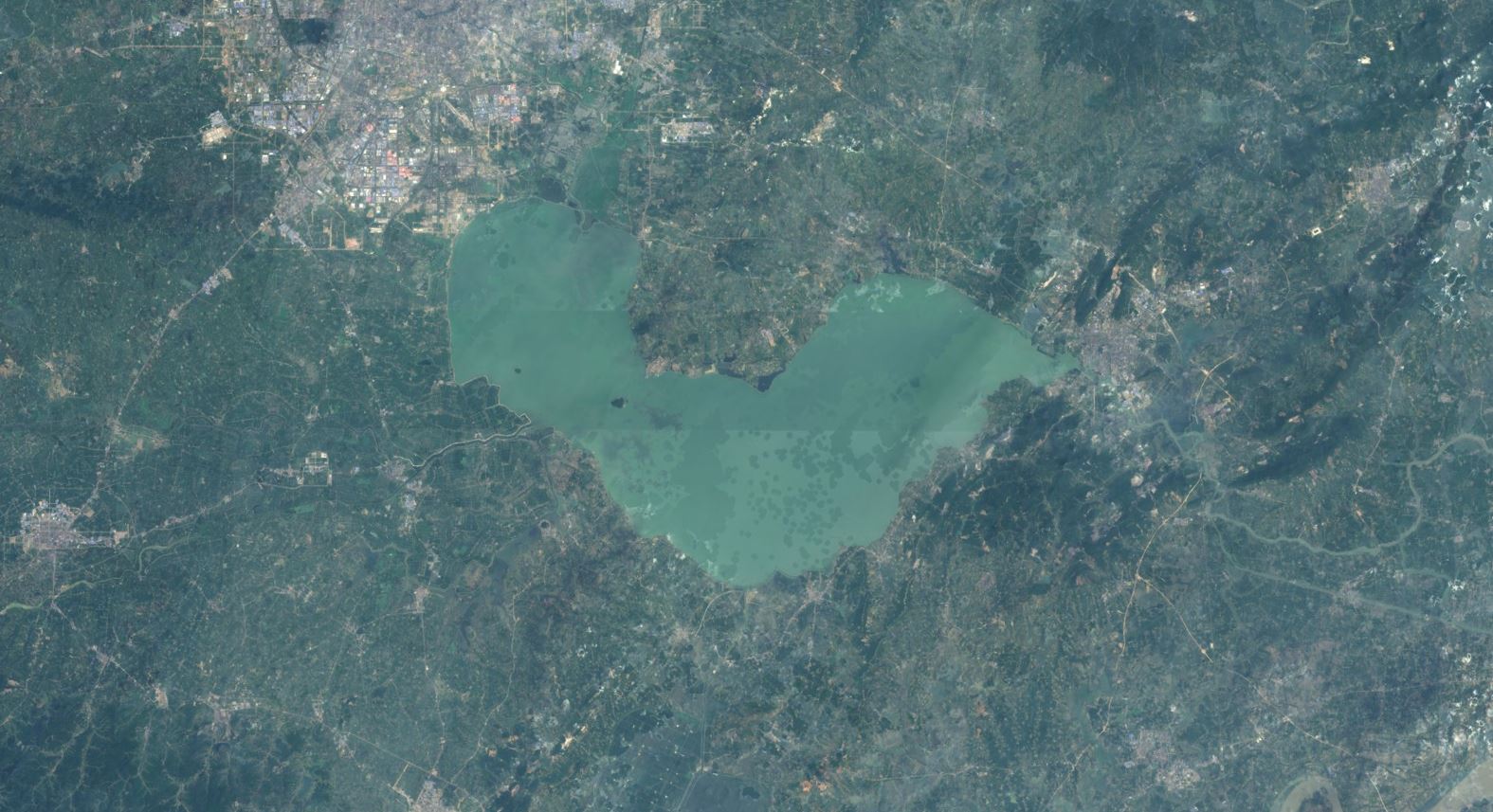
Ancient settlements in Chao Lake basin
Daxinzhuang
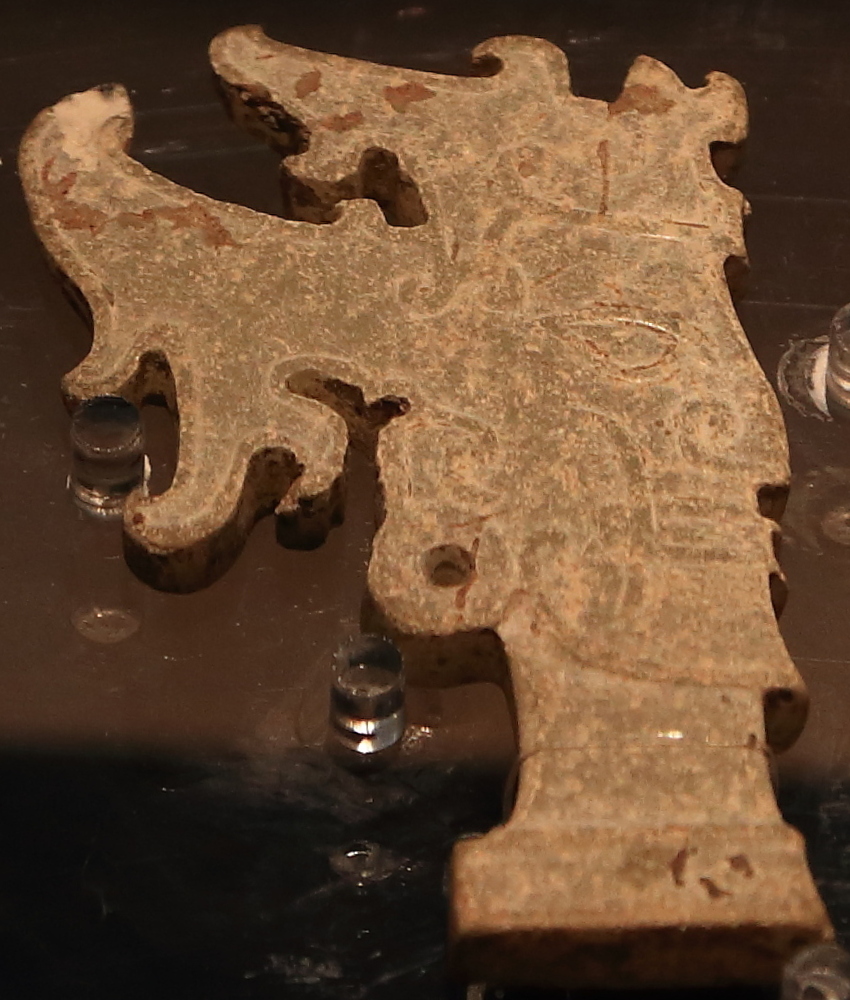
Shang urban center with oracle bones
Guangfulin
Neolithic to Zhou dynasty archaeological site
Shimao
Neolithic walled city with jade artifacts.
Liye Ancient City
Ancient city with Qin dynasty artifacts
Shengle
Ruins of Shengle, ancient capital city