Explore the Map
Guangfulin
31.0638° N, 121.1938° E
About
The Guangfulin archaeological site, located in Songjiang District, Shanghai, China, is a significant cultural relic that reflects diverse historical periods. Spanning over 5,000 years, it offers insights into the Neolithic Liangzhu Culture and the Bronze Age, with artifacts dating back to the Zhou dynasty and Spring and Autumn period. The site reveals evidence of early habitation and cultural practices, including domestic structures and ritual artifacts. The discovery of stilt houses and ground houses marks the architectural evolution of the region. The site's importance is further highlighted by its classification into distinct cultural phases, such as Songze, Liangzhu, and Guangfulin Cultural, illustrating the development of primitive societies in the Taihu area. Guangfulin is a valuable resource for understanding the historical and cultural transitions in ancient China.
Historical Timeline
Journey through time and discover key events in this site's history
Bronze Age artifacts
33rd to 22nd century BCE
Zhou dynasty artifacts
11th century BCE
Spring and Autumn period artifacts
8th to 5th century BCE
Neolithic habitation
5000 years ago
Archaeological Features
Unique architectural and cultural elements found at this historical site
Burial and Funerary Structures
Religious and Ritual Structures
Artistic and Decorative Features
Domestic and Habitation Structures
Frequently Asked Questions
Plan Your Visit
Tours, travel arrangements, and practical information
More Sites in China
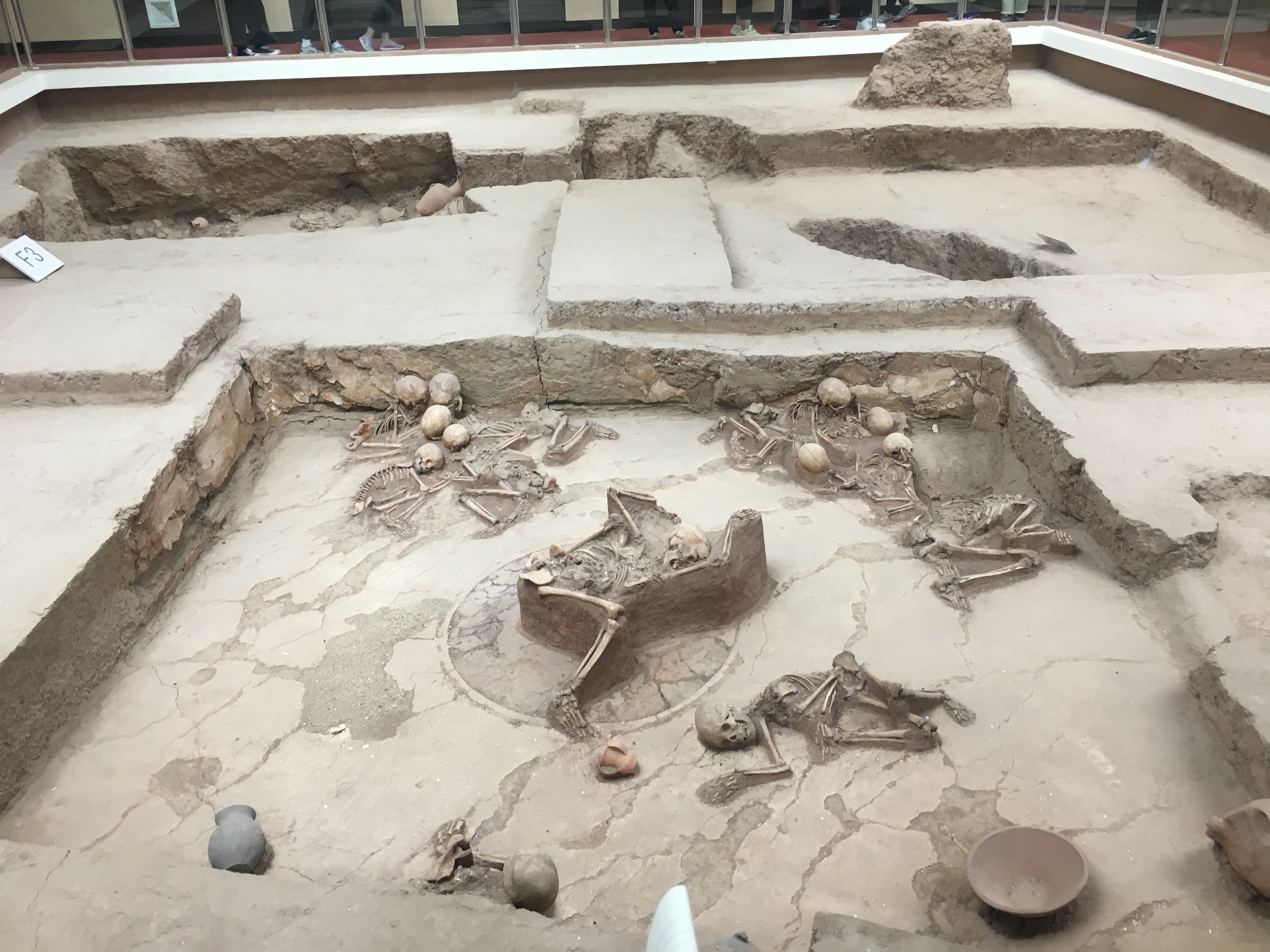
Lajia
Bronze Age site in Yellow River region
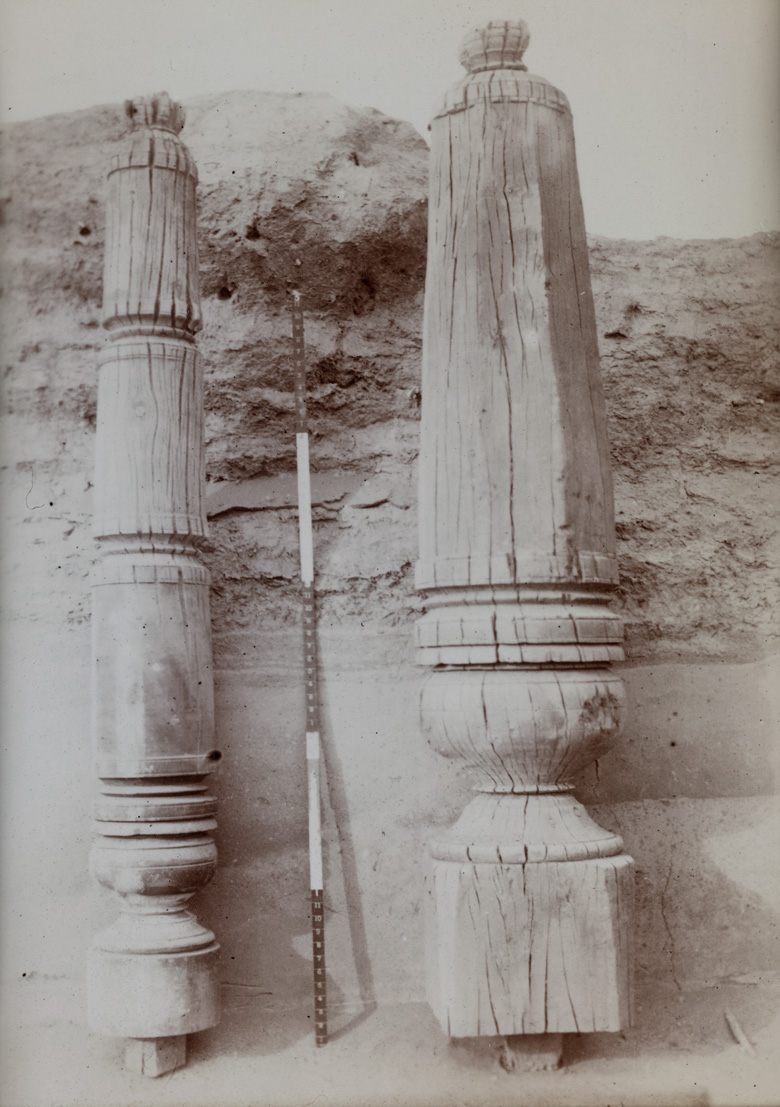
Endere
Ancient military post and Buddhist center
Ye (Hebei)
Ancient Chinese city, significant historical capital
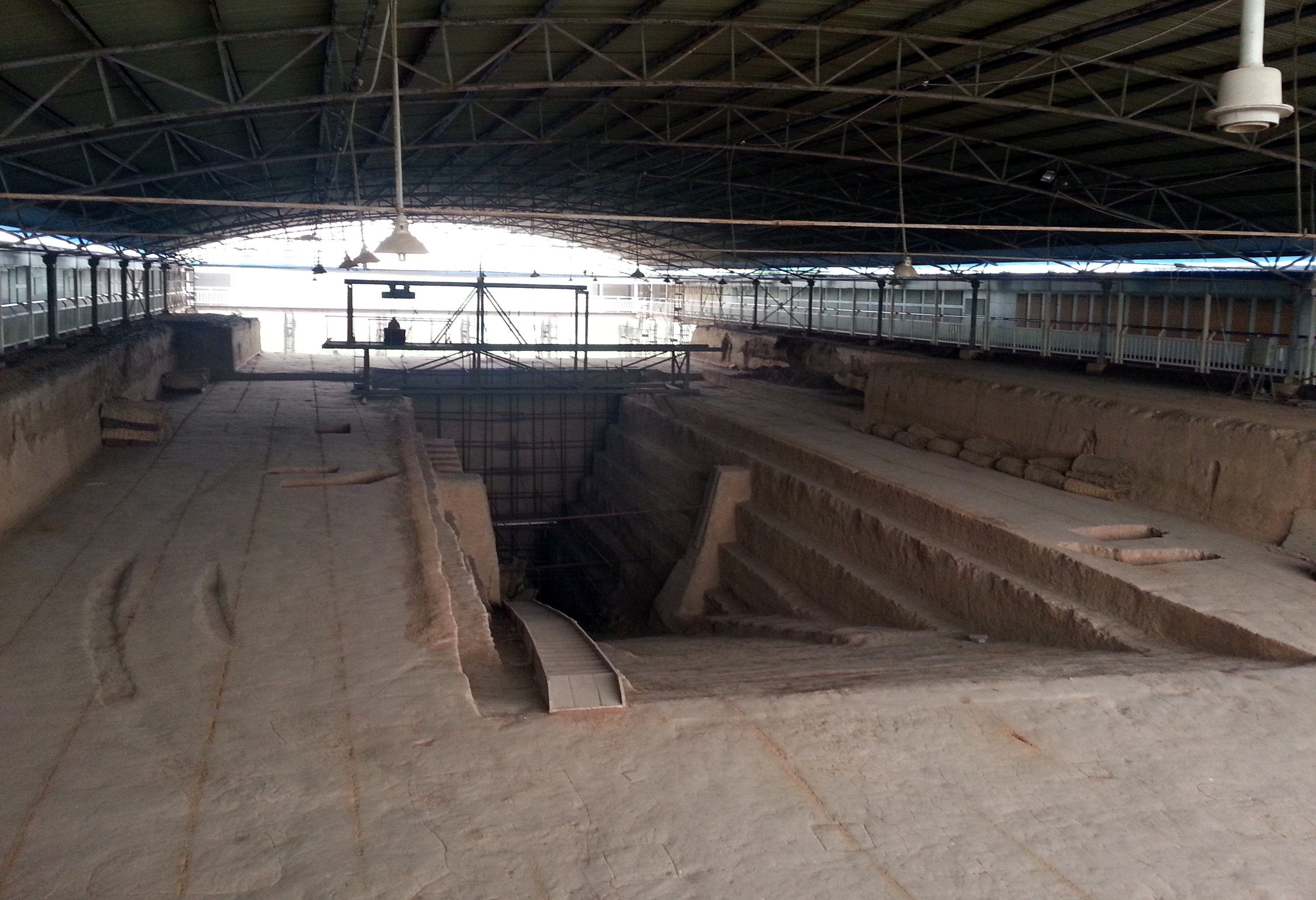
Cao Cao Mausoleum
Brick tomb with multiple chambers
Tomb of An Jia
Sogdian funerary monument in Xi'an, Northern Zhou (6th century)
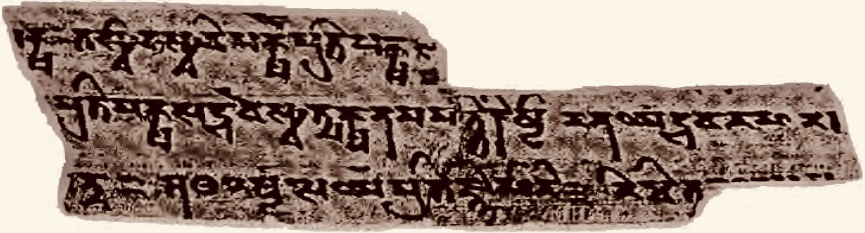
Kizil Caves
Buddhist rock-cut cave complex in China