
Explore the Map
Nanzhuangtou
39.1167° N, 115.6500° E
About
Nanzhuangtou is a significant Initial Neolithic archaeological site located near Lake Baiyangdian in Xushui County, Hebei, China. Dating back to approximately 10,700 to 9,500 BCE, it represents the earliest known Neolithic settlement in northern China. The site was discovered beneath a peat bog and contains over 47 pieces of pottery, along with stone grinding slabs, rollers, and bone artifacts. Evidence from the site indicates the presence of domestic dogs as early as 10,000 years ago, and it is one of the earliest sites showing millet cultivation. The cultural layers of Nanzhuangtou reveal a rich array of animal bones, charcoal, and stone tools, offering insights into the subsistence practices of the early Neolithic inhabitants.
Gallery
Explore photographs of ancient structures, artifacts, and archaeological excavations

Historical Timeline
Journey through time and discover key events in this site's history
Early Neolithic habitation
8700 BCE
Millet cultivation
8500 BCE
Domestication of dogs
8000 BCE
Archaeological Features
Unique architectural and cultural elements found at this historical site
Animal Husbandry Features
Industrial and Craft Structures
Agricultural and Land Use Features
Environmental and Natural Features
Frequently Asked Questions
Plan Your Visit
Tours, travel arrangements, and practical information
More Sites in China
Lajia
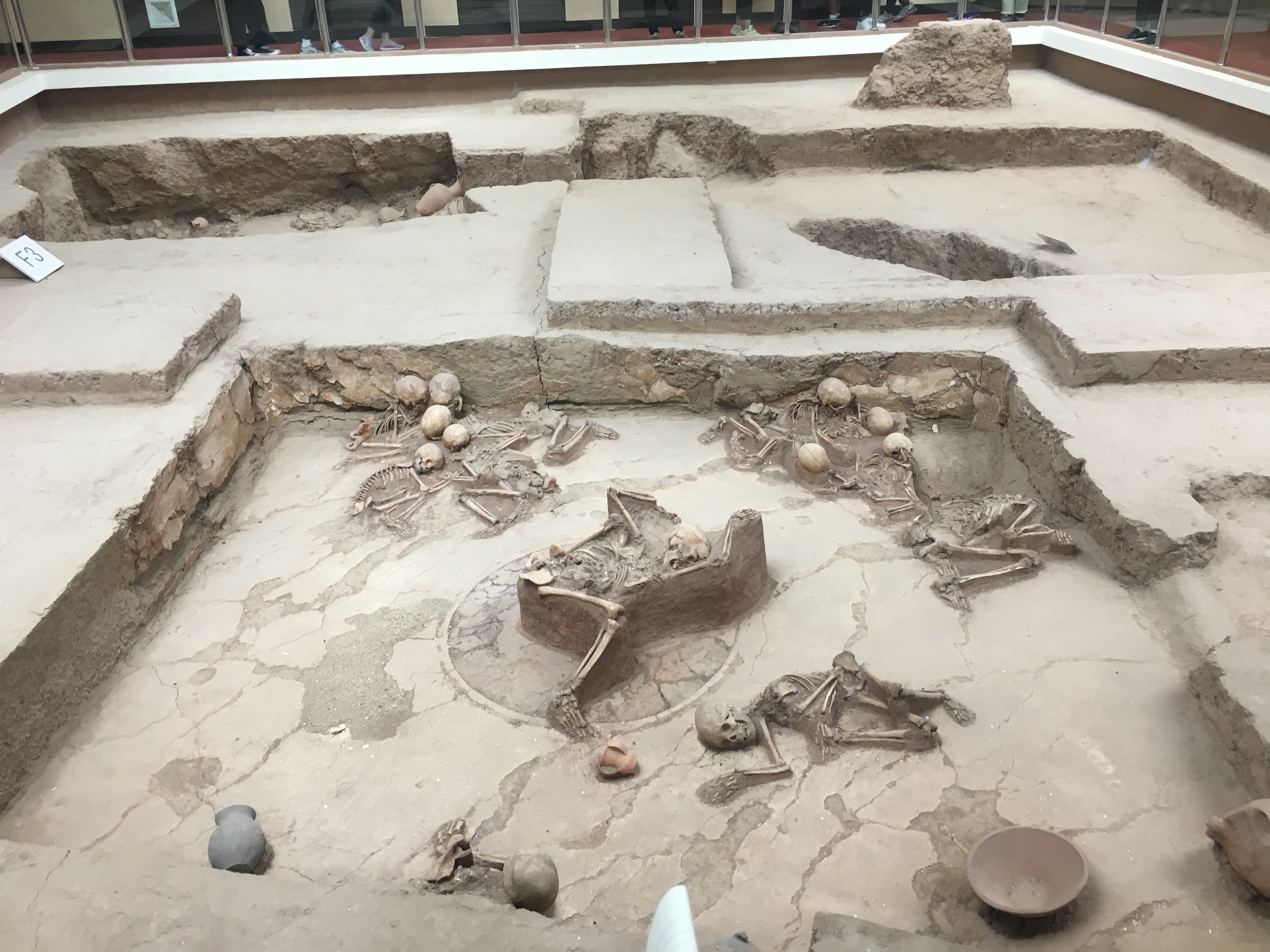
Bronze Age site in Yellow River region
Shangjing Longquanfu
Balhae capital city ruins, 8th–10th centuries
Yangling Mausoleum of Han
Western Han imperial mausoleum, 2nd century BCE
Yunju Temple
Buddhist temple complex with vast stone sutra steles, China
Endere
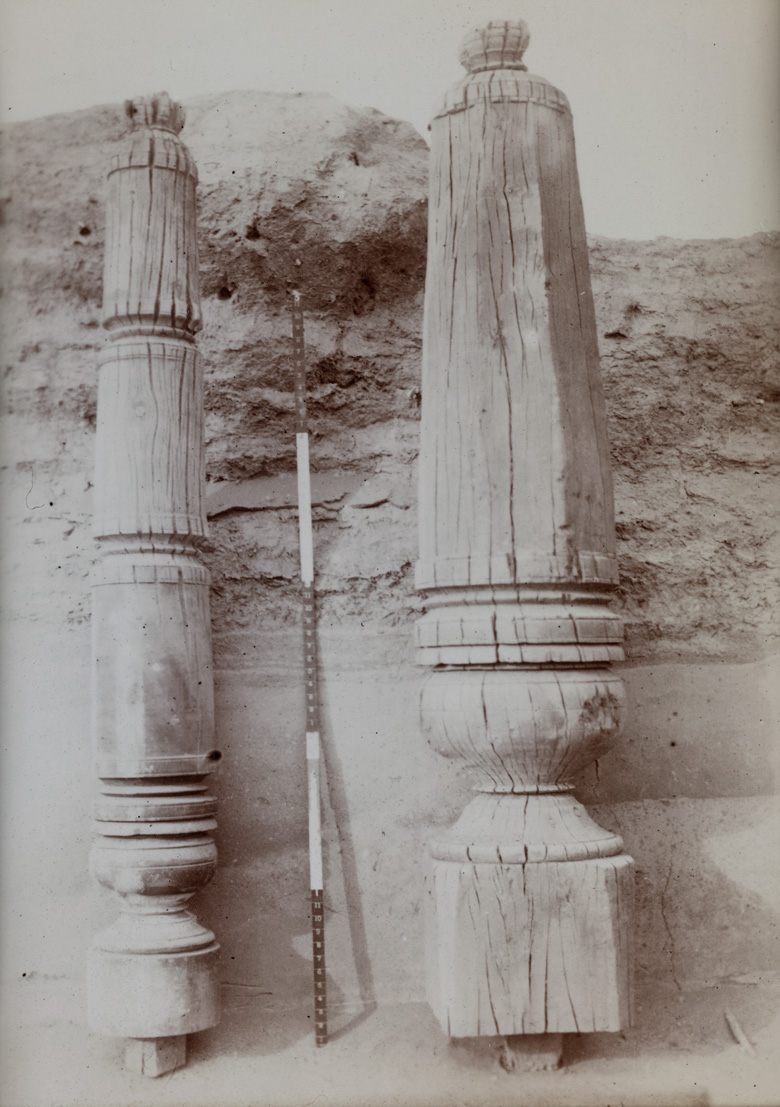
Ancient military post and Buddhist center
Luobi Cave
Karst cave with Yuan Dynasty inscriptions