Explore the Map
Xishuipo
35.7000° N, 115.0000° E
About
The Xishuipo site in Puyang, Henan, central China, is a notable Neolithic archaeological site linked to the Yangshao culture. Excavated between 1987 and 1988, it revealed 186 burials, including a significant find in tomb M45. Here, the remains of a tall adult male were discovered alongside artistic clam shell mosaics depicting a tiger and a dragon, suggesting ritualistic or symbolic significance. Additionally, the burial included the remains of three young children, which, along with the mosaic designs, implies the possibility of the male being a shaman or a person of importance. The presence of these notable burial features, including caches with similar clam shell mosaics nearby, underscores the site's cultural and archaeological significance in understanding Neolithic burial practices and beliefs in China.
Gallery
Explore photographs of ancient structures, artifacts, and archaeological excavations
Historical Timeline
Journey through time and discover key events in this site's history
Neolithic burial practices
Unknown date BCE
Archaeological Features
Unique architectural and cultural elements found at this historical site
Miscellaneous Features
Burial and Funerary Structures
Artistic and Decorative Features
Frequently Asked Questions
Plan Your Visit
Tours, travel arrangements, and practical information
More Sites in China
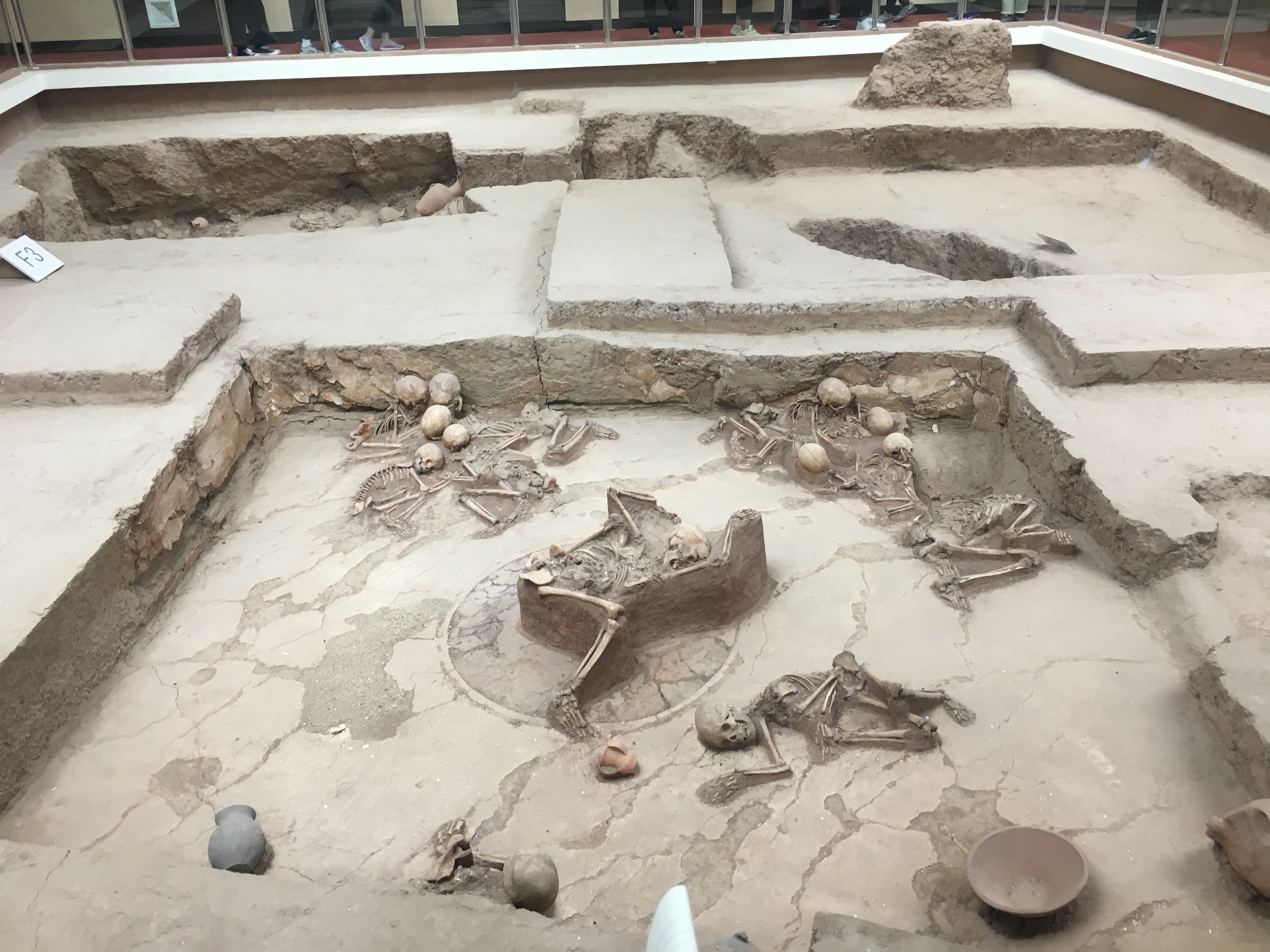
Lajia
Bronze Age site in Yellow River region
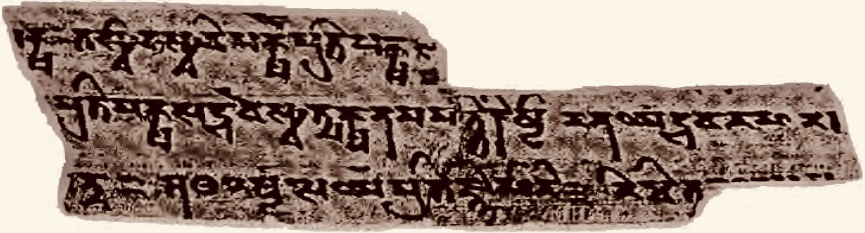
Kizil Caves
Buddhist rock-cut cave complex in China
Luobi Cave
Karst cave with Yuan Dynasty inscriptions
Ye (Hebei)
Ancient Chinese city, significant historical capital
Tomb of An Jia
Sogdian funerary monument in Xi'an, Northern Zhou (6th century)
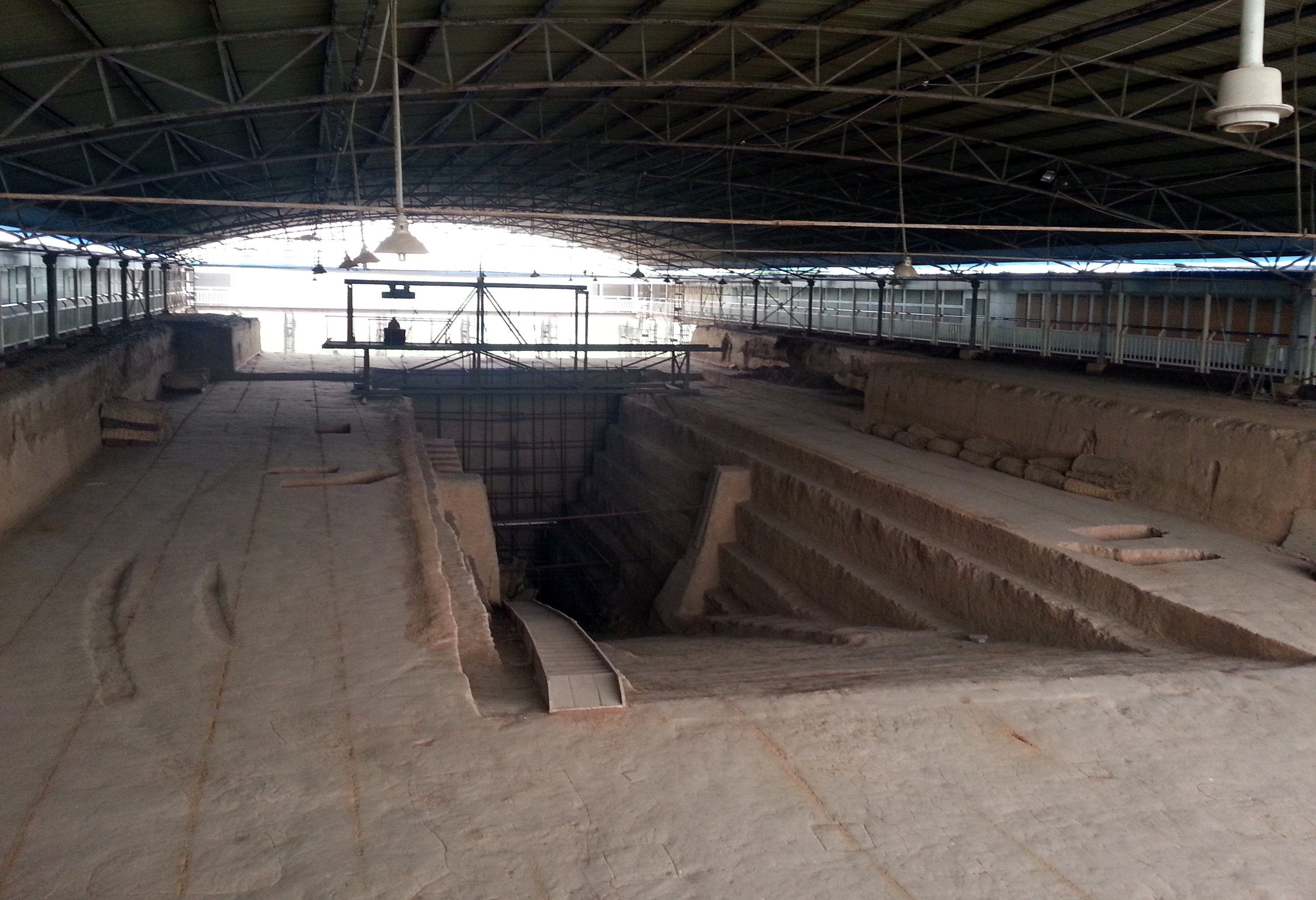
Cao Cao Mausoleum
Brick tomb with multiple chambers