Explore the Map
Shengle
40.4650° N, 111.7670° E
About
Shengle, located in present-day Inner Mongolia, is an archaeological site of great historical significance. It served as the capital of the Xianbei-led Dai state and later as the first capital of the Northern Wei dynasty during the 4th century CE. The city's ruins are situated near Hohhot and feature well-preserved defensive structures, such as rammed-earth walls that outline the once-thriving city. Shengle's history is marked by its significance as a political and military center, beginning with the settlement by Tuoba Liwei in the 3rd century CE and its establishment as the capital by Tuoba Yilu in 315 CE. The city's role as a capital ended when Tuoba Gui relocated the capital to Pingcheng in 398 CE. This site provides valuable insights into the architectural and cultural traditions of early Chinese dynasties.
Historical Timeline
Journey through time and discover key events in this site's history
Tuoba Liwei settles
219 CE - 277 CE
Northern Wei dynasty established
4th century CE
Shengle becomes capital of Dai
315 CE
Capital moved to Pingcheng
398 CE
Archaeological Features
Unique architectural and cultural elements found at this historical site
Defensive Structures
Domestic and Habitation Structures
Frequently Asked Questions
Plan Your Visit
Tours, travel arrangements, and practical information
More Sites in China
Ye (Hebei)
Ancient Chinese city, significant historical capital
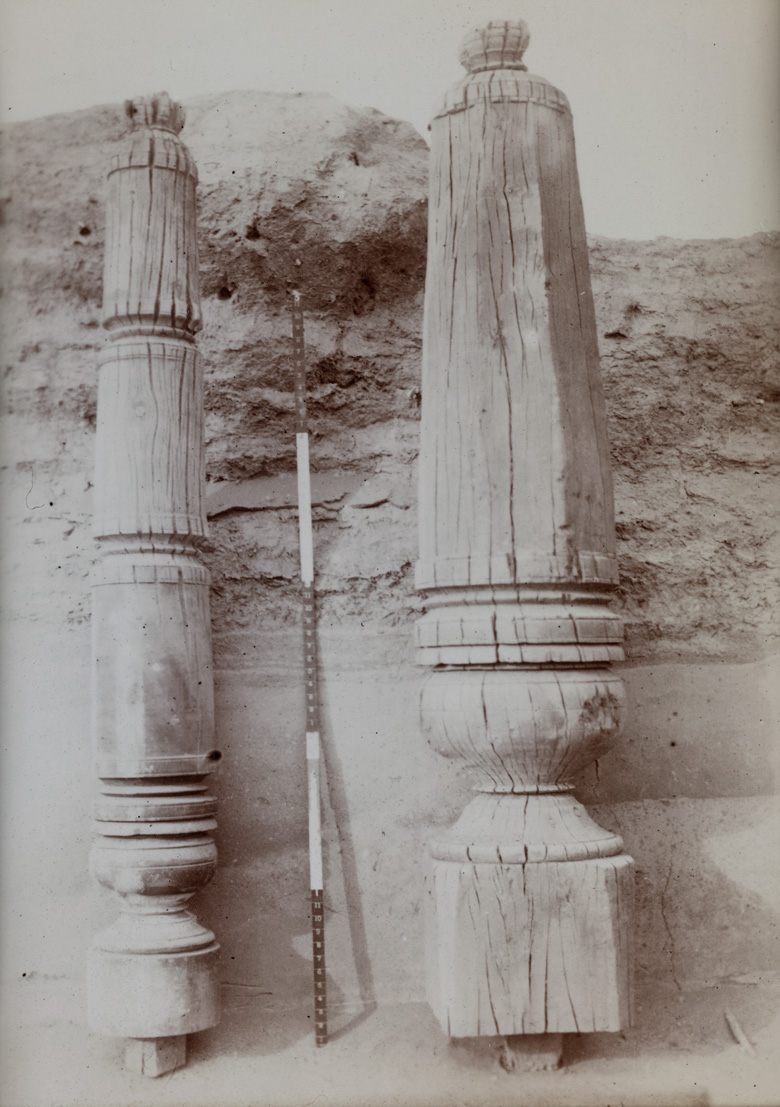
Endere
Ancient military post and Buddhist center
Lingyin Temple
Chan Buddhist temple in Hangzhou, China
Yunju Temple
Buddhist temple complex with vast stone sutra steles, China
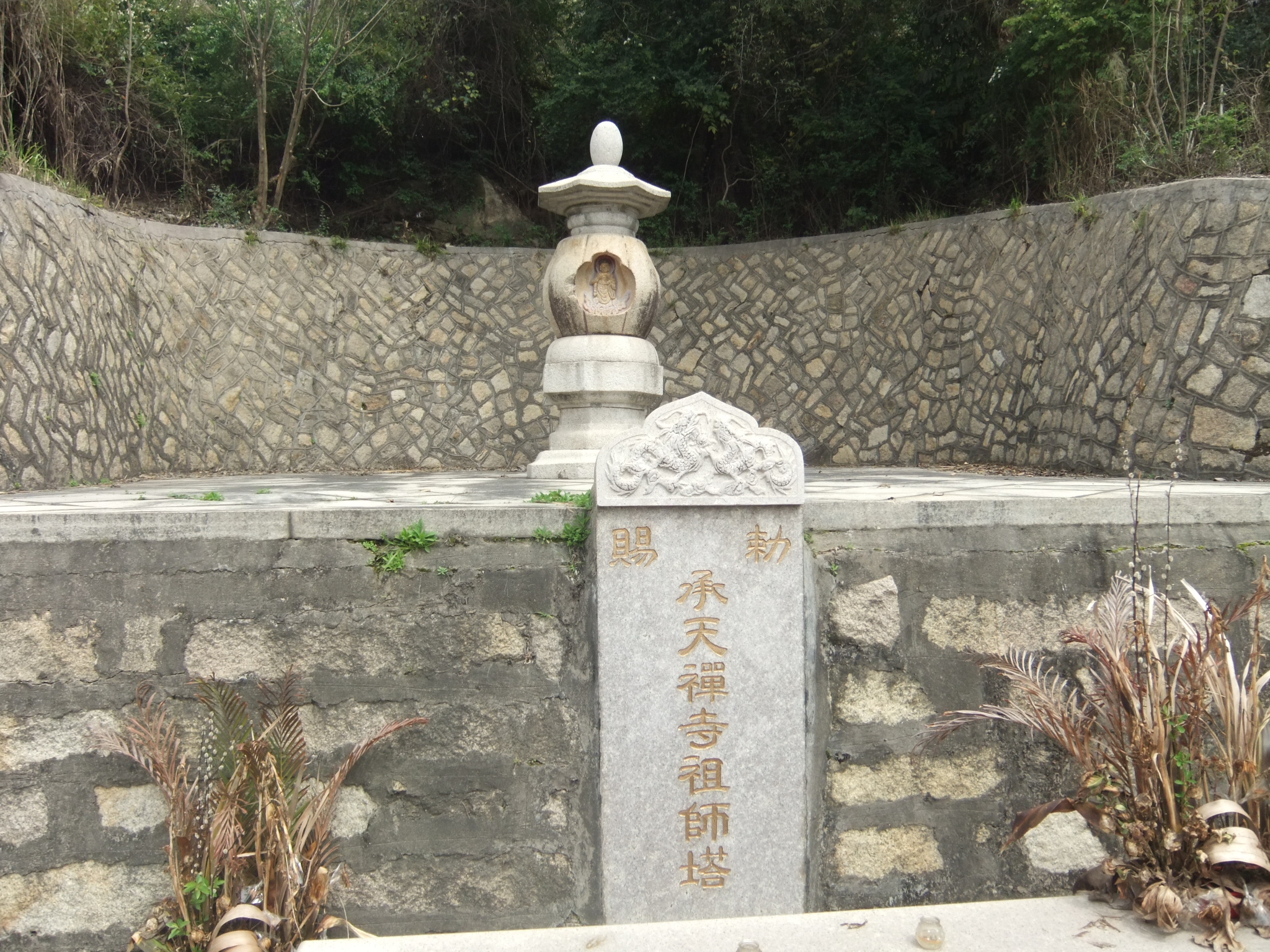
Lingshan Islamic Cemetery
Ancient Islamic cemetery with venerated graves
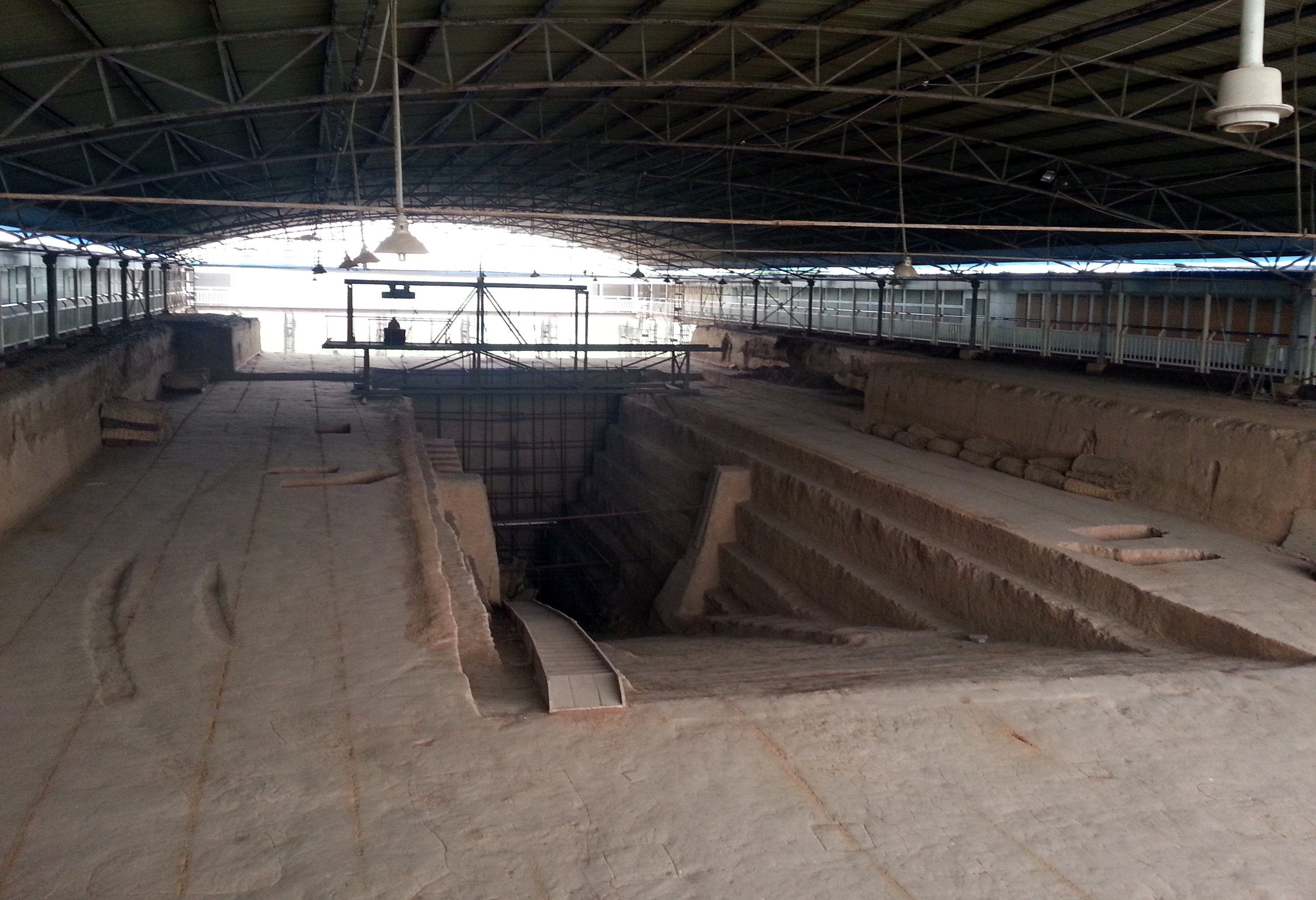
Cao Cao Mausoleum
Brick tomb with multiple chambers