Explore the Map
Zhaojun Tomb
40.7079° N, 111.6837° E
About
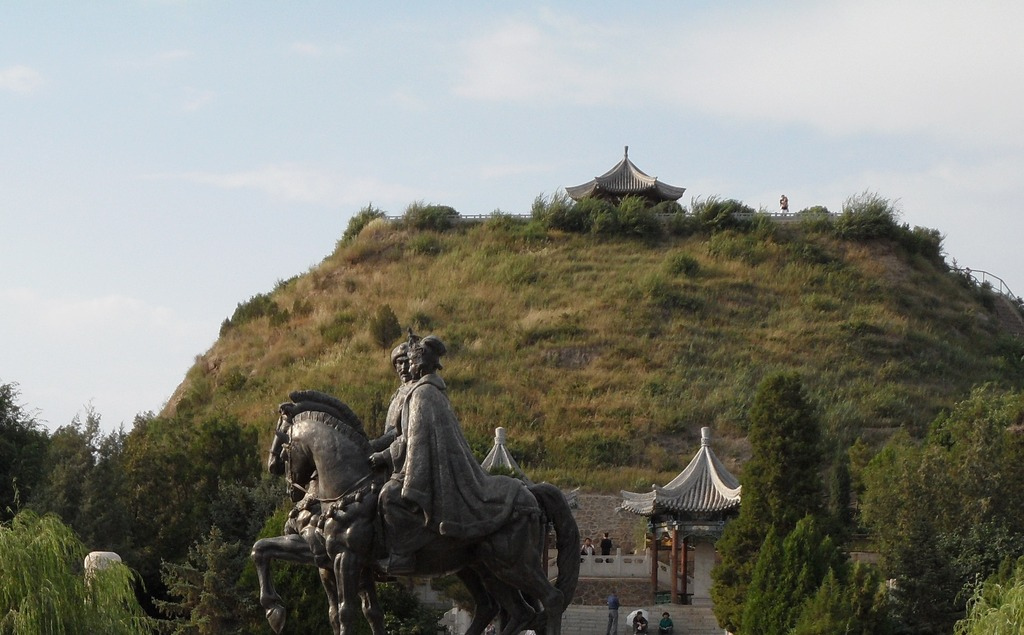
The Zhaojun Tomb, located near Hohhot in Inner Mongolia, is an honorary burial site associated with Wang Zhaojun, a Han dynasty commoner who married a Xiongnu chieftain. The site features a prominent 33-meter high funerary mound, occupying approximately 13,000 square meters. Although Wang Zhaojun's actual burial place remains unknown, the tomb serves as a cultural monument and is renowned for its picturesque landscape, particularly noted for the legend of its evergreen mound. The tomb, known as Temür Urkhu or 'Iron Wall' in Mongolian, first appears in historical records during the Tang dynasty, highlighting its historical significance in Chinese cultural heritage.
Gallery
Explore photographs of ancient structures, artifacts, and archaeological excavations
Historical Timeline
Journey through time and discover key events in this site's history
Han Dynasty Marriage
33 BCE
Tang Dynasty Mention
800 CE
Archaeological Features
Unique architectural and cultural elements found at this historical site
Burial and Funerary Structures
Frequently Asked Questions
Plan Your Visit
Tours, travel arrangements, and practical information
More Sites in China
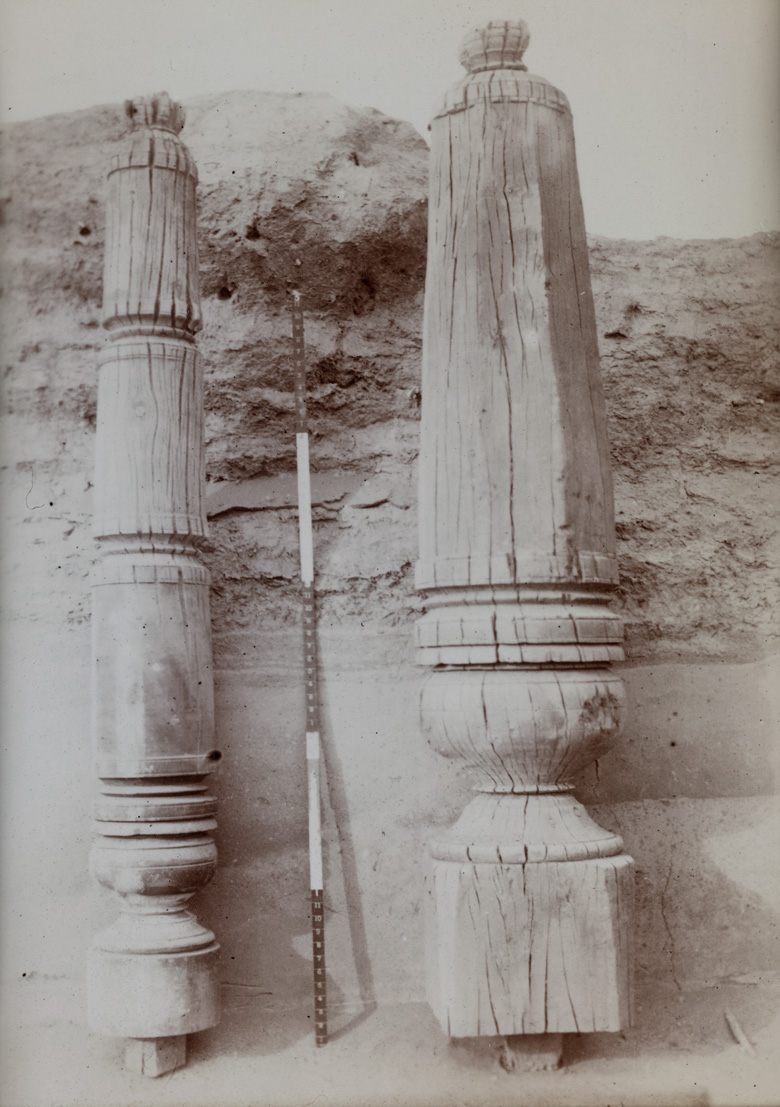
Endere
Ancient military post and Buddhist center
Ye (Hebei)
Ancient Chinese city, significant historical capital
Laosicheng
Largest, best-preserved ancient Tusi city
Capital Cities and Tombs of the Ancient Koguryo Kingdom
Goguryeo fortress-cities and tombs, 1st century BCE–7th century CE
Shangjing Longquanfu
Balhae capital city ruins, 8th–10th centuries
Luobi Cave
Karst cave with Yuan Dynasty inscriptions