Explore the Map
Liye Ancient City
28.7888° N, 109.2946° E
About
The Liye Ancient City, located in Hunan Province, China, is a significant archaeological site that offers insights into the urban planning and administrative practices of ancient China. Originally constructed by the Kingdom of Chu in the late Warring States period, the city was later reconstructed during the Qin dynasty, reflecting the transition from regional kingdoms to a unified Chinese state. The site features a well-preserved system of moats, ramparts, and wells, indicative of its strategic and residential importance. Notably, the discovery of 37,400 Qin bamboo slips in 2002 has provided invaluable information on Qin administrative practices, making it one of the most important Qin archaeological discoveries since the Terracotta Army. The city's abandonment in the early Western Han dynasty marks the end of its historical significance, leaving behind a rich tapestry for archaeological exploration.
Historical Timeline
Journey through time and discover key events in this site's history
Construction by Kingdom of Chu
Late 4th century BCE
Reconstruction in Qin dynasty
221 BCE - 206 BCE
Abandonment in Western Han dynasty
Early 2nd century BCE
Archaeological Features
Unique architectural and cultural elements found at this historical site
Defensive Structures
Water Management Features
Domestic and Habitation Structures
Frequently Asked Questions
Plan Your Visit
Tours, travel arrangements, and practical information

More Sites in China
Ye (Hebei)
Ancient Chinese city, significant historical capital
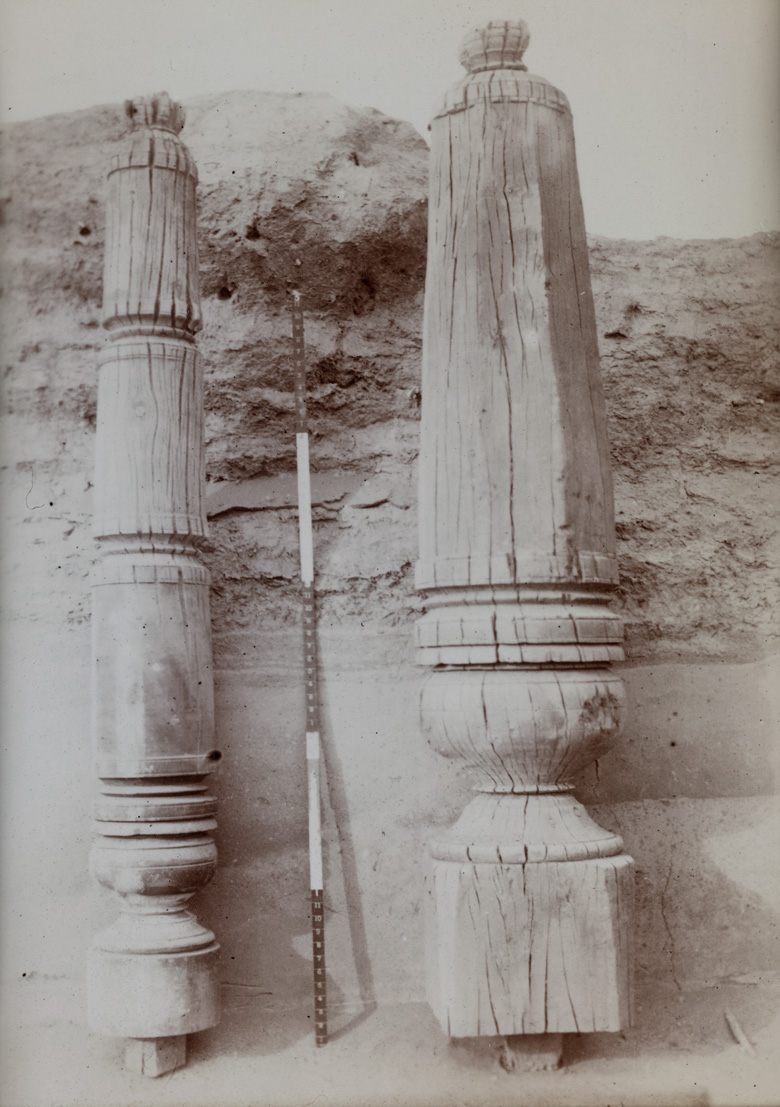
Endere
Ancient military post and Buddhist center
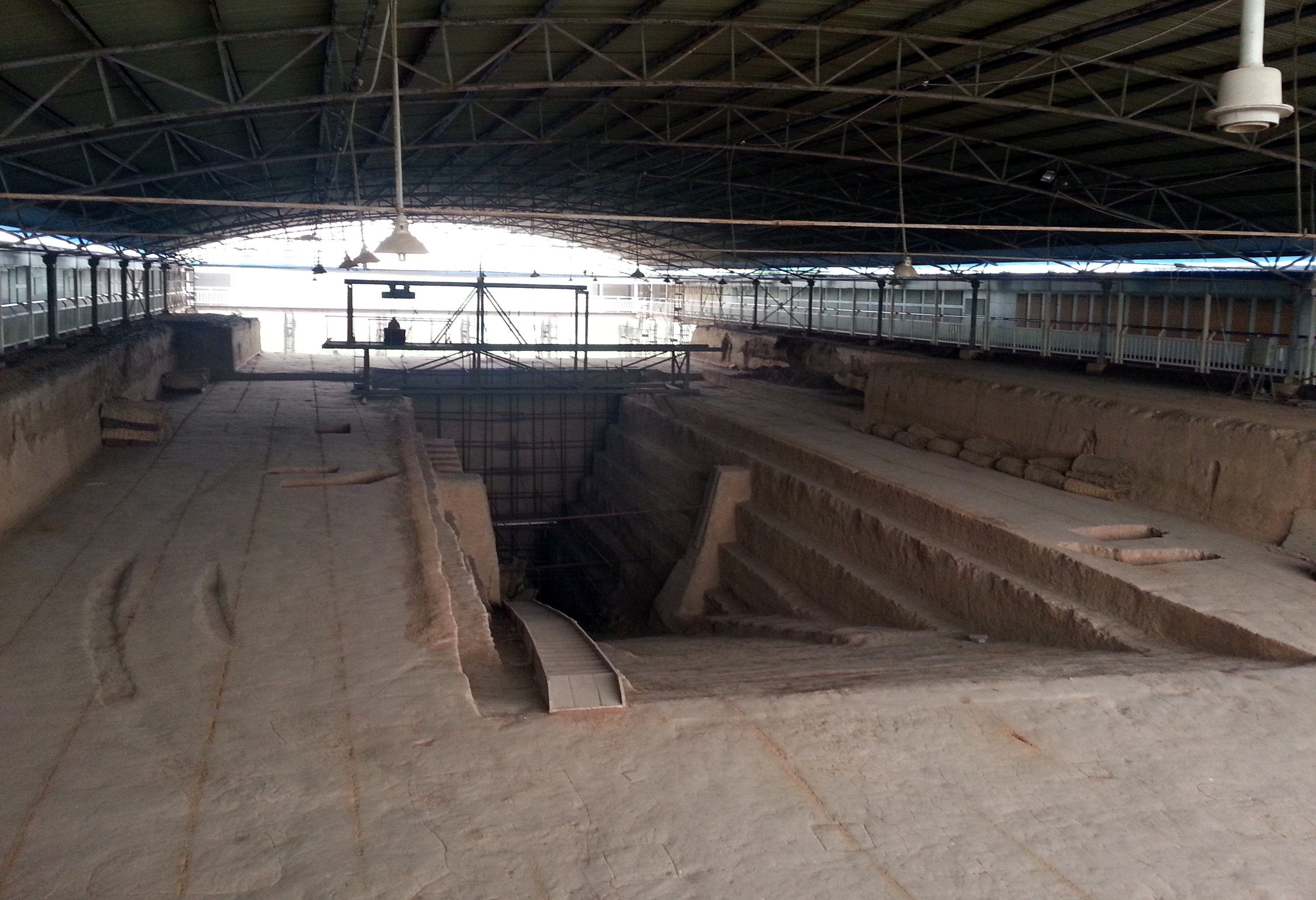
Cao Cao Mausoleum
Brick tomb with multiple chambers

Xigoupan
Ordos culture tombs with Scythian artifacts
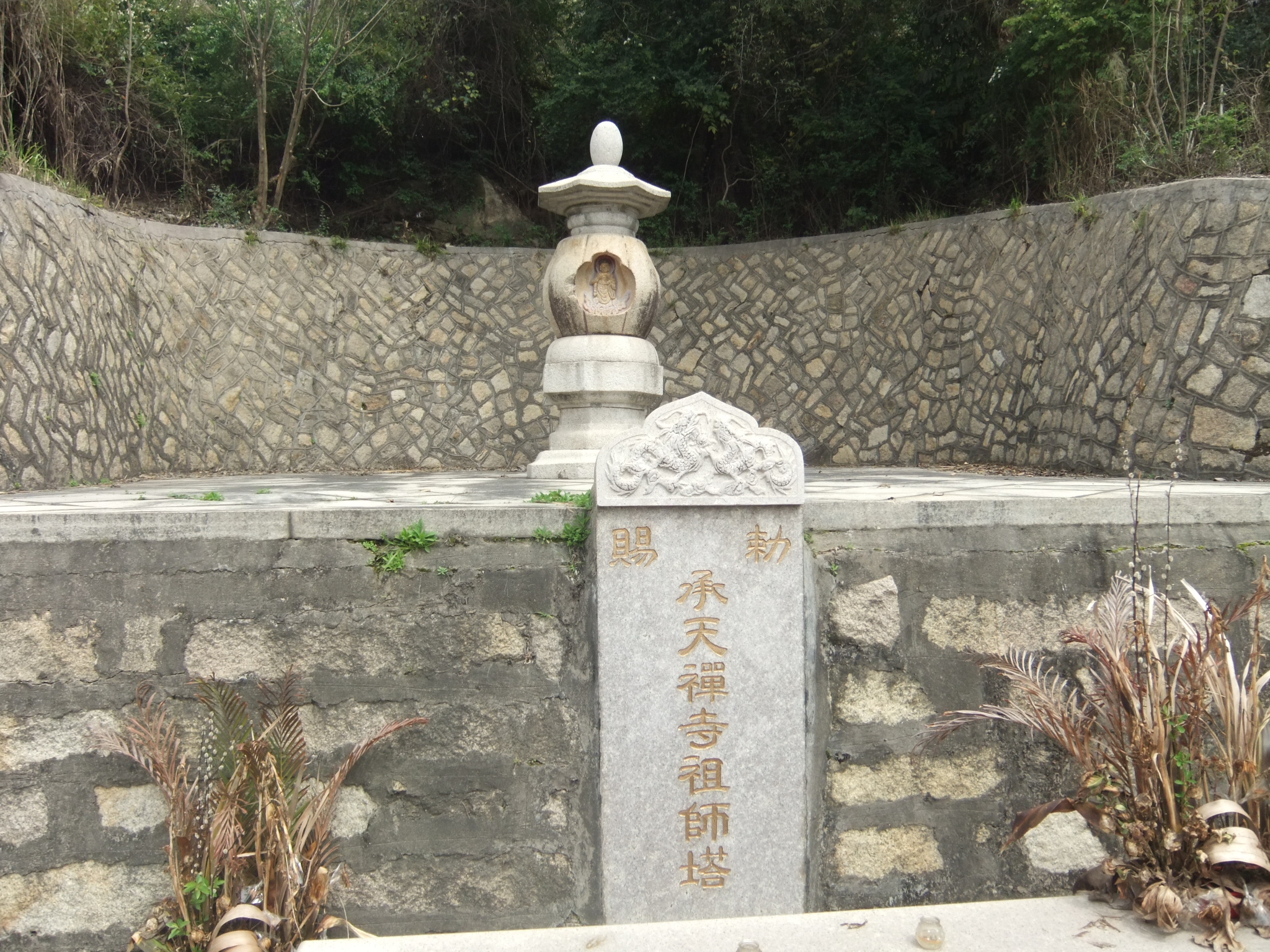
Lingshan Islamic Cemetery
Ancient Islamic cemetery with venerated graves
Shangjing Longquanfu
Balhae capital city ruins, 8th–10th centuries