
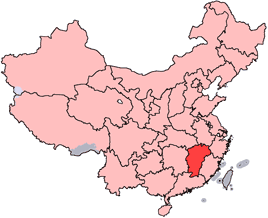
Explore the Map
Xianren Cave
29.5656° N, 115.9586° E
About
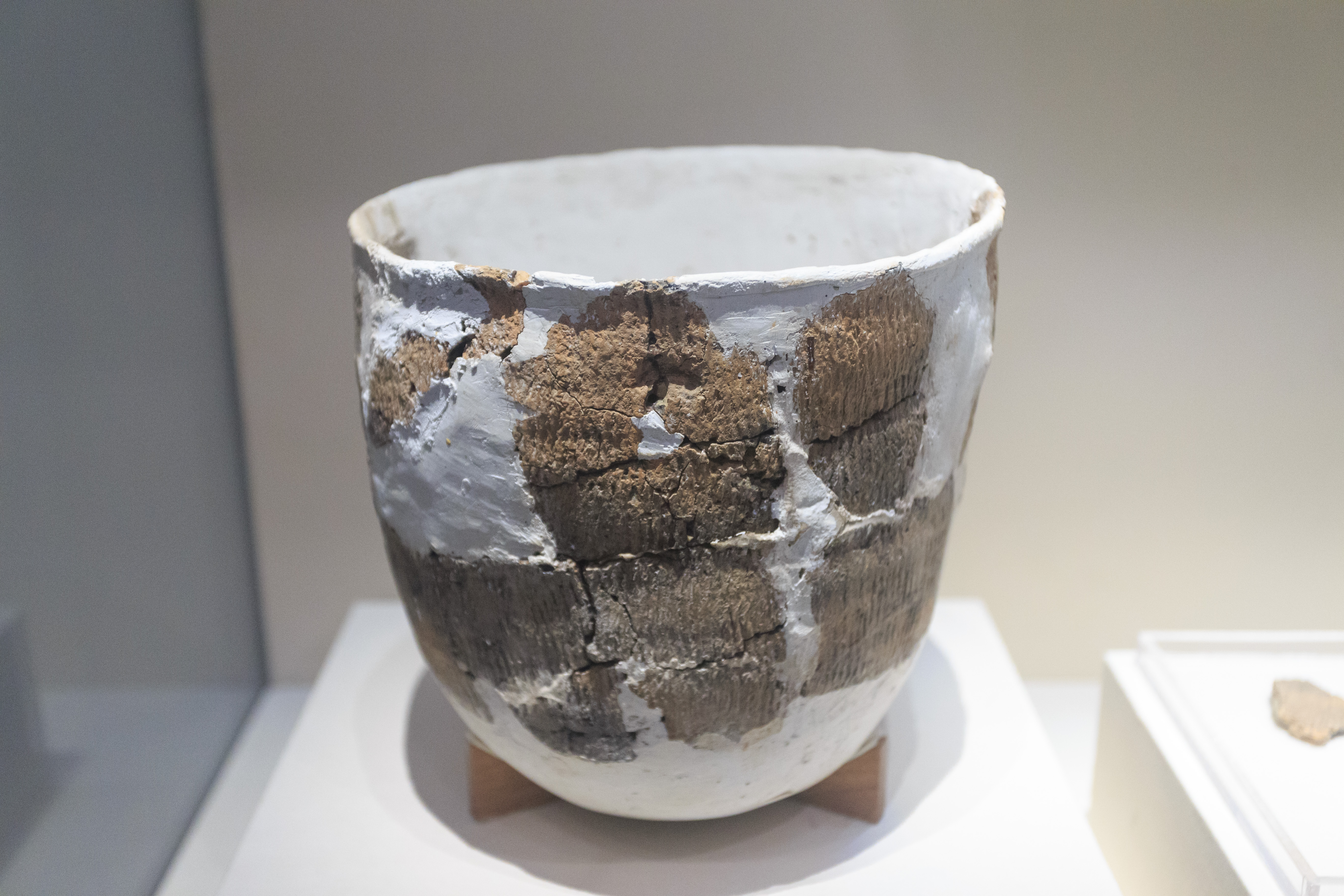
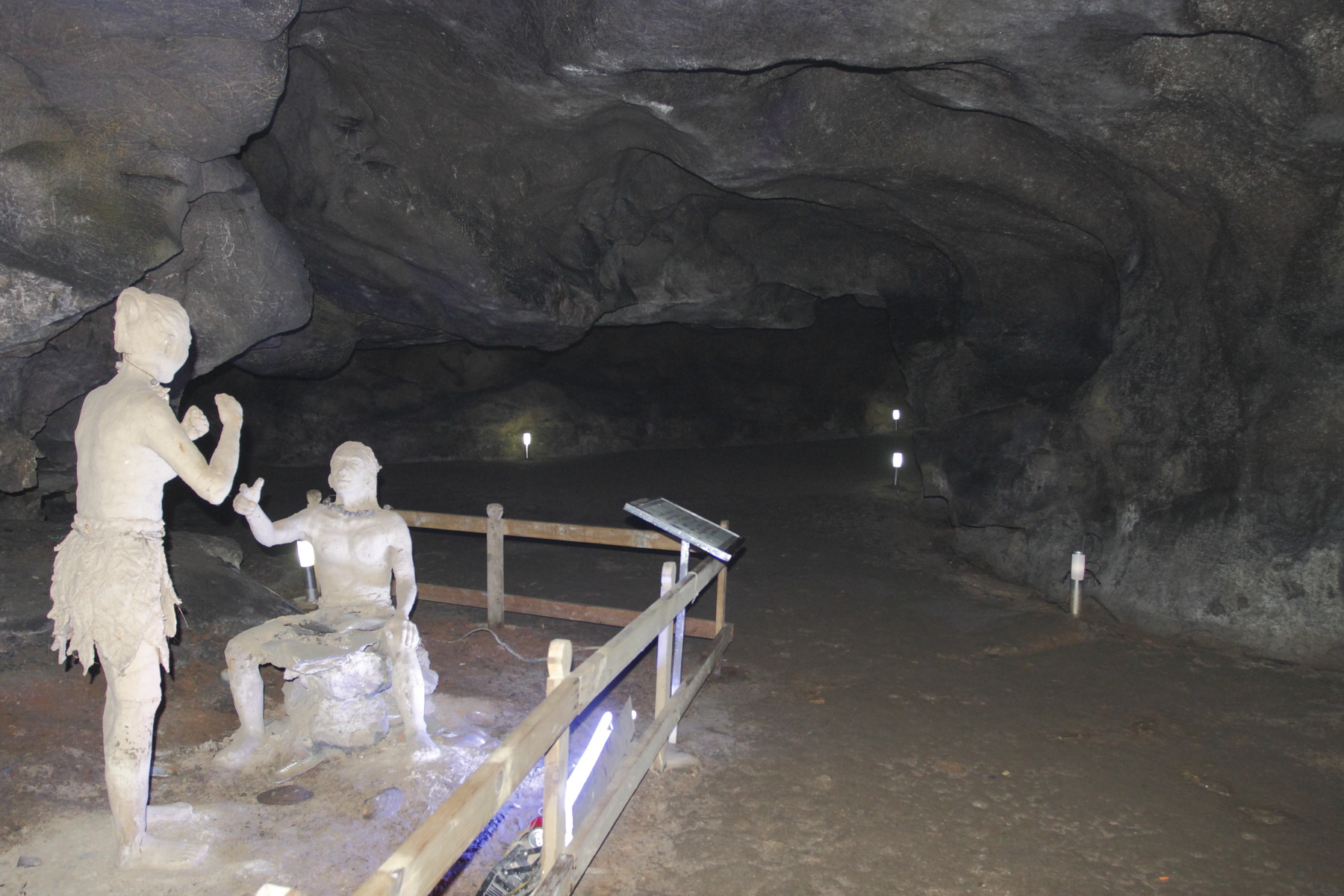
Xianren Cave, located in Jiangxi province, China, is a significant archaeological site known for its discovery of the world's earliest known pottery. Dated to between 20,000 and 19,000 years ago through radiocarbon analysis of surrounding sediments, these pottery shards bear scorch marks that suggest they were used for cooking by mobile foragers during the Upper Paleolithic period, specifically at the end of the Last Glacial Period. This predates the advent of agriculture by several millennia, highlighting the technological innovations of prehistoric humans in adapting to their environment. The site also includes the Diaotonghuan rock shelter nearby, adding to its archaeological richness. These findings provide critical insights into the early development of ceramic technology and human subsistence strategies before the Neolithic revolution.
Gallery
Explore photographs of ancient structures, artifacts, and archaeological excavations
Historical Timeline
Journey through time and discover key events in this site's history
Earliest Pottery Creation
20,000 BCE - 19,000 BCE
Late Glacial Maximum Foraging
20,000 BCE - 10,000 BCE
Archaeological Features
Unique architectural and cultural elements found at this historical site
Domestic and Habitation Structures
Environmental and Natural Features
Frequently Asked Questions
Plan Your Visit
Tours, travel arrangements, and practical information
More Sites in China
Luobi Cave
Karst cave with Yuan Dynasty inscriptions
Capital Cities and Tombs of the Ancient Koguryo Kingdom
Goguryeo fortress-cities and tombs, 1st century BCE–7th century CE
Ye (Hebei)
Ancient Chinese city, significant historical capital
Yangling Mausoleum of Han
Western Han imperial mausoleum, 2nd century BCE
Shangjing Longquanfu
Balhae capital city ruins, 8th–10th centuries
Lingyin Temple
Chan Buddhist temple in Hangzhou, China