
Explore the Map
Luobi Cave
18.3304° N, 109.5478° E
About
Luobi Cave, located in Hainan Province, China, is a significant archaeological site featuring a karst cave that has been a focal point for human activity since the Upper Paleolithic era. The cave's interior is marked by two large stalactites resembling pens, giving the cave its name. Archaeological excavations have uncovered evidence of human occupation dating back approximately 10,000 years, including fossilized human teeth, stone and bone tools, and hundreds of animal bones and sea shells. The site also contains inscriptions from the Yuan Dynasty, specifically dating to 1283 CE, and is mentioned in Ming Dynasty records. These findings provide valuable insights into early human life and cultural practices in this region, highlighting the cave's role as a significant historical and cultural landmark.
Historical Timeline
Journey through time and discover key events in this site's history
Yuan Dynasty inscriptions
1283 CE
Ming Dynasty records
1505-1525 CE
Upper Paleolithic human activity
10,000 years ago
Archaeological Features
Unique architectural and cultural elements found at this historical site
Artistic and Decorative Features
Domestic and Habitation Structures
Environmental and Natural Features
Frequently Asked Questions
Plan Your Visit
Tours, travel arrangements, and practical information
More Sites in China
Laosicheng
Largest, best-preserved ancient Tusi city
Yunju Temple
Buddhist temple complex with vast stone sutra steles, China
Lingyin Temple
Chan Buddhist temple in Hangzhou, China
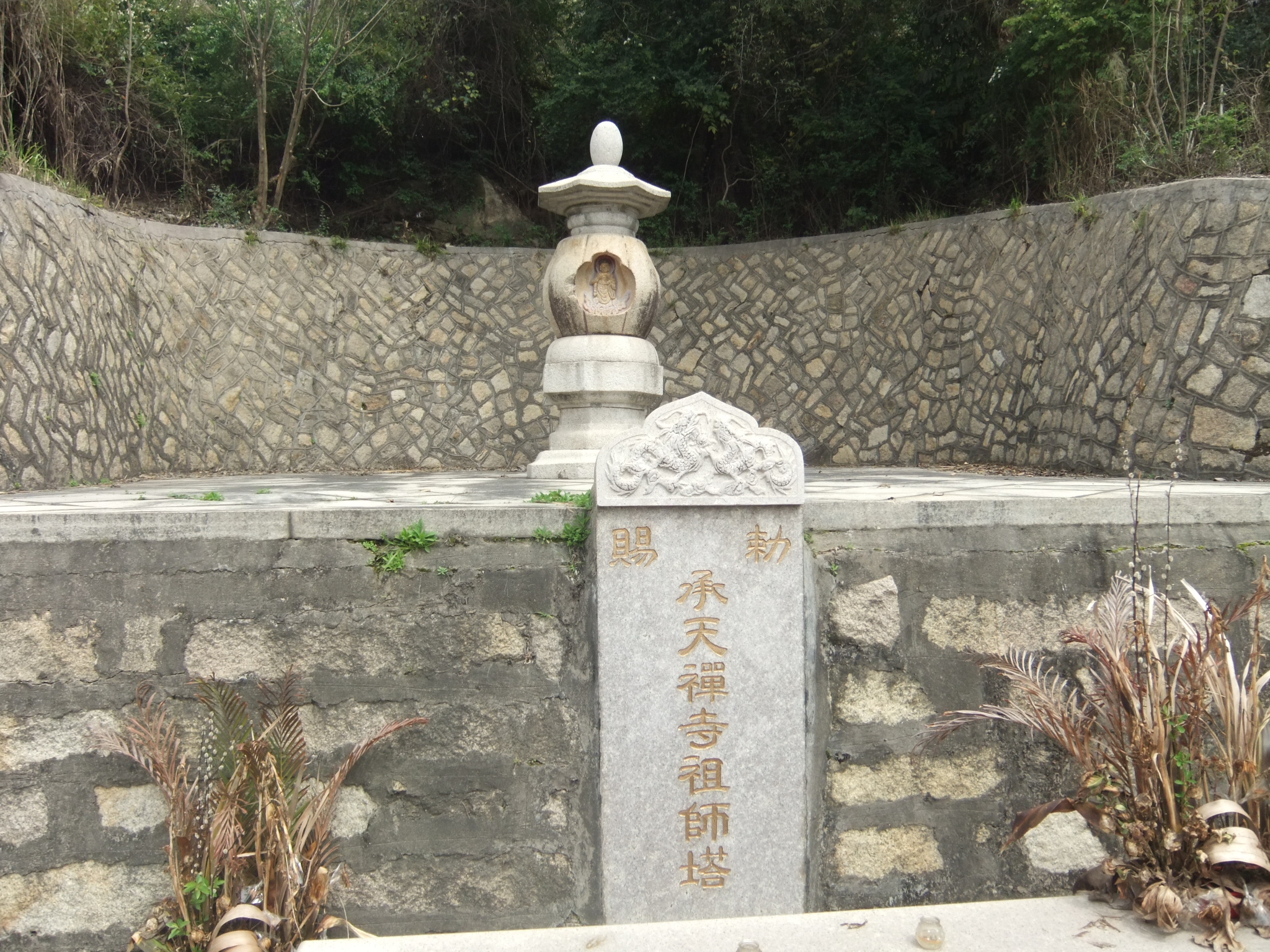
Lingshan Islamic Cemetery
Ancient Islamic cemetery with venerated graves
Ye (Hebei)
Ancient Chinese city, significant historical capital
Capital Cities and Tombs of the Ancient Koguryo Kingdom
Goguryeo fortress-cities and tombs, 1st century BCE–7th century CE