Explore the Map
Xiaohe Cemetery
40.3364° N, 88.6725° E
About
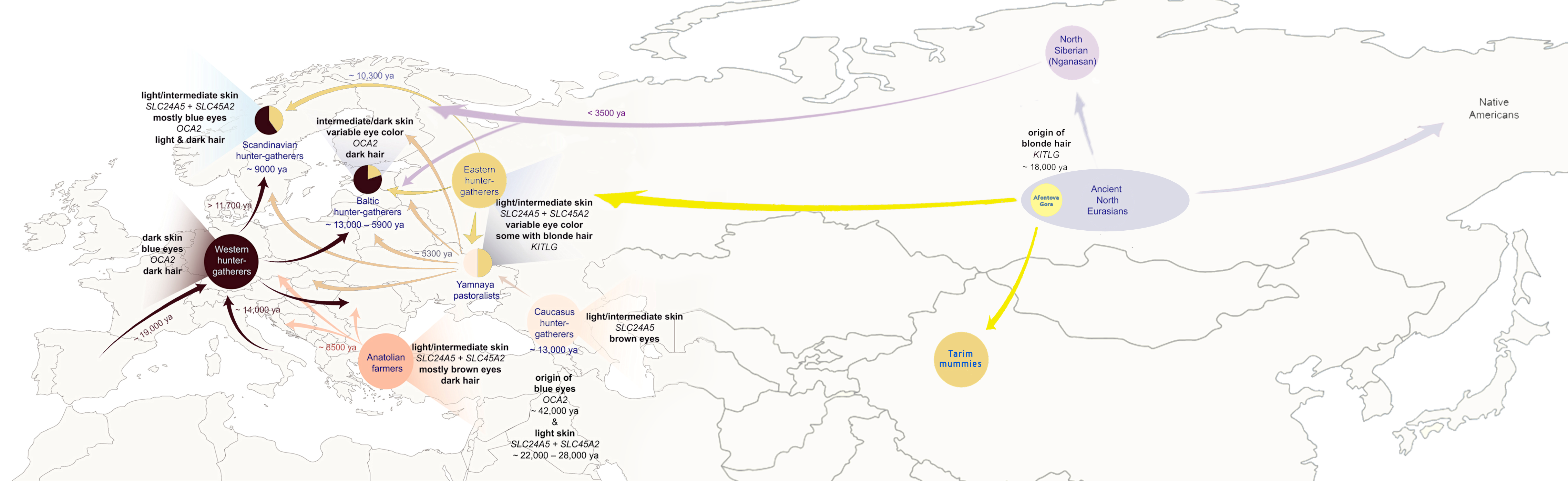
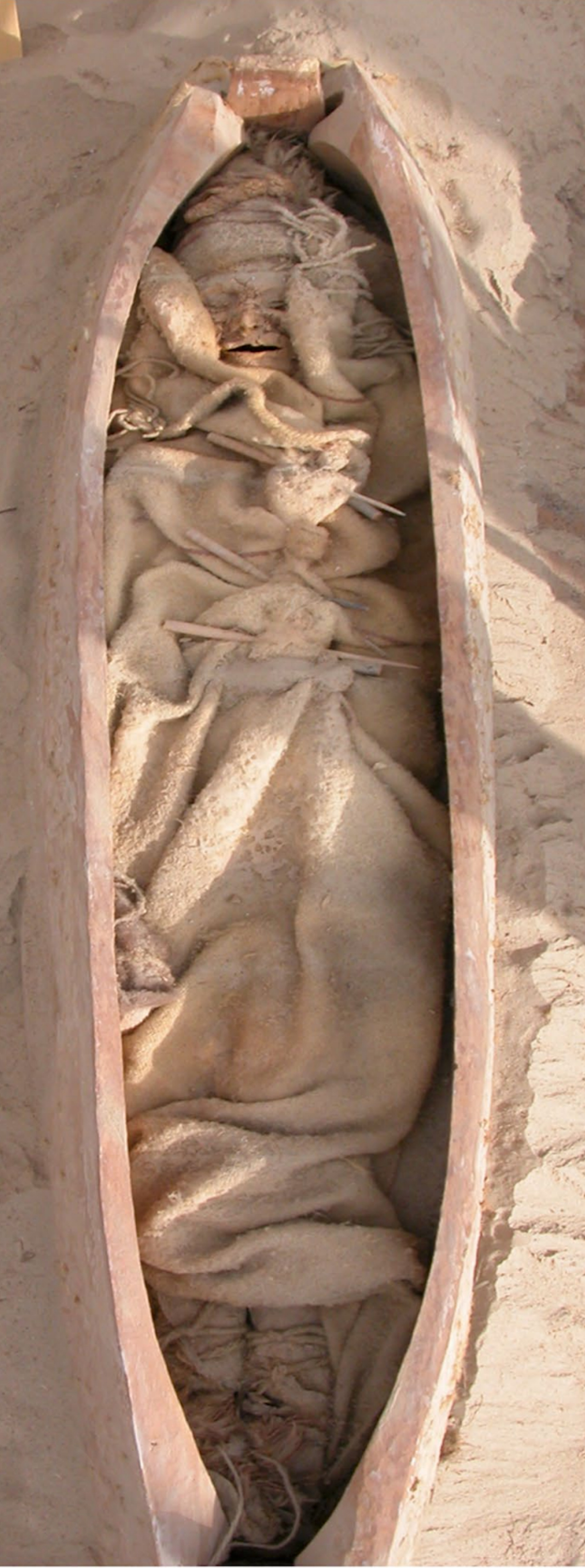
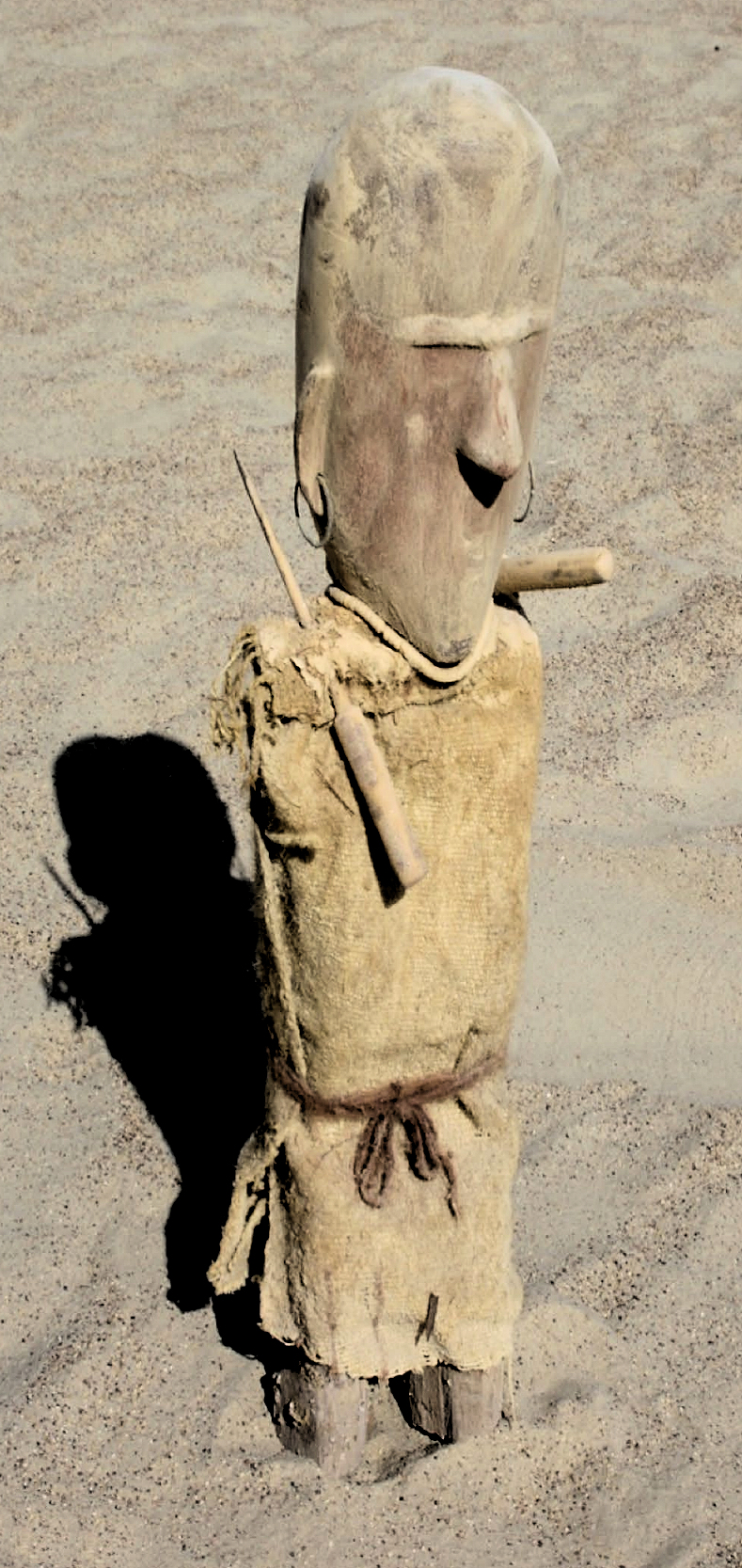
The Xiaohe Cemetery, also known as Ördek's Necropolis, is a Bronze Age archaeological site situated in western Xinjiang, China. Dating back to approximately 2000 BCE, the site is notable for its oblong sand dune shape and the remarkably preserved 'Tarim mummies' buried within. These mummies, found in air-tight ox-hide bags, exhibit a unique genetic heritage, showing links to both East Asian and West Eurasian populations. The cemetery's distinctive burial markers include wooden posts and human figurines that reflect the ritualistic practices of the time. The absence of nearby settlements suggests the site served a broader regional purpose, with bodies transported over significant distances for burial. Xiaohe Cemetery remains a key site for understanding the complex cultural and genetic landscape of ancient Eurasian populations.
Gallery
Explore photographs of ancient structures, artifacts, and archaeological excavations
Historical Timeline
Journey through time and discover key events in this site's history
First use of Xiaohe Cemetery
2000 BCE
Archaeological Features
Unique architectural and cultural elements found at this historical site
Burial and Funerary Structures
Artistic and Decorative Features
Frequently Asked Questions
Plan Your Visit
Tours, travel arrangements, and practical information
More Sites in China
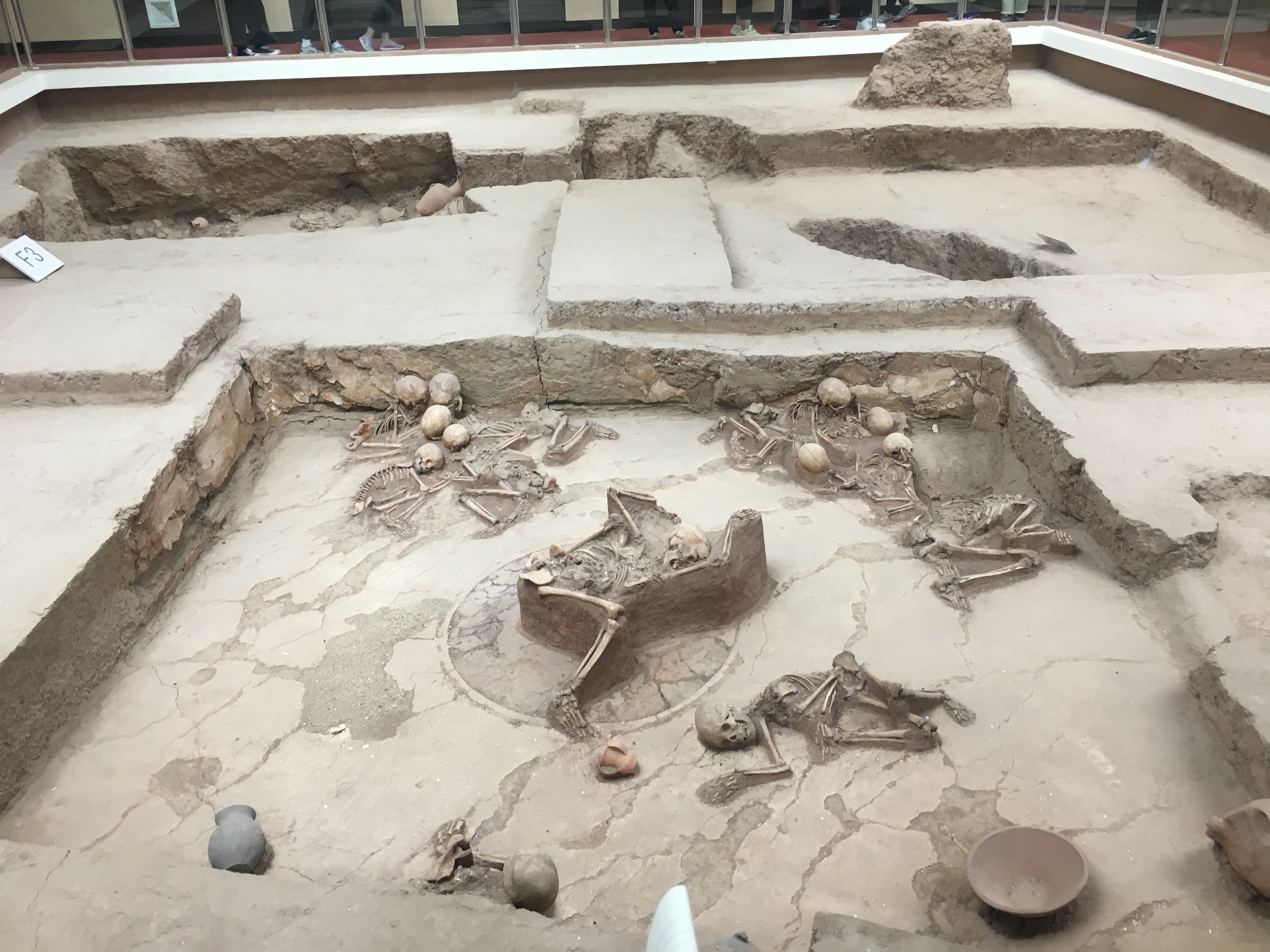
Lajia
Bronze Age site in Yellow River region
Yunju Temple
Buddhist temple complex with vast stone sutra steles, China
Kizil Caves
Buddhist rock-cut cave complex in China
Luobi Cave
Karst cave with Yuan Dynasty inscriptions
Tomb of An Jia
Sogdian funerary monument in Xi'an, Northern Zhou (6th century)
Laosicheng
Largest, best-preserved ancient Tusi city