
Explore the Map
Zhiren Cave
22.2871° N, 107.5125° E
About
Zhiren Cave, located in the Mulan Mountains overlooking the Hejiang River in Chongzuo, Guangxi, China, is an archaeologically significant karstic cave site. It dates back to the early Late Pleistocene, roughly between 116,000 to 106,000 years ago. The site has yielded fossil remains that potentially represent some of the earliest anatomically modern humans in East Asia. These remains, which include two upper molars and an anterior mandible, exhibit a mix of modern and archaic human features. Notably, one of the mandibles has a distinctively modern human chin, suggesting the presence of modern humans in the region earlier than previously thought. The cave also contains fossils of large mammals, with around 25% of the species now extinct, providing insights into the prehistoric ecosystem.
Historical Timeline
Journey through time and discover key events in this site's history
Early Human Fossils Discovery
116,000 BCE
Archaeological Features
Unique architectural and cultural elements found at this historical site
Domestic and Habitation Structures
Environmental and Natural Features
Frequently Asked Questions
Plan Your Visit
Tours, travel arrangements, and practical information
More Sites in China
Luobi Cave
Karst cave with Yuan Dynasty inscriptions
Tomb of An Jia
Sogdian funerary monument in Xi'an, Northern Zhou (6th century)
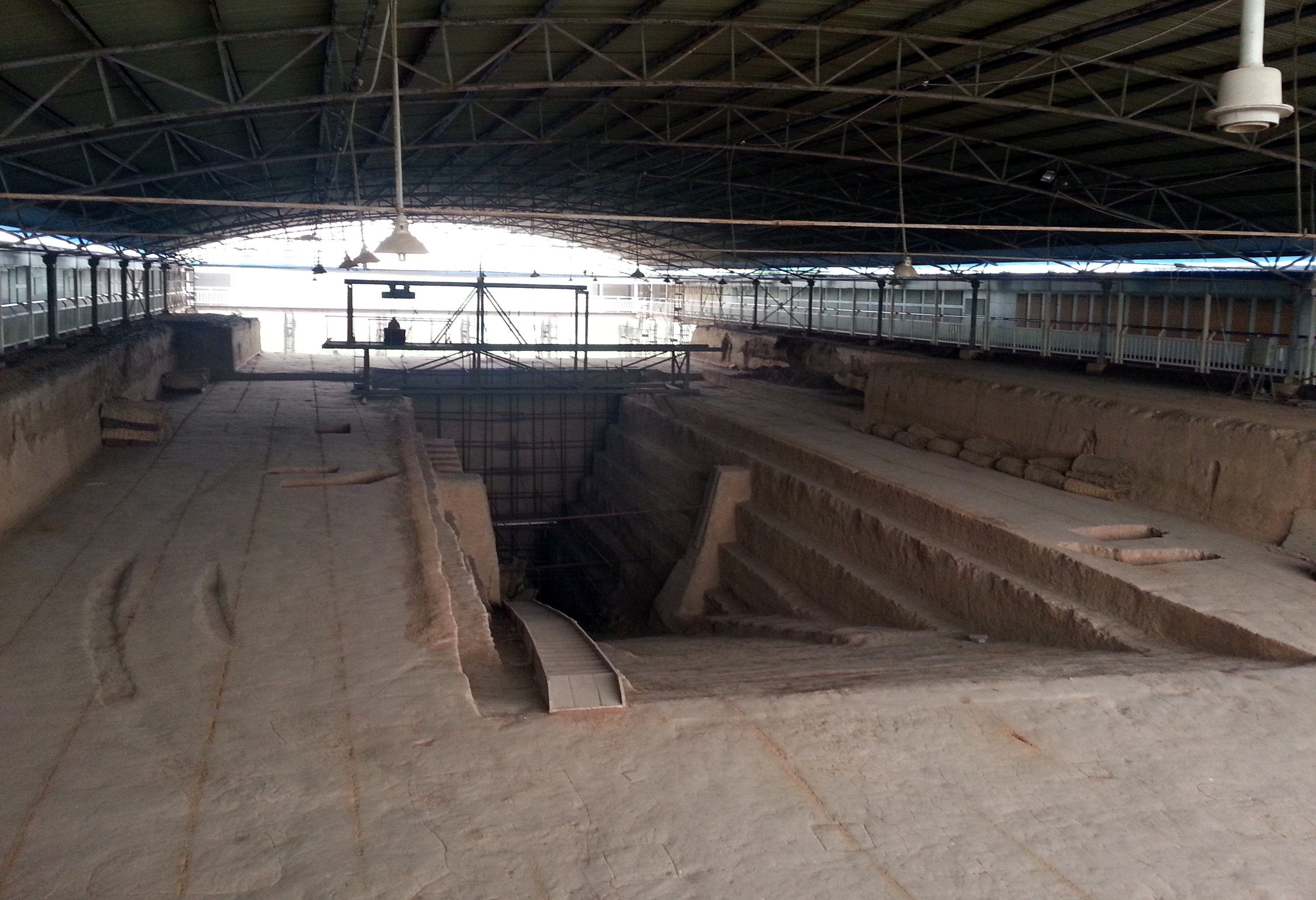
Cao Cao Mausoleum
Brick tomb with multiple chambers

Lingshan Islamic Cemetery
Ancient Islamic cemetery with venerated graves
Shangjing Longquanfu
Balhae capital city ruins, 8th–10th centuries
Yangling Mausoleum of Han
Western Han imperial mausoleum, 2nd century BCE