Time Periods
Paleolithic
Mesolithic
Neolithic
Chalcolithic
Bronze Age
Iron Age
Classical Period
Post-Classical Period
Early Modern Period
Industrial Period
Contemporary Period
Time Periods
Paleolithic
Mesolithic
Neolithic
Chalcolithic
Bronze Age
Iron Age
Classical Period
Post-Classical Period
Early Modern Period
Industrial Period
Contemporary Period
Location
About
Pumawasi, also known as 'puma house,' is a rocky cave located in the Chinchaypujio District of the Anta Province in Peru's Cusco Region. This archaeological site is notable for its pre-Columbian rock art and its historical use as a burial ground. The cave extends approximately 22 meters in depth, with a width of 30 meters at its broadest point. Human bone remains found within the cave indicate its role in funerary practices, likely dating back to the Late Post-Classical Period. The rock art within the cave provides insights into the cultural practices and artistic expressions of pre-Columbian societies in the region, offering valuable information to researchers on Andean civilizations. Pumawasi stands as a significant site for understanding the complex cultural and historical narratives of indigenous peoples in Peru.
Gallery
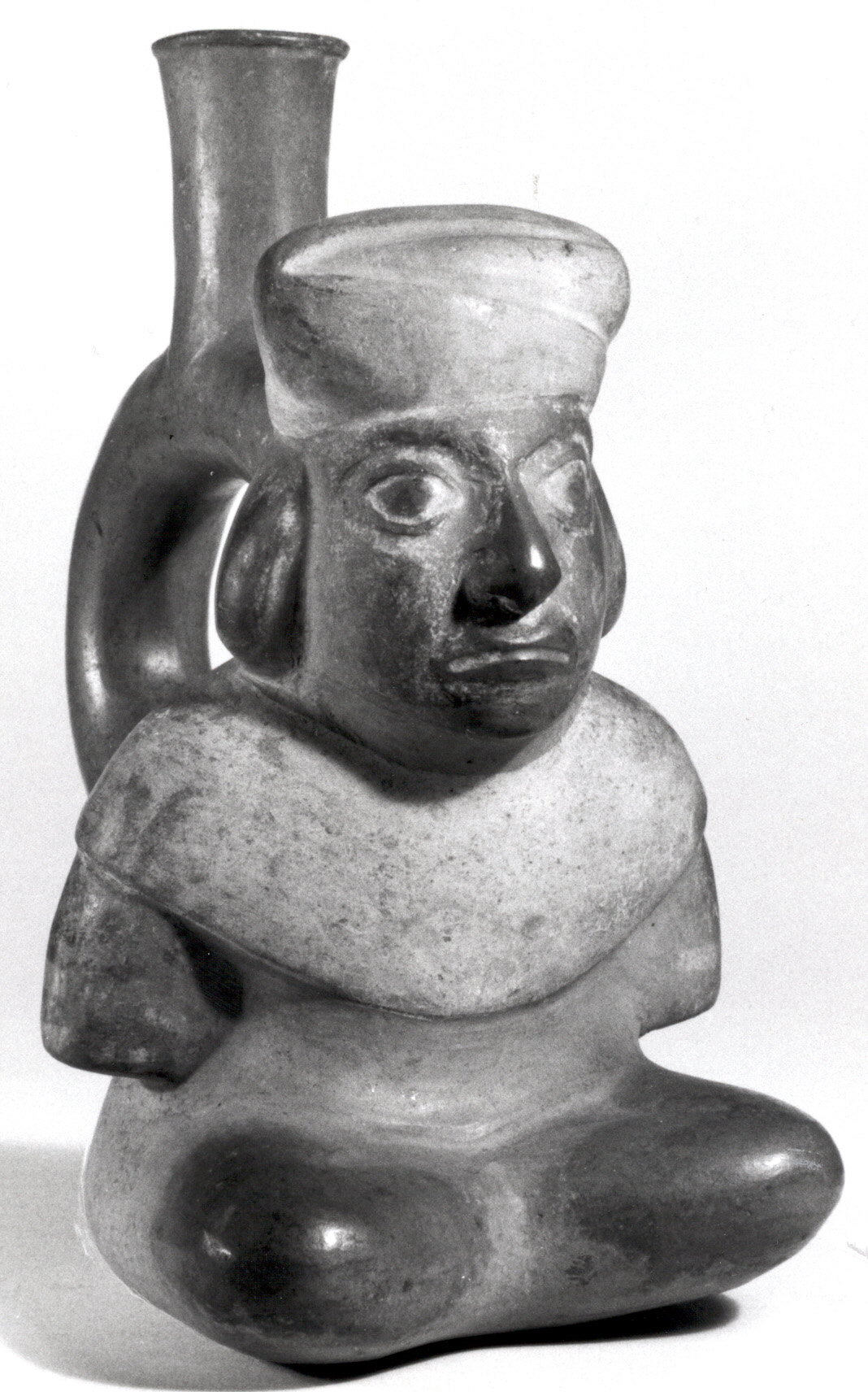
Explore photographs of ancient structures, artifacts, and archaeological excavations at Pumawasi, Anta
Archaeological Features
Explore the unique architectural and cultural elements found at this historical site
Burial and Funerary Structures
Artistic and Decorative Features
Domestic and Habitation Structures
Historical Timeline
Journey through time and discover key events in this site's archaeological history
Plan Your Visit
Details
- Country
- Cusco Region
- Source
- Wikipedia
More Sites in Cusco Region
Choquequirao Puquio
Pre-Columbian site with water features
Pumamarka, Urubamba
Puma village at river confluence, Peru.
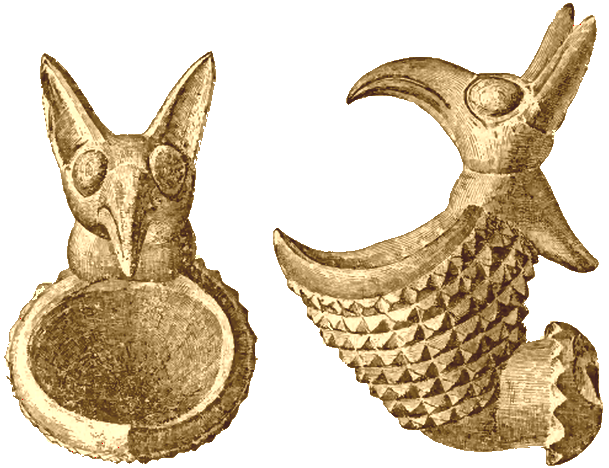
Tambomachay
Incan aqueducts, canals, and waterfalls near Cusco
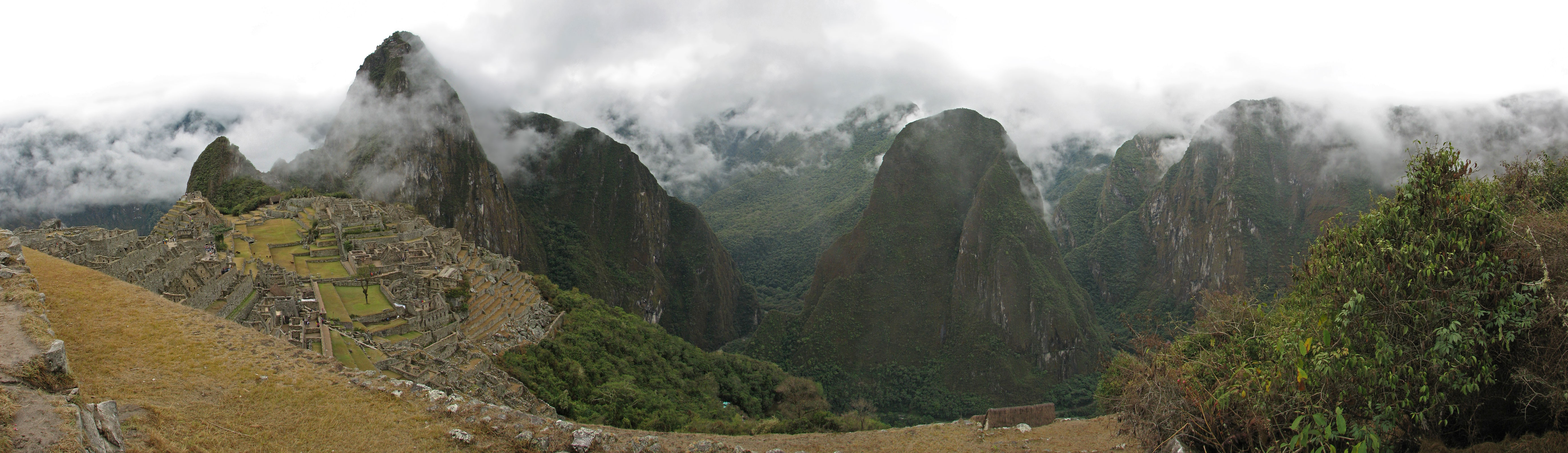
Sacred Valley
Fertile valley with Inca ruins and terraces
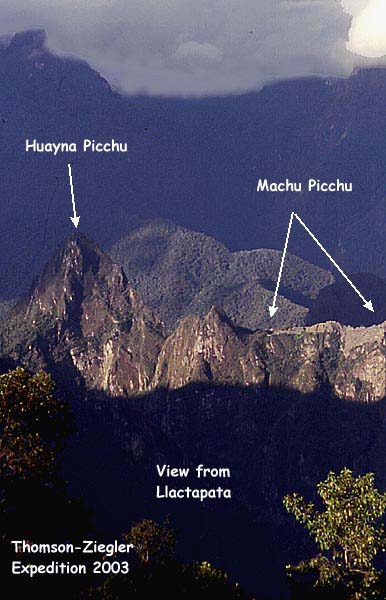
Llaqtapata
Inca roadside shrine near Machu Picchu.
Chawaytiri
Rock paintings site with llama depictions